Almohad Historic Sites: Explore Fortresses, Mosques and Minarets
Explore more than 100 historic sites connected with the Almohads, including citadels, rural castles, mosques and minarets across Iberia and the Maghreb. Most entries are in Spain, with further sites in Portugal, Morocco and Algeria. The collection follows surviving Almohad construction within buildings that often also contain earlier foundations and later additions.
Fortifications account for much of the collection. Their remains include rammed-earth enclosures, projecting towers and gateways that turn approaching visitors through confined passages. Religious buildings add a different range, from a small mosque inside a fortress to large prayer halls and a minaret incorporated into a cathedral.
Primary Function: All
Type: All
Country: All
Popularity: All
Rating: All
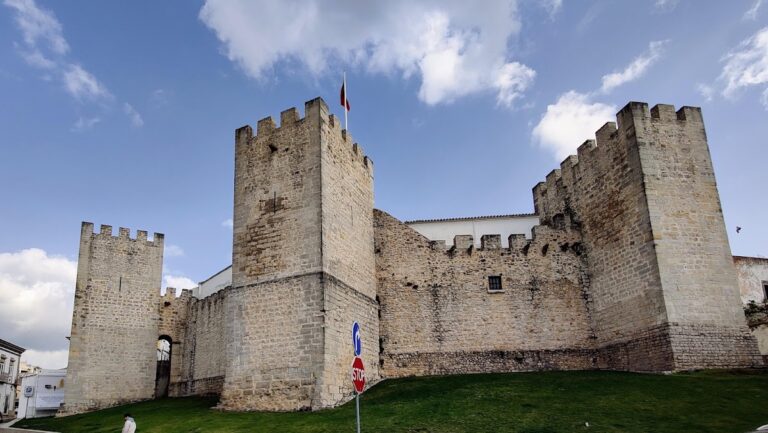
Castle of Loulé preserves fragments of an Islamic fortified town and a later Christian castle within the modern urban fabric of Loulé, Portugal. Its…
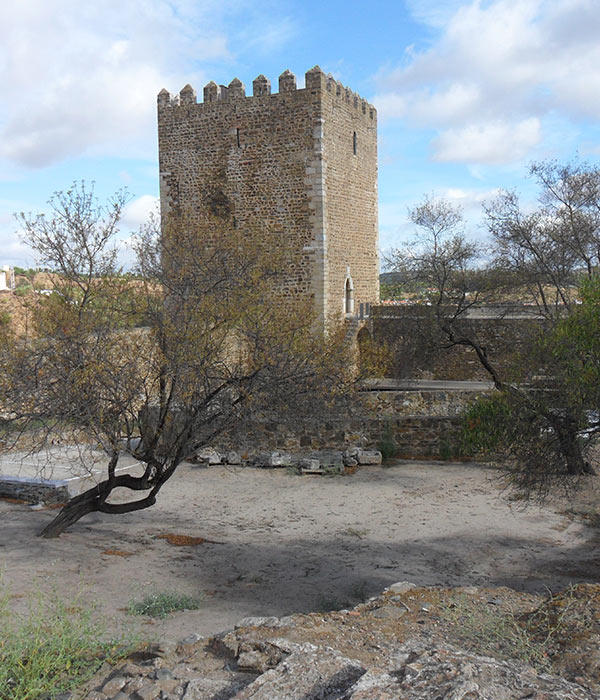
The Castle of Mértola preserves evidence of Phoenician, Roman, Islamic, and Portuguese rule, including a medieval keep, defensive towers, walls,…

Castell de Xivert is a fortified mountain complex in Castellón with occupation from the Bronze Age through the seventeenth century. Its remains…
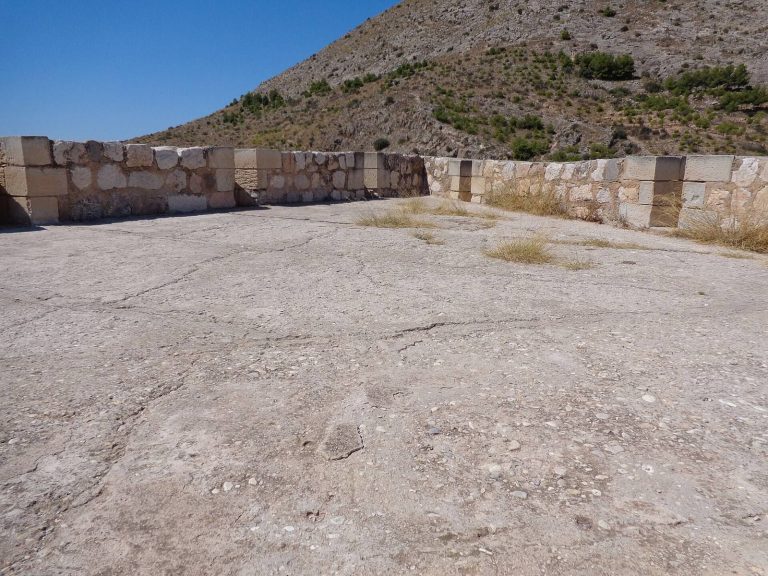
Mola Castle near Novelda preserves the remains of an Islamic-period fortified enclosure later transformed under Castilian and Aragonese rule. Its…
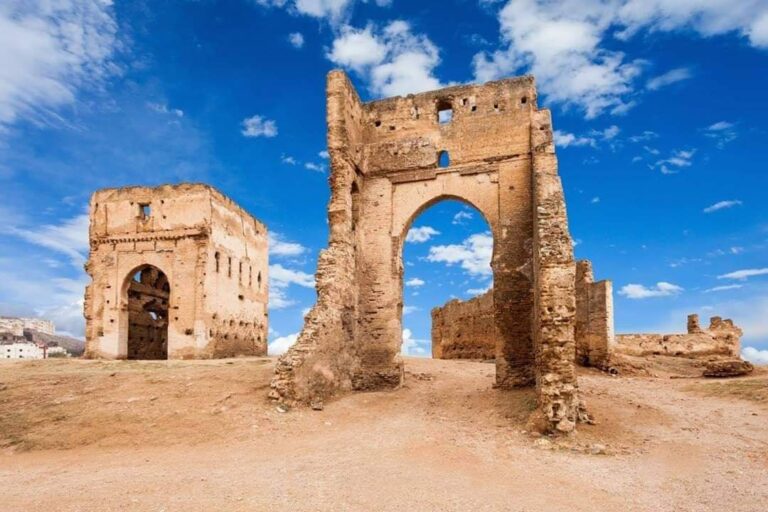
The Marinid Tombs are the remains of a fourteenth-century royal necropolis on a hill above Fez, associated with the Marinid dynasty and its rulers,…
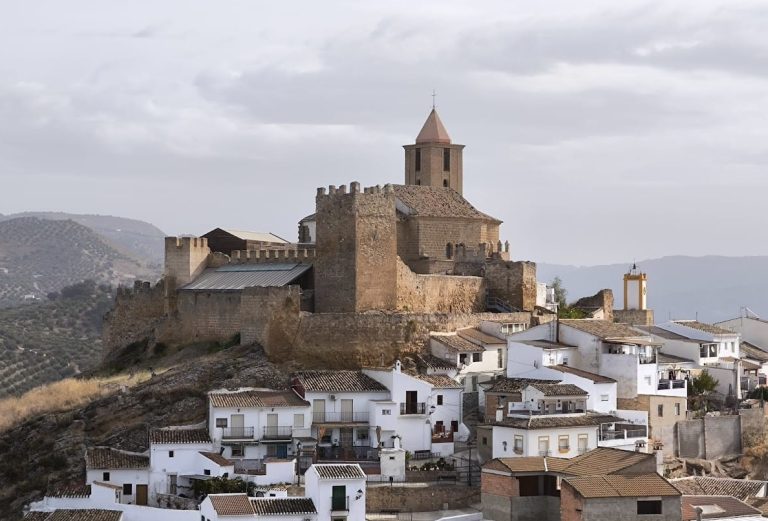
Castillo (Iznájar) is a fortified site in Córdoba with origins described from the eighth century. Its surviving walls, towers, defensive works, and…
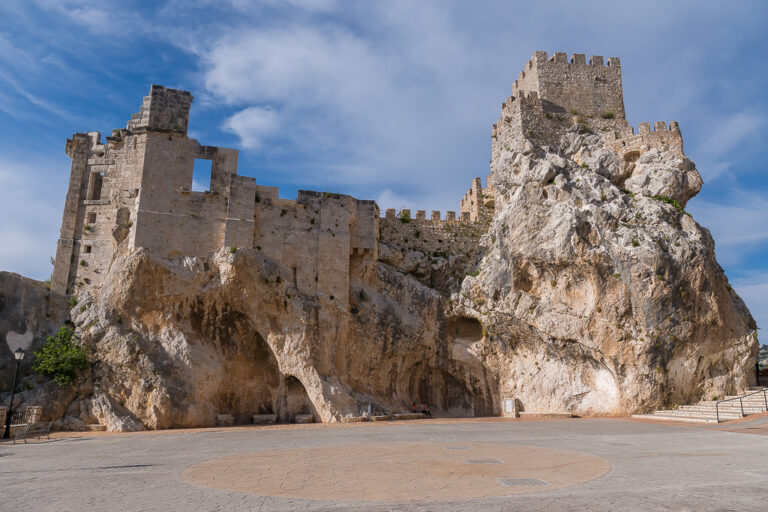
Castillo de Zuheros is a fortified site shaped by Muslim rule, Castilian conquest, noble ownership, Renaissance rebuilding, and later reuse as a…
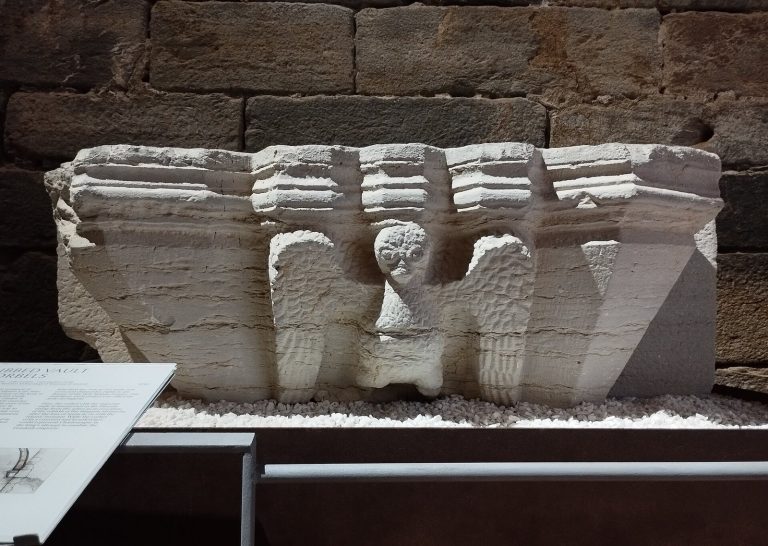
The Castle of La Concepción is a medieval fortress above Cartagena’s port, incorporating remains of a twelfth-century Muslim citadel and earlier…

The Castle of Montánchez is a hilltop fortress whose main body dates to the caliphal period, with later Almohad and Christian additions, including…
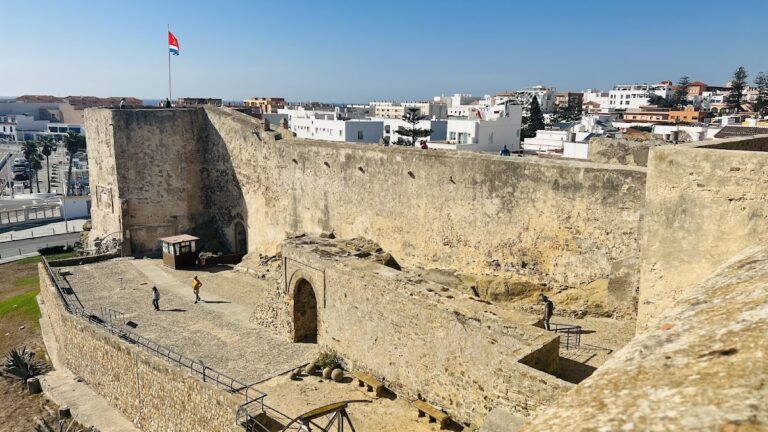
Built in 960 by Abd al-Rahman III, the Castle of Tarifa protected the Strait of Gibraltar and later served Almohad, Castilian, and Spanish military…
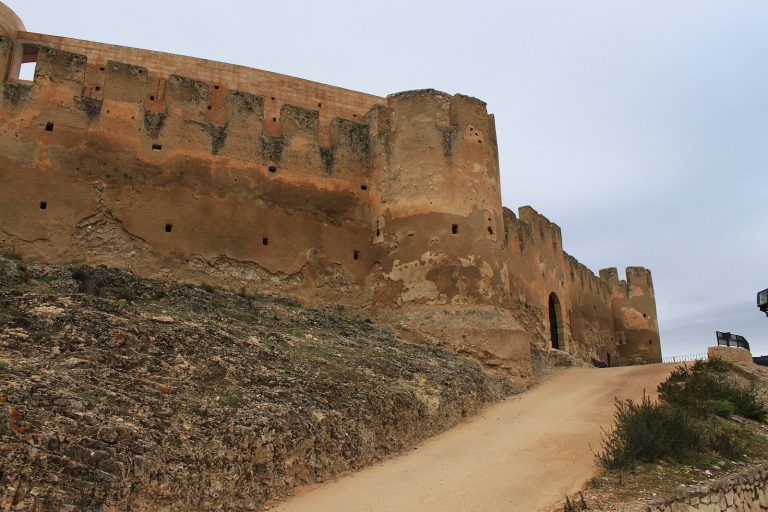
Castle of Biar is a twelfth-century fortress founded under the Almohad dynasty and later rebuilt and strengthened by the rulers of Aragon. Its…
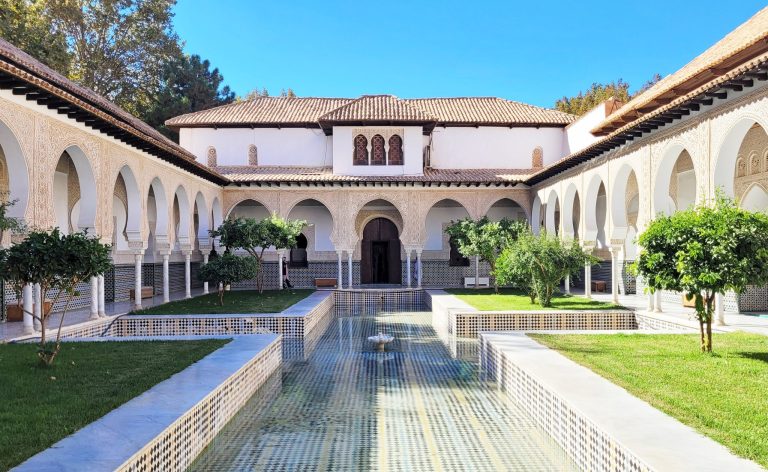
El Mechouar Palace in Tlemcen, Algeria, developed from a medieval citadel into the principal royal and governmental centre of the Zianide dynasty.…
For details on how to use the maps, which sites are included, how popularity and ratings are determined, and how sites are classified, see the help page.
On this page5 sections
Citadels and rural fortified settlements
The Alcazaba of Badajoz occupies a hill beside the Guadiana and Rivillas. Much of its present enclosure dates from Almohad rebuilding after 1169. Walls combine rammed earth, lime mortar, rubble and brick, with stronger stonework around vulnerable entrances. At the Puerta del Capitel, a horseshoe arch leads into a bent passage, courtyard and inner entrance.
The octagonal Espantaperros Tower projects beyond the enclosure. Its upper central structure is a later Mudéjar addition, while the main tower preserves the Almohad defensive form.
Paderne Castle, in Portugal, encloses a much smaller rural settlement on a hill beside the Quarteira River. Its irregular rammed-earth perimeter has no repeated corner towers. Instead, a single external tower guards the entrance, connected to the wall by an upper passage. Cisterns and traces of internal buildings record habitation within the enclosure; a ruined chapel belongs to later Christian occupation.
Mosque and baths inside Jerez’s Alcázar
The Alcázar of Jerez de la Frontera preserves religious and bathing spaces inside its fortifications. The restored mosque has a small ablution courtyard, square prayer hall and mihrab, the niche indicating the direction of prayer. Horseshoe arches connect its enclosed spaces.
After the Christian conquest, the mosque became a chapel and its minaret a bell tower. The original wooden ceiling was replaced by a ribbed vault, so the interior contains both Islamic and subsequent work. Nearby baths preserve the sequence of bathing rooms, adding service buildings to a complex often approached chiefly as a castle. The later Baroque palace is another distinct addition within the enclosure.
Seville’s Almohad minaret
The Giralda at Seville Cathedral is the former minaret of the city’s Almohad mosque. Its square tower was built in the late twelfth century and survives beside the much larger Gothic cathedral that replaced the mosque’s principal building.
The Renaissance bell stage and crowning weather vane belong to the tower’s Christian use. This makes the Giralda a substantial Almohad survivor within a later religious complex, while the cathedral’s stone vaults and chapels have their own chronology. The map’s inclusion of the cathedral rests on those surviving mosque remains, rather than on an Almohad attribution for the whole church.
Moroccan congregational mosques
The Great Mosque of Taza developed from an Almohad foundation into a larger building under the Marinids. Rows of horseshoe arches divide its prayer hall. A wider central aisle and a broader aisle along the prayer wall establish a T-shaped arrangement within the repeated bays.
The Marinid expansion added aisles and a large courtyard; the present decorated mihrab also belongs to that later campaign. The original organization continued to shape the enlarged mosque.
At the Great Mosque of Salé, Almohad rebuilding in 1196 enlarged an earlier mosque. Its broad, irregular enclosure and decorated stone entrances survive through subsequent repairs. The current minaret was rebuilt in the nineteenth century, illustrating a different balance between medieval mosque fabric and later work on a prominent vertical feature.
Explore the collection
Explore sites on the map or in the grid. Map icons reflect each site’s primary function, helping you identify different kinds of places at a glance. Refine the results by country, primary function, site type and era. Popularity and rating filters provide further refinements. Select a map marker to view the site’s details and open its article, or open the article from its grid entry.