Castle of Montánchez: A Hilltop Fortress in Spain


Site at a Glance
- Rating
- 4.6
- Popularity
- Medium
- Country
- Spain
- Primary era
- Medieval
- Eras represented
- Medieval, Early Modern
- Civilizations
- Almohad, Crusader, Kingdom of León, Order of Santiago, Spanish, Umayyad
- Site type
- Military
- Remains
- Castle
On this page6 sections
History
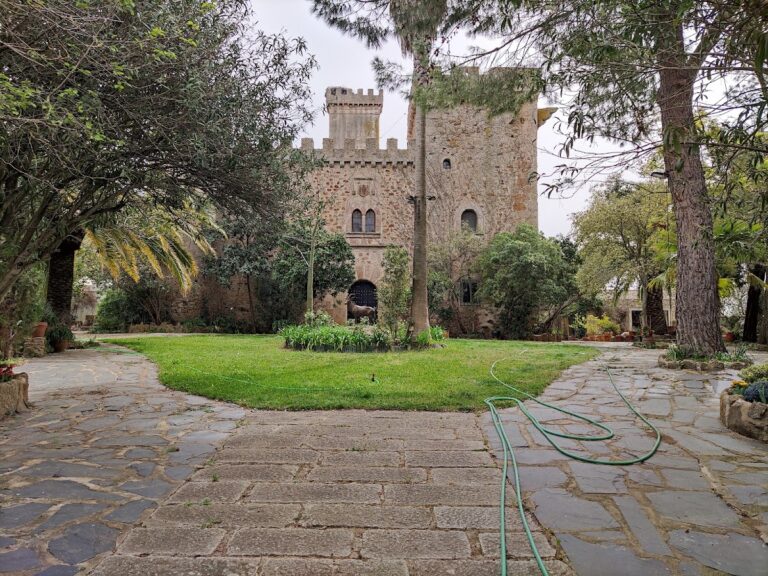
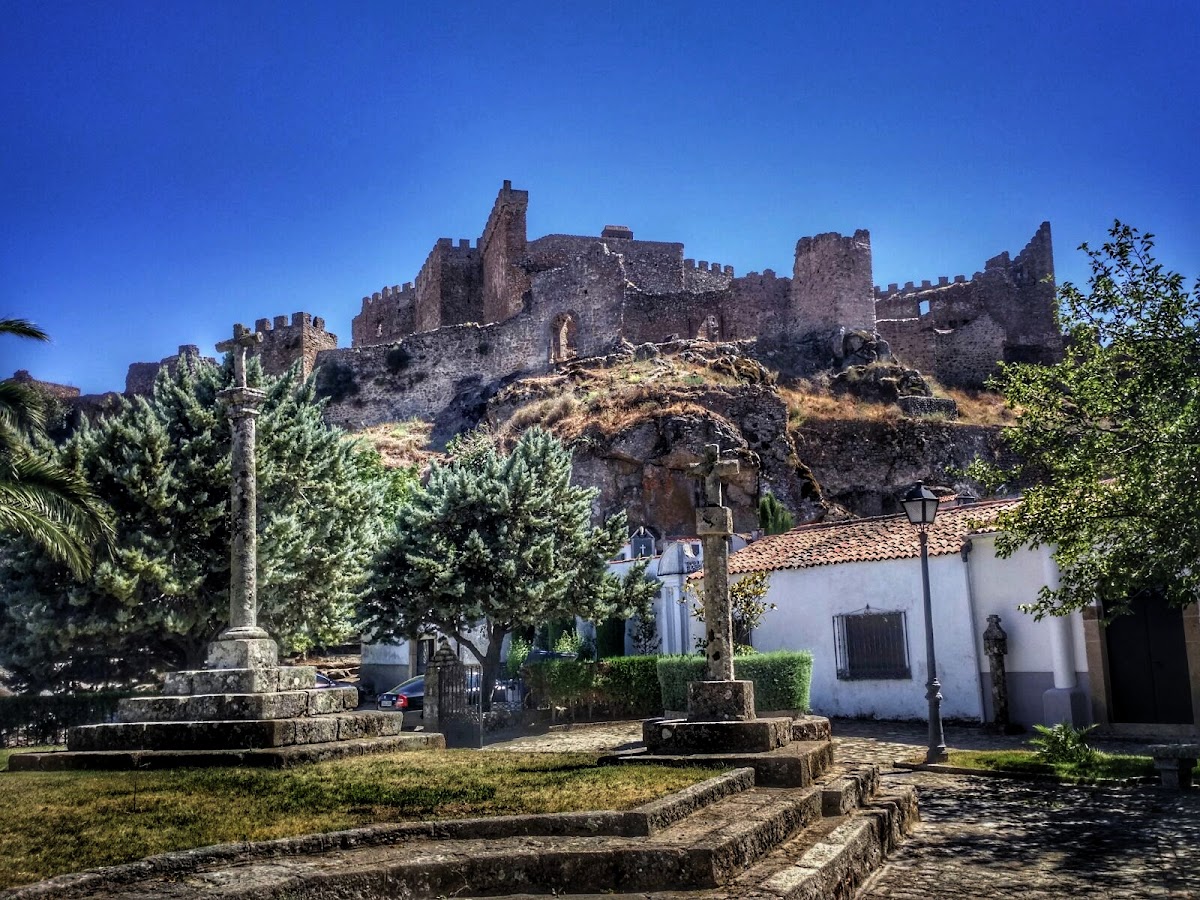
The Castle of Montánchez is a hilltop fortress in Spain, located in the municipality of Montánchez in Cáceres Province, Extremadura. Its principal body was built during the Islamic caliphal period on the highest point of the hill, while further construction took place in the twelfth century under the Almohads, a North African Islamic dynasty and religious-political movement that ruled parts of the Iberian Peninsula.
Islamic and Christian phases
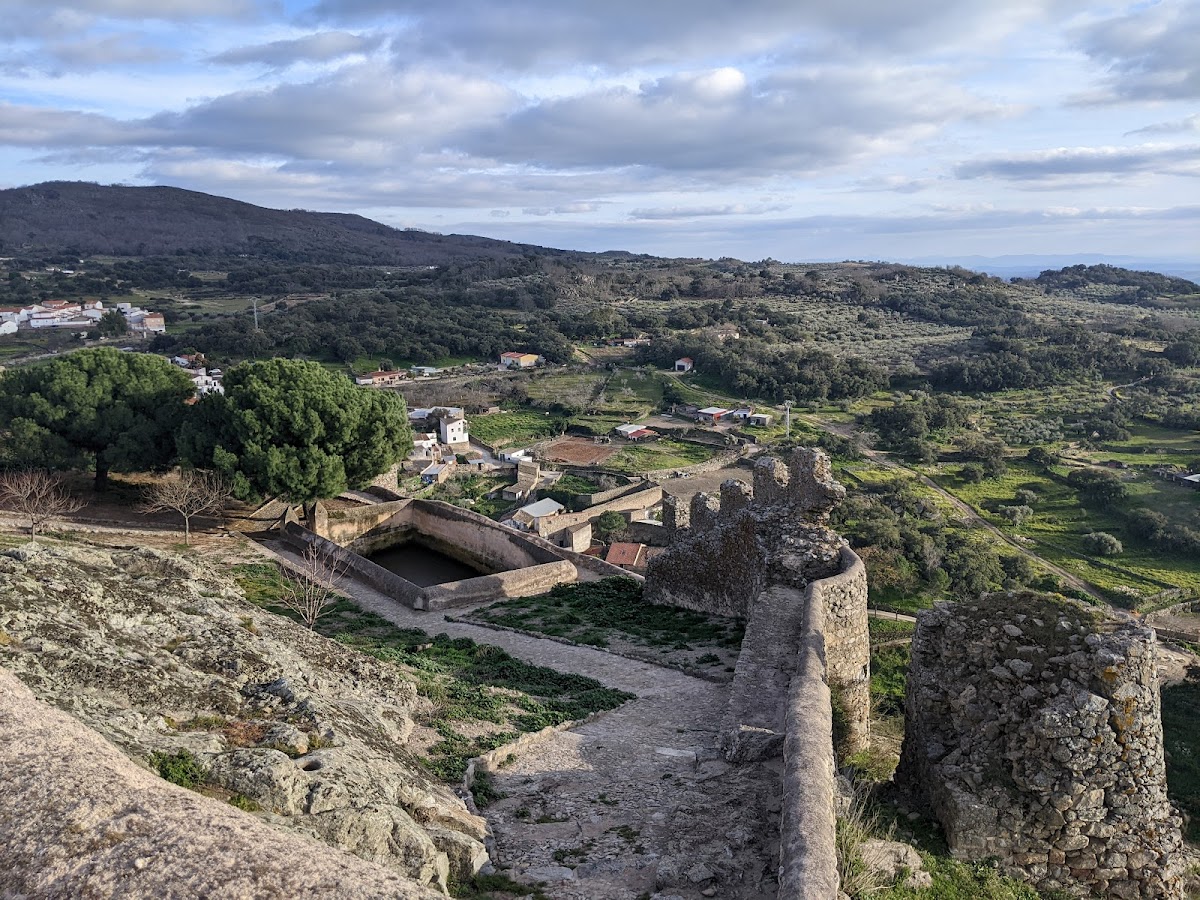
During Almohad rule, the fortress was expanded and its Muslim-period layout developed. Three cisterns from this period survive, together with parts of the earlier arrangement. After the area came under Christian control, the Order of Santiago, a medieval Christian military-religious order that administered territories in Iberia, directed further changes. Numerous additions were made, particularly a series of enclosing walls that altered and strengthened the complex.
In 1620, the castle served as a prison for Rodrigo Calderón, a Spanish court official and nobleman from Valladolid. In the modern period, central and regional administrations carried out substantial reconstruction and consolidation works, partly adapting the complex for tourism. The castle has heritage protection under the Decree of 22 April 1949 and Spain’s Historical Heritage Law 16/1985, and it is designated an Asset of Cultural Interest.
Remains
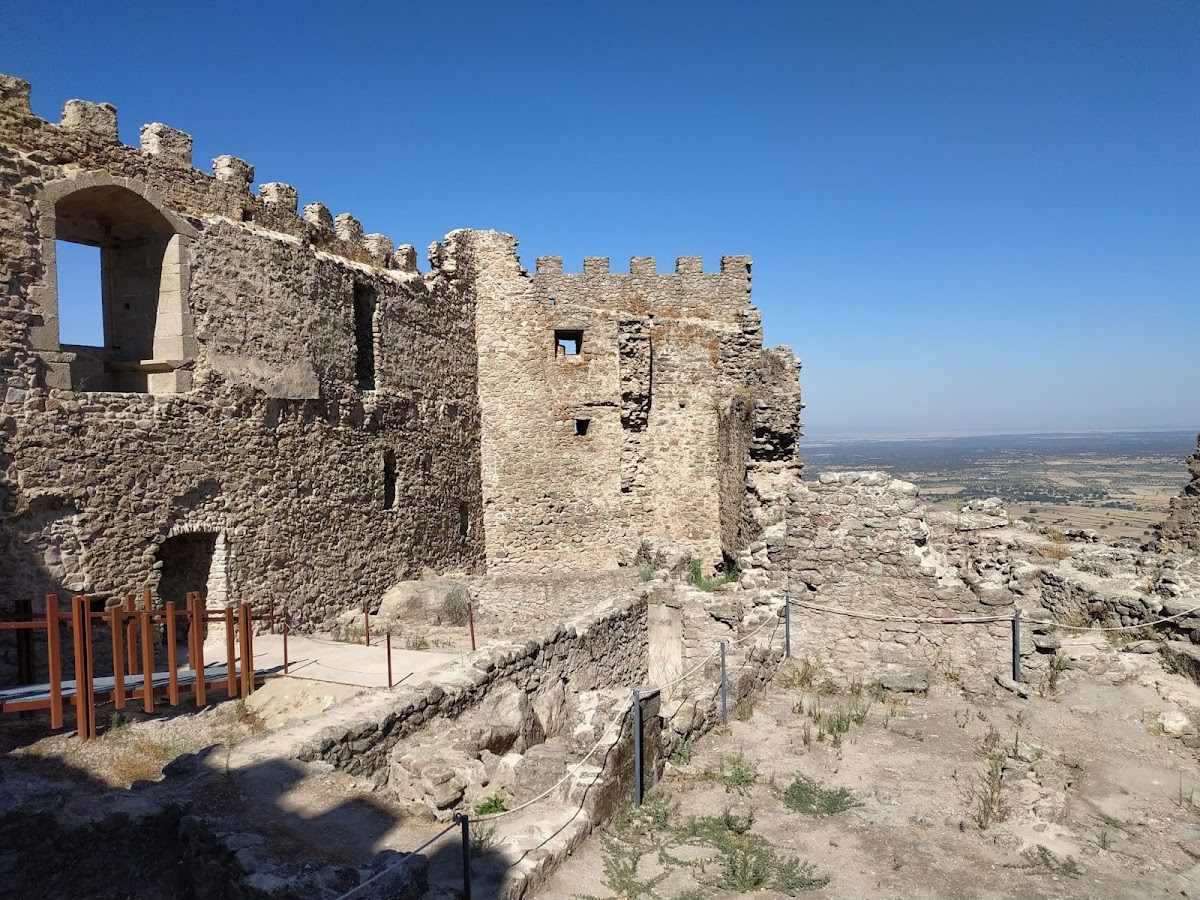
The fortress occupies the highest point of a hill and survives as a consolidated ruin. Its physical arrangement includes a principal elevated body, surrounding walls, an inner enclosure, and outer features. Water-storage installations form an important part of the surviving Muslim-period layout, linking the inner and outer areas of the complex.
Enclosures and water installations
Inner enclosure
The inner enclosure contains the keep, the cellars, and two cisterns. These water tanks belong to the Muslim-period remains and preserve part of the earlier organization of the fortress. The enclosure is contained within the wider system of surrounding walls added during the Christian administration of the site.
Outer area
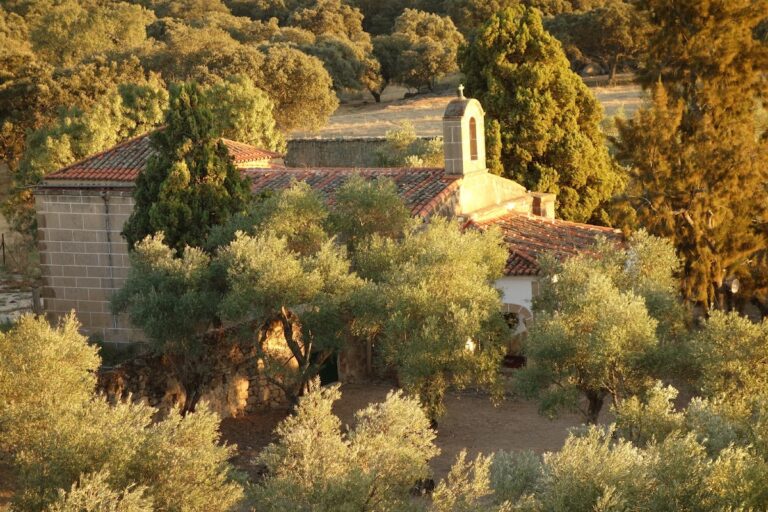
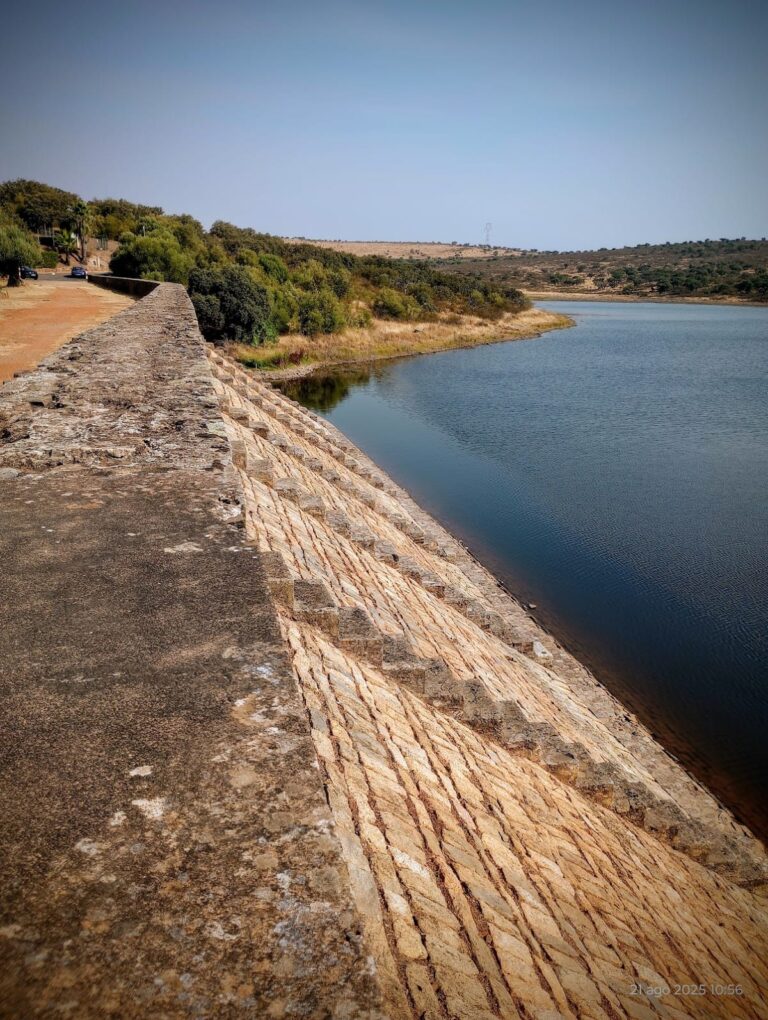
Outside the inner enclosure are the main cistern, a pond, and a hermitage built during the seventeenth century. Together with the elevated central body and the enclosing walls, these features define the surviving layout of the consolidated ruin.