Roman Sites in Switzerland: Explore Amphitheatres, Forts and Mosaic Floors
Roman sites in Switzerland include the public buildings of Aventicum, military remains at Vindonissa and Irgenhausen, and excavated interiors beneath Geneva’s cathedral. The collection covers both large towns and compact fortified enclosures. Amphitheatre seating, camp buildings, mosaic floors and baptismal installations provide examples of how these places were built and altered during Roman and late antique occupation.
Primary Function: All
Type: All
Popularity: All
Rating: All
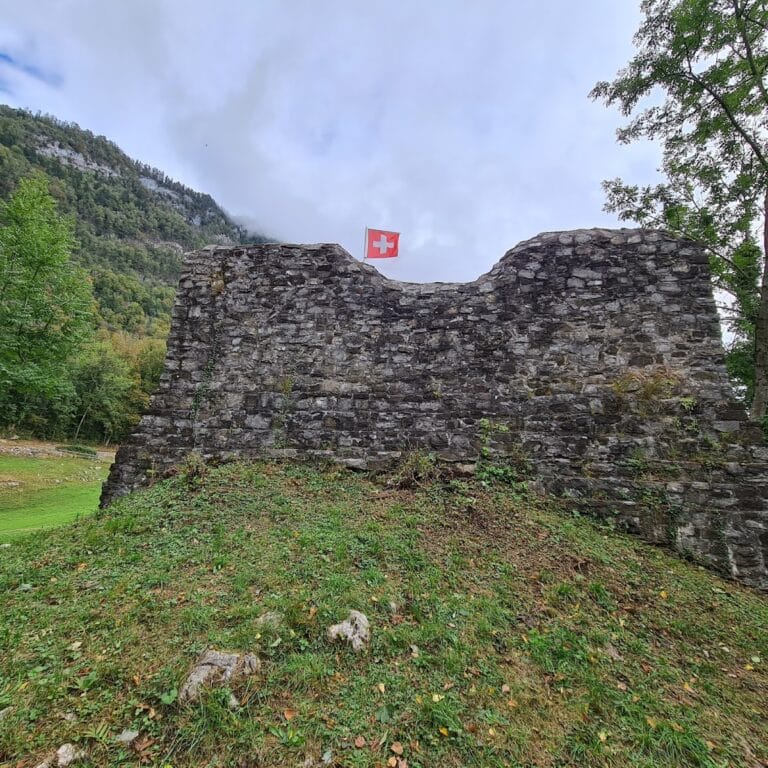
Strahlegg Castle Ruin in Hinterbetlis preserves the remains of a Roman watchtower later rebuilt as a medieval castle and destroyed during the…
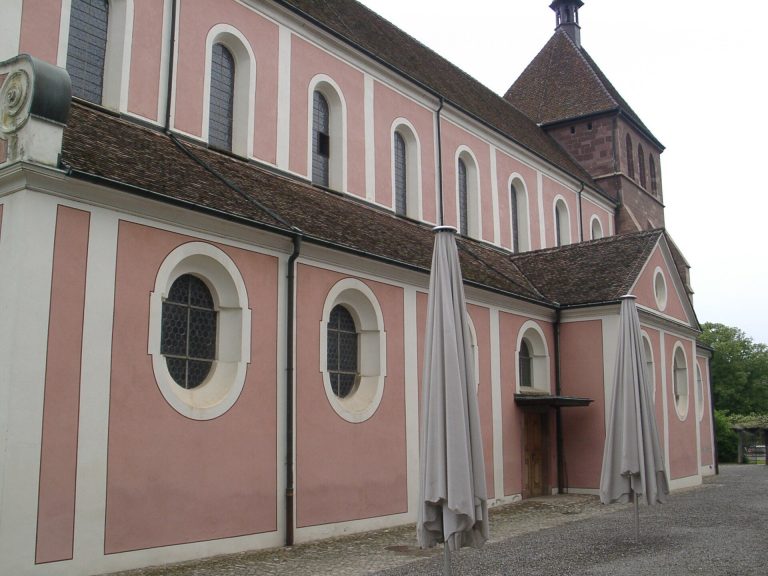
The former collegiate church of St. Verena in Bad Zurzach developed from a fifth-century funerary church into a medieval pilgrimage center and later…
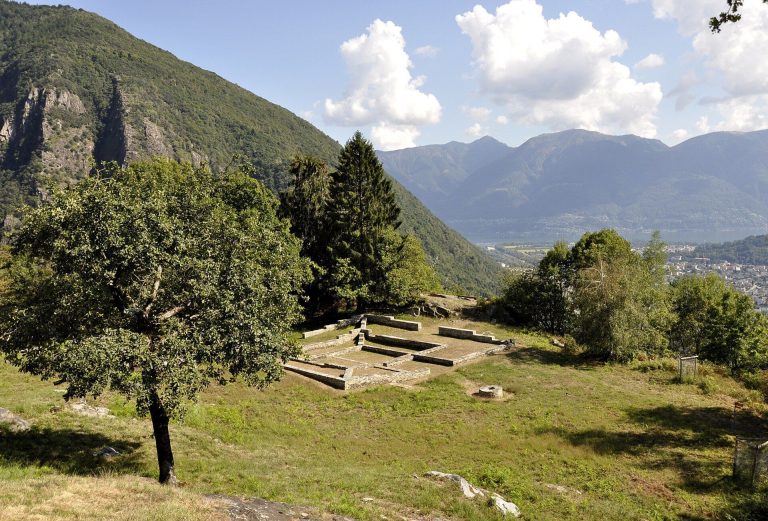
Castelliere is an archaeological site above Tegna where prehistoric settlement remains and a Late Roman fortification reveal changing patterns of…
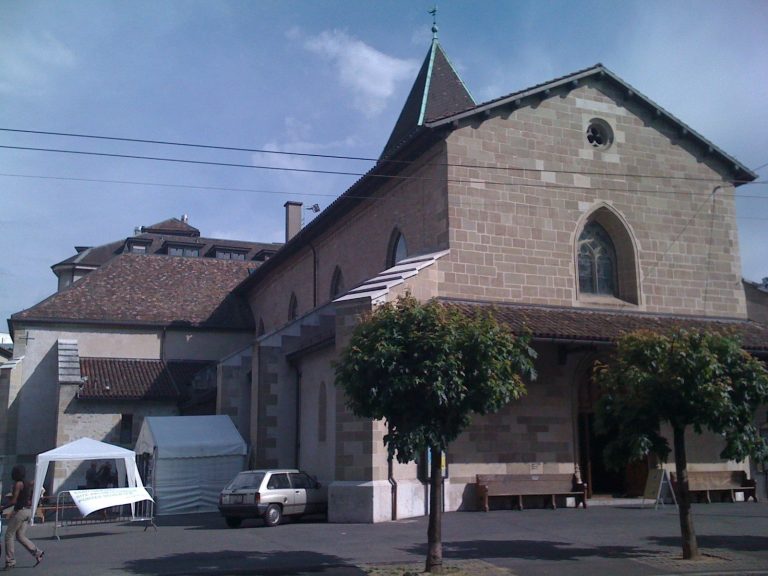
The Temple of Saint Gervais in Geneva stands above archaeological remains spanning prehistoric settlement, a Gallo-Roman sanctuary, an early…
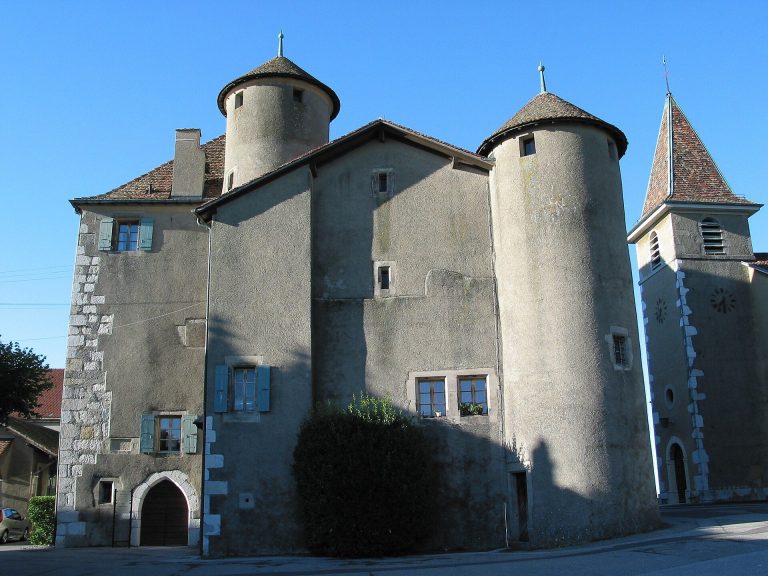
Compesières Commandry in Bardonnex developed from a church donated to the Hospitallers in 1270 into a fortified religious and administrative center.…
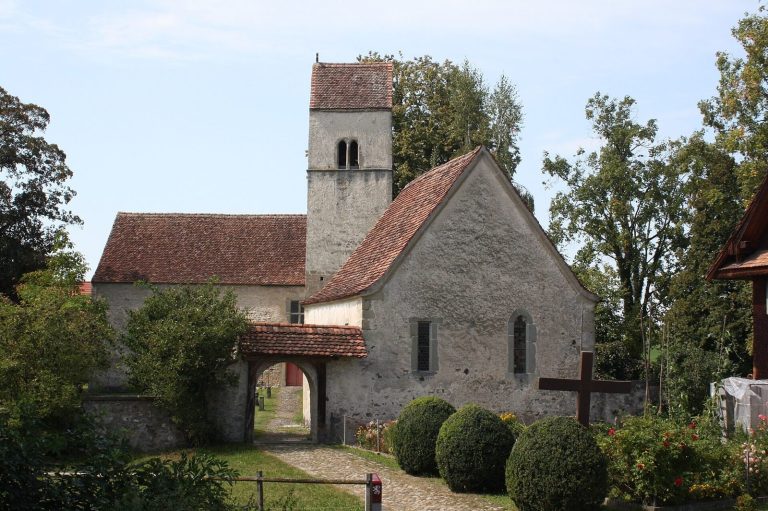
The Catholic Church of St. Martin on Kirchbühl is one of the oldest churches in the canton of Lucerne, preserving medieval frescoes, late Gothic…
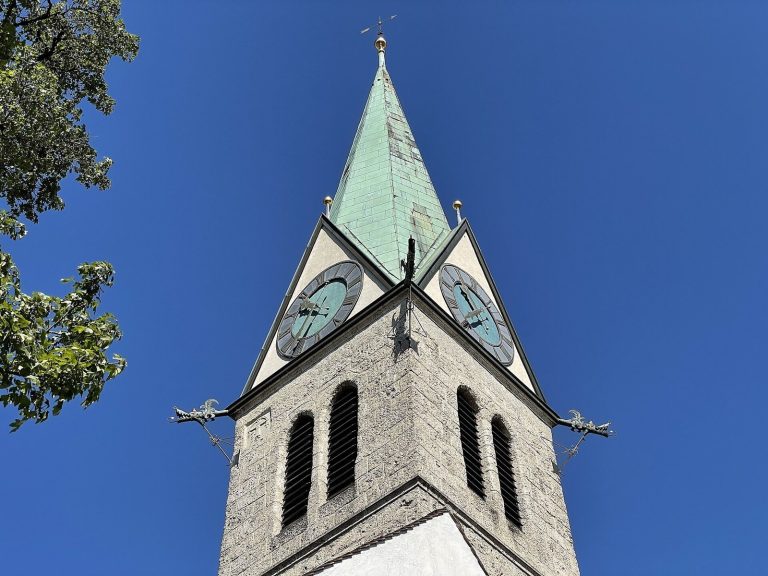
The Reformed Church of Saint Arbogast in Winterthur stands above Roman and early medieval remains, preserving a complex history from the…
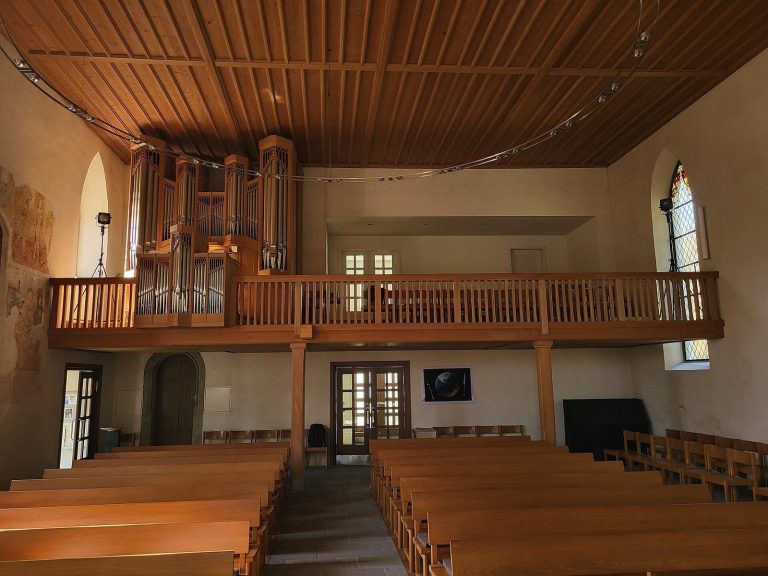
Veltheim church in Winterthur developed from an Early Medieval chapel into a Marian pilgrimage church with a Late Gothic choir, later becoming an…
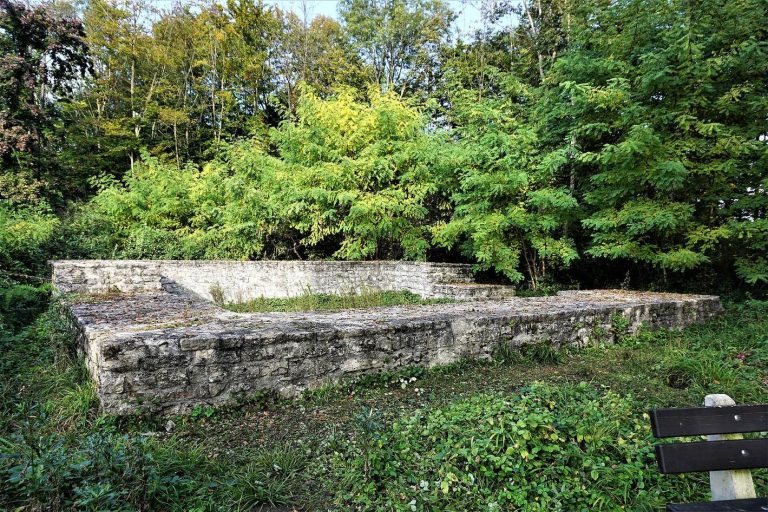
Built between AD 369 and 374, Rheinfelden-Pferrichgraben formed part of Rome’s High Rhine frontier defenses. Its remains preserve evidence of Roman…
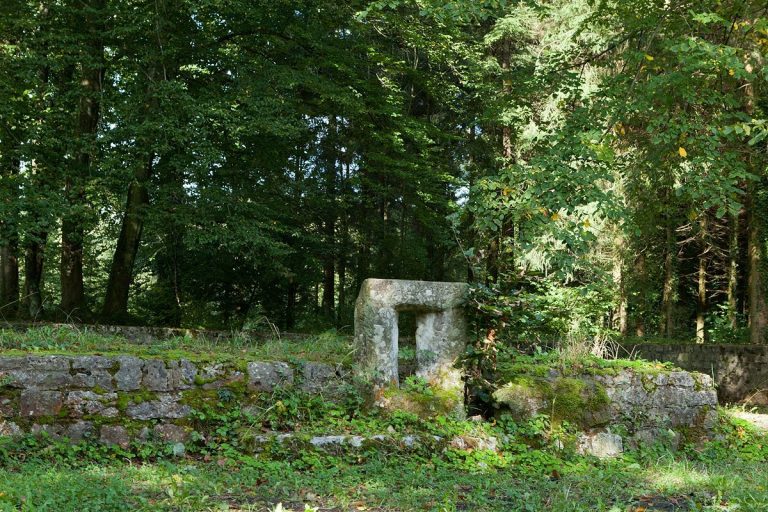
Stelli was a late Roman fortified tower on the Rhine frontier at Wallbach. Its remains illuminate the region’s defensive network, military use, later…
For details on how to use the maps, which sites are included, how popularity and ratings are determined, and how sites are classified, see the help page.
On this page5 sections
Aventicum: an amphitheatre and town defences
At Aventicum, modern Avenches, the amphitheatre preserves the shape of its arena and the surrounding spectator accommodation. Its development included an enlargement in stone, creating a venue separate from the town’s theatre. Entrances and the curved enclosure make the organisation of the arena building particularly clear, even though its upper structure has not survived intact.
The amphitheatre occupies only one part of a town once surrounded by a wall more than five kilometres long. The Tornallaz tower preserves Roman masonry at its base, with later work above it. This distinction matters when reading the tower’s height: its present outline includes medieval alteration and restoration. The town’s theatre and sanctuary remains lie elsewhere within the archaeological area, so Aventicum contains several separate public complexes rather than a single arena with associated ruins.
Vindonissa: buildings inside a legionary camp
The legionary base at Vindonissa, near Windisch, contained barracks, gates, a hospital and bathing facilities. Excavated remains establish the arrangement of these buildings within the camp, while one officer’s house preserves a kitchen with a raised hearth. That interior offers a more immediate view of the occupied camp than its perimeter alone: food preparation took place within a residence laid out around a courtyard.
Parts of the site’s presentation include reconstructed barracks. These help convey the volume of buildings whose ancient remains are lower, but they are modern structures. The archaeological evidence also extends to wooden and leather objects preserved in the camp’s refuse deposits, linking the surviving masonry with equipment and everyday possessions used by its inhabitants.
Irgenhausen: a compact late Roman fort
Irgenhausen Roman Fort occupies a roughly square enclosure, about sixty metres across, on a rise near Lake Pfäffikon. Corner towers and additional towers along the walls project beyond the curtain. Their positions, the entrance and the thick perimeter masonry preserve a concentrated defensive plan that can be read across the whole site.
The walling combines irregular stone with areas of patterned construction, including courses set at an angle. Excavation and later conservation have stabilised and partly reconstructed the remains. The enclosure is therefore best understood through its surviving plan and masonry, rather than by treating every visible wall top as an untouched Roman surface.
St Pierre Cathedral: Roman rooms and early churches
Beneath St Pierre Cathedral in Geneva, excavated buildings preserve a sequence extending from Roman domestic occupation into the city’s early Christian cathedral complex. Walls on different alignments record rebuilding rather than a single unified floor plan. Mosaic decoration survives in a late antique reception room, while baptismal installations belong to the growth of the church complex.
The baptisteries changed over time, including an arrangement with an octagonal basin and surrounding columns. These remains explain how new religious rooms were fitted into and replaced earlier buildings. The standing cathedral above is medieval; the Roman and late antique features occupy the archaeological levels beneath it.
Explore the collection
Explore sites on the map or in the grid. Map icons reflect each site’s primary function, helping you identify different kinds of places at a glance. Narrow the results by primary function, site type or era, with additional filters for popularity and rating. Select a map marker to view the site’s details and open its article, or open the article from its grid entry.