Roman Cities: Explore Streets, Forums and Archaeological Areas
Explore more than 200 Roman cities, towns and archaeological areas, including coastal settlements, planned colonies and mountain cities with earlier Greek or local origins. Their remains bring streets, houses, temples, theatres, baths and public squares into the same setting, allowing readers to follow how different buildings fitted together.
The collection includes extensive exposed settlements and excavated districts within larger ancient cities. Some retain a regular street plan; others follow steep ground or preserve layouts inherited from earlier inhabitants. The examples below show those differences through paved routes, connected public buildings, residential quarters and water systems.
Type: All
Country: All
Popularity: All
Rating: All
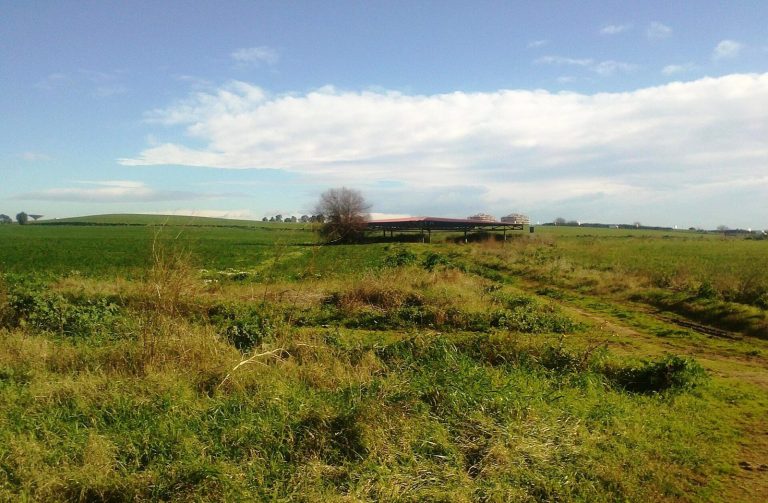
Lavinium, at modern Pratica di Mare near Pomezia, was an ancient Latin city whose sanctuaries, fortifications, and traditions connected it with…
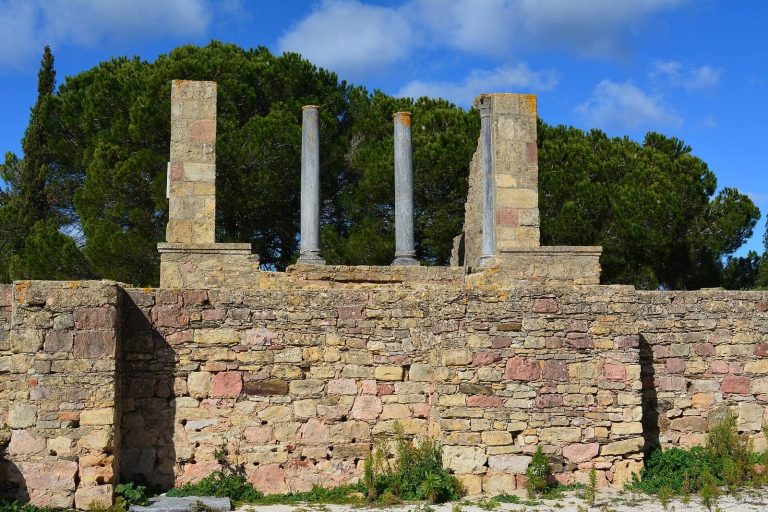
Miróbriga preserves the remains of an Iron Age hill settlement and a Roman town in southern Portugal, including its forum, baths, streets, houses,…
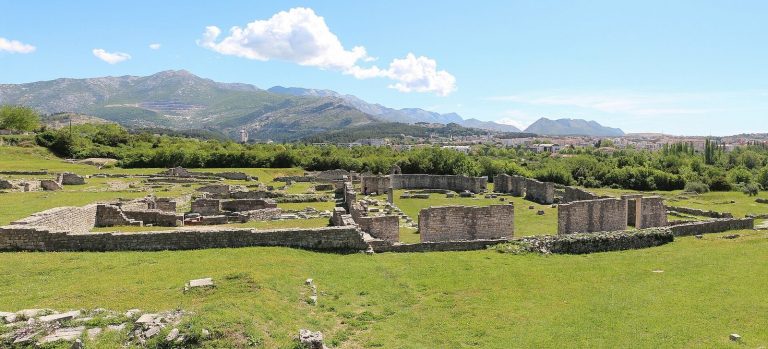
Salona near Solin was a major Roman city, an administrative capital, and an important Christian center whose urban, military, funerary, and…
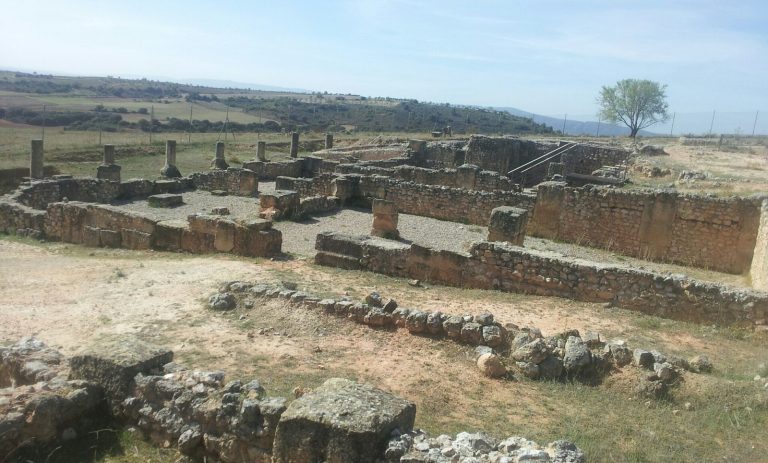
Ercavica was a Celtiberian and Roman city near Cañaveruelas in Cuenca, shaped by Augustan urban development and later reoccupied as an episcopal see…
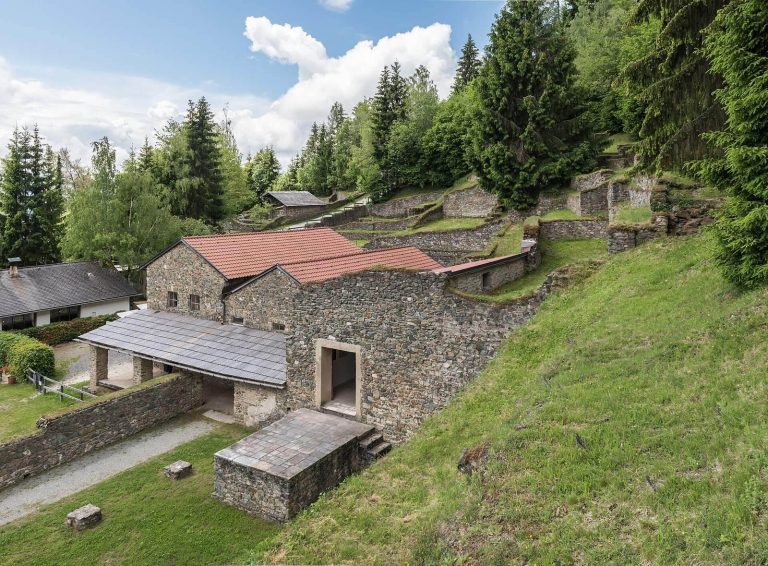
Archaeological Park Magdalensberg preserves a Noric and early Roman settlement that developed around the trade and processing of Noric iron before…
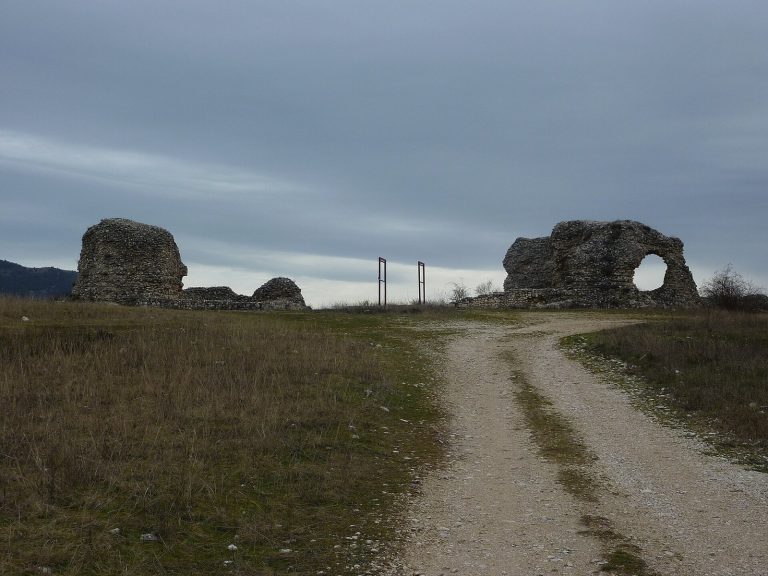
Peltuinum was an ancient Vestinian settlement that became a Roman urban center, administrative district seat, and control point on a transhumance…
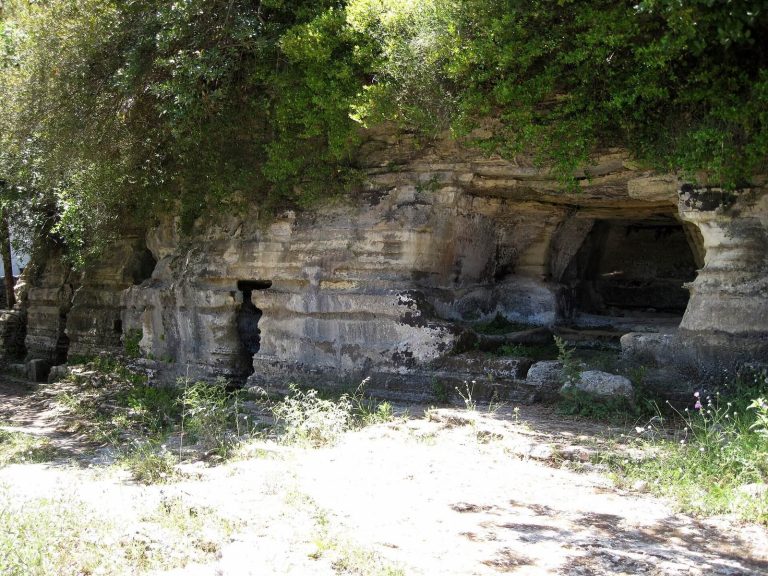
Ancient Lappa was a Cretan Greek city-state that prospered during the Hellenistic and Roman periods, survived Roman conquest and rebuilding, and…
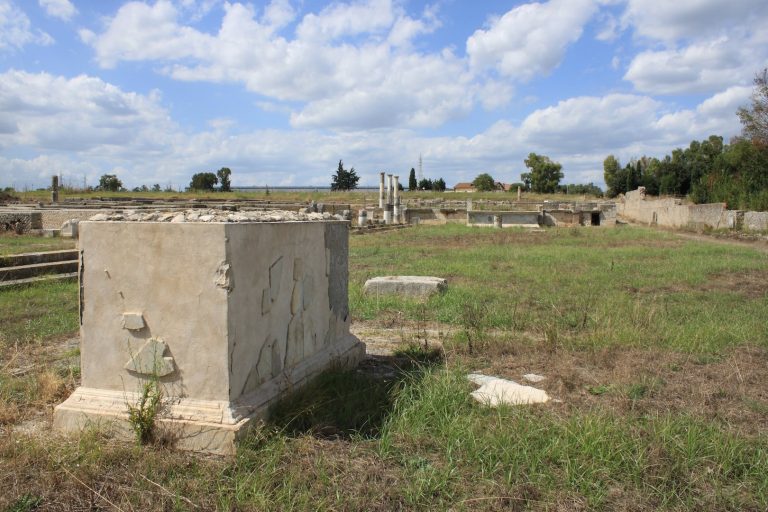
Lucus Feroniae began as a sacred grove of the Italic goddess Feronia and developed into a commercial, religious, and civic centre near Capena. Its…
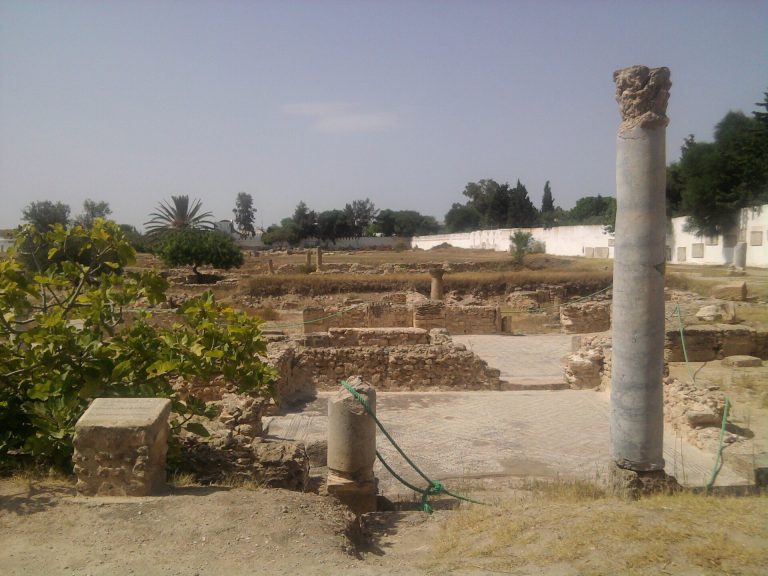
Pupput was a Roman settlement near modern Hammamet that developed from a first-century BC community into a municipium and later honorary colonia,…
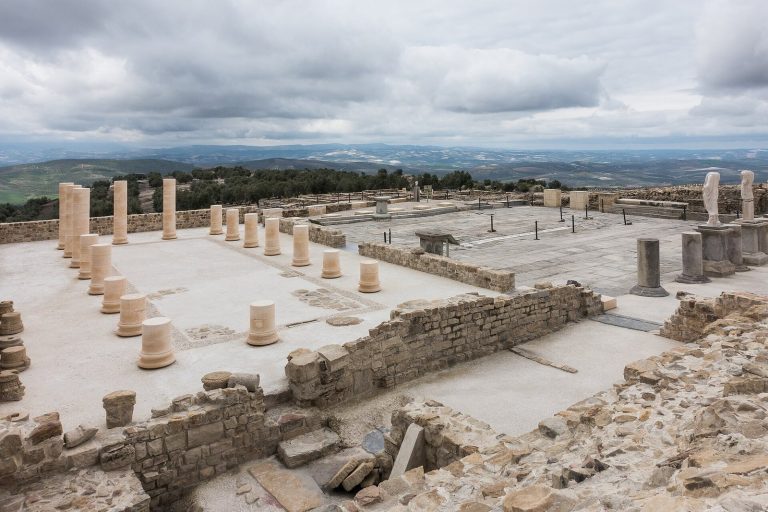
Torreparedones in Córdoba Province preserves evidence of more than 3,500 years of occupation, including an Iberian fortified settlement, Roman civic…
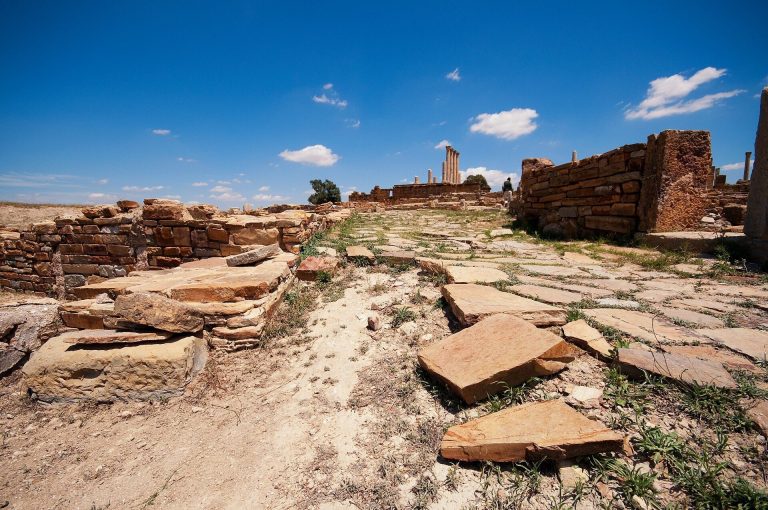
Thuburbo Majus began as a Libyco-Punic settlement and became a Roman veteran colony, municipium, and colony. Its excavated remains include temples,…
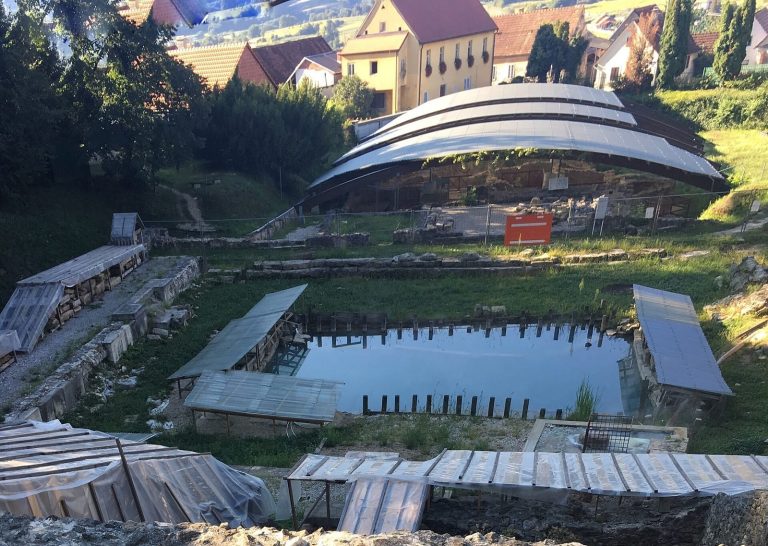
Aquae Iasae was a Roman thermal-healing settlement at Varaždinske Toplice, developed around sulfur-rich springs and used from the first to the fourth…
For details on how to use the maps, which sites are included, how popularity and ratings are determined, and how sites are classified, see the help page.
On this page5 sections
Streets, shops and public squares
Alba Fucens, beneath Monte Velino in central Italy, arranged its principal public buildings along a valley between hills. The Via Valeria formed one of the main urban routes, while the parallel Via dei Pilastri had porticoes and shops. A surviving pedestrian crossing and the repeated shop plans give the streets a recognisable working arrangement.
The forum, assembly building, basilica, market and baths occupied the same central district. The basilica served business and legal proceedings, distinct from the religious meaning the word acquired for Christian churches. Massive polygonal walls enclosed the surrounding hills as well as the inhabited valley, so the regular central plan occupied only part of a much larger defended area.
At Hippo Regius, in Algeria, Roman construction developed over an earlier Phoenician town. A broad paved street connected the former harbour district with the forum. The great square retains limestone paving and evidence of its surrounding porticoes, parts of which have been reconstructed. Houses in the former seafront quarter had colonnades and mosaic floors; later deposits changed the coastline, leaving that district inland.
Coastal towns and residential quarters
Side, on Turkey’s Mediterranean coast, preserves the close relationship between a theatre, shopping areas and public services. Its commercial agora stood immediately beside the theatre, with shops behind the surrounding colonnades. A semicircular public latrine occupied a corner of the square, with separate channels for drainage and washing water.
The city’s remains also include gates, baths and a large fountain building supplied by an aqueduct. Its standing theatre belongs mainly to Roman rebuilding of an earlier venue. Together, these structures show an urban centre supplied with water and connected by streets, rather than a single isolated entertainment building. Some columns and architectural elements have been re-erected during conservation.
Pollentia, near Alcúdia on Mallorca, has three principal excavated areas: the houses of Sa Portella, the forum and the theatre. The House of the Two Treasures preserves an atrium and entrance-portico columns, while shops occupied the quarter beside the forum’s temple. The theatre lay outside the original built-up area; most of its identifiable seating rows were cut directly into the rock. Later burials occupy parts of the former city.
Termessos: public buildings in the mountains
Termessos, above Antalya, occupies a high mountain platform enclosed by steep terrain. Its agora, theatre, odeon, gymnasium and cisterns fit within the available terraces. Five large cisterns beside the agora stored water, while the theatre stands immediately east of the square.
The theatre retains its Greek plan with Roman additions, including a larger stage building and a vaulted entrance. Nearby, the odeon’s stone walls survive to roof level. Earlier fortifications and buildings remain part of the settlement, so its Roman phase should be read as an adaptation of an established mountain city. The relationship between the public square, performance buildings and water storage is particularly clear within this constrained setting.
Laodicea: colonnaded streets and water distribution
Laodicea, near Denizli, contains colonnaded streets, large public squares, baths, two theatres and a stadium. Extensive restoration has reassembled parts of the West Agora and the West Theatre’s seating. Those works make the urban arrangement easier to follow, while requiring a distinction between standing ancient fabric and reconstructed elements.
The water system adds another part of the city’s layout. A pressurised pipeline crossed the valley before reaching distribution tanks on the city hill. Carved stone pipes, heavy mineral deposits and channels leading towards different districts survive. These remains connect the public buildings with the infrastructure needed to supply them.
Explore the collection
Open individual city articles through the map markers or grid entries. Use the country, popularity and rating filters to refine the results. The articles identify which districts are exposed and which buildings belong to earlier, Roman or later phases of the settlement.