Islamic Religious Sites: Explore Mosques, Madrasas and Mausoleums
Explore more than 600 Islamic religious sites, including courtyard mosques, domed prayer halls, madrasas, mausoleums and residential Sufi foundations. Examples extend from North Africa and the Middle East to Anatolia and Central Asia. Their surviving buildings bring prayer, teaching, burial and charitable services together in different arrangements, from a single hall to a complex of courts and accommodation.
Primary Function: All
Type: All
Civilization: All
Country: All
Popularity: All
Rating: All
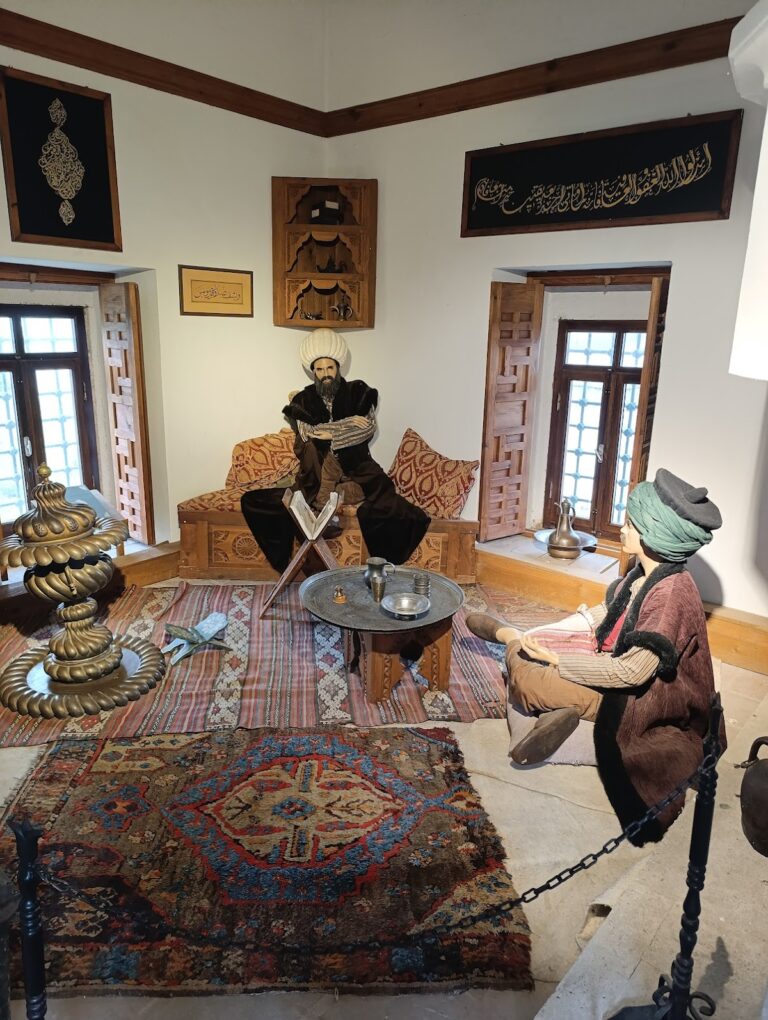
Built between 1484 and 1488, the Sultan Bayezid II Complex combined a mosque, medical school, hospital, bathhouse, and soup kitchen. Its Dar al-Shifa…
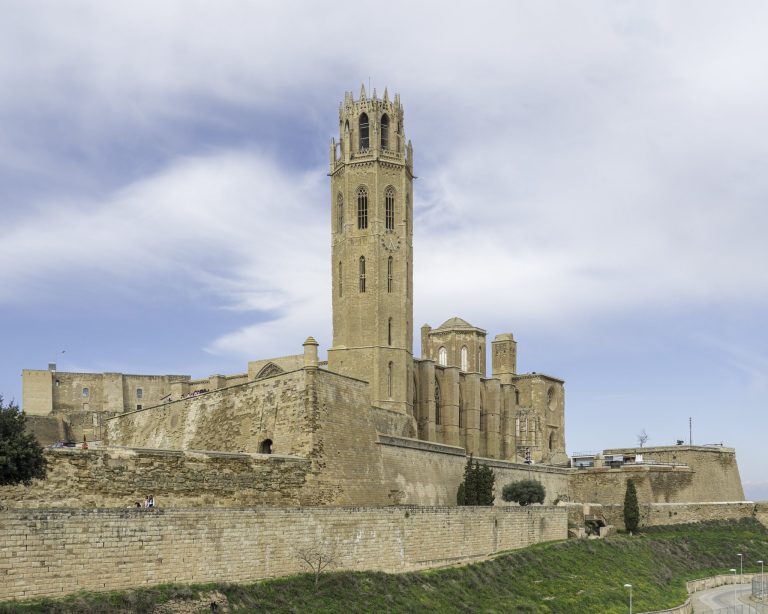
La Seu Vella is Lleida’s former cathedral, begun in 1203 on a hill with earlier Christian and Islamic religious buildings. Its cathedral, cloister,…
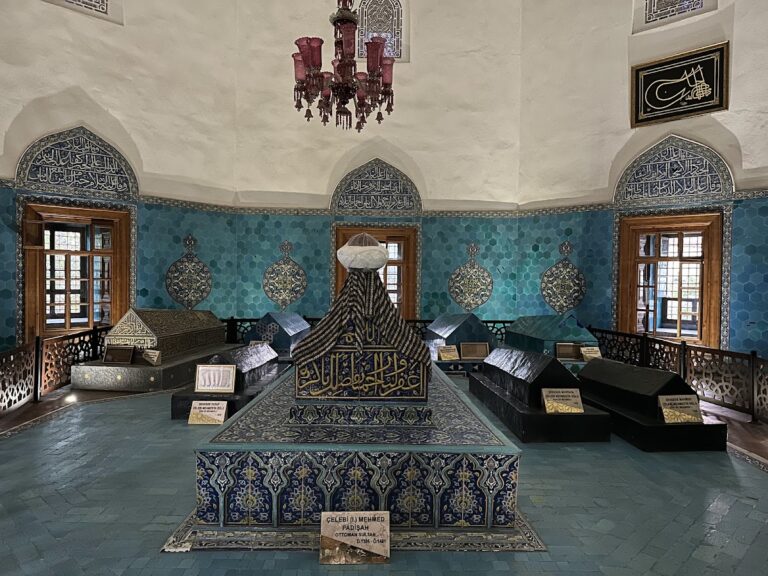
Yeşil Türbe is the 1421 Ottoman mausoleum of Sultan Mehmed I in Bursa, built by his son Murad II and known for its extensive turquoise tile…
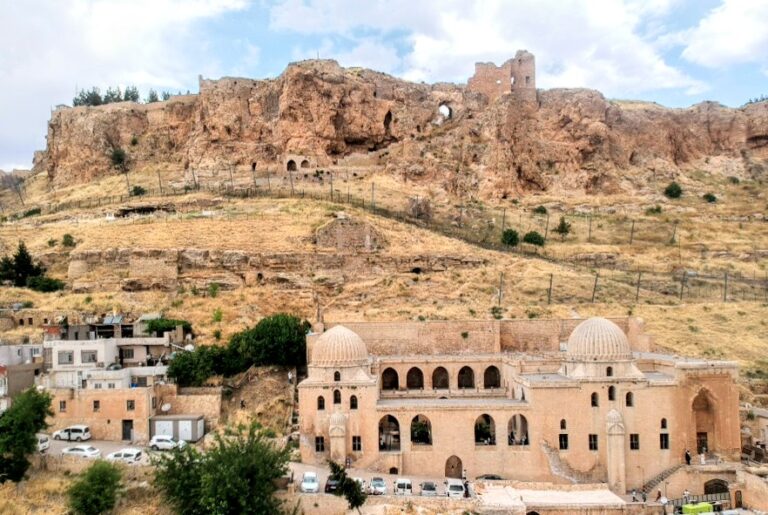
Mardin Zinciriye Medresesi is a 1385 Artuqid religious complex in Mardin, Türkiye, combining a madrasa, mosque, mausoleum, courtyards, and richly…
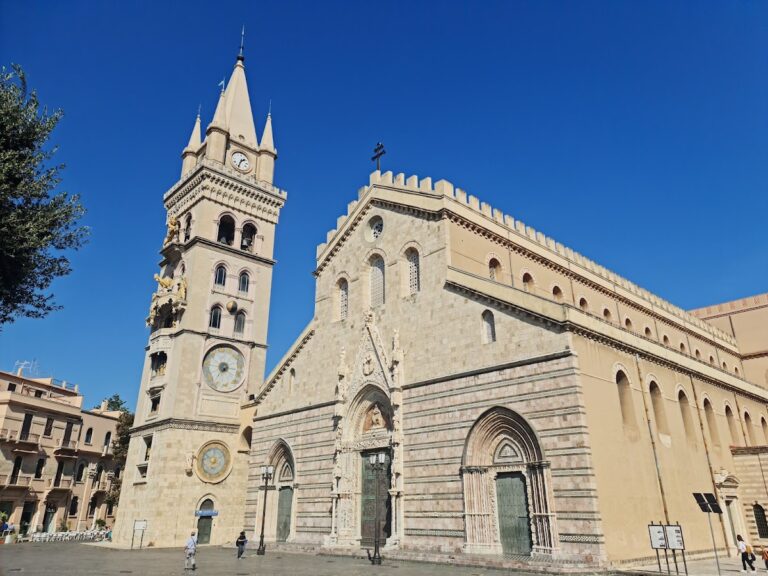
Messina Cathedral in Sicily developed from an early Christian foundation into the principal cathedral of the city’s archdiocese, undergoing repeated…
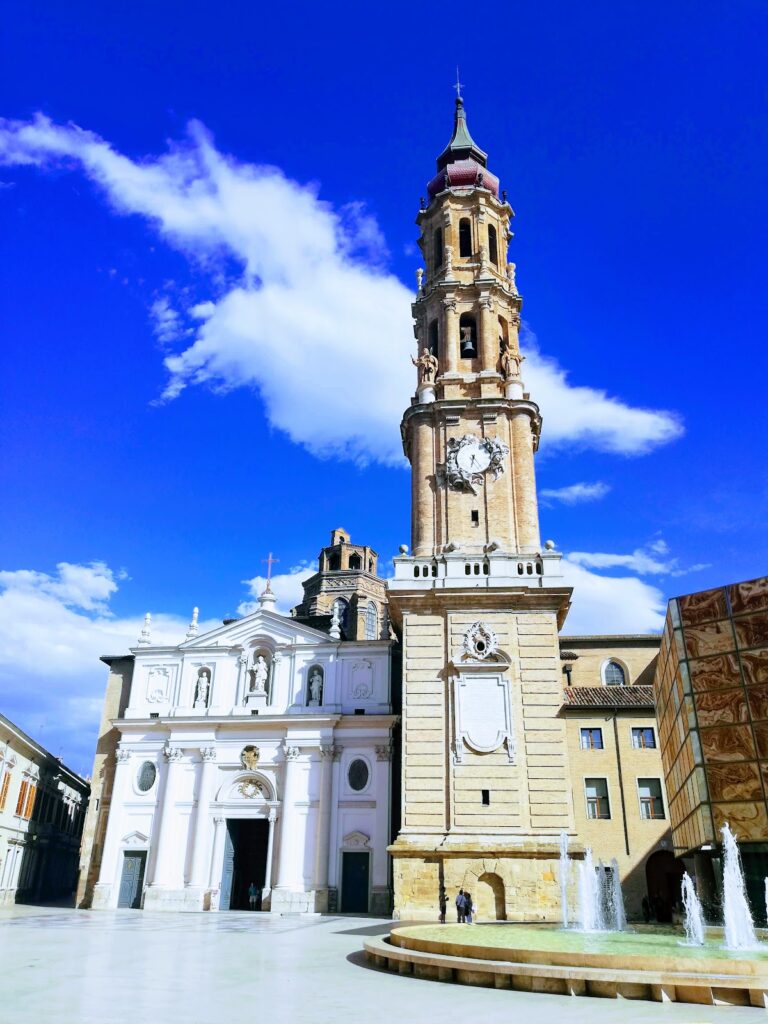
La Seo in Zaragoza occupies a religious site used successively by Roman, Visigothic, Muslim, and Christian communities. Its present five-nave…
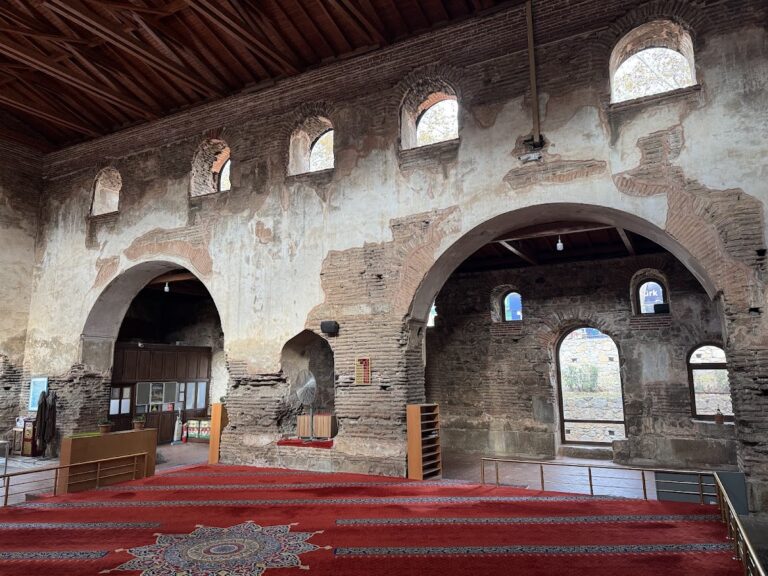
Hagia Sophia in Iznik developed from a Roman gymnasium into a Byzantine church, hosted the Second Council of Nicaea, and later became an Ottoman…
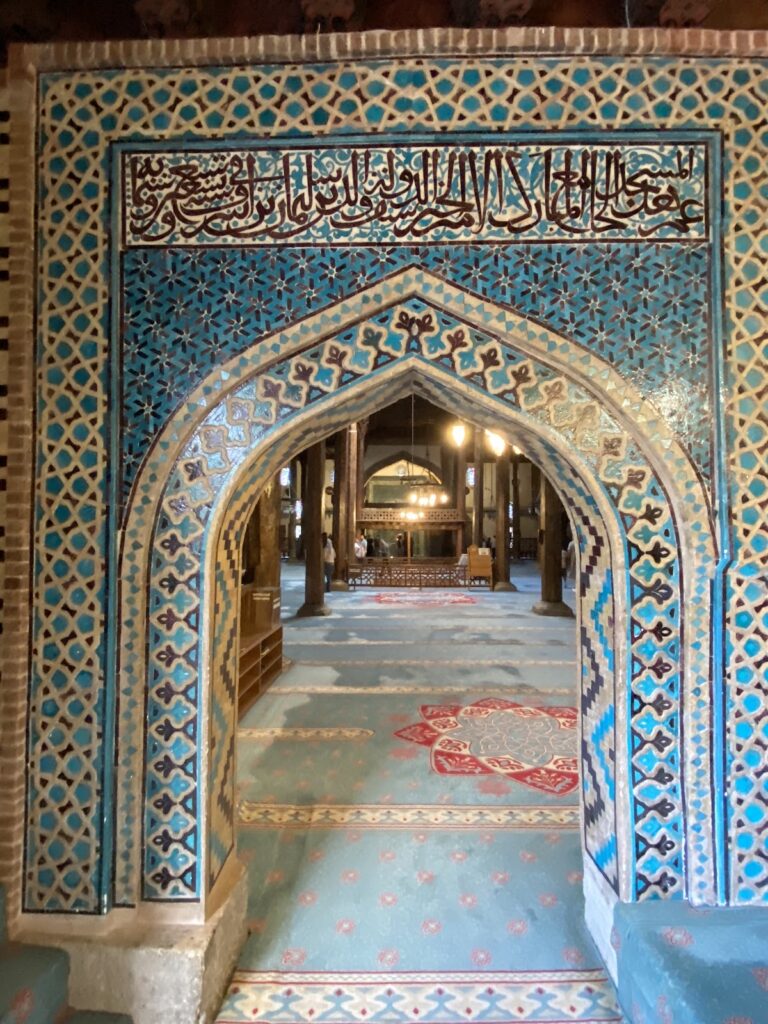
Eşrefoğlu Mosque in Beyşehir, Türkiye, was built between 1296 and 1299 for the Eşrefoğulları beylik. Its timber colonnade, Seljuk tile mosaics,…
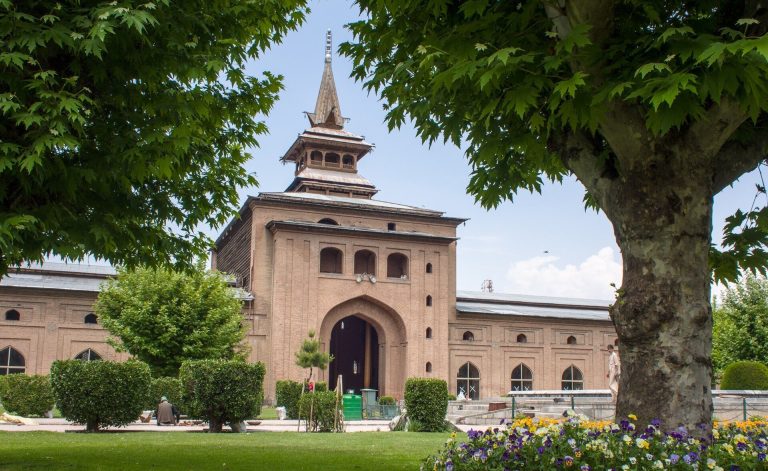
Jamia Masjid in Nowhatta, Srinagar, was founded in 1394 and completed in 1402. It has served as a major religious, educational, and political…
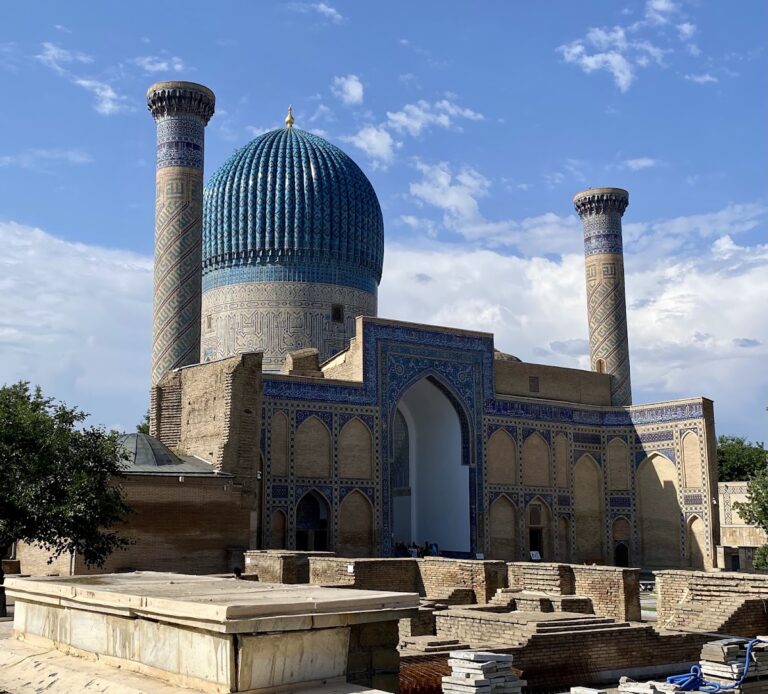
Gur-e Amir is a Timurid mausoleum in Samarkand, Uzbekistan, begun in 1403 for Muhammad Sultan and later transformed into the burial place of Timur…
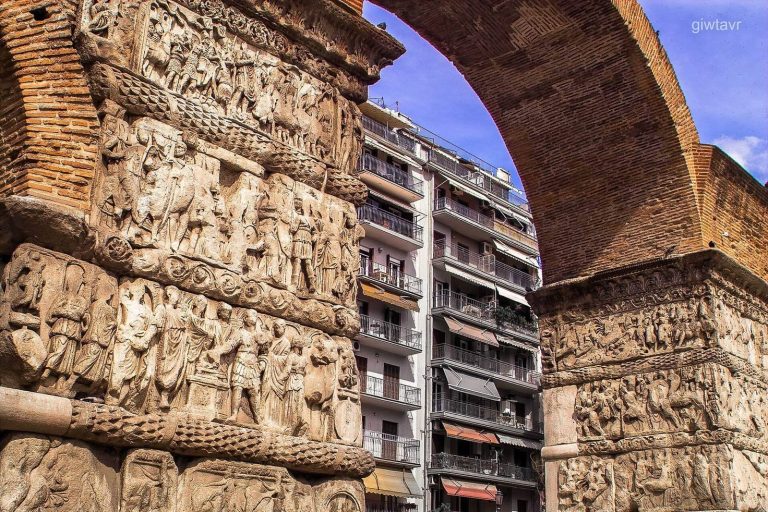
Built around AD 306 as part of Galerius’s imperial complex, the Rotunda later became a Christian church, an Ottoman mosque, and a protected monument…
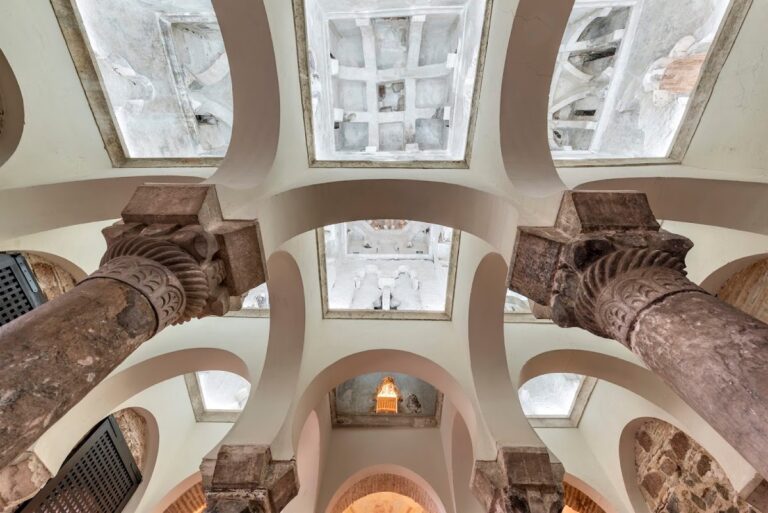
The Mosque of Cristo de la Luz in Toledo preserves evidence of Roman, Visigothic, Islamic, and Christian phases, including a mosque completed in 999…
For details on how to use the maps, which sites are included, how popularity and ratings are determined, and how sites are classified, see the help page.
On this page5 sections
Courtyard mosques and domed prayer halls
The Great Mosque of Samarra in Iraq preserves the brick perimeter and spiral minaret of a vast ninth-century Abbasid foundation. An external ramp winds around the minaret, giving the tower its distinctive form. Within the enclosure, the roofed prayer hall and surrounding arcades have largely disappeared, but the surviving walls establish the extent of the mosque and its courtyard.
At the Üç Şerefeli Mosque in Edirne, Turkey, a large central dome covers the main part of the prayer hall, with smaller domes above the side spaces. An arcaded courtyard precedes the building. Four minarets rise around it, differing in their ornament and number of balconies. This fifteenth-century Ottoman mosque preserves a more concentrated interior than the broad, repeated aisles of the earlier Samarra plan.
Madrasas, student rooms and teaching courtyards
The Ben Youssef Madrasa in Marrakesh, Morocco, has a decorated central courtyard with a shallow pool and a prayer hall at the far end. Behind the principal galleries, small courtyards admit light to rows of student rooms on two levels. Those residential areas form a large part of the building, beyond its better-known marble, carved plaster and cedar decoration. The standing complex chiefly belongs to a sixteenth-century Saadian rebuilding.
The Ulugh Beg Madrasa in Bukhara, Uzbekistan, was founded in 1417. Its tall entrance portal leads through a covered passage into a courtyard lined with rooms. A mosque and a domed classroom occupy opposite sides near the entrance, making their different functions apparent in the plan. Glazed brick and tilework decorate the façade and courtyard, with original areas surviving alongside later repairs and replacement facing.
Mausoleums and endowed religious complexes
At Gur-e Amir in Samarkand, Uzbekistan, a tall fluted dome rises above an octagonal mausoleum. Blue glazed surfaces cover the exterior, while the chamber below contains painted and gilded decoration above stone wall panels. Memorial stones in the main chamber mark burials placed in the crypt beneath it. The surrounding madrasa and Sufi building survive chiefly as excavated remains, leaving the mausoleum as the principal standing structure.
The Sultan Qaytbay Complex in Cairo, Egypt, places a royal tomb beside a mosque and other endowed facilities. A public water dispensary occupied the ground floor near the entrance, with a school above it. The minaret, carved entrance and domed mausoleum rise together above the surrounding cemetery. The arrangement joins commemoration of the patron with prayer, education and the supply of water.
Khanqahs and residential Sufi foundations
The Mosque and Khanqah of Faraj ibn Barquq, also in Cairo, was designed around a broad courtyard with accommodation for Sufi residents. The prayer hall occupies one side, with large domed mausoleums at its corners. Residential ranges, entrances and water-and-school facilities complete a nearly symmetrical arrangement.
The complex was built in the early fifteenth century on an open site in the Northern Cemetery. Its generous plan allowed the living quarters, prayer spaces and tombs to be grouped within one enclosure. Later repairs altered parts of the minarets and other details, while the main organisation of the foundation remains readable.
Explore the collection
Explore sites on the map or in the grid. Map icons indicate each site’s primary function, helping you identify different kinds of places at a glance. Narrow the results by country, site type, civilization or era, with additional filters for popularity and rating. Select a map marker to view the site’s details and open its article, or open the article from its grid entry.