Historic Sites in Turkey: Explore Ancient Cities, Fortresses and Palaces
Explore more than 400 historic sites in Turkey, including prehistoric settlements, ancient cities, fortresses, palaces, churches and mosques. Among the examples are closely packed houses at Çatalhöyük, a Hittite gateway, Roman streets and residences at Ephesus, and an Ottoman fortress beside the Bosphorus. Palace courtyards and domed religious buildings show other forms of architecture represented across the collection.
Primary Function: All
Type: All
Civilization: All
Popularity: All
Rating: All
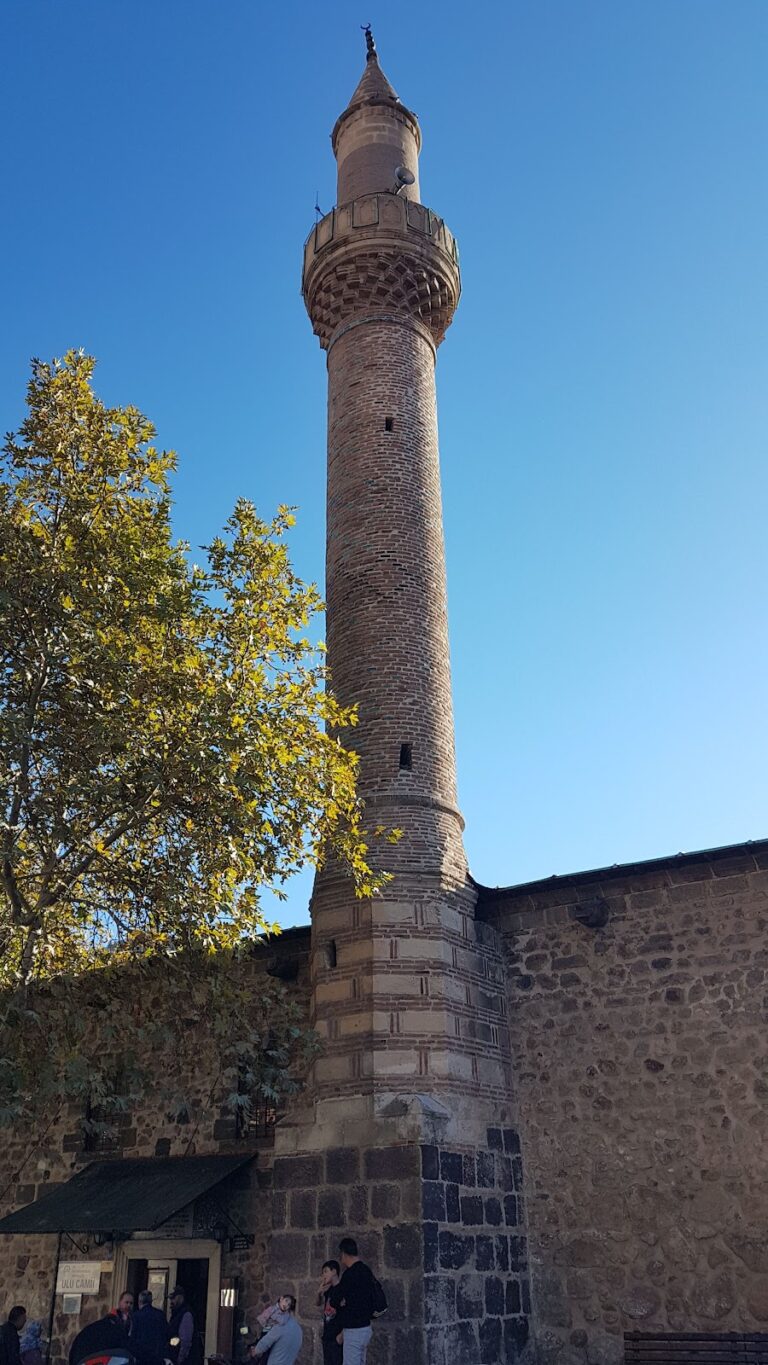
Afyonkarahisar Grand Mosque is a thirteenth-century mosque associated with the Sahib Ataoğulları principality. Its wooden roof, rows of columns,…
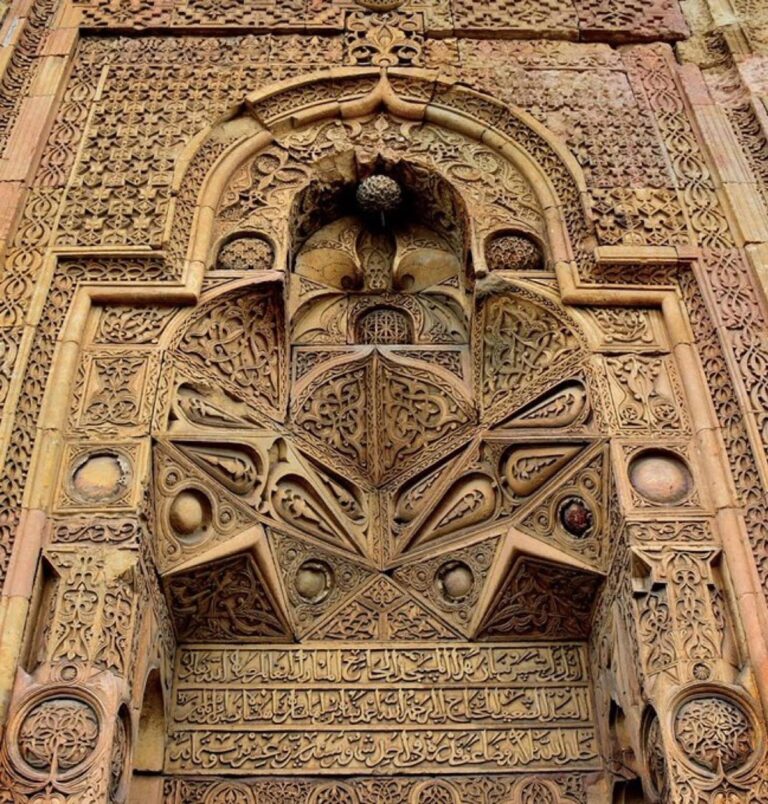
Built in 1228–1229 under the Mengujekid dynasty, Divriği Great Mosque and Hospital combines a Friday mosque, a medical institution, and richly carved…
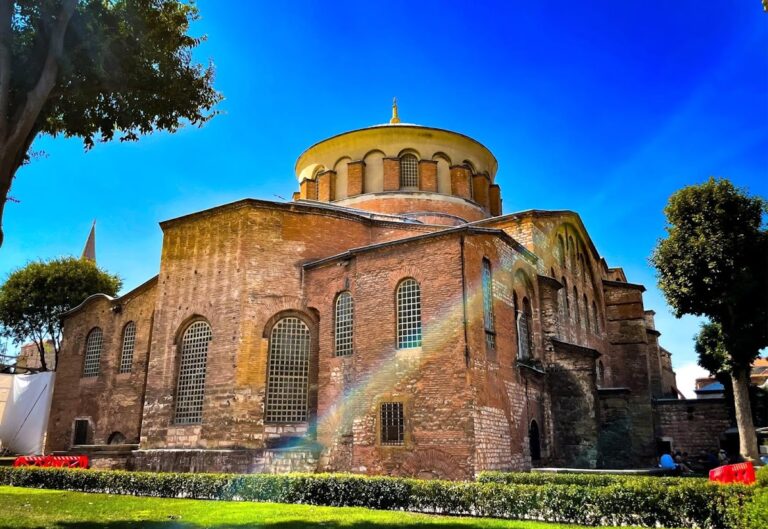
Hagia Irene is an early Byzantine church in Istanbul whose history spans Constantinople’s first cathedral, Justinianic rebuilding, Iconoclast…
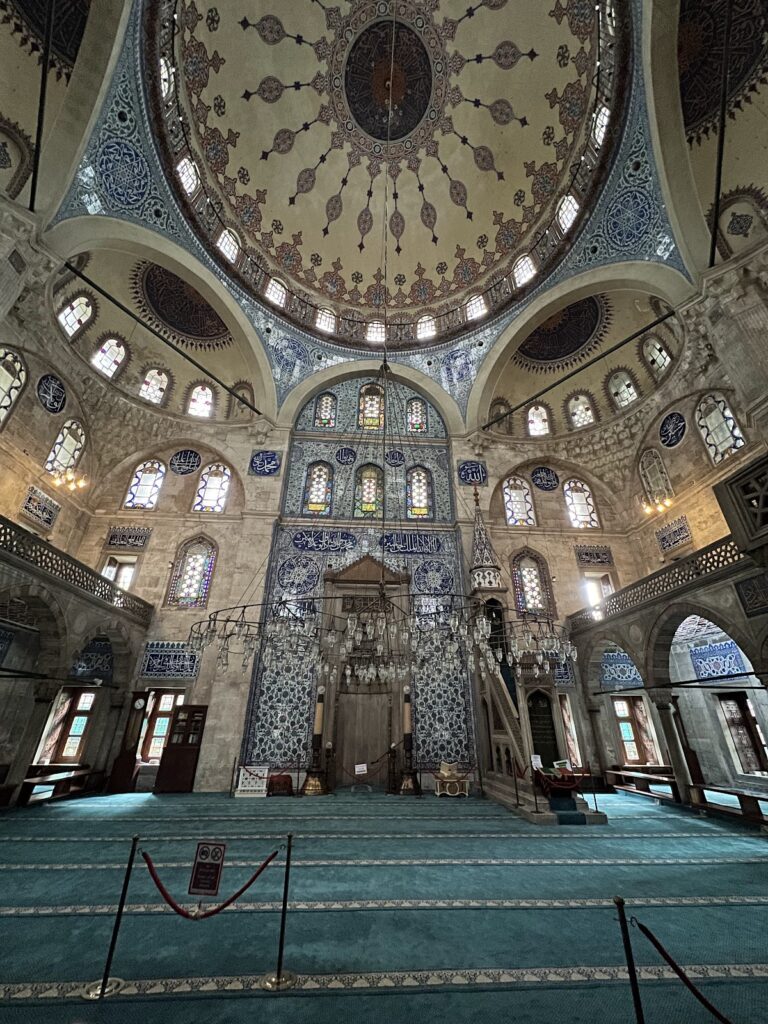
Sokollu Mehmed Pasha I Mosque is a sixteenth-century Ottoman mosque in Istanbul, designed by Mimar Sinan and completed in 1571–72 as part of a…
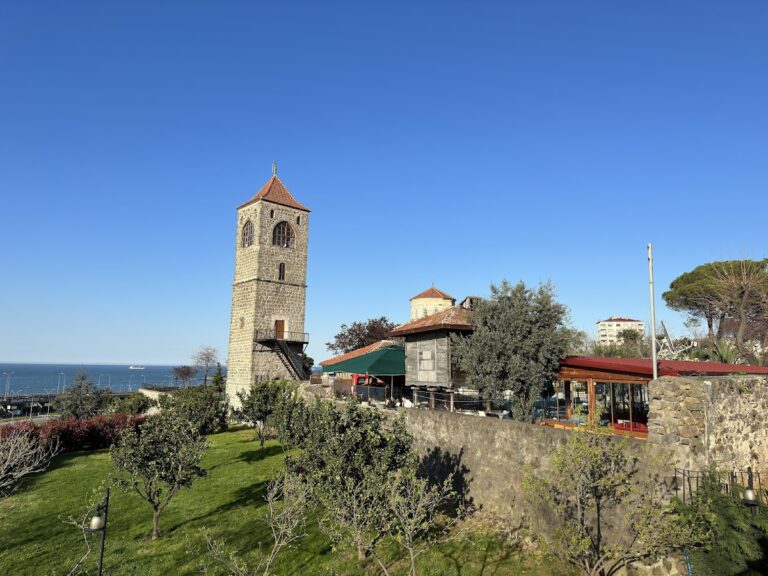
Hagia Sophia in Trabzon is a thirteenth-century church of the Empire of Trebizond, later converted into a mosque and museum. Its cross-domed…
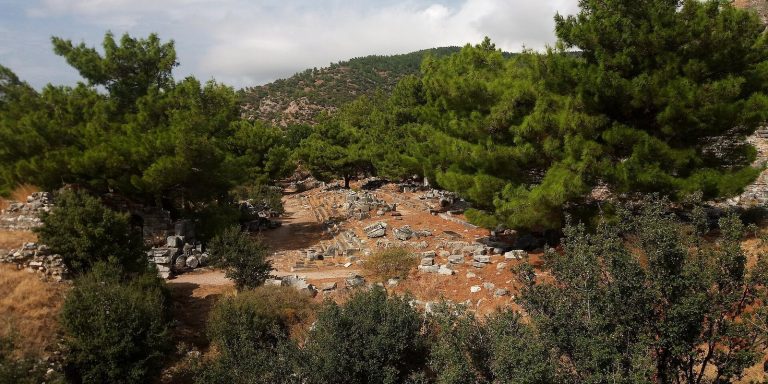
Priene was an Ionian Greek city-state with a long history from the eleventh century BCE through the Byzantine period. Its excavated remains preserve…
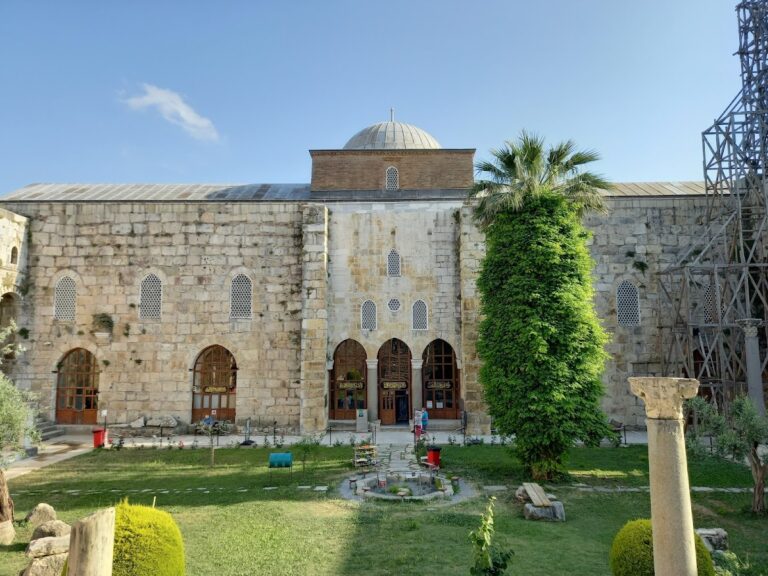
Built in 1374–1375 under the Aydinid emirate, İsa Bey Mosque is an important surviving example of pre-Ottoman religious architecture at historic…
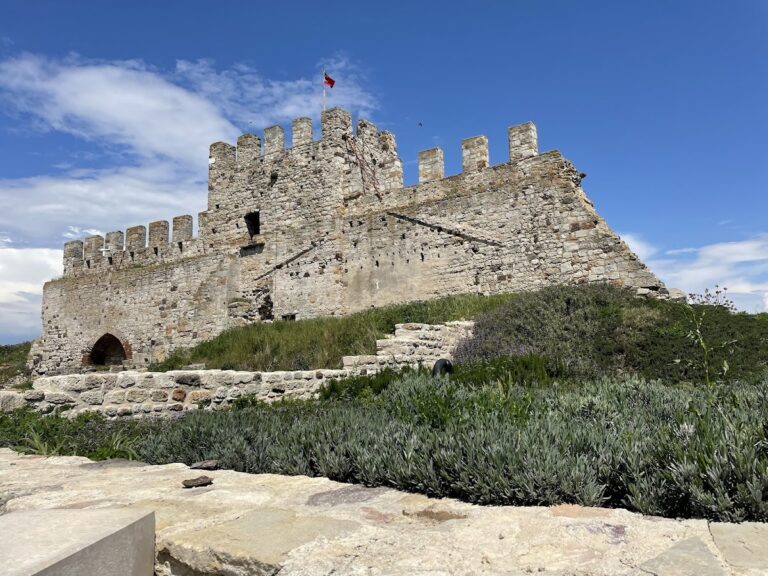
Enez Castle is an ancient fortress at the mouth of the Maritsa River, shaped by Byzantine and Ottoman use and preserving a church-mosque, harbor…
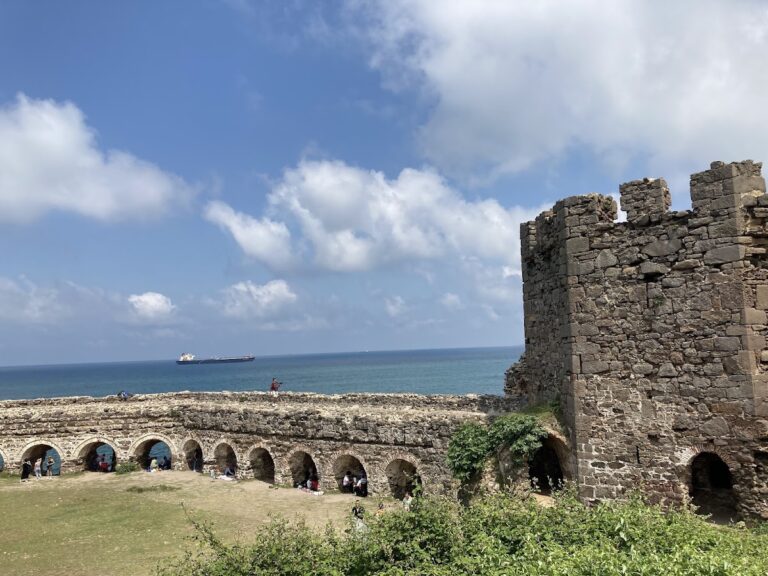
Rumelifeneri Castle is a ruined military fortress at the European end of the Bosphorus, where the strait meets the Black Sea. Its uncertain origins,…
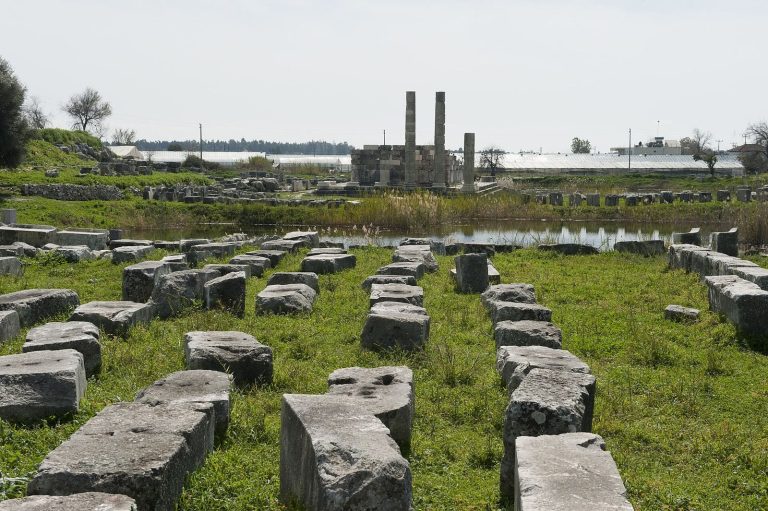
Letoon was the principal sanctuary of Leto in ancient Lycia and a shared religious center of Xanthos and the Lycian League. Its temples, theatre,…
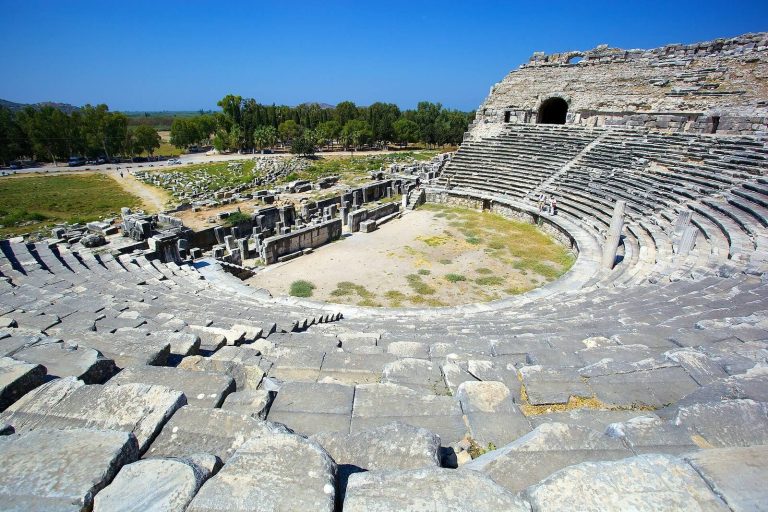
Miletus was a major Ionian city on the western coast of Anatolia, known for its colonies, philosophers, harbors, sanctuaries, planned urban layout,…
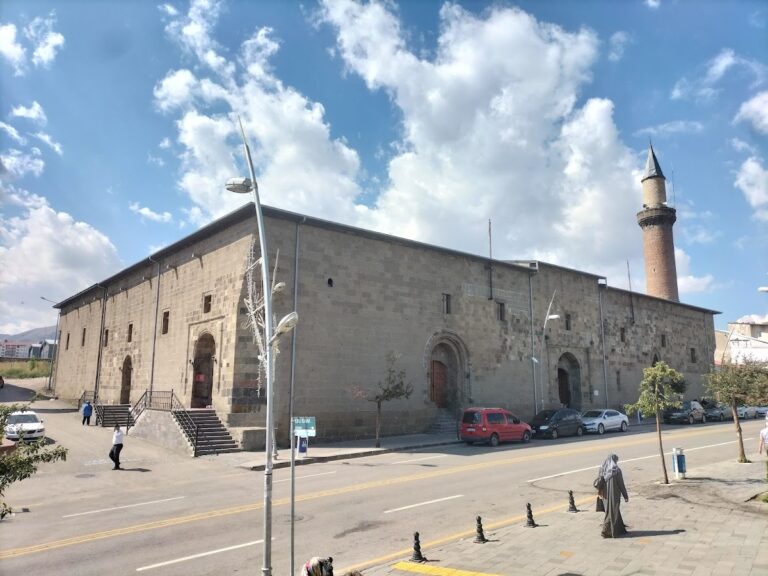
Erzurum Mosque, also known as Erzurum Grand Mosque, is a major 12th-century Saltuklu monument whose history reflects the development of Turkish rule…
For details on how to use the maps, which sites are included, how popularity and ratings are determined, and how sites are classified, see the help page.
On this page6 sections
Prehistoric settlements and houses
At Çatalhöyük in central Anatolia, successive generations built houses over earlier buildings, gradually creating deep settlement mounds. The excavated neighbourhoods preserve tightly packed houses with little space for streets between them.
Many houses were entered through roof openings, and movement probably took place across the roofs. These openings also helped ventilate interiors containing hearths and ovens. The arrangement differs from the street-based plans of many later towns.
City gates and waterside fortresses
The Lion Gate at Hattusa belonged to the outer defences of the Hittite capital. Two towers flanked a central gate chamber, with monumental sculpted lions at the exterior entrance.
Large stone blocks formed the lower towers and doorway. The surviving structure includes modern conservation work, including the reconstruction of a missing lion’s head.
Rumelihisarı occupies the European shore of the Bosphorus opposite Anadoluhisarı. Mehmed II commissioned it before the Ottoman siege of Constantinople to restrict supplies and military assistance reaching the city by water.
Three principal towers and smaller watchtowers are linked by defensive walls following the hillside. The northern principal tower alone has walls about seven metres thick. The position beside the narrow waterway explains both the fortress’s purpose and the concentration of masonry along its slopes.
Ancient cities, libraries and residences
Ephesus preserves a large ancient urban site between the hills near Selçuk. Streets connected civic spaces, residential districts and the harbour. As river sediment accumulated, the shoreline moved westward, leaving the ancient harbour inland.
The Library of Celsus was commissioned in the early second century AD in memory of a Roman provincial governor. His sarcophagus lay beneath the building. Nearby, the Terrace Houses contain courtyards, mosaic floors, wall paintings and marble panelling from wealthy Roman residences.
The houses occupy terraces on a hillside opposite the Temple of Hadrian. Some remained in use into late antiquity, with successive alterations to their rooms and decoration.
Palaces and courtly residences
Topkapı Palace in Istanbul grew from the palace commissioned by Mehmed II after the conquest of Constantinople. It consists of courtyards, pavilions, gardens, service buildings and residential quarters, rather than one large symmetrical block.
Four principal courtyards organize the main approach through the complex. Successive additions accommodated court life and government, while the palace’s position overlooks the Golden Horn, Bosphorus and Sea of Marmara.
Ishak Pasha Palace in eastern Turkey follows a related sequence of outer and inner courts in a mountain setting. Service rooms and stables occupied the outer court; the inner court led towards reception rooms, a mosque and residential spaces.
Its walls rise above steep slopes near Doğubeyazıt. The courtyards and private quarters fit within a comparatively compact enclosure on the rocky spur, overlooking the former settlement and the route towards Iran.
Byzantine churches and Ottoman mosques
Hagia Sophia in Trabzon is a thirteenth-century church associated with the Empire of Trebizond. Its cross-shaped arrangement centres on a domed space, with a windowed drum above the crossing. It later became a mosque.
The Süleymaniye Mosque in Istanbul was built for Suleiman I by the architect Sinan between 1550 and 1557. A large central dome and adjoining semi-domes cover the prayer hall, while galleries help incorporate the supporting buttresses into the exterior.
The mosque was part of a wider foundation containing schools, a hospital, a public kitchen and other buildings. Its plan therefore extended beyond the prayer hall to facilities serving education, accommodation and daily needs.
Explore the collection
Explore sites on the map or in the grid. Map icons indicate each site’s primary function, helping you identify different kinds of places at a glance. Narrow the results by primary function, site type, civilization or era, with additional filters for popularity and rating. Select a map marker to view the site’s details and open its article, or open the article from its grid entry.