Enez Castle: An Ancient Fortress on Türkiye’s Aegean Coast


Site at a Glance
- Rating
- 4.3
- Popularity
- Medium
- Country
- Turkey
- Primary era
- Medieval
- Eras represented
- Medieval, Early Modern
- Civilizations
- Byzantine, Ottoman
- Site type
- Military
- Remains
- Castle
On this page7 sections
History
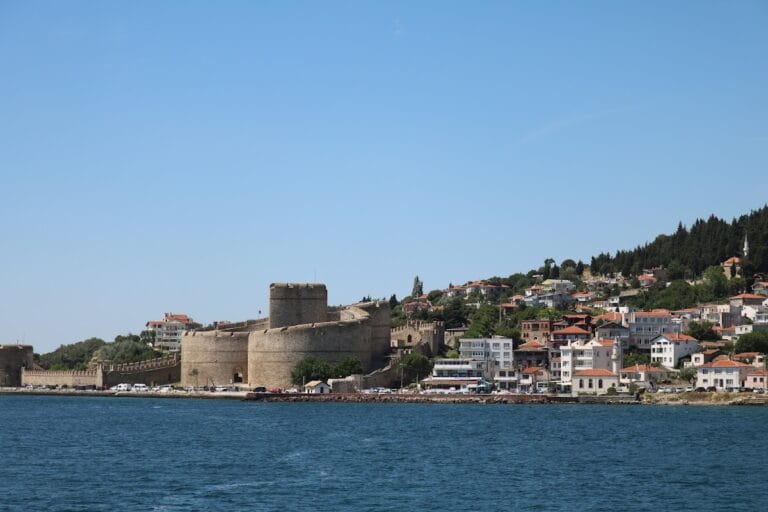
Enez Castle is an ancient fortress in Türkiye, positioned where the Maritsa River reaches the Aegean Sea. Its construction date is uncertain, although reused architectural materials in the walls suggest that parts of the fortress may predate the Byzantine period, the medieval Eastern Roman Empire. The castle is thought to have been built to help prevent incursions by groups arriving from the Balkans.
Byzantine and Ottoman Phases
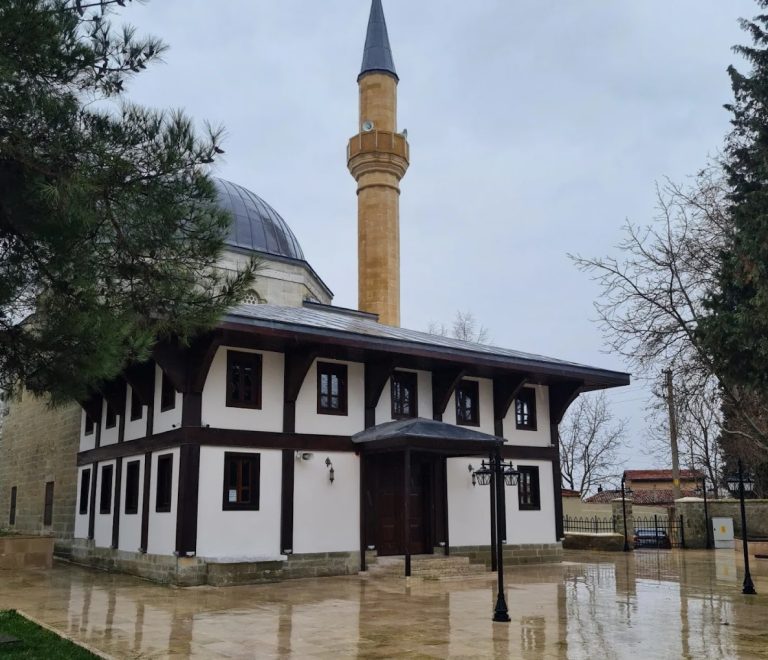
In the sixth century, the Eastern Roman emperor Justinian ordered repairs to the fortress as part of the wider repair and construction works carried out during his reign. The castle later remained in use under the Ottoman Empire, which ruled much of southeastern Europe and Anatolia. Pointed Ottoman arches within the complex indicate this later phase of use.
Enez Ayasofyası
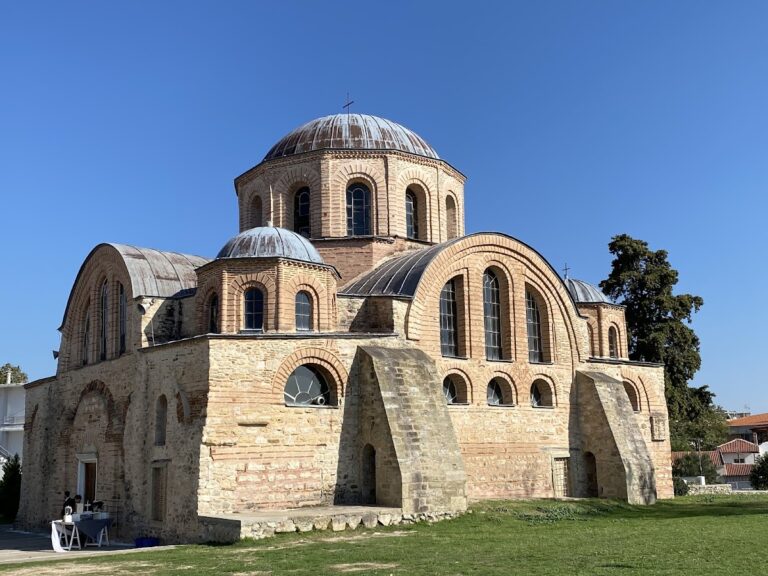
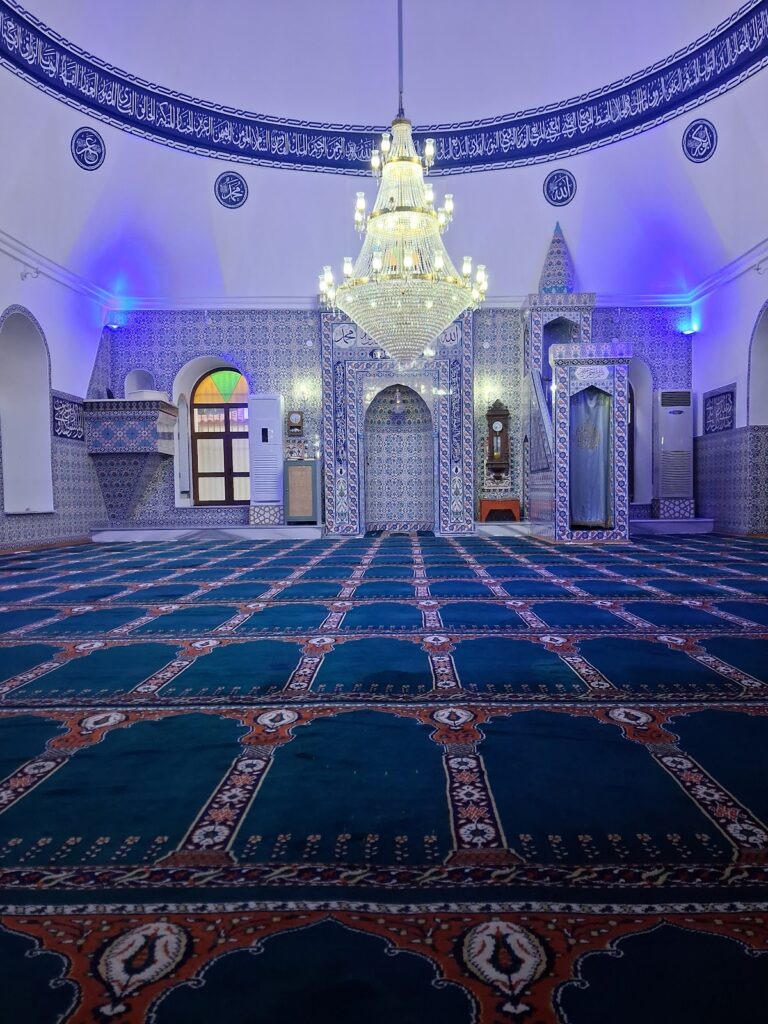
A large basilica, a church type with a longitudinal layout, was built within the castle in the twelfth century. It was converted into a mosque in 1455 and became known as Enez Ayasofyası or Fatih Mosque. The building was destroyed in the 1965 earthquake and subsequently abandoned. Restoration and reconstruction began in 2016, and the building was opened for worship and visitation in 2021.
Remains
Fortifications and Entrance
The castle extends along a northwest-southeast axis, with its main entrance on the northeast side. Beside the monumental gate, a white-marble depiction of a Thracian cavalryman is set into the wall. Thracians were ancient peoples of the Balkan region, and the mounted warrior represents that cultural tradition. On the sea-facing side, two fortification walls run from the castle toward the sea, protecting the harbor. The walls contain dressed stone, brick, and fragments of ancient architecture reused in their construction.
Church-Mosque
Enez Ayasofyası stands at the highest point of the castle’s southeastern end. Measuring 21 by 38 meters, it has a Greek-cross plan, meaning that its four arms are approximately equal in length. The church was among the large buildings of its period, and its construction is of high quality, comparable to contemporary buildings in Istanbul. Wall paintings from both the Byzantine and Ottoman periods survive inside the church-mosque.
Chapel Cave
A small cave within the castle served as a chapel and has a richly mosaicked floor. Reliefs depicting mythological subjects once decorated its walls; these reliefs were removed and are held at the Edirne Museum.