Historic Sites in Norway: Explore Stave Churches, Royal Castles and Palaces
Explore more than 100 historic sites in Norway, including timber stave churches, stone cathedrals, royal halls, fortresses and palace interiors. Religious buildings form the largest group in the collection. The examples below show medieval timber construction, masonry around a pilgrimage shrine and royal accommodation within fortified enclosures, alongside Oslo’s later palace rooms.
Primary Function: All
Type: All
Civilization: All
Popularity: All
Rating: All
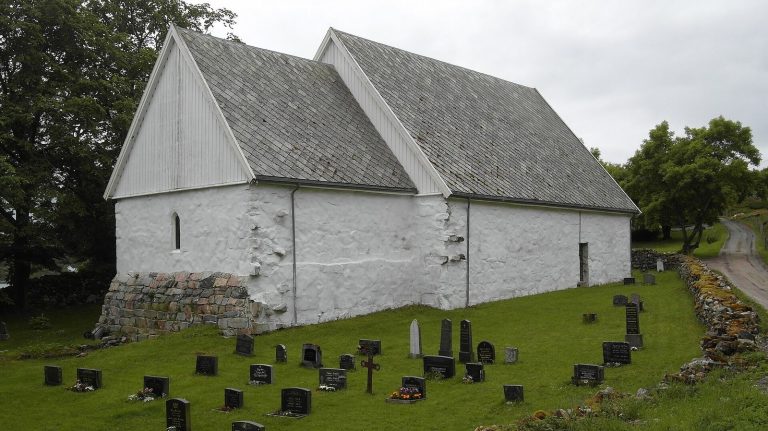
Dolm Church is a medieval stone church on Dolmøya, traditionally dated to around 1188. It served as the main church of the Hitra parish district for…
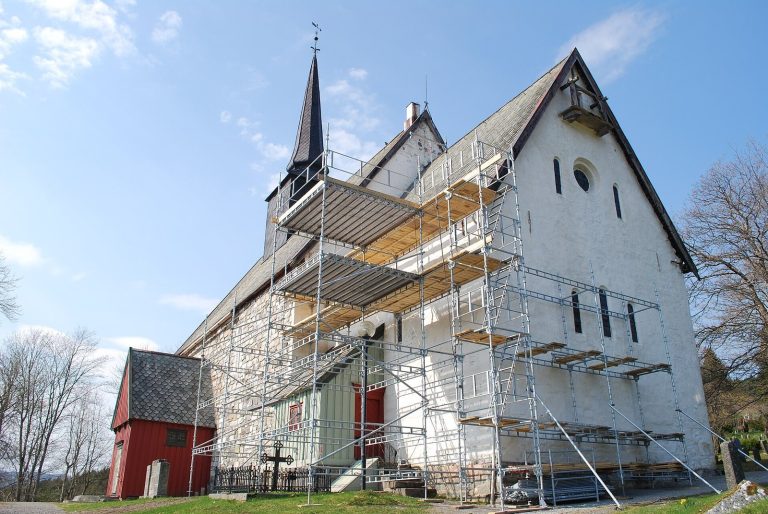
Tingvoll Church is a twelfth-century Romanesque stone church whose history connects a former pre-Christian assembly place with Norway’s…
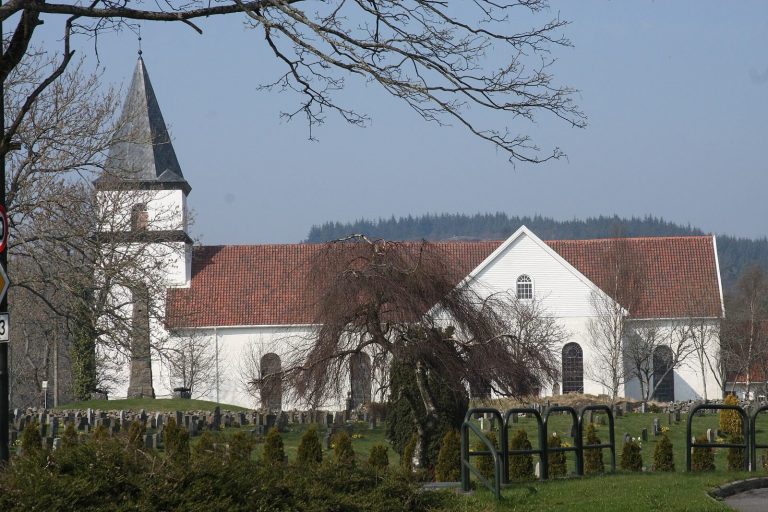
Vanse Church, historically known as Lista Church, is a medieval stone parish church in Farsund Municipality. Its history includes uncertain early…
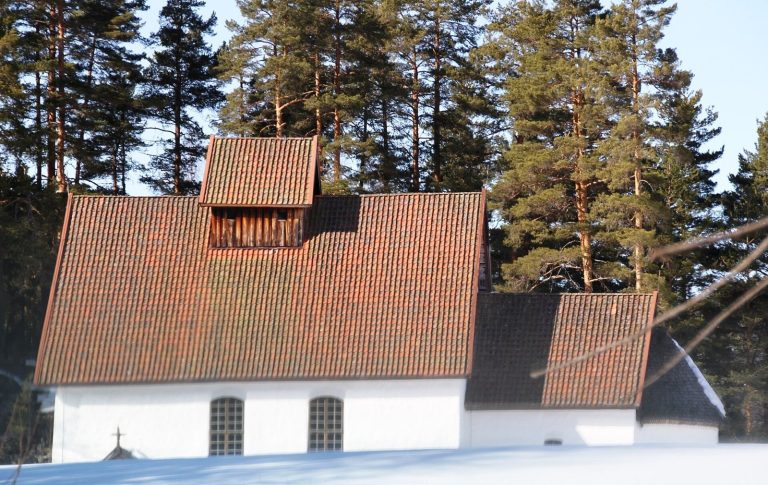
Kviteseid Old Church is a medieval Romanesque stone church that served as the main parish church of Øvre Telemark for about 700 years. Its restored…
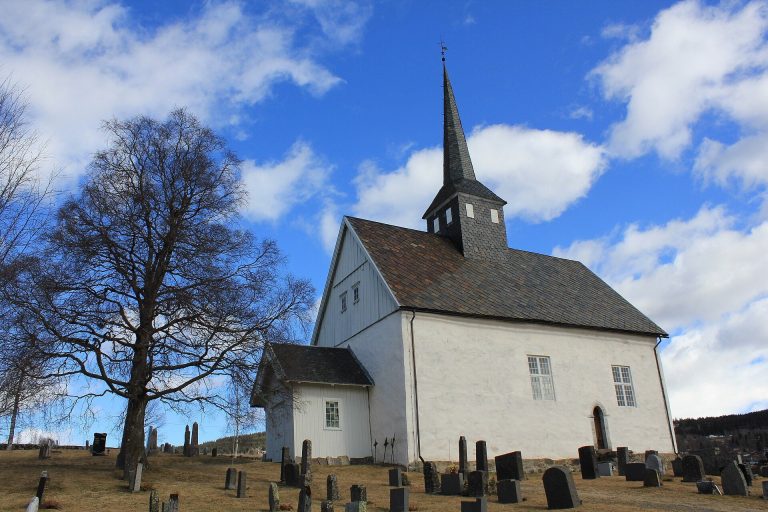
Follebu Church is a Gothic stone parish church consecrated in 1260 and still used by the Church of Norway. Its thick masonry, later additions, and…
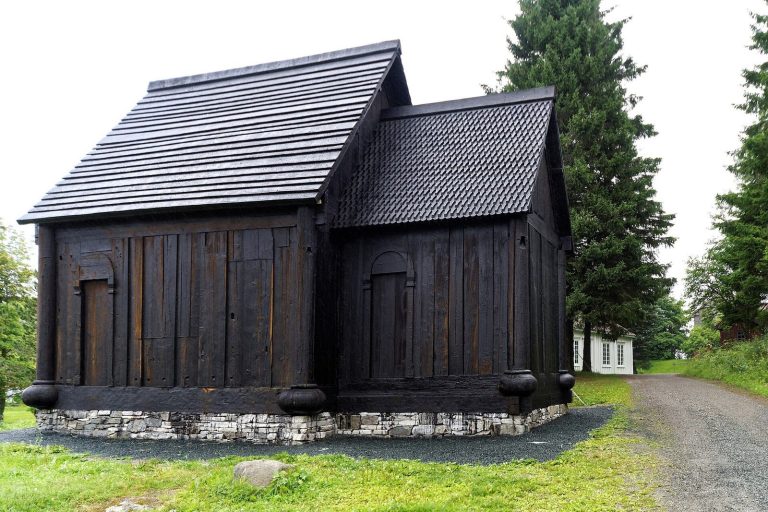
Haltdalen Stave Church preserves original medieval timber from around 1170 and represents a simple Norwegian stave-church type. Relocated to…
Håøya Fort guarded the entrance to Vestfjord and helped protect the Norwegian Navy port at Melsomvik. Built between 1892 and 1894, it later served…
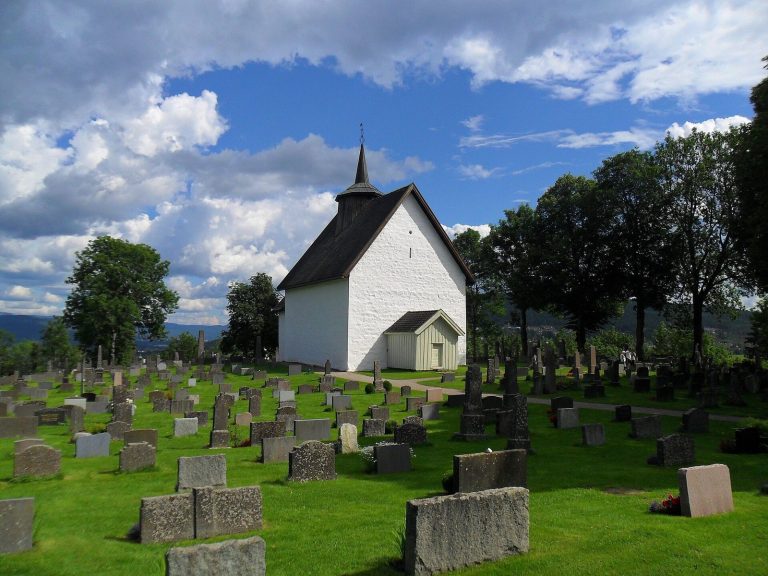
Old Bø Church is a 12th-century stone church in Bø, Norway, preserved as a museum after serving as the parish church until a replacement was built in…
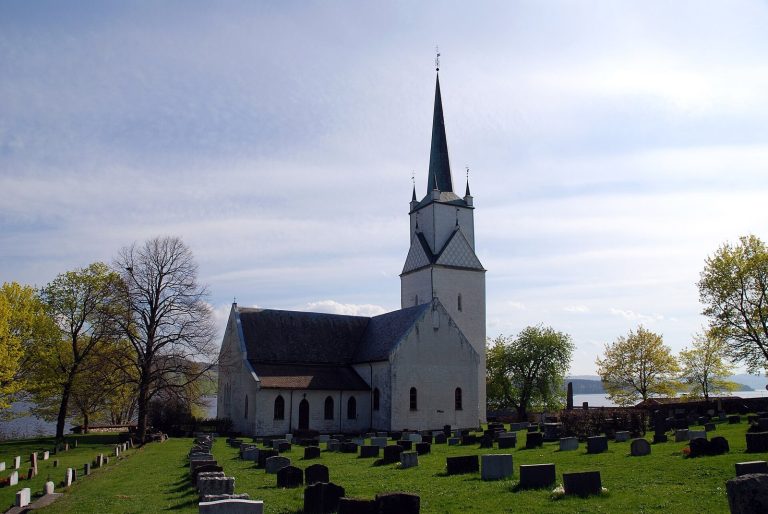
Nes Church in Norway developed from an eleventh-century wooden church into a limestone medieval church, later enlarged, rebuilt after fires, and…
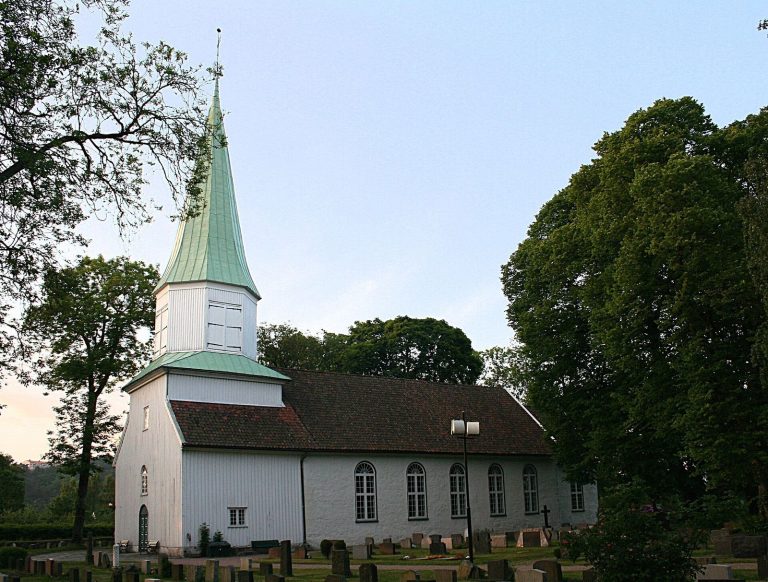
Oddernes Church in Kristiansand is a medieval Romanesque stone church with a history reaching back to the eleventh century. Its later extensions,…
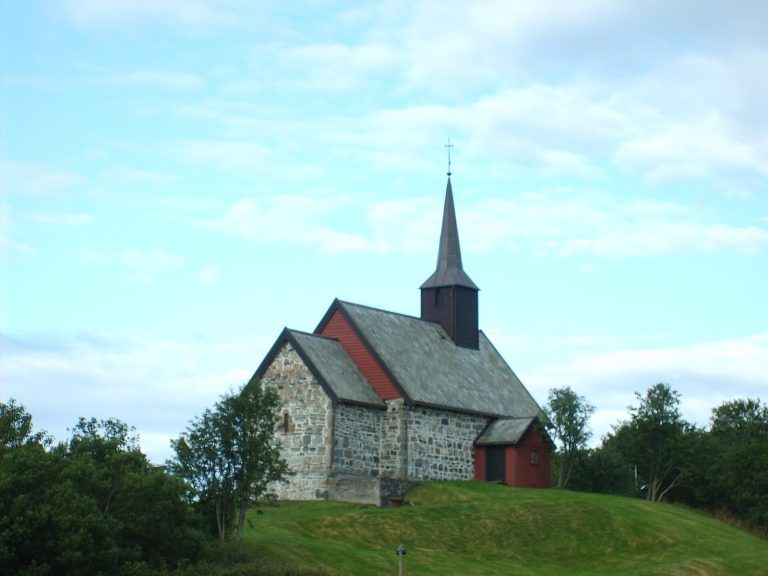
Old Edøy Church on Edøya is a medieval stone church established in the twelfth century, later altered, damaged by fire, and rebuilt after the Second…
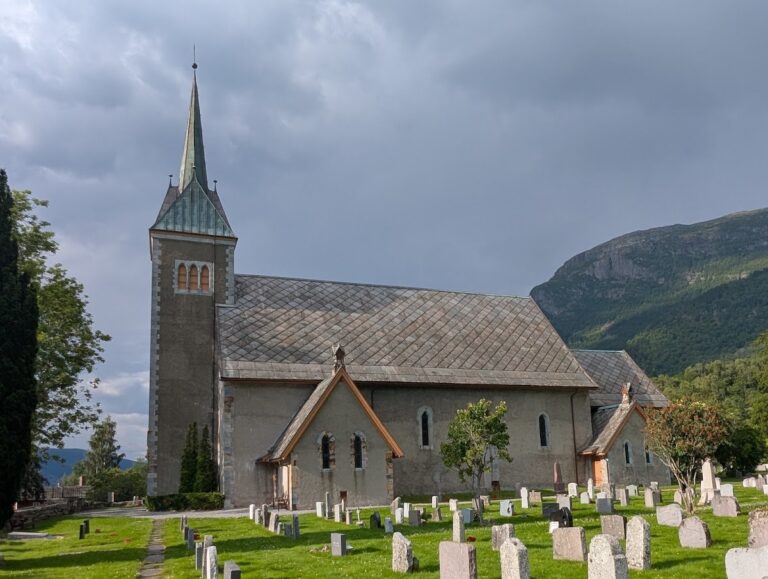
Ullensvang Church is a thirteenth-century stone parish church in Lofthus, Norway, known for its medieval origins, 1814 constitutional history, and…
For details on how to use the maps, which sites are included, how popularity and ratings are determined, and how sites are classified, see the help page.
On this page5 sections
Timber stave churches
Heddal Stave Church is built from pine, with upright timber posts carrying the structure above a stone foundation. Carved entrance portals preserve interlacing decoration, and the interior contains both medieval painting remains and seventeenth-century work. The church’s medieval core has undergone extensive repair: original corner posts and wall planks survive, but much of the timber and roof structure was renewed during twentieth-century restoration.
Lom Stave Church preserves a medieval arrangement of tall posts around a raised central nave, with lower aisles surrounding it. Later extensions produced the present cruciform plan. A former outer corridor was removed, allowing larger windows, while new transepts used upright timber framing related to the earlier construction. Inside, painted decoration and carved acanthus ornament belong to later furnishing campaigns. The dark, tar-coated exterior covers a building that expanded with its parish rather than remaining fixed in its original form.
Cathedrals and pilgrimage churches
Nidaros Cathedral in Trondheim developed at the traditional burial place of King Olaf II, whose shrine became a pilgrimage destination. Its principal stonework combines Romanesque and Gothic forms. The transept preserves some of the oldest major fabric, with thick walls and round-arched openings, while later parts use pointed arches, rib vaults and flying buttresses.
An octagonal eastern structure contains the presbytery and a passage for movement around it. This arrangement provided space for circulation near the shrine. The cathedral has been extensively restored and reconstructed after repeated damage, so its complete roofed form contains both medieval work and later rebuilding.
Fortresses and royal halls
Akershus Fortress stands on a rocky peninsula beside the Oslofjord. Its medieval castle was surrounded by later bastion works, with further military buildings outside. The surviving lower part of the original gate tower retains evidence of a portcullis and drawbridge. An angled passage beyond the entrance made a direct assault with a battering ram difficult, while concealed routes within thick walls allowed guards to move between parts of the castle.
At Bergenhus Fortress, Haakon’s Hall preserves the scale of a thirteenth-century royal ceremonial building. The stone structure contains a cellar, middle floor and great hall, with a roof rebuilt after wartime destruction. Nearby, Rosenkrantz Tower incorporates a medieval defensive tower within a sixteenth-century enlargement. Dungeons, residential rooms and upper cannon positions occupied different levels, combining the governor’s accommodation with military functions.
Palaces and state rooms
The Royal Palace in Oslo was built in the nineteenth century as a three-wing residence with a columned central façade. Its brick walls are rendered with plaster, giving the exterior a uniform surface. State rooms and royal apartments were arranged on different floors, with the principal ceremonial spaces concentrated on the main level.
The interiors include a two-storey ballroom with galleries, columns and white-and-gold decoration. The Family Dining Room uses painted designs inspired by Pompeii, applied directly to the walls and ceiling.
Explore the collection
Explore sites on the map or in the grid. Map icons indicate each site’s primary function, helping you identify different kinds of places at a glance. Narrow the results by primary function, site type, civilization or era, with additional filters for popularity and rating. Select a map marker to view the site’s details and open its article, or open the article from its grid entry.