Historic Sites in Morocco: Explore Roman Cities, Mosques and Fortified Settlements
Explore historic sites in Morocco, including Roman cities, medieval mosques and madrasas, fortified earthen settlements and Portuguese defences. The collection brings together excavated streets, standing religious buildings and enclosed residential quarters. Its examples range from the plateau of Volubilis to the Atlantic coast, the medinas of Marrakesh, Salé and Fez, and the earthen architecture of Ouarzazate.
Primary Function: All
Type: All
Civilization: All
Popularity: All
Rating: All
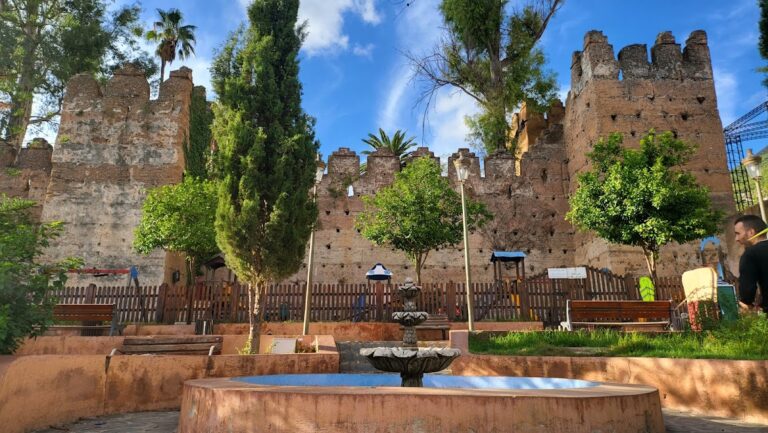
The Kasbah of Chefchaouen founded the historic city as a fortified political, military, and residential centre during Morocco’s response to Iberian…
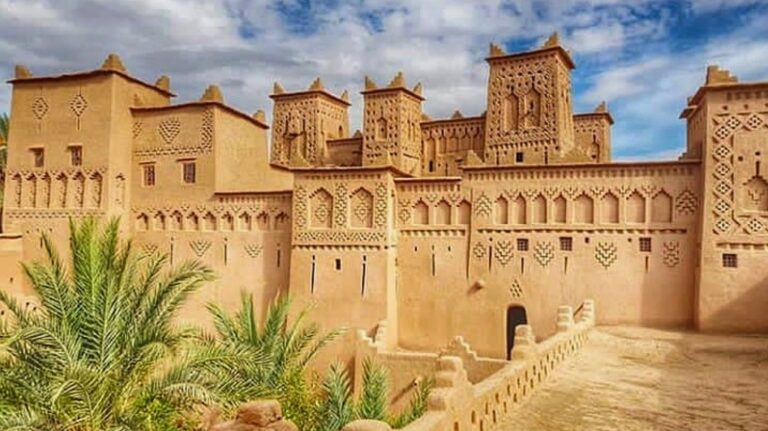
Kasbah Amridil developed from a seventeenth-century fortified village into a late nineteenth-century Nasiri family mansion, preserving oasis…
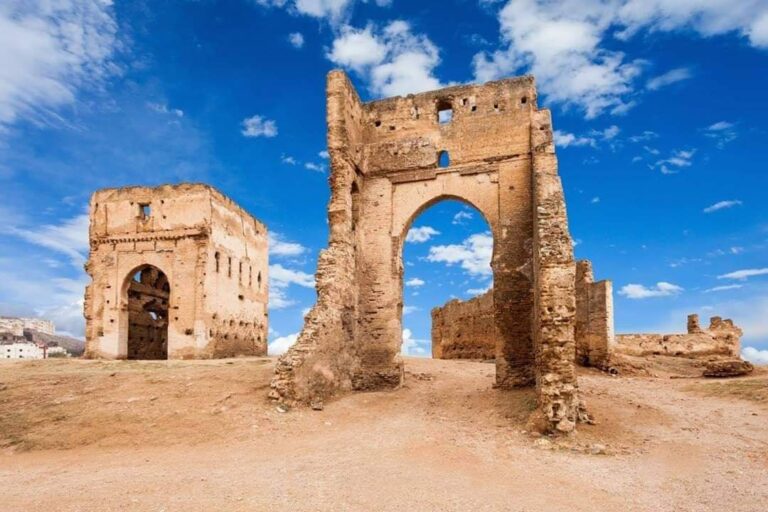
The Marinid Tombs are the remains of a fourteenth-century royal necropolis on a hill above Fez, associated with the Marinid dynasty and its rulers,…
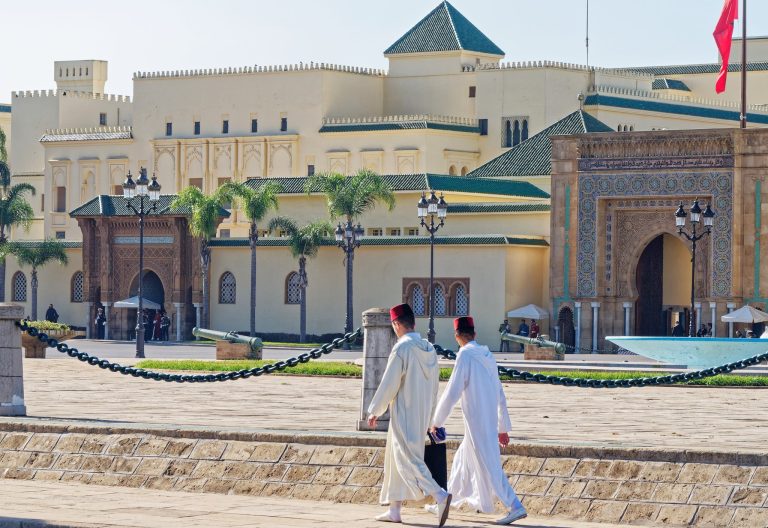
Dar al-Makhzen, also known as the El Mechouar Essaid Palace, is Morocco’s principal royal palace and administrative seat, with a history reaching…
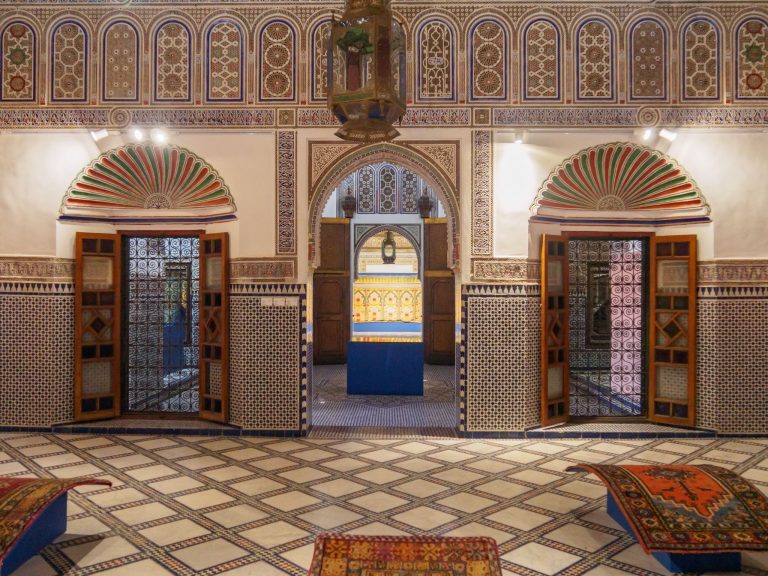
Dar Si Said Museum occupies a late nineteenth-century palace built for the Moroccan official Si Said ibn Musa. Its history includes use as a…
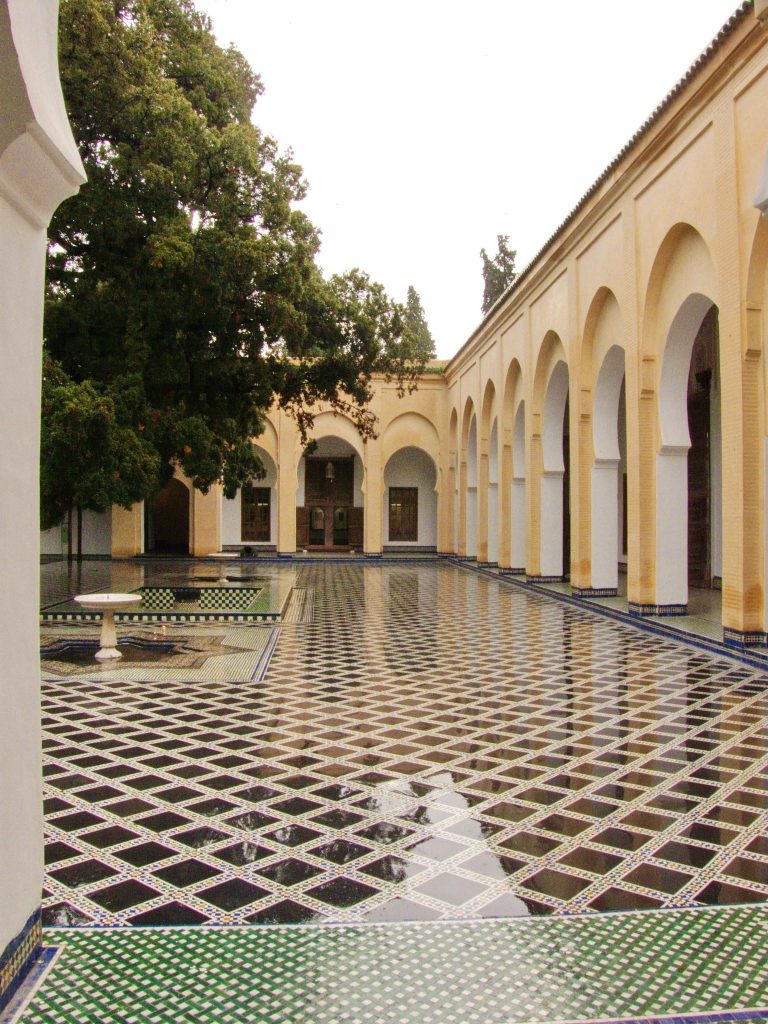
Dar Batha is a former Alawi royal palace in Fez, built between approximately 1886 and 1907 and later converted into a museum. Its courtyard,…
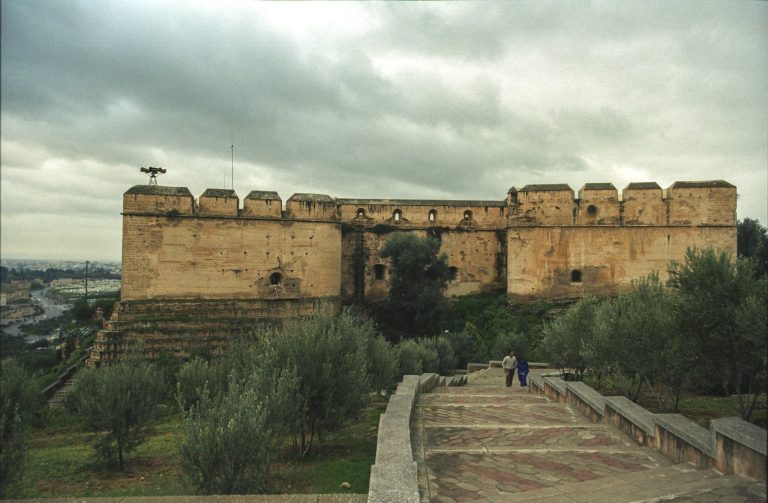
Built in 1582 by Sultan Ahmad al-Mansur, Borj Nord guarded Fez, monitored the old city, and supported artillery production. It later served as a…
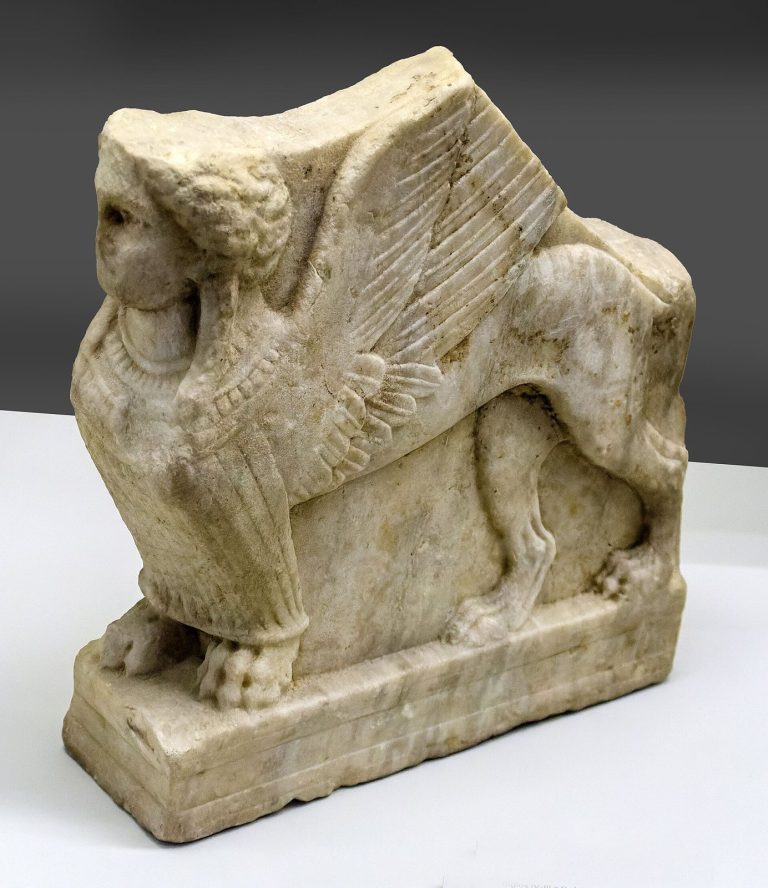
The Museum of History and Civilizations in Rabat traces Moroccan history from the Paleolithic through the Islamic period through archaeological…
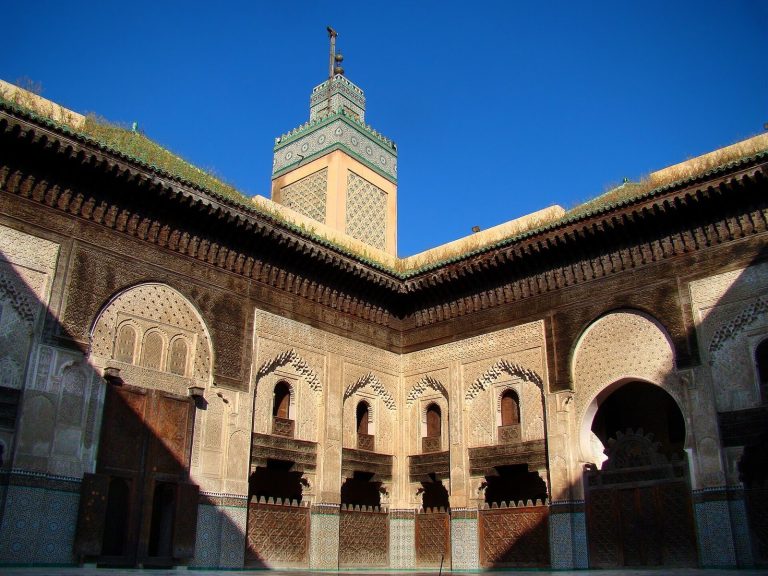
Bou Inania Madrasa in Fez was built between 1350 and 1355 under the Marinid sultan Abu Inan Faris. It combined religious education, student…
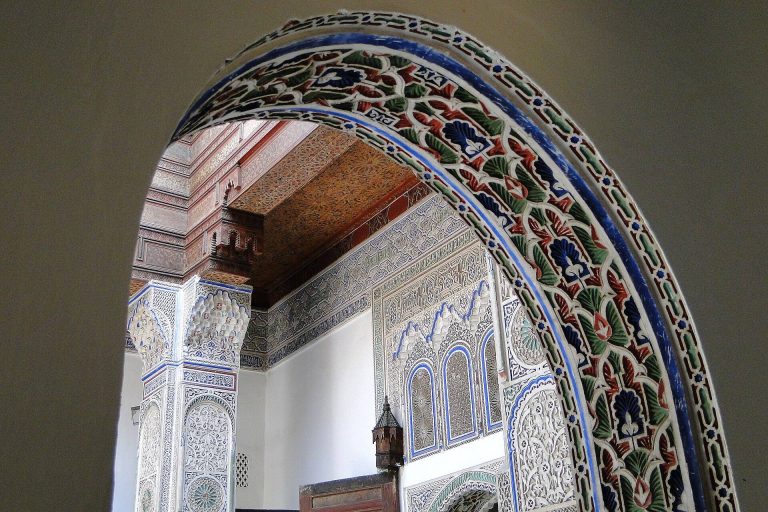
Built in Meknes in 1882 by the Jamaï family, Dar Jamaï palace became a military institution under French colonial rule and later a museum devoted to…
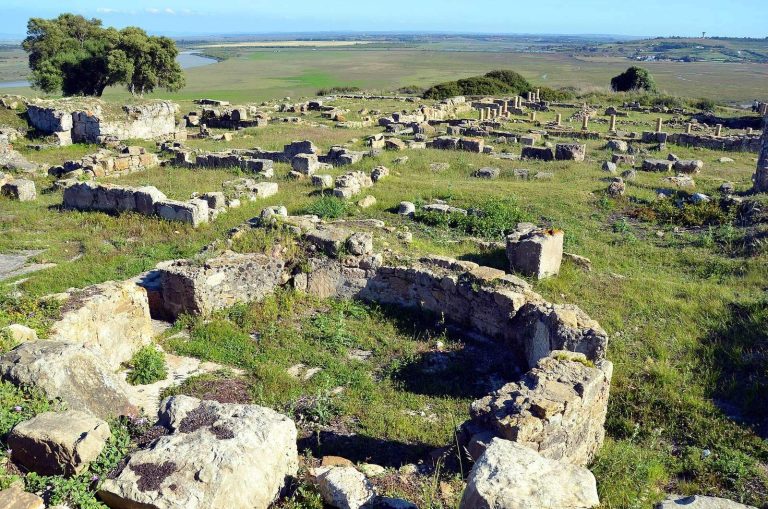
Lixus, near Larache in Morocco, developed from a Late Bronze Age settlement into a Phoenician trading community, a Mauretanian royal center, and a…
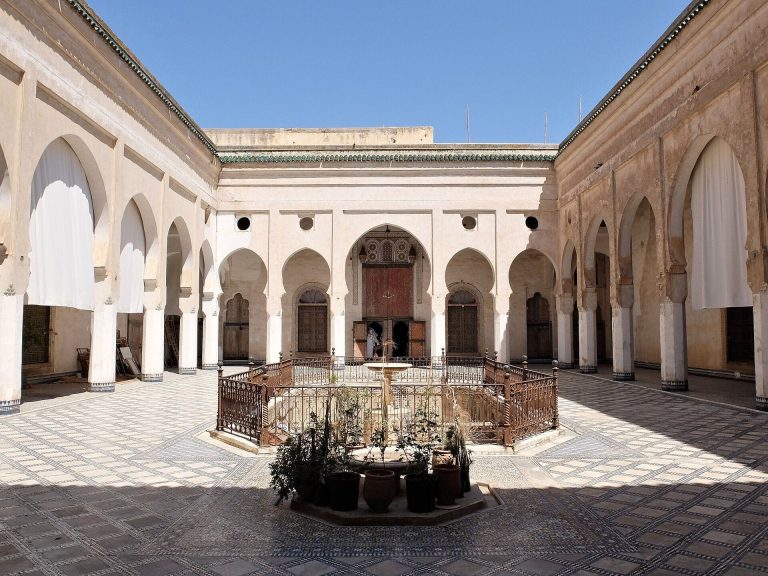
El Glaoui Palace is a late nineteenth- and early twentieth-century residential complex in Fez, associated with the powerful Glaoui family and later…
For details on how to use the maps, which sites are included, how popularity and ratings are determined, and how sites are classified, see the help page.
On this page7 sections
Roman streets and houses at Volubilis
Volubilis grew from a Mauretanian settlement into an extensive Roman city. Its main street ran between a monumental gate and the Arch of Caracalla, with shops and porticoes along the route. More regular streets in some districts give way to terraces where the ground becomes uneven.
Excavated houses preserve courtyard plans, reception rooms and mosaic floors. Workshops and olive presses connect the residential remains with the processing of crops from the surrounding countryside. Several prominent monuments, including parts of the arch, basilica and temple, were restored or reconstructed during the twentieth century. Their upright forms should be read alongside the excavated streets and building foundations.
Almohad mosques and minarets
The Koutoubia Mosque in Marrakesh belongs to the Almohad rebuilding of the city after 1147. The site contains two successive mosque layouts. Foundations beside the standing building mark the earlier prayer hall and its direction of prayer, while the later mosque incorporates part of the earlier structure into its irregular plan.
The tall square minaret rises above this layered complex. Its upper sections have been repaired in several periods, and the surrounding open ground exposes remains that would once have stood within a much denser group of buildings.
In Rabat, Hassan Tower marks a mosque project left unfinished after the late twelfth century. Its square sandstone shaft stands beside the surviving columns and walls of an enormous prayer enclosure. Broad internal ramps wind around vaulted chambers within the tower. The standing minaret and spread of columns preserve different parts of the intended design: one rises vertically, while the others establish the scale of the planned hall.
Salé’s madrasa and student rooms
The Marinid Madrasa of Salé fits teaching, prayer and accommodation into a compact fourteenth-century building beside the Grand Mosque. A decorated entrance leads indirectly into a small tiled courtyard with a central fountain. Galleries surround the court, and student rooms occupy the upper levels.
Carved cedar, stucco and patterned tilework mark the entrances and prayer space. The courtyard gives light and access to the principal rooms, while a side stair reaches the accommodation above. Its closely arranged interior illustrates how a madrasa could operate within a restricted urban plot.
Fortified earthen buildings at Taourirt
The Ksar of Taourirt is a fortified settlement adjoining a large kasbah in Ouarzazate. Rammed earth and mud brick form its walls, towers and residential buildings. The kasbah rises through several storeys, with square corner towers decorated by recessed geometric patterns.
Courtyards organised circulation between guest rooms, family accommodation and service areas. These buildings represent later phases of southern Morocco’s earthen building traditions, including substantial nineteenth- and early twentieth-century development. Conservation and earthquake damage have affected different parts of the complex, so restored rooms and less complete structures belong to the same larger settlement.
Ibn Danan Synagogue’s prayer hall
The Ibn Danan Synagogue stands within the Mellah, Fez’s historic Jewish quarter. A modest doorway opens into an interior divided by octagonal brick pillars. High windows light the prayer hall beneath a painted timber ceiling.
The building developed from a seventeenth-century foundation and underwent repeated repairs and enlargement. A later fourth aisle accommodated a gallery overlooking the hall, while one outer wall incorporated the quarter’s existing enclosure. Its plan records how a purpose-built place of worship expanded within closely bounded streets.
Mazagan’s vaulted water reservoir
The Portuguese Cistern beneath El Jadida’s citadel was converted into a reservoir during sixteenth-century fortification works. Rows of stone supports carry interconnected brick vaults above a nearly square chamber. A central roof opening admits light, and channels supplied water to the enclosed space. Whatever the room’s original function, its conversion provided storage within the defended city where a reliable supply was needed during siege.
Explore the collection
Use the map and grid to narrow sites by primary function, site type, civilization or era, with additional filters for popularity and rating. Map icons indicate primary functions. Select a marker to see details and open the site article, or use the article link in a grid entry.