Borj Nord: A Saadian Fortress and Arms Museum in Fez
Site at a Glance
- Rating
- 4.4
- Popularity
- Low
- Country
- Morocco
- Primary era
- Early Modern
- Eras represented
- Early Modern
- Civilizations
- Alaouite
- Site type
- Military
- Remains
- Fort
On this page10 sections
History
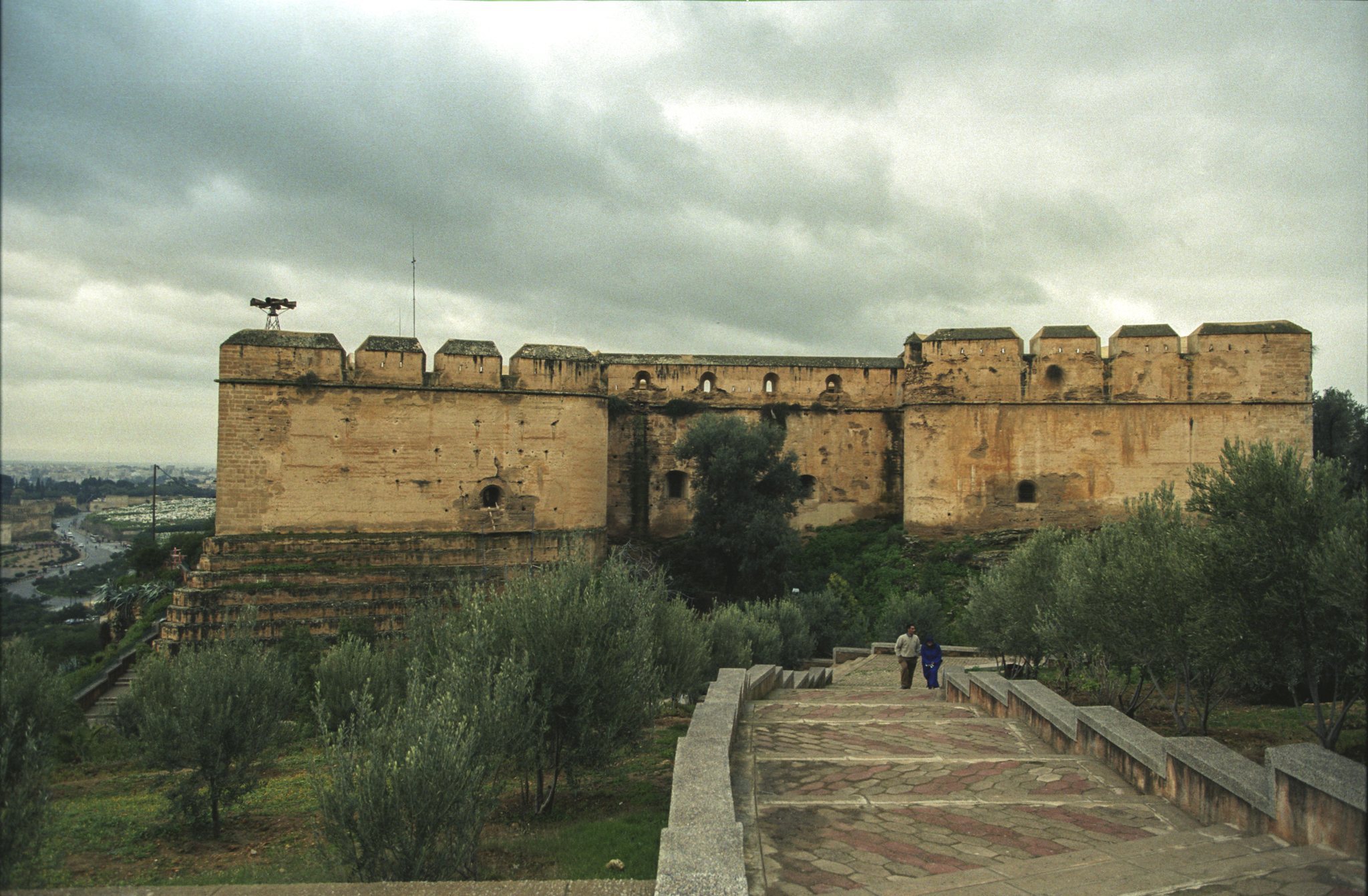
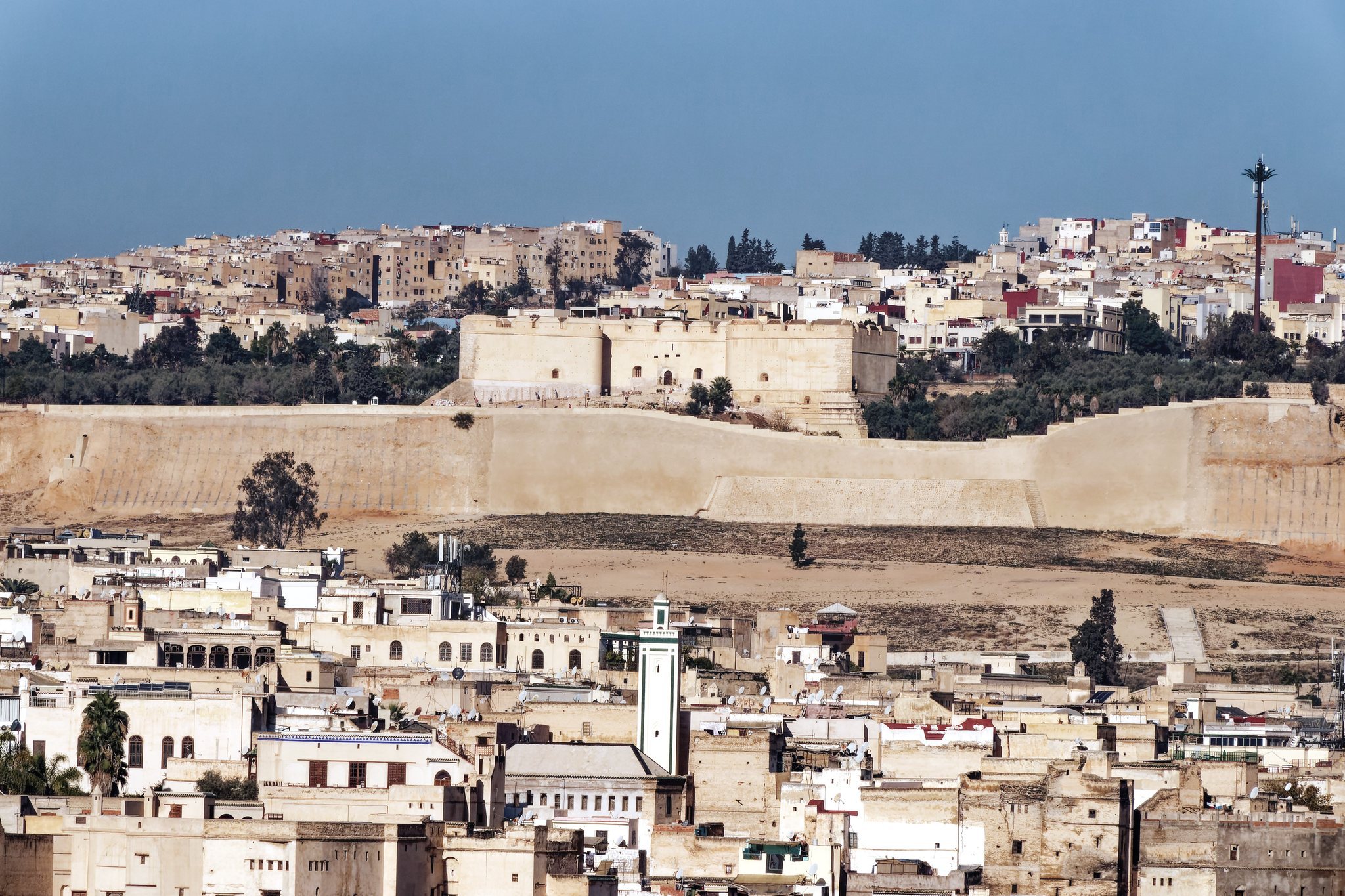
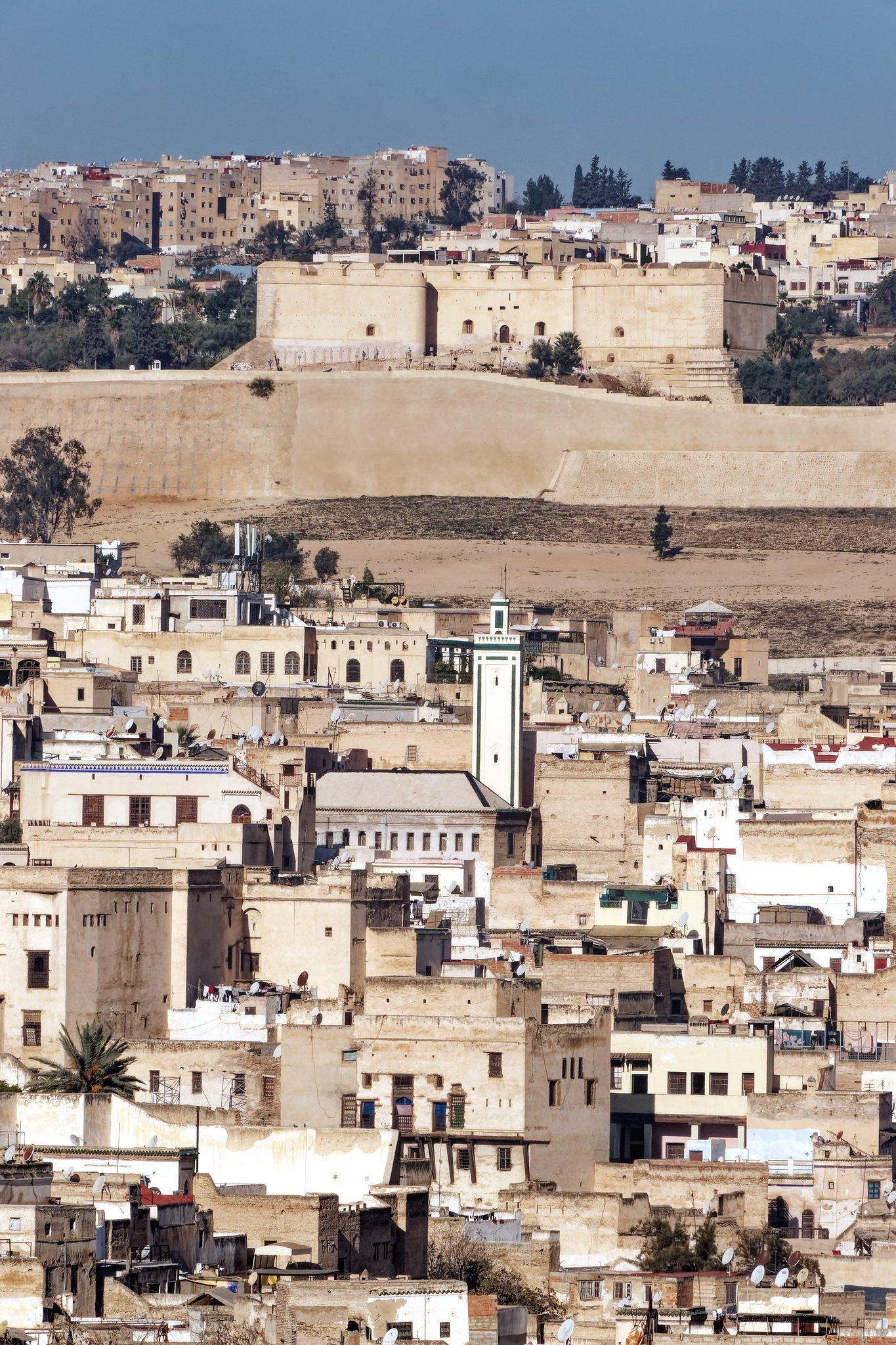
Borj Nord is a Saadian fortress in Morocco, built north of Fez in 1582 under Sultan Ahmad al-Mansur in a military style influenced by sixteenth-century Portuguese fortresses. It formed part of a defensive system around the city and remains among the largest defensive structures associated with Fez.
Saadian construction and military purpose
The Saadi dynasty, Morocco’s ruling house in the sixteenth century, built Borj Nord alongside Borj Sud, Kasbah Tamdert, and the Borj Sheikh Ahmed. These strongholds defended Fez while also controlling the resistant population of Fes el-Bali, the city’s old quarter. Their elevated positions allowed their cannons to bombard the old city if necessary.
The fortress reflected the Saadian wars against Portugal in Morocco. Its construction was probably assisted by European prisoners captured during the Battle of the Three Kings in 1578, a major conflict between Portuguese and Moroccan forces. Borj Nord served as a military fort and major surveillance post, while also functioning as a facility for manufacturing cannons.
Later uses and museum history
During the French Protectorate, Borj Nord was first used as a barracks and later as a prison. Since 1963, it has housed the Museum of Arms, described as Morocco’s first museum specializing in the history of arms and armor. The fort, museum, and collection underwent extensive restoration in 2003.
Moroccan princes also established a prayer ground near Borj Nord for Muslim worship, especially during Eid al-Fitr and Eid al-Adha. The fortress is one of the few around Fez to incorporate European-style changes in military architecture associated with the gunpowder age.
Remains
Fortification and layout
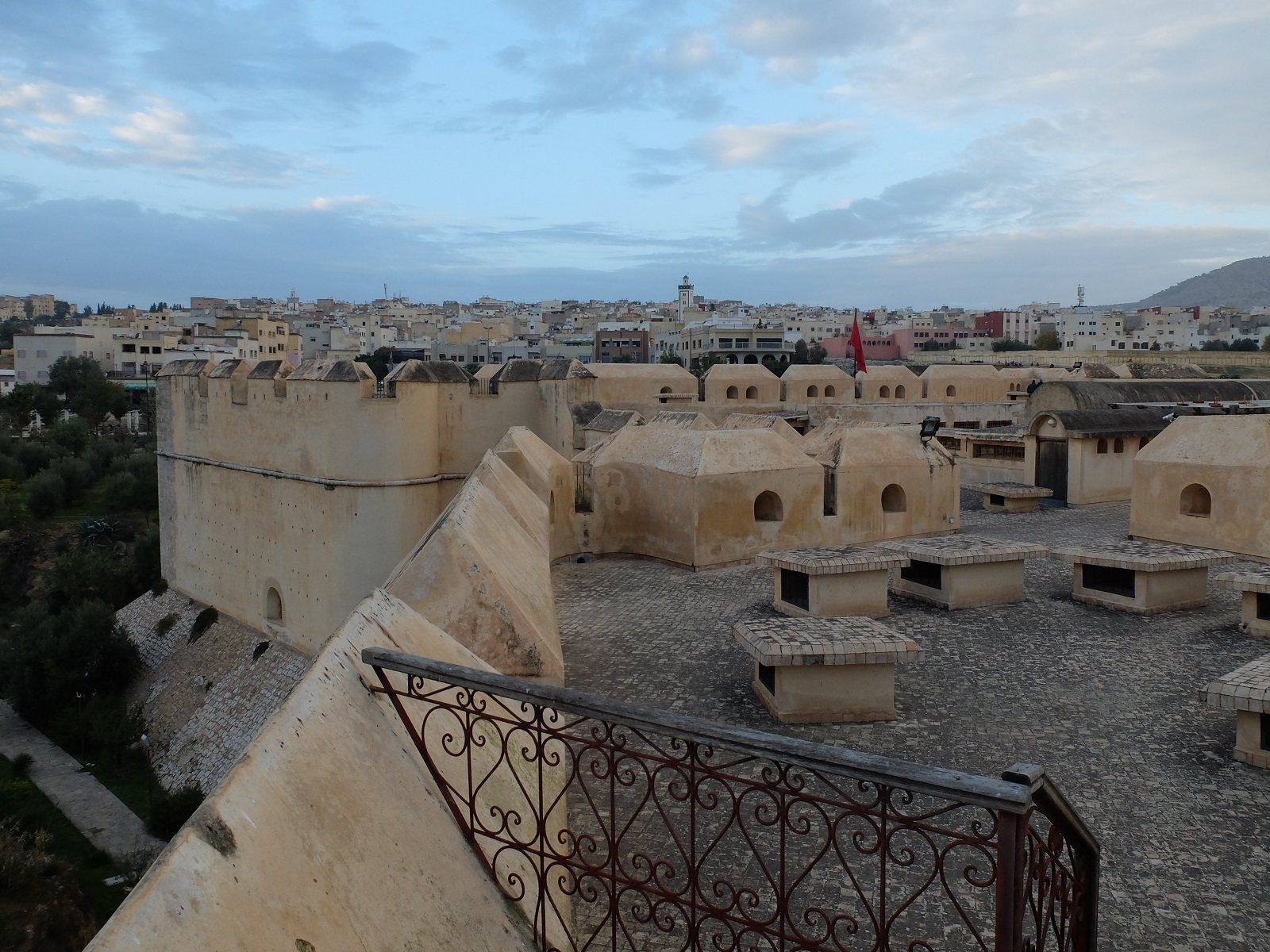
Borj Nord occupies approximately 2,250 square meters and follows a square plan. Its four corners contain spearhead-shaped bastions, projecting fortifications designed to provide defensive fire along the walls and approaches. Seen from above, these elements give the building a star-like outline.
Corner bastions
The original fortress was probably more compact and close to cubic in form. The large corner bastions are believed to have been added later during the Alaouite period, when the Alaouite dynasty ruled Morocco. Their presence reflects the continuing adaptation of the fort’s defenses.
Artillery terrace
The terrace was built to withstand the weight and firing of cannons. Rammed earth, a technique that forms solid walls from compacted earth, was used in the construction. The building therefore combines an earthen structure with a layout adapted to artillery warfare.
Museum collection
Arms and armor
The Museum of Arms contains up to 5,000 objects from 35 countries, ranging in date from prehistory to the twentieth century. Only part of the collection is displayed, with particular emphasis on Moroccan arms, including weapons made in Fez at the Makina, an industrial arms factory established beside the Royal Palace in 1886.
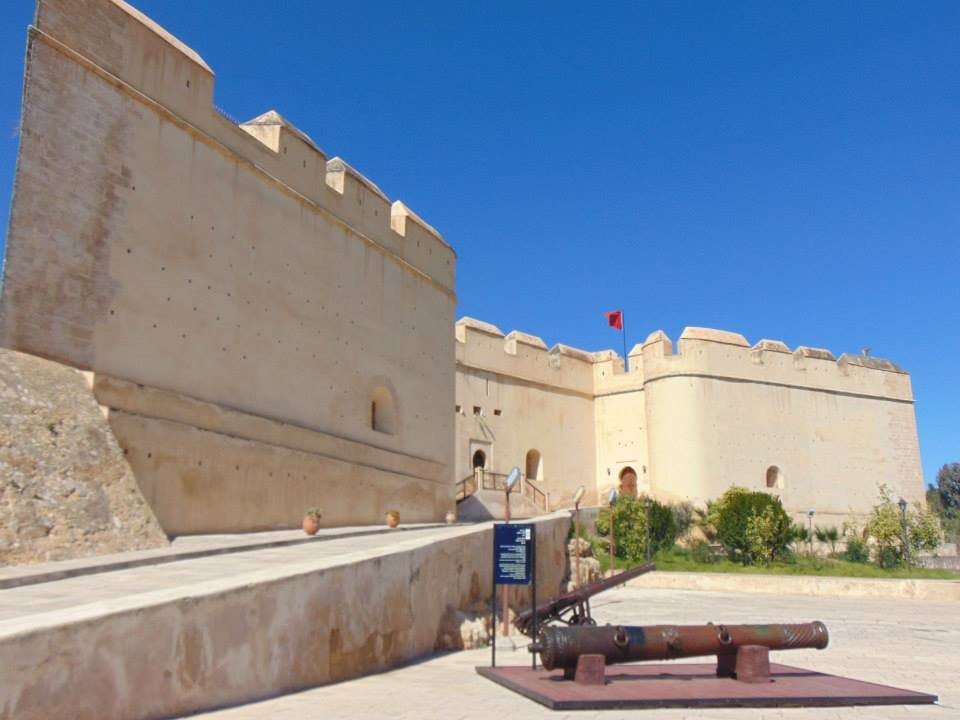
Saadian cannon
Among the displayed objects is a Saadian cannon used at the Battle of the Three Kings in 1578. It is nearly 5 meters long and weighs approximately 12 tons.