Historic Sites in Japan: Explore Castles, Buddhist Temples and Shinto Shrines
Explore more than 1,000 historic sites in Japan, including Buddhist temples, Shinto shrines, castles, imperial palaces and burial monuments. Religious sites form the largest group in the collection. The examples below introduce timber halls, pagodas, gated approaches and ceremonial courtyards, distinguishing early surviving buildings from later reconstructions and traditions of repeated renewal.
Primary Function: All
Type: All
Civilization: All
Popularity: All
Rating: All
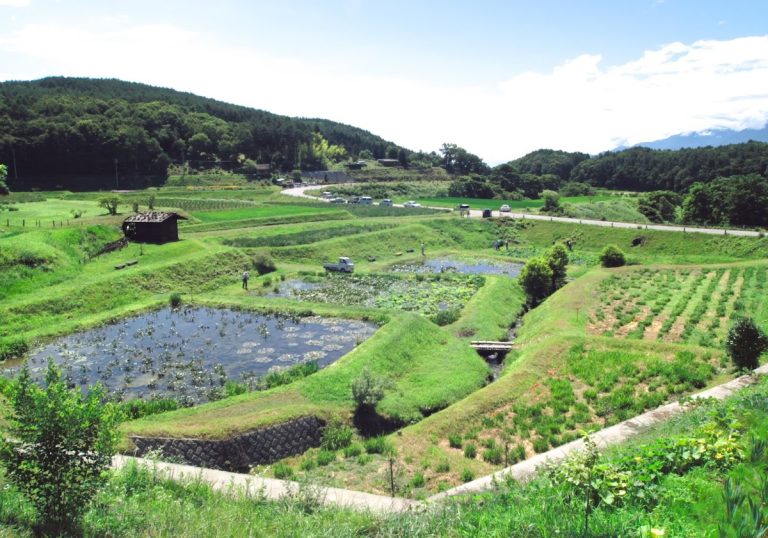
Idojiri Site is a Middle Jōmon settlement in Nagano Prefecture, known for its pit-dwelling foundations, distinctive pottery, abundant stone tools,…
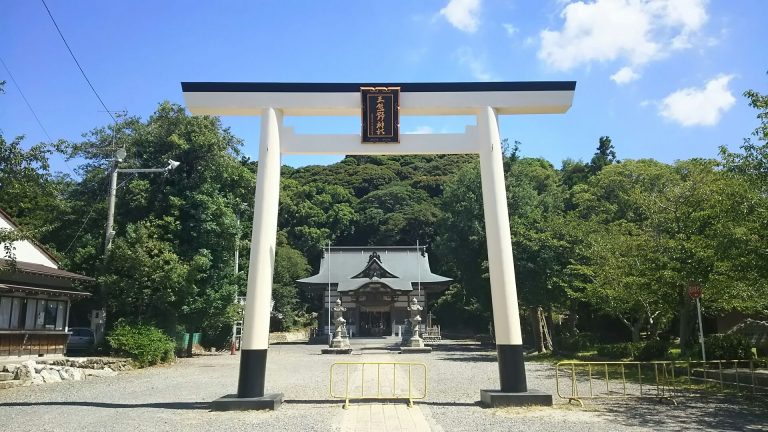
Mikumano Shrine in Kakegawa, Shizuoka, was founded in 701 through the transfer of worship from Kumano Hongu Taisha. Its 1854 sanctuary, votive…
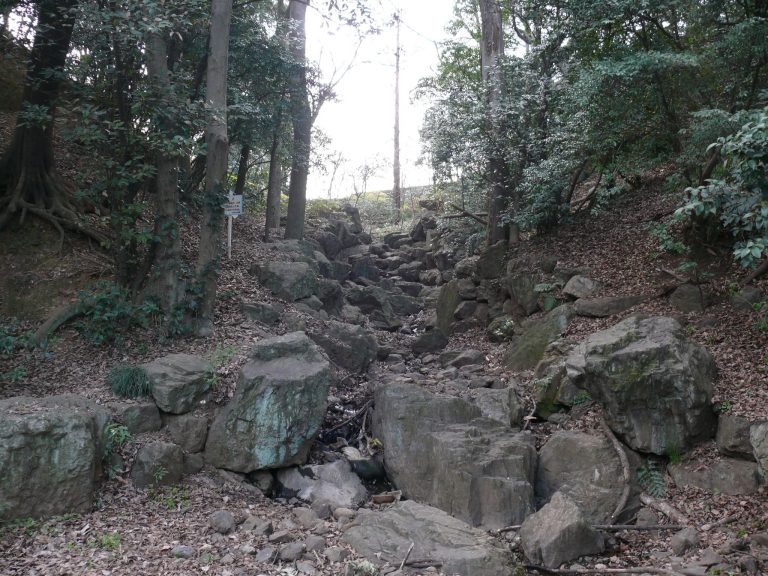
Taki-no Castle was a strategically placed medieval and Sengoku-period fortress associated with the Oishi, Uesugi, and Go-Hojo clans. Its surviving…
Ōyama-ji Temple on Mount Takakura preserves a history of mountain worship, medieval patronage, Buddhist sculpture, and continuing Buddhist–Shinto…
Matsuyama Castle in Yoshimi, Saitama, was a contested stronghold in central Musashi before its abandonment in the early seventeenth century. Its…
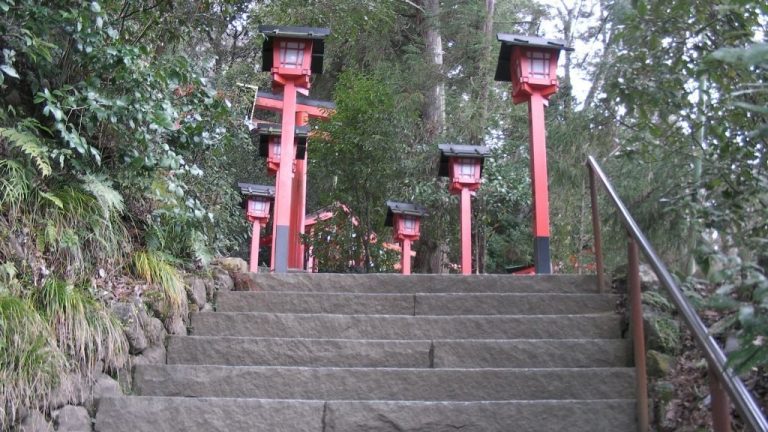
Ichitani Munakata Shrine preserves the history of two water-related shrines that became affiliated with Matsuo-taisha and were recognized within…
The Nishidani Tumulus Cluster in Izumo contains burial mounds and other funerary remains dating from the late Yayoi period through the Kofun period,…
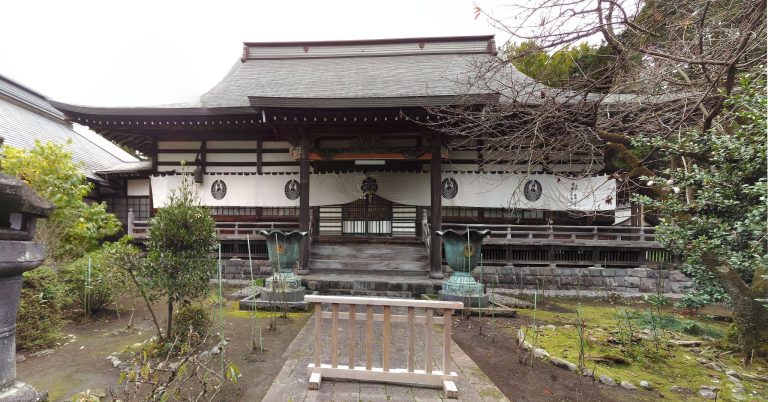
Founded in 1324 at the former residence of Nanjo Tokimitsu, Shimojō Myōren-ji Temple became an important center of the Fuji lineage and remains…
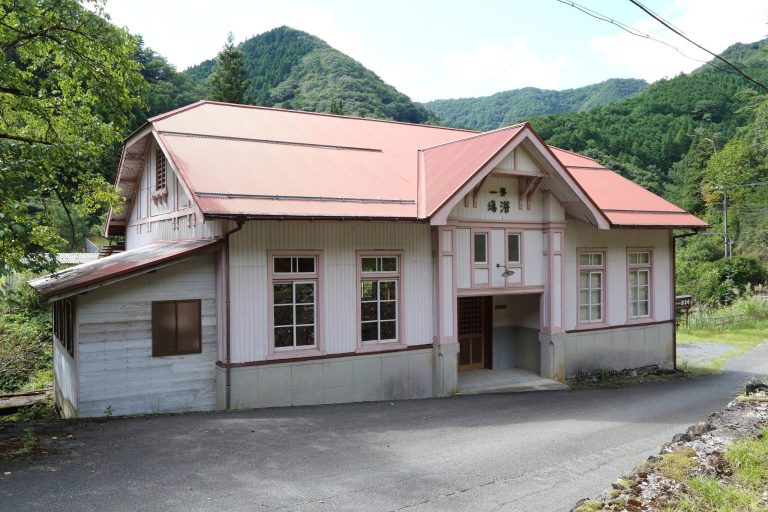
Akenobe Mine in Yabu City developed from a medieval mining settlement into a major modern producer of tin, copper, zinc, and tungsten before closing…
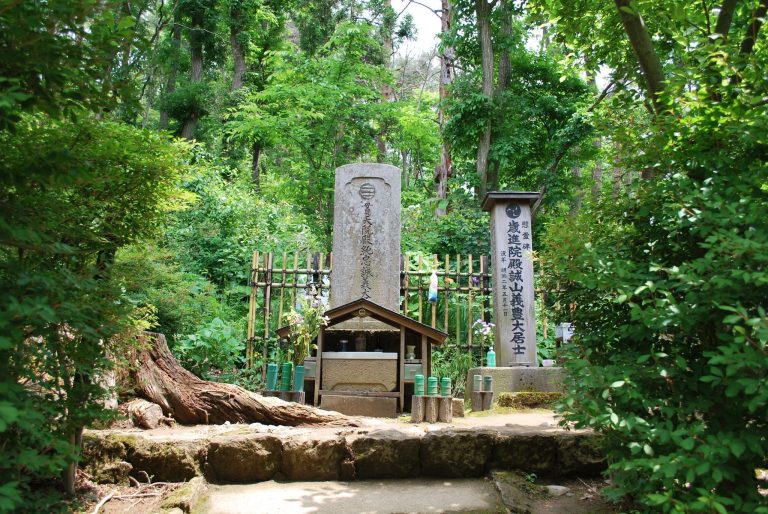
Founded in 1447, Tennei-ji Temple became the Ashina family’s ancestral temple and an important Soto Zen institution in Aizu. Its grounds also contain…
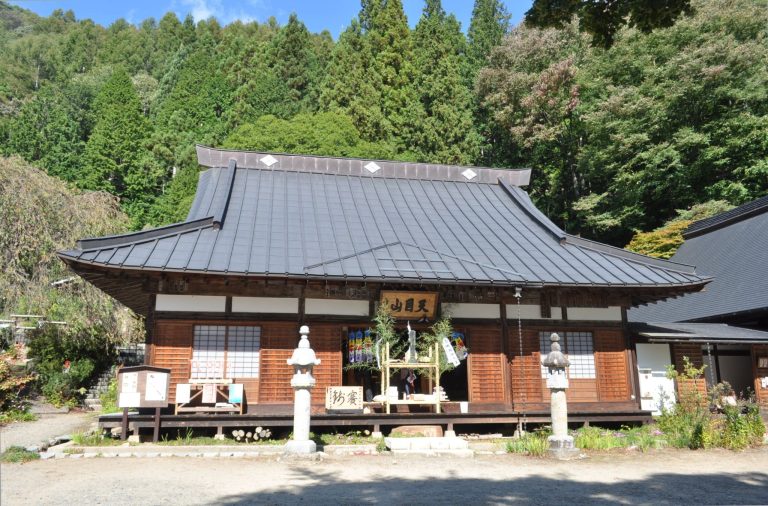
Seiunji Temple in Koshu, Yamanashi, was founded in 1348 as a center for the teachings of the Chinese Chan master Puo Kokushi. Its buildings, garden,…
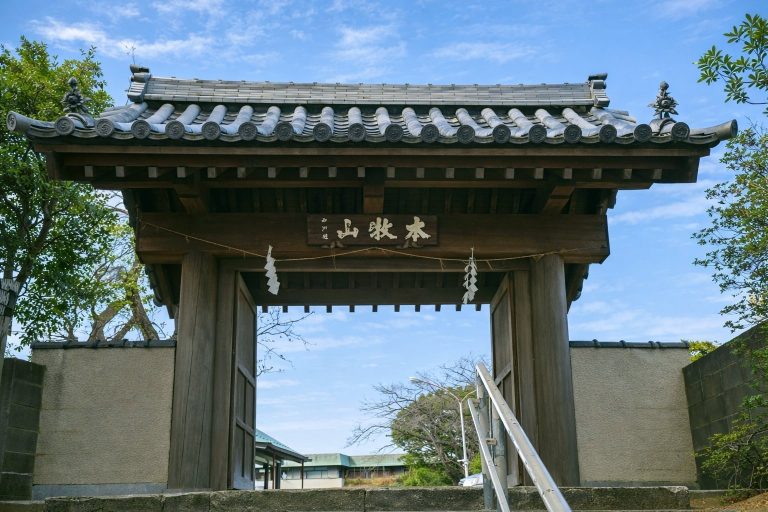
Myōkō-ji Temple in Yokohama traces its history to 814, underwent a conversion from Shingon to Nichiren Buddhism, and is associated with the early…
For details on how to use the maps, which sites are included, how popularity and ratings are determined, and how sites are classified, see the help page.
On this page5 sections
Castles and defended enclosures
Himeji Castle preserves a major complex developed in the early seventeenth century. Its keep stands within successive enclosures, with moats, gates and narrow routes arranged around the central stronghold. The approach repeatedly changes direction and level, making the walking route much longer than the direct distance to the keep.
This arrangement allowed defenders to observe and fire on an approaching force from surrounding walls and towers. The surviving inner moat and parts of the wider defensive system help explain the castle’s position within its former town. Modern conservation has included dismantling and reassembling timber structures, replacing deteriorated components and reinforcing foundations while retaining the historic arrangement of the buildings.
Imperial palaces and ceremonial halls
Kyoto Imperial Palace contains halls, gates and courtyards rebuilt through successive campaigns, including major nineteenth-century work. A hierarchy of entrances regulated movement according to rank and occasion. Reception rooms were likewise differentiated: the Tiger, Crane and Cherry Blossom rooms served visitors of different standing, with distinctions expressed through partitions, transoms and the borders of floor mats.
The Shishinden, the principal ceremonial hall, faces a white-gravel courtyard framed by corridors and gates. Unpainted timber, polished floors and a cypress-bark roof define its architectural treatment.
Buddhist temples and pagodas
Hōryū-ji Temple near Nara has a Western Compound centred on a main hall and five-storey pagoda. The buildings stand beside one another within an enclosing corridor, with the lecture hall to the north. The compound developed after the destruction of an earlier temple, with its principal early fabric associated with the later seventh century. Curved roof brackets and the sharply diminishing roofs of the pagoda are distinctive structural features. Repairs have altered parts of the buildings, and reproductions replace murals damaged by fire in the main hall.
At Tōdai-ji in Nara, the Great Buddha Hall is a much later rebuilding of an early temple’s central monument. Completed in 1709, the present hall is narrower than its predecessor but retains an immense timber structure. Its roof appears to cover two storeys, although the building is structurally a single-storey hall with an additional projecting roof around it. Composite columns and later reinforcement helped carry the large roof.
Shinto shrines and sacred approaches
Fushimi Inari-taisha in Kyoto combines a main shrine precinct with routes and smaller sacred sites on Mount Inari. Gates, worship halls and the main hall form an ordered approach at the mountain’s foot. The main hall dates to 1499, while other halls belong to later campaigns. Behind them, paths marked by torii gateways continue towards smaller shrines and stone altars, extending the complex beyond its principal buildings.
Ise Jingū preserves an architectural tradition through cyclical rebuilding. Its principal shrines use cypress, raised floors, verandas and thatched roofs with projecting forked finials. Adjacent plots alternate as the location of renewed buildings, and sacred objects are transferred to the replacement structures. Here, the substantial standing architecture embodies a maintained construction practice; the timber itself should not be described as surviving unchanged from the shrines’ early history.
Explore the collection
Explore sites on the map or in the grid. Map icons indicate each site’s primary function, helping you identify different kinds of places at a glance. Narrow the results by primary function, site type, civilization or era, with additional filters for popularity and rating. Select a map marker to view the site’s details and open its article, or open the article from its grid entry.