Historic Sites in Egypt: Explore Pyramids, Temples and Mamluk Mosques
Explore historic sites in Egypt, including pyramids, temple precincts, rock-cut tombs, mosques, madrasas and covered markets. The collection includes pharaonic monuments, Roman-period burial chambers and the religious and commercial buildings of historic Cairo. Examples on the Giza Plateau, along the Nile and in Alexandria show surviving stone exteriors, carved interiors and underground rooms.
Primary Function: All
Type: All
Civilization: All
Popularity: All
Rating: All
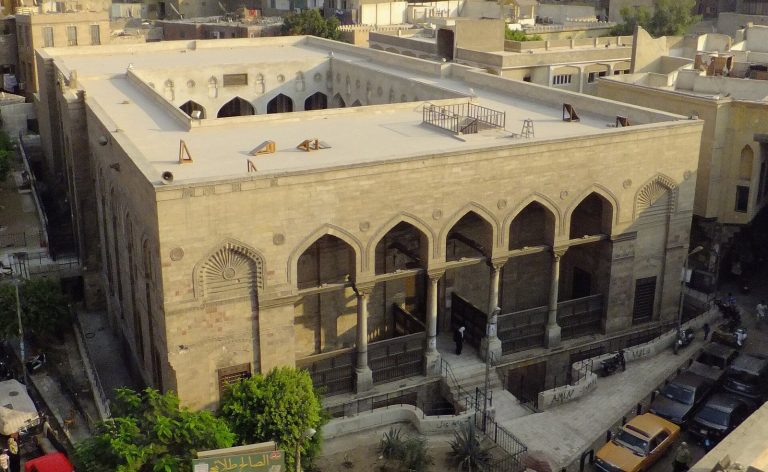
Built in 1160 for the Fatimid caliphate, Al-Salih Tala'i Mosque preserves a rare late-Fatimid design alongside Mamluk additions and restorations in…
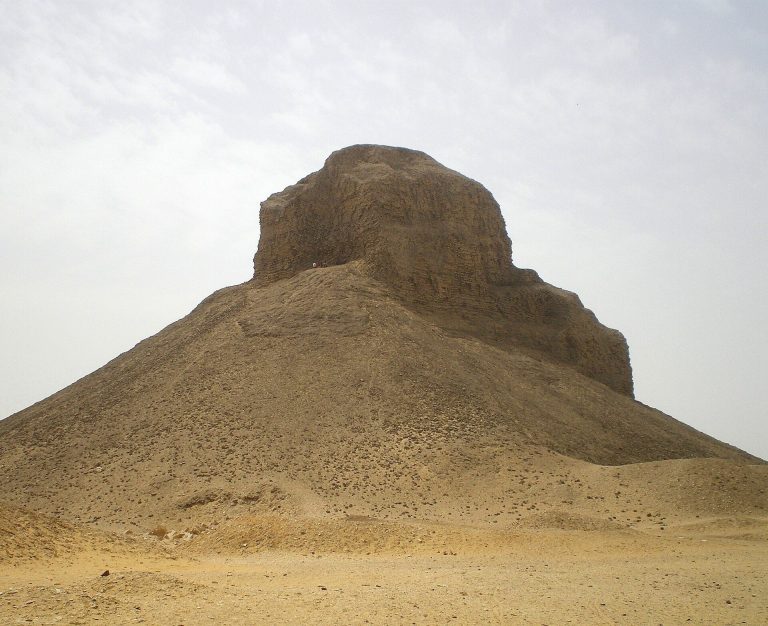
The Pyramid of Amenemhat III, known as the Black Pyramid, was a Twelfth Dynasty royal pyramid at Dahshur. Its unstable mud-brick structure, complex…

Sinan Pasha Mosque in Bulaq, Cairo, was founded around 1571 by Ottoman governor Koca Sinan Pasha. Its centralized stone dome, surrounding galleries,…
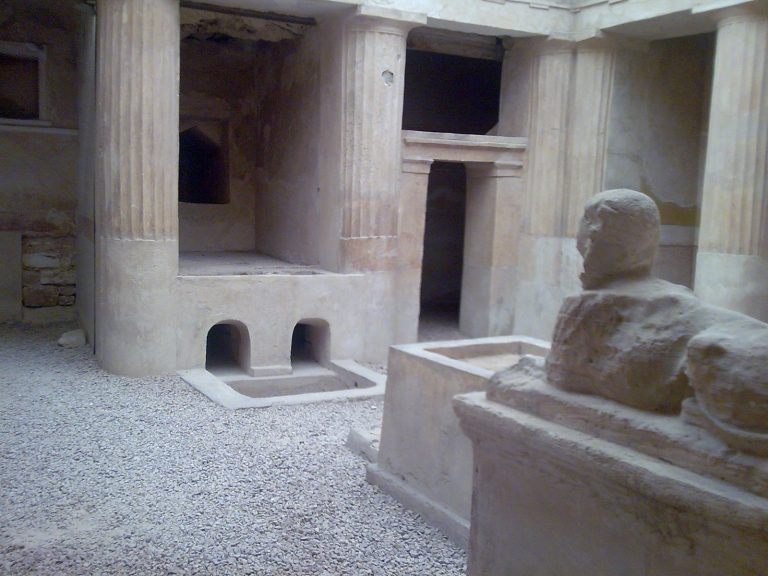
Mostafa Kamel Necropolis is a group of four Ptolemaic-period rock-cut tombs in Alexandria, dating from the late third to early second century BC. Its…

Amir Qijmas al-Ishaqi Mosque is a late Mamluk religious and funerary complex in Cairo, commissioned around 1480 by the amir Qijmas al-Ishaqi during…
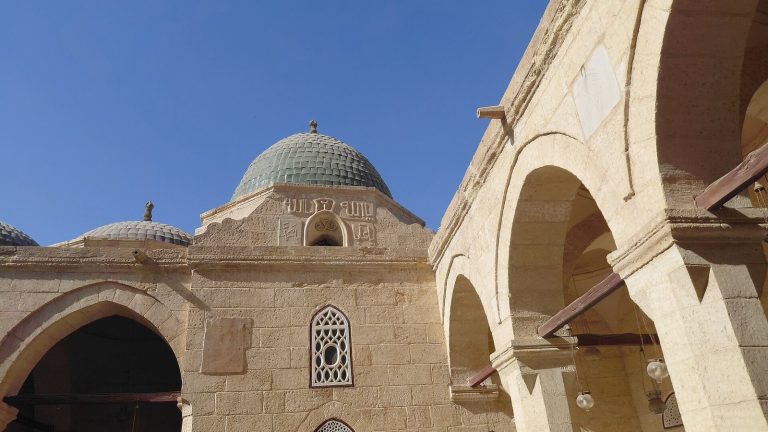
Sulayman Pasha Mosque in Cairo was completed in 1528 as the first mosque in Egypt built in the Ottoman architectural style. Its complex combines…
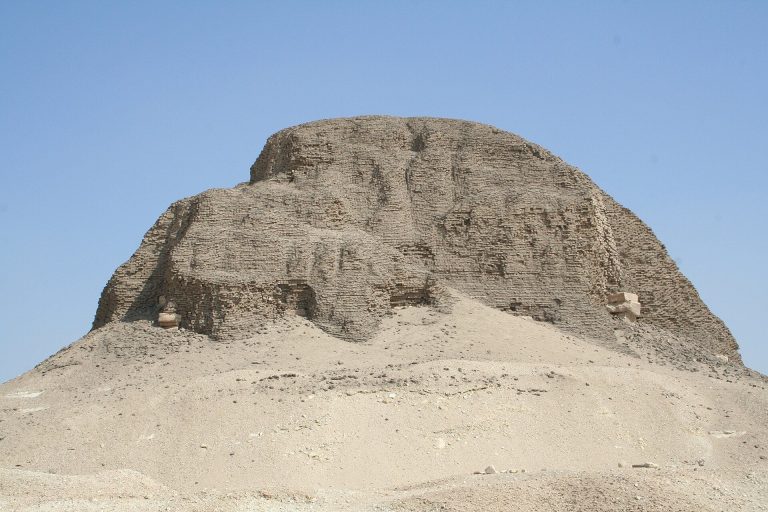
The Pyramid of Senusret II at El Lahun was built in the early nineteenth century BC as the funerary monument of a Twelfth-Dynasty pharaoh. Its…
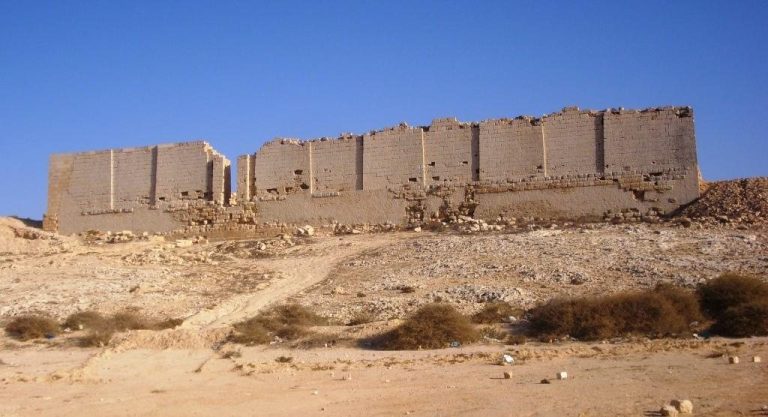
Taposiris Magna is a Ptolemaic-era religious and funerary site near Alexandria, founded between 280 and 270 BC. Its temple, necropolis, underground…
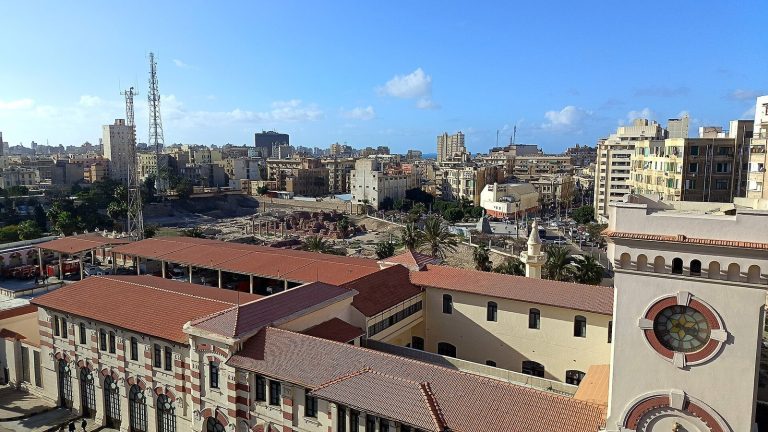
Kom el Dikka is an archaeological site in Alexandria preserving Roman villas, a bath complex, lecture halls, a theatre, and mosaics within an…
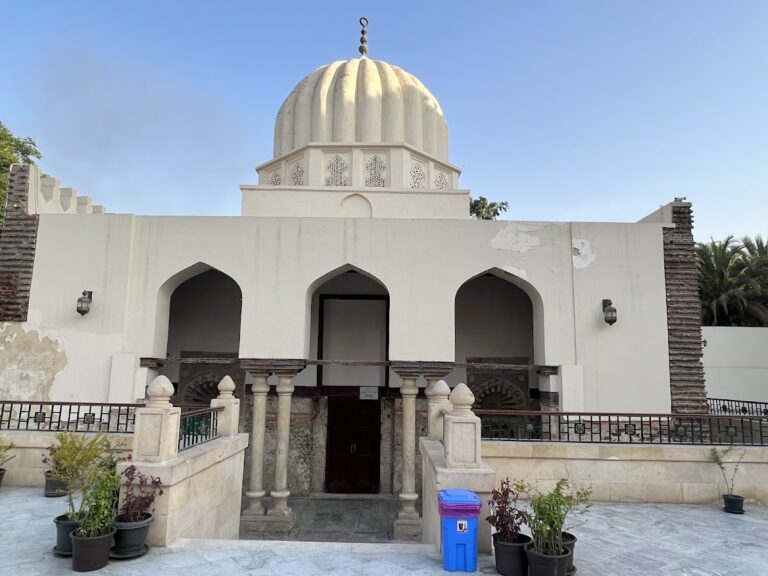
The Mausoleum of Sayyida Ruqayya is a twelfth-century Fatimid shrine and mosque in Cairo’s Qarafa Necropolis, noted for its domed chamber, carved…
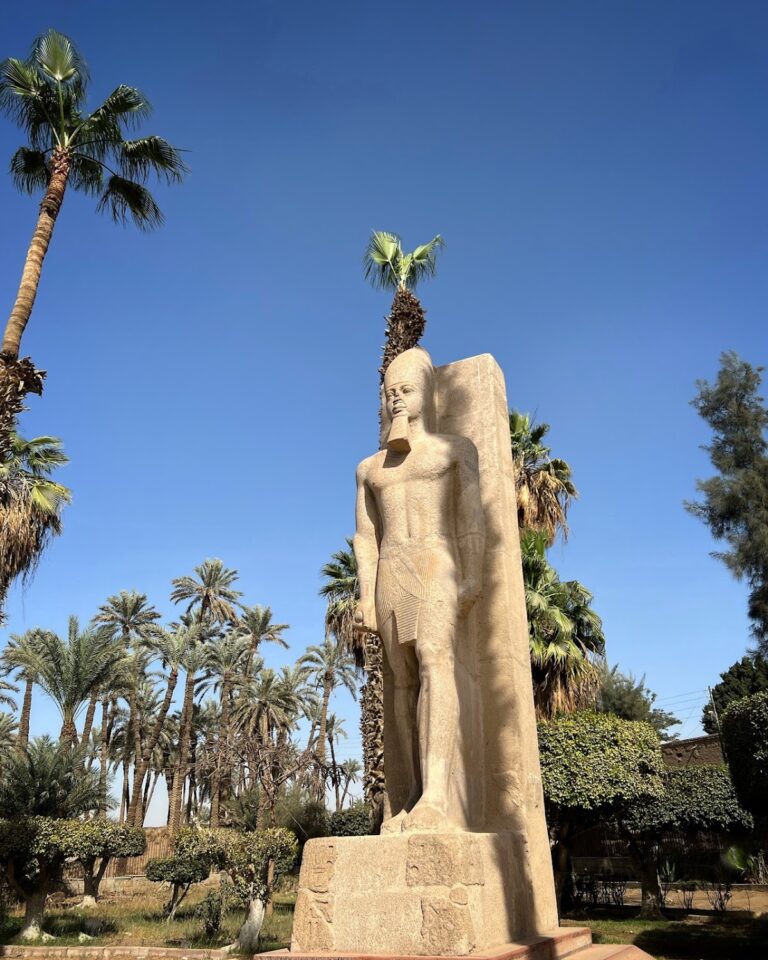
This colossal red-granite statue of Ramesses II was discovered at Memphis, restored in Cairo, and moved in 2018 to the entrance hall of the Grand…
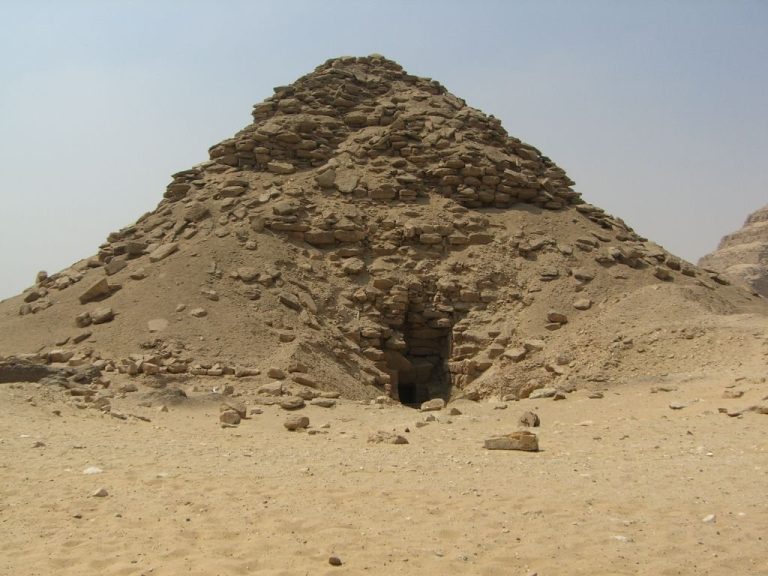
Built around 2490 BC for Userkaf, founder of Egypt’s Fifth Dynasty, the complex at Saqqara includes his pyramid, mortuary temple, cult pyramid, and a…
For details on how to use the maps, which sites are included, how popularity and ratings are determined, and how sites are classified, see the help page.
On this page6 sections
Pyramids and royal tombs
The Great Pyramid of Giza was built for Khufu during the Fourth Dynasty. Its square base is aligned closely with the cardinal directions, and the enormous body of the monument incorporates a natural limestone rise. Local limestone supplied most of the core, while finely dressed white limestone from Tura formed the original outer casing.
Most of that smooth casing has been lost, exposing the stepped courses of core masonry. Limited casing remains near the base help explain the difference between the present surface and the original finished sides. The missing summit has also reduced the pyramid’s height. Its surviving mass therefore preserves the construction on an exceptional scale while revealing parts that were once concealed beneath the exterior facing.
Temples and sanctuaries
Karnak Temple Complex contains temple precincts enlarged by successive rulers over many centuries. In the main sanctuary of Amun-Re, gateways, courts and halls follow intersecting processional axes. The Great Hypostyle Hall contains 134 columns shaped like papyrus plants, with a taller central group rising above the surrounding rows. Elsewhere, chapels reconstructed from recovered blocks preserve reliefs of royal offerings, coronation and religious festivals.
At Abu Simbel, two temples were cut into sandstone under Ramesses II. Four colossal seated figures dominate the larger temple’s façade. Inside, pillars bearing figures of the king line the first hall, and the rooms become smaller towards the sanctuary. The temples were dismantled and reassembled on higher ground during the twentieth-century rescue campaign, before their original location was submerged beneath Lake Nasser. Their carved façades and interiors survive within this relocated setting.
Catacombs and burial chambers
The Catacombs of Kom el Shoqafa contain underground chambers cut into bedrock. A circular staircase descends around a central shaft towards a rotunda and branching burial spaces. A separate banquet room has stone couches arranged for relatives to recline during commemorative meals, preserving the layout of a social ritual alongside the tombs themselves.
The principal tomb has a temple-like entrance with columns combining papyrus, lotus and acanthus decoration. A winged sun disk and falcons appear above it. Such details bring Egyptian religious imagery together with Greek and Roman architectural forms within the same burial complex, rather than assigning each tradition to a separate building.
Mosques and madrasas
The Mosque-Madrasa of Sultan Hassan in Cairo was built in the fourteenth century for congregational worship and the teaching of Islamic law. Four immense vaulted halls, known as iwans, open onto a central courtyard. The largest faces the direction of prayer, while smaller courtyards and several levels of student accommodation form additional teaching units around the complex. Its tall entrance portal carries carved ornament and coloured stonework; some decoration was left unfinished, preserving outlines that were never fully cut.
Covered markets and historic houses
The Qasaba of Radwan Bey developed south of Cairo’s Bab Zuweila in the seventeenth century. A wooden roof with skylights covers part of the market street. Stone shopfronts occupy the ground floor, while timber upper storeys project on thick wooden supports. These upper spaces housed artisans and other residents. Surviving parts of Radwan Bey’s mansion include a courtyard entrance, screened windows and an elevated loggia, adding domestic rooms to the commercial complex.
Explore the collection
Explore sites on the map or in the grid. Map icons indicate each site’s primary function, helping you identify different kinds of places at a glance. Narrow the results by primary function, site type, civilization or era, with additional filters for popularity and rating. Select a map marker to view the site’s details and open its article, or open the article from its grid entry.