Historic Sites in Czechia: Explore Castles, Châteaux and Gothic Churches
Explore more than 700 historic sites in Czechia, including royal castles, aristocratic châteaux, Gothic churches and medieval synagogues. Castles and residences form the largest group, ranging from fortified treasuries to palaces with arcaded courtyards and preserved theatres. Examples in Bohemia and Moravia distinguish medieval buildings from the Renaissance, Baroque and Gothic Revival work added to their complexes.
Primary Function: All
Type: All
Civilization: All
Popularity: All
Rating: All
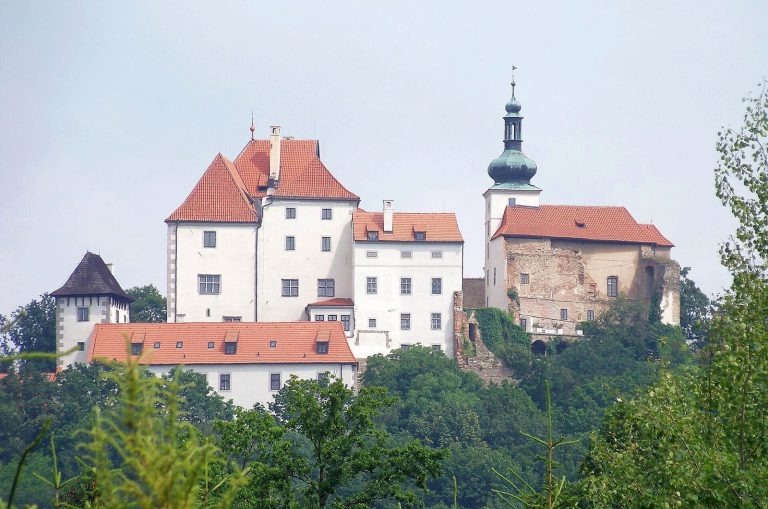
Vysoký Chlumec Castle originated in the fourteenth century and became the centre of a large Bohemian lordship held for centuries by the Lobkowicz…
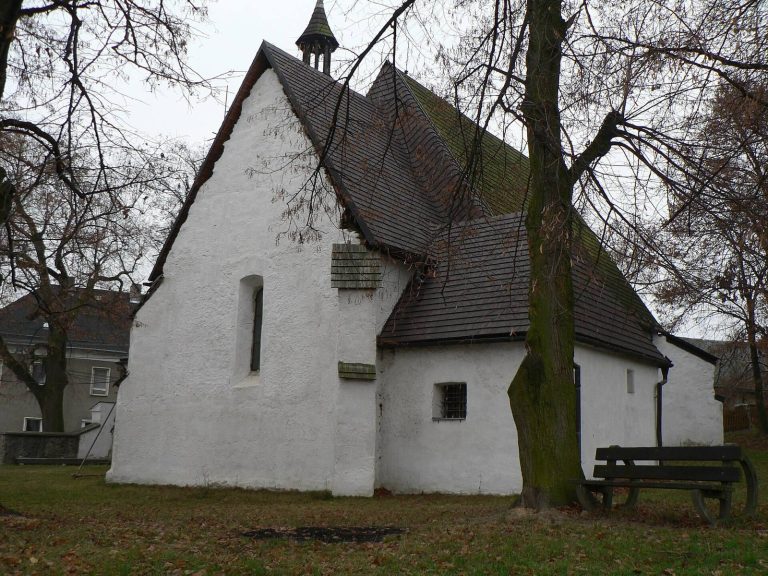
All Saints Church at Vyšehorky is an Early Gothic Roman Catholic parish church whose medieval fabric, wall paintings, tombstones, and defensive…
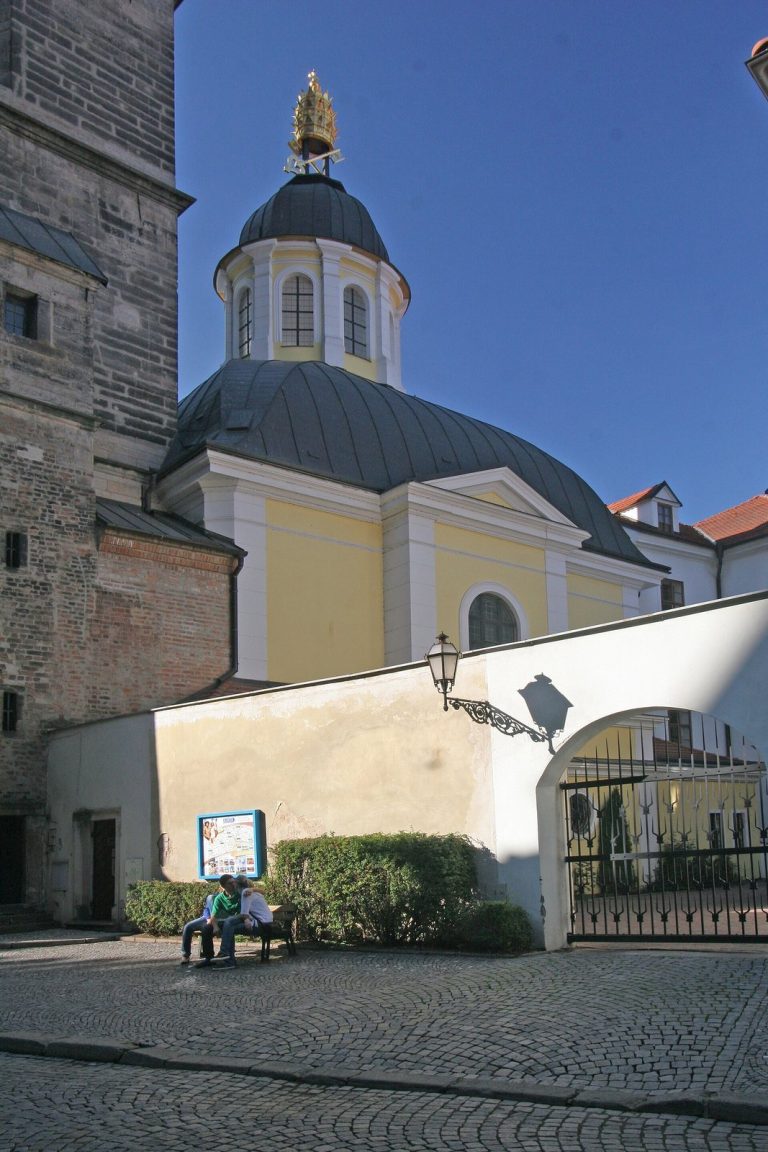
The Chapel of Saint Clemens in Hradec Králové is a Baroque successor to medieval chapels beside the White Tower, traditionally attributed to Jan…
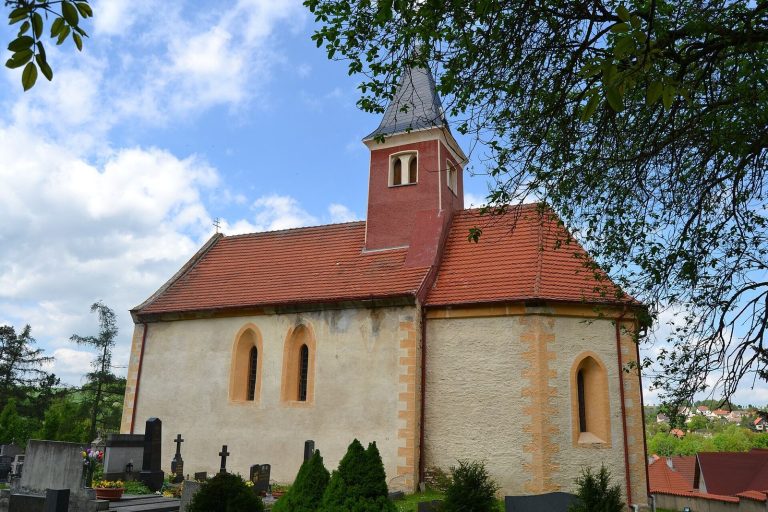
The Church of Saint Giles in Libeř is a fourteenth-century Gothic Roman Catholic church whose history includes medieval parish administration,…
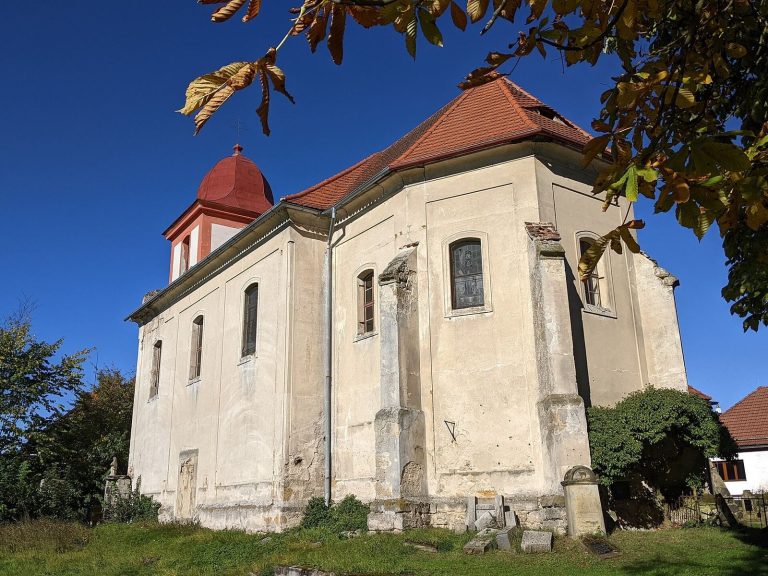
The Church of Saint James the Elder in Bořejov developed from a medieval parish into an early eighteenth-century Baroque stone church, later enlarged…
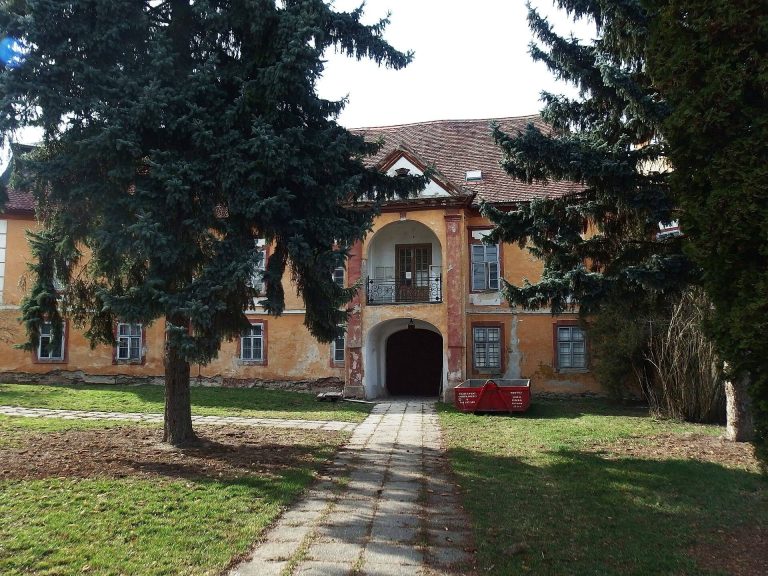
Dobromilice Castle developed from a medieval fortress into a late-Renaissance, Baroque, Rococo, and Classical complex shaped by successive noble and…
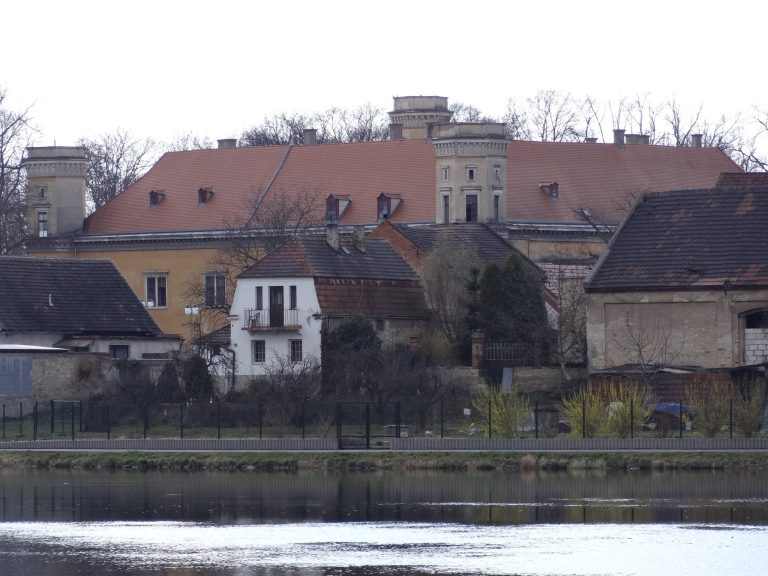
Dolní Beřkovice Castle developed from a fortified settlement beside the Elbe into a late-Renaissance residence and later a Neo-Renaissance Lobkowicz…
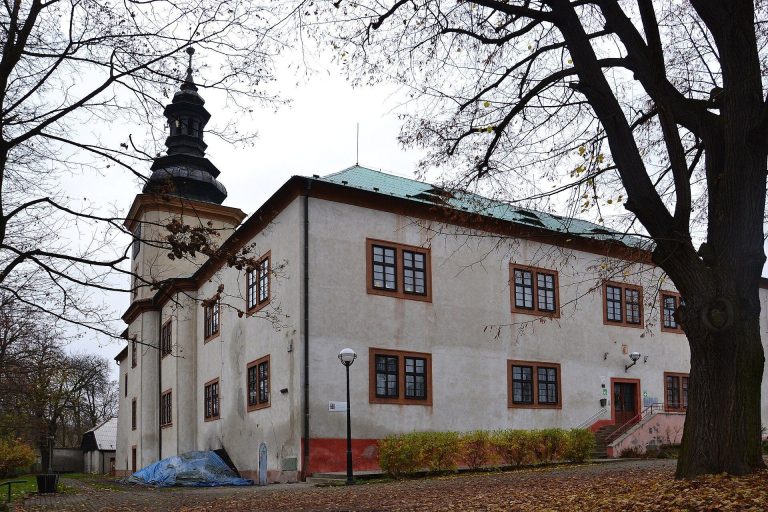
Mašťov Castle developed from a Gothic fortress first documented in 1281 into a Renaissance château, later altered in Baroque style and adapted for…
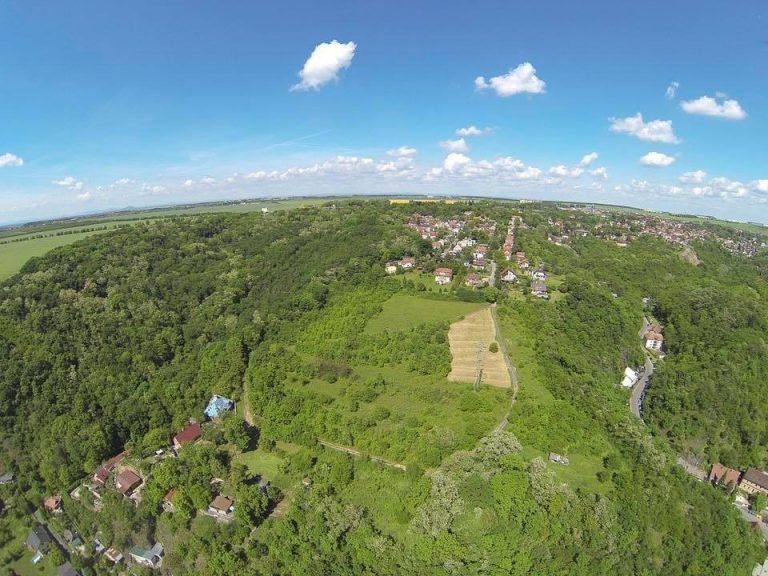
Pravý Hradec is an early medieval hillfort at Klecany, with origins around the turn of the ninth and tenth centuries. Its fortifications, cemetery,…
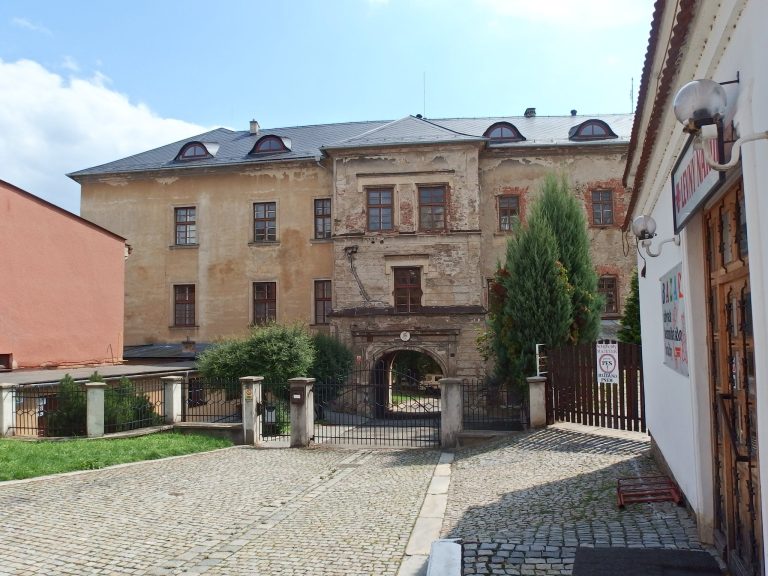
Šumperk Castle developed from a thirteenth-century administrative stronghold into a noble residence, town facility, school, military hospital,…
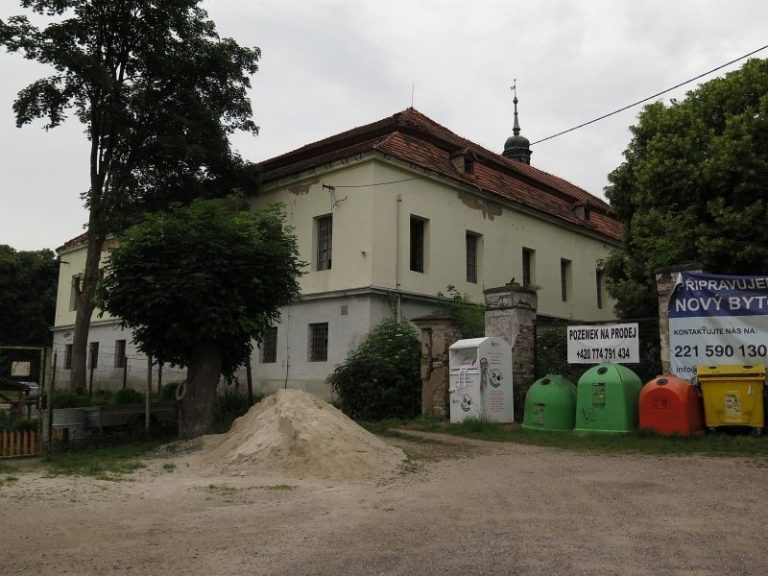
Tmaň Castle developed from a Gothic fortified manor associated with the local nobility and was rebuilt as a Renaissance residence in the seventeenth…
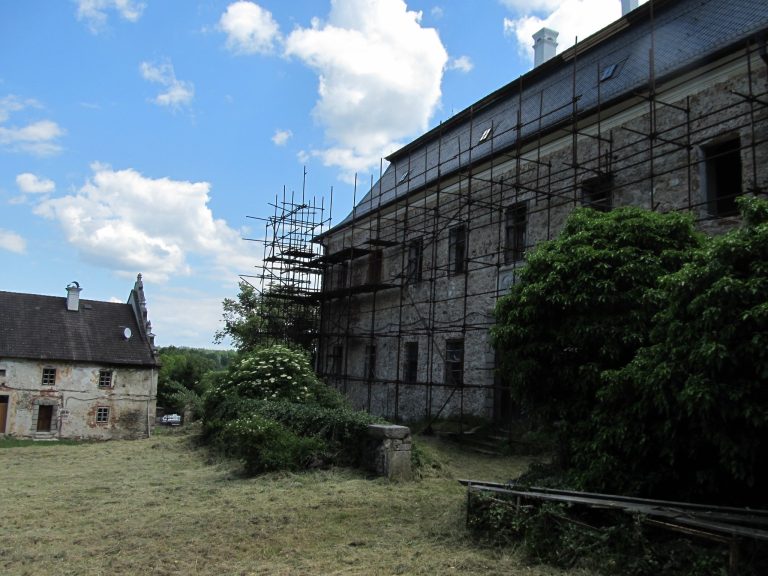
Bratronice developed from a fourteenth-century fortified noble residence into a Renaissance chateau, later altered in Baroque and Classicist styles.…
For details on how to use the maps, which sites are included, how popularity and ratings are determined, and how sites are classified, see the help page.
On this page5 sections
Castles and royal strongholds
Prague Castle occupies a long hilltop above the Vltava. Within the complex, the royal palace preserves successive Romanesque, Gothic and later changes. Benedikt Ried’s rebuilding for Vladislaus Jagiellon added the Vladislav Hall and Louis Wing, while strengthening the northern defences with new walls and towers. The eighteenth-century palace frontage around the Court of Honour belongs to a much later remodelling of the royal enclosure.
Karlštejn Castle has a more concentrated arrangement. Founded by Charles IV in the fourteenth century, it developed into a protected treasury for coronation regalia and relics. Its buildings rise across stepped terraces towards the Great Tower. Inside, the Chapel of the Holy Cross preserves Gothic panel paintings of saints and holy rulers; the panels also served as reliquaries. Heavy iron-faced doors and multiple locks protected this decorated interior. The castle’s outer appearance includes substantial nineteenth-century restoration, alongside its surviving medieval decoration.
Palaces and court theatres
At Český Krumlov Castle, a long rocky site above the river supports a succession of courtyards, residences and connecting passages. Medieval construction was followed by Renaissance and Baroque alterations. The multi-storey Cloak Bridge crosses a deep ditch, with covered upper passages connecting the palace, theatre and gardens.
The Baroque theatre preserves more than an auditorium. Wooden machinery beneath its deep stage operated scenery and curtains, while historical scenery, props and costumes also survive. Benches, a balcony and a separate princely box arranged the audience according to position and rank. This theatrical equipment gives the residential complex a particularly detailed record of court entertainment.
Châteaux and historic residences
Litomyšl Chateau was rebuilt as a Renaissance residence from 1568. Three sides of its main courtyard have tiers of semicircular arcades, while decorated walls add scenes from classical history and the Old Testament. Across the façades and gables, sgraffito creates patterns resembling cut stone: the design is made by scraping through an upper plaster layer to reveal a contrasting colour beneath. Restoration has repaired and partly reconstructed this decoration.
Lednice Castle presents a later reinterpretation of older architectural forms. Its present Tudor Gothic Revival appearance dates largely from the nineteenth century, during Liechtenstein ownership. Wings and courtyards accommodate a large residence, with reception rooms arranged towards the park. Despite the castle name and Gothic vocabulary, the visible palace belongs chiefly to a later aristocratic building campaign, rather than a surviving medieval fortress.
Churches and synagogues
St Barbara’s Church in Kutná Hora was supported by the burghers of a mining town and dedicated to the miners’ patron saint. Its five-aisled interior developed from an earlier three-aisled plan. Vault ribs meet the polygonal piers above sharply profiled arches, while an external framework of sandstone supports braces the building.
Prague’s Old-New Synagogue, built around 1270, preserves a much more compact medieval interior. Two octagonal columns divide the rectangular prayer hall into two naves and support six vaulted bays. The five-part vaults and central columns give the room its distinctive arrangement.
Explore the collection
Explore sites on the map or in the grid. Map icons indicate each site’s primary function, helping you identify different kinds of places at a glance. Narrow the results by primary function, site type, civilization or era, with additional filters for popularity and rating. Select a map marker to view the site’s details and open its article, or open the article from its grid entry.