Teutonic Knights Sites: Castles, Commanderies and Churches
The Teutonic and Livonian Order collection contains more than 200 published sites in the current dataset. Their surviving buildings reach from the fortified headquarters of Prussia and Livonia to commanderies, residences and churches elsewhere in Europe. Some began before the Teutonic Order held them; others were extensively rebuilt after the medieval period. Looking at their rooms and later alterations helps distinguish an order’s administrative centre from a frontier castle or a local religious house.
Explore the map or grid to locate sites and open their individual articles. The Teutonic and Livonian labels are both included because the Livonian branch joined the Teutonic Order after the defeat of the previously independent Sword Brothers in 1236.
Primary Function: All
Type: All
Civilization: All
Country: All
Popularity: All
Rating: All
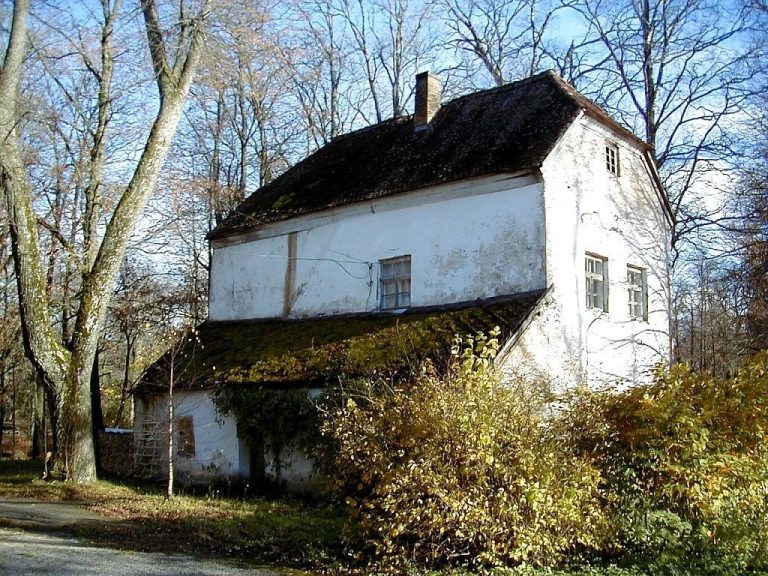
Dižstende Old Castle in Latvia developed from a medieval fief into a fortified manor of the Brüggen family, later becoming part of a modern…
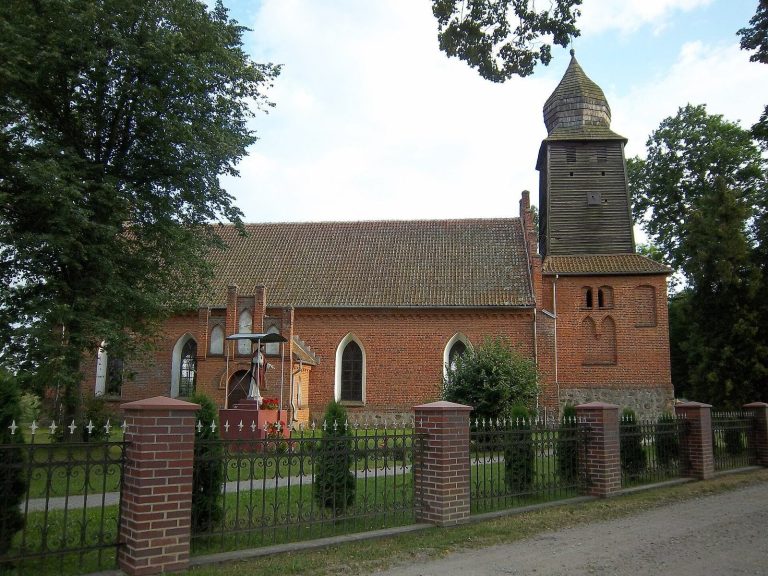
Our Lady of Częstochowa Church in Łukta originated in the medieval period, reached its present form under the Teutonic Order in 1407, and became a…
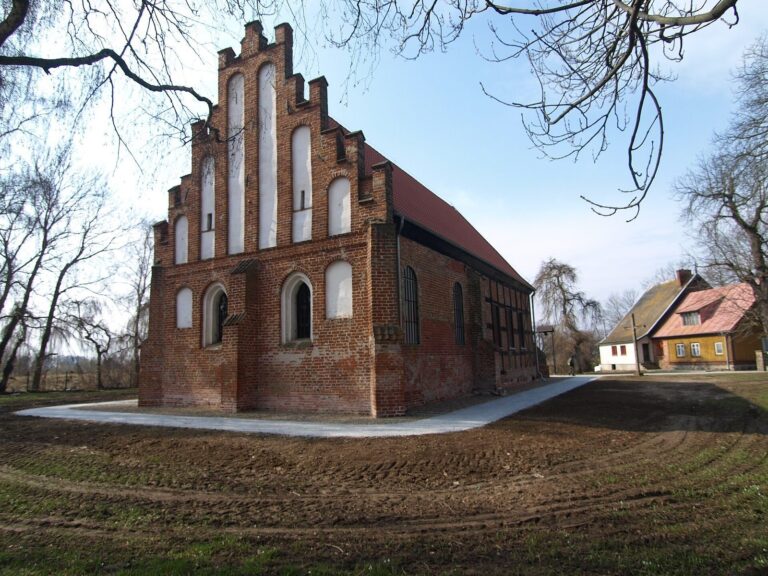
Founded in the fourteenth century, Saint Nicholas Church in Cyganek reflects changing Catholic and Protestant use, rebuilding after collapse and…
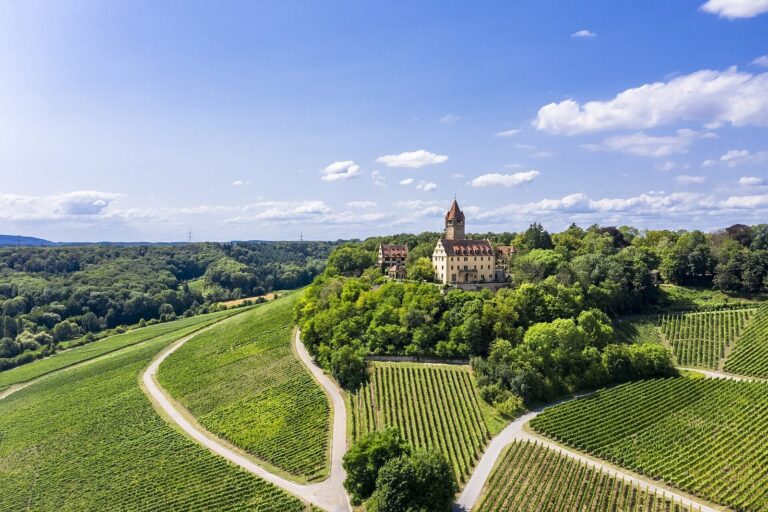
Schloss Stocksberg above Stockheim developed from a medieval stronghold into a two-winged residence rebuilt in 1574. Its history includes Teutonic…
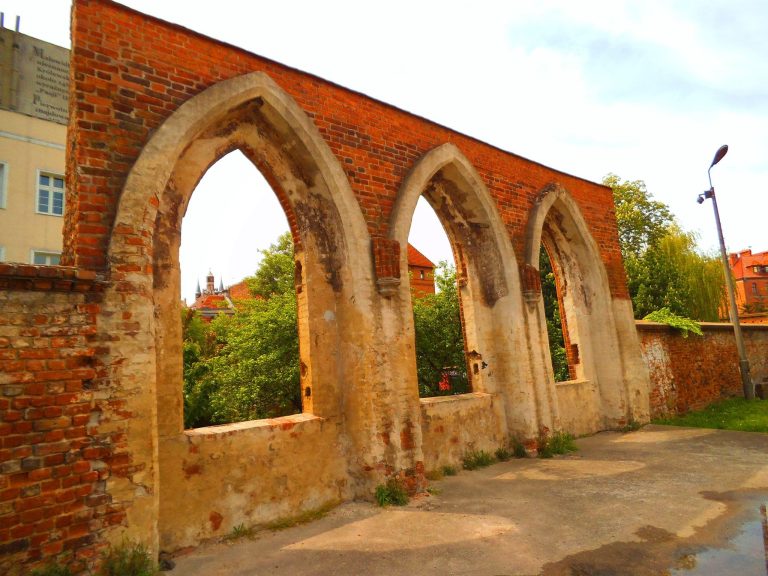
The Church of St. Nicholas was a major Gothic Dominican complex in Toruń, founded in the thirteenth century and demolished in 1834. Archaeological…
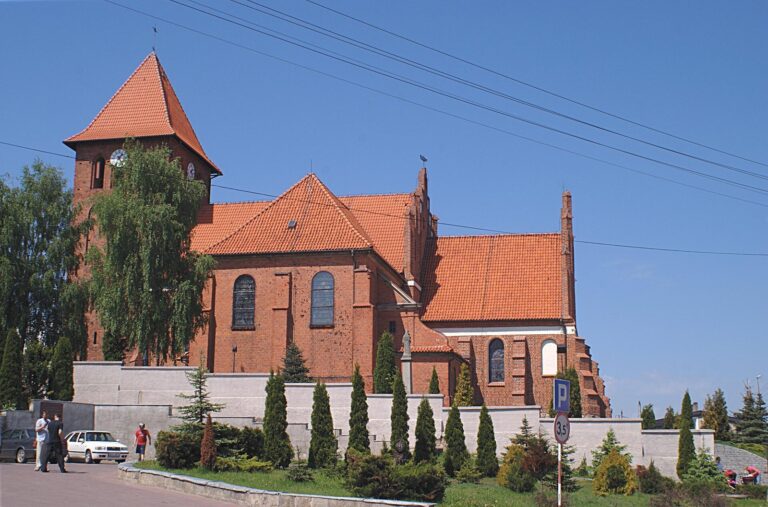
Founded in the fourteenth century with Teutonic Order support, All Saints' Church in Skórcz has served Catholic and Lutheran worship and undergone…
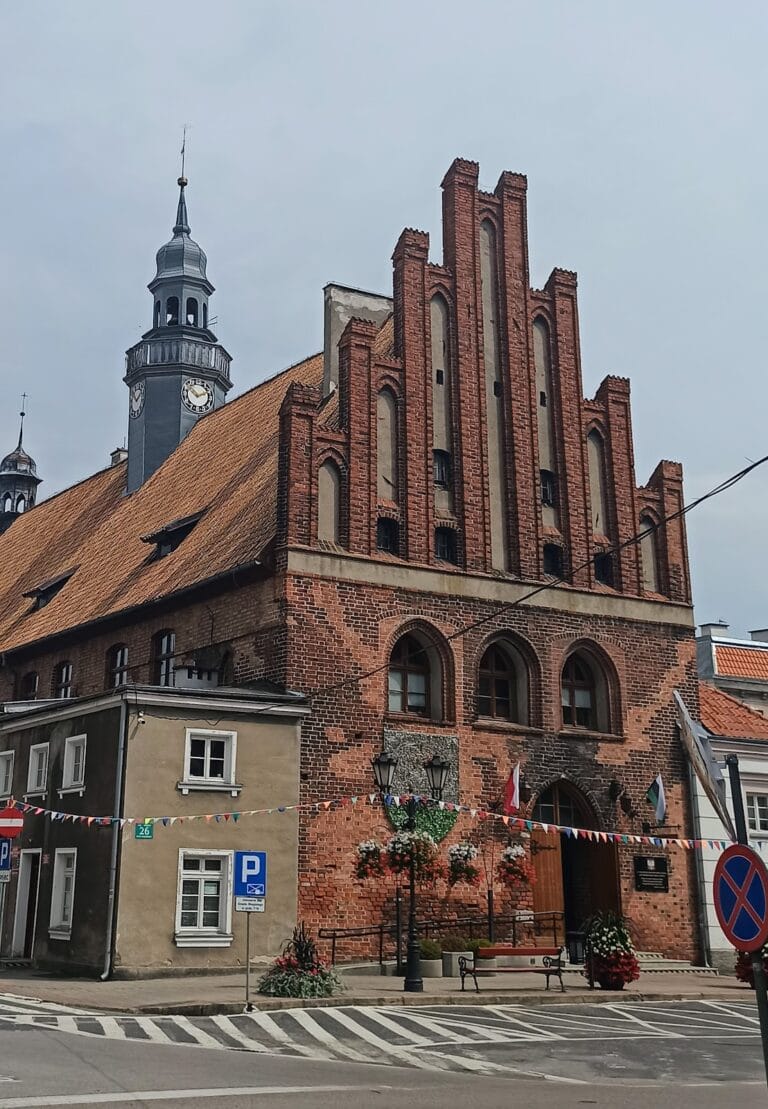
Orneta Castle was a Gothic stronghold and episcopal residence in Warmia, used by the region’s bishops from the fourteenth century until the First…
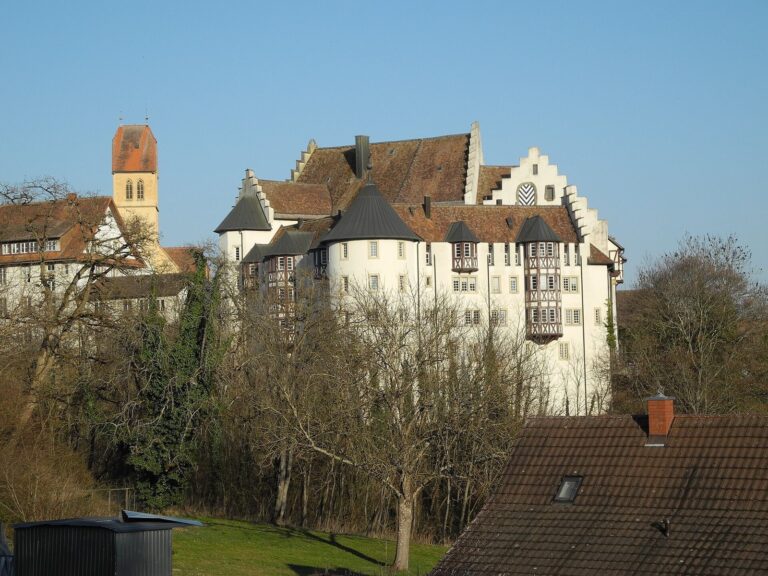
Schloss Blumenfeld is a late-medieval castle in Baden-Württemberg whose present form reflects reconstruction by the Teutonic Order and later use as a…
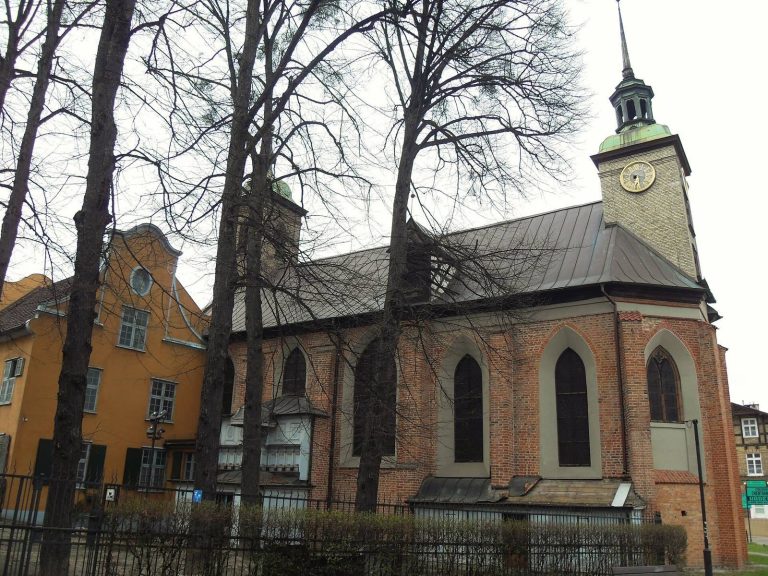
Corpus Christi Church in Gdańsk developed from a medieval hospital chapel into a two-nave church shaped by Catholic, Evangelical, and Old Catholic…
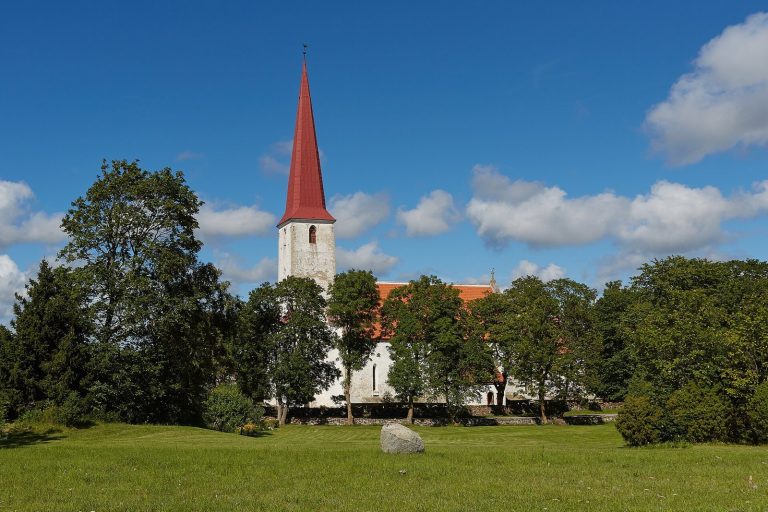
Kihelkonna St. Michael's Church on Saaremaa Island was founded around 1250 by the Livonian Order and the Bishopric of Ösel-Wiek. Its medieval fabric,…
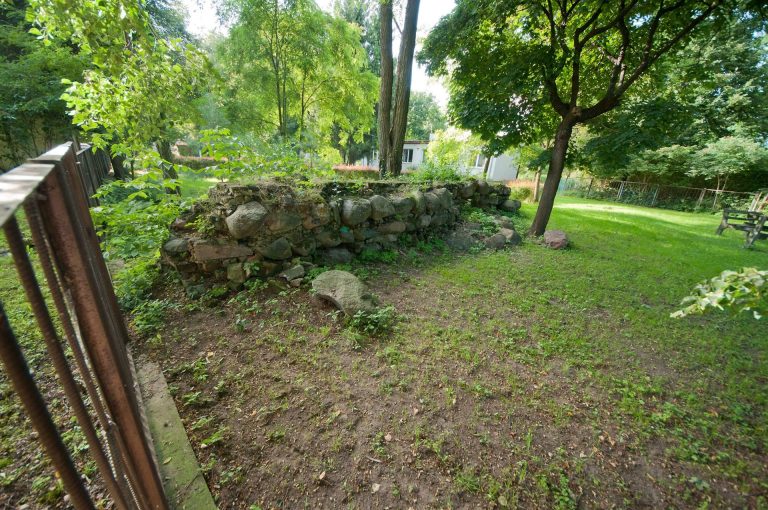
Pisz Castle developed from a Teutonic wooden-and-earth manor into a masonry castle and artillery fortress before its dissolution, demolition, and…
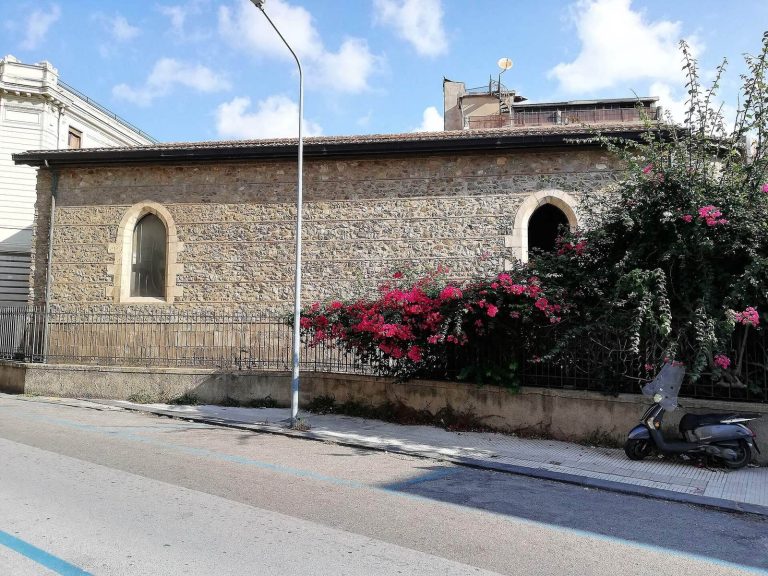
Santa Maria Alemanna in Messina was founded in 1195 for the Teutonic Order and later formed part of a hospital complex serving crusaders and…
For details on how to use the maps, which sites are included, how popularity and ratings are determined, and how sites are classified, see the help page.
On this page5 sections
Malbork: a headquarters built around communal life
At Malbork Castle in Poland, the oldest High Castle formed a four-winged brick conventual complex around a courtyard. Its chapel, chapter house, dormitories and refectory accommodated worship, meetings, sleeping and meals. Stores and workshops supported a community that also managed military and political affairs. The grand master moved the order’s headquarters here in 1309, and the growing complex acquired the Middle Castle and an outer ward. Its scale reflects the administrative demands of the Teutonic state in Prussia as well as its defensive role.
Toruń Castle shows a different stage of that state. Built from the mid-thirteenth century beside the developing town, it housed a commander and had an unusual horseshoe-shaped plan. A masonry passage led to the dansker, a separate tower used as a latrine and defensive position. The castle was damaged during the 1454 uprising against the order; today its ruins make the arrangement of early Teutonic fortification more legible than a complete palace would.
Livonian centres at Cēsis and Ventspils
Cēsis Castle in Latvia began with the Sword Brothers’ timber stronghold in the early thirteenth century. A stone castle rose beside it before the brothers’ incorporation into the Teutonic Order in 1237. Cēsis later served as the residence and administrative centre of the Livonian master. Its courtyard wings, outer baileys and ditches formed a larger defended complex than the surviving walls alone suggest. The ruins preserve both an earlier independent order phase and the later Livonian branch.
Near the Baltic coast, Ventspils Castle was completed by 1290. It became a commander’s residence and a storehouse for food and weapons near the mouth of the Venta River. Four wings enclosed a compact court. Medieval service rooms occupied lower levels, while a chapel and chapter hall stood above them. These internal functions explain why a commandery needed more than walls and towers.
Estates and residences beyond the Baltic
At Alden Biesen in Belgium, a chapel and its lands were donated to the Teutonic Order in 1220. A hospital and the administrative centre of the Biesen bailiwick developed there. The present moated, four-winged water castle belongs chiefly to later rebuilding, so it should not be read as an unchanged thirteenth-century fortress. Its courts, service buildings and gardens show how an order estate could develop into a substantial residence.
Ellingen Residence in Germany also grew from a hospital given to the order in the early thirteenth century. For centuries it served the Franconian territorial commander’s administration. The palace visible today was built mainly in the eighteenth century, with Baroque rooms around large courts and a palace church that retains a Gothic core. These later buildings record the continued wealth and changing residential needs of the order’s European provinces.
The order’s church in Vienna
The Church of the Teutonic Order in Vienna presents the religious side of this network. The present church was built in the fourteenth century and later altered in Baroque style. A ribbed vault, pointed windows, armorial shields and tombstones preserve features from different periods. Its 1520 altarpiece was transferred here from Gdańsk in the nineteenth century, so the object and its current setting have different histories.
Explore the collection
Use the map markers or grid entries to open site details and their articles. The icons indicate each site’s primary function. You can refine the Teutonic and Livonian collection by civilization label, country, primary function, type and era, then use popularity or rating when comparing results. The individual articles explain which parts belong to each order’s phase and which reflect later rebuilding.