Castell de Santa Coloma de Queralt: A Historic Fortress and Noble Residence in Spain
Visitor Information
Google Rating: 4.3
Popularity: Low
Official Website: scq.cat
Country: Spain
Civilization: Early Modern, Medieval European
Site type: Domestic
Remains: Palace
History
The Castell de Santa Coloma de Queralt is situated in the town of Santa Coloma de Queralt, Spain. This fortress was established by the Catalan nobility and stands as a witness to medieval and early modern history within the region.
The origins of the area date back to the late 9th century when Count Guifré el Pilós controlled the territory. However, the first written record specifically mentioning the castle appears in 1018, documenting when Hug de Cervelló passed half of the castle’s ownership to his son, Alemany. Initially linked to the Cervelló family, the castle later came under the influence of the Gurb family, several of whom also held lordship over the nearby Queralt castle. By the early 12th century, the Castell de Santa Coloma de Queralt had established its separate identity from Queralt, marking a shift in its ownership and role.
Over time, the castle transferred through several noble houses, including the Timor and Queralt families. Around 1230, it became the center of the Barony of Queralt, which encompassed multiple villages and territories controlled by the Queralt lineage. This family maintained their influence over the barony for centuries, reflecting the castle’s importance as an administrative and noble seat in the region.
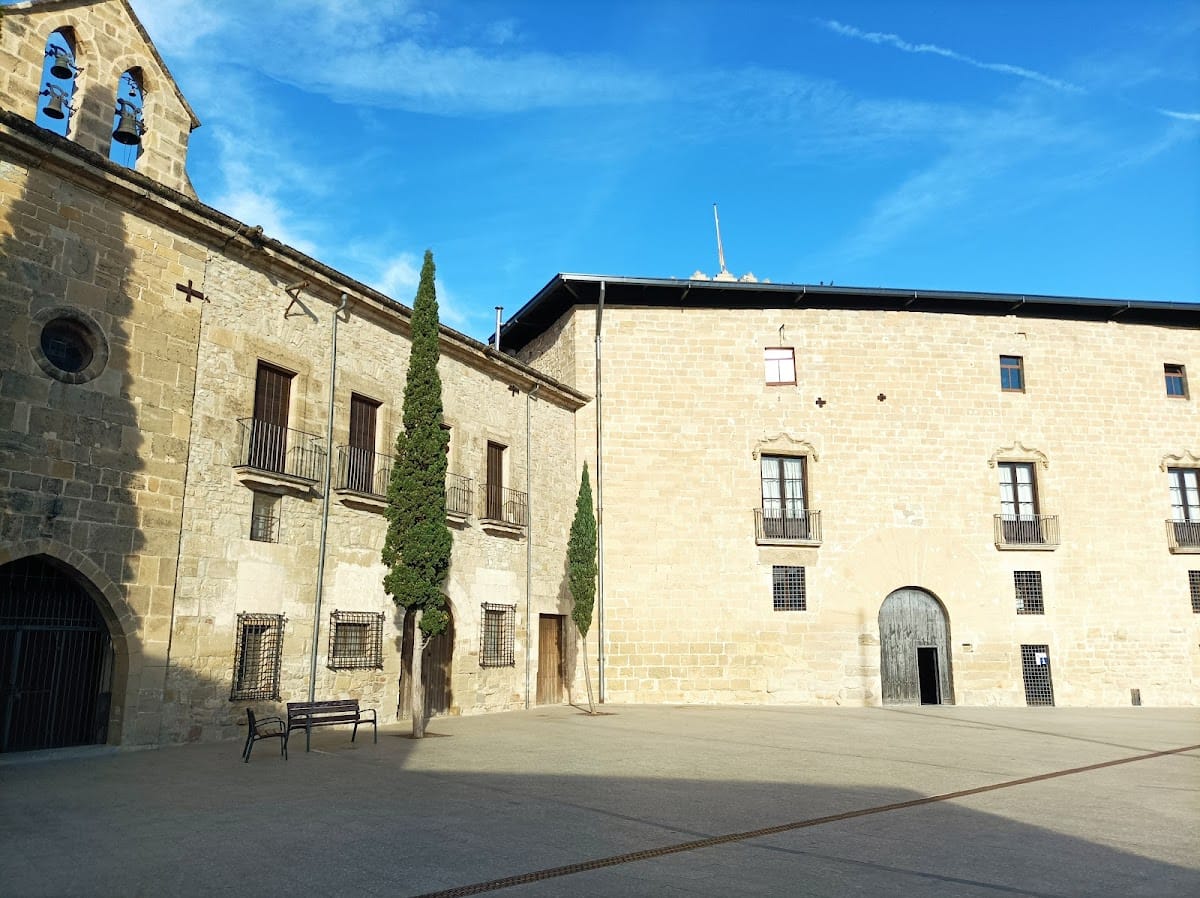
In 1599, a significant change occurred when Pere de Queralt i d’Icard received the title of Count of Santa Coloma from King Philip II of Spain. This noble elevation coincided with the transformation of the castle from a medieval fortress into a grand residence. The remodeled structure incorporated a prominent Baroque façade while preserving the medieval keep, symbolizing both historical continuity and Renaissance tastes.
During the mid-17th century Catalan Revolt, also known as the Guerra dels Segadors, the castle was repurposed as a military hospital, serving the needs of the conflict. Ownership changed hands in 1689 when it passed to the Reard family, who adopted the Queralt name to continue the lineage. The castle maintained its feudal lordship status until the abolition of noble privileges and by the 19th century, it served additional civic functions, including housing the town prison while still under the counts’ ownership.
Remains
The remains of Castell de Santa Coloma de Queralt present a blend of medieval defensive architecture and later noble residential construction. The overall layout shows the evolution from a fortified castle to a Renaissance-style noble residence.
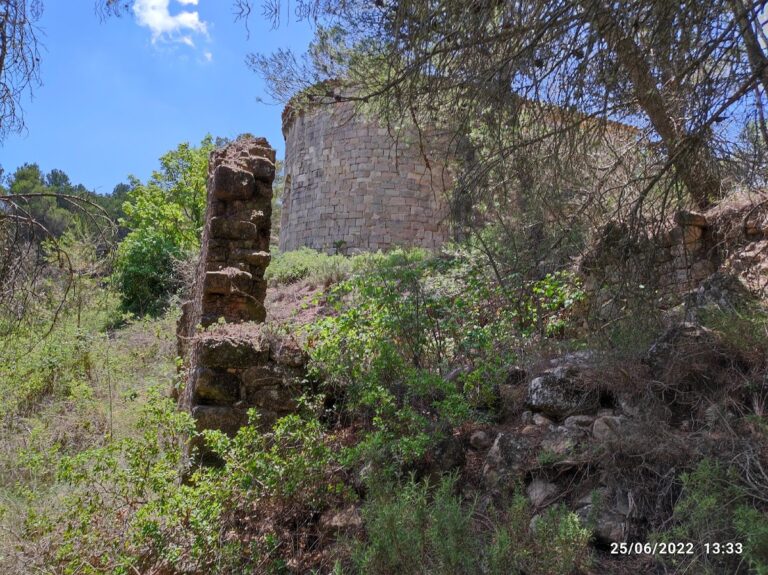
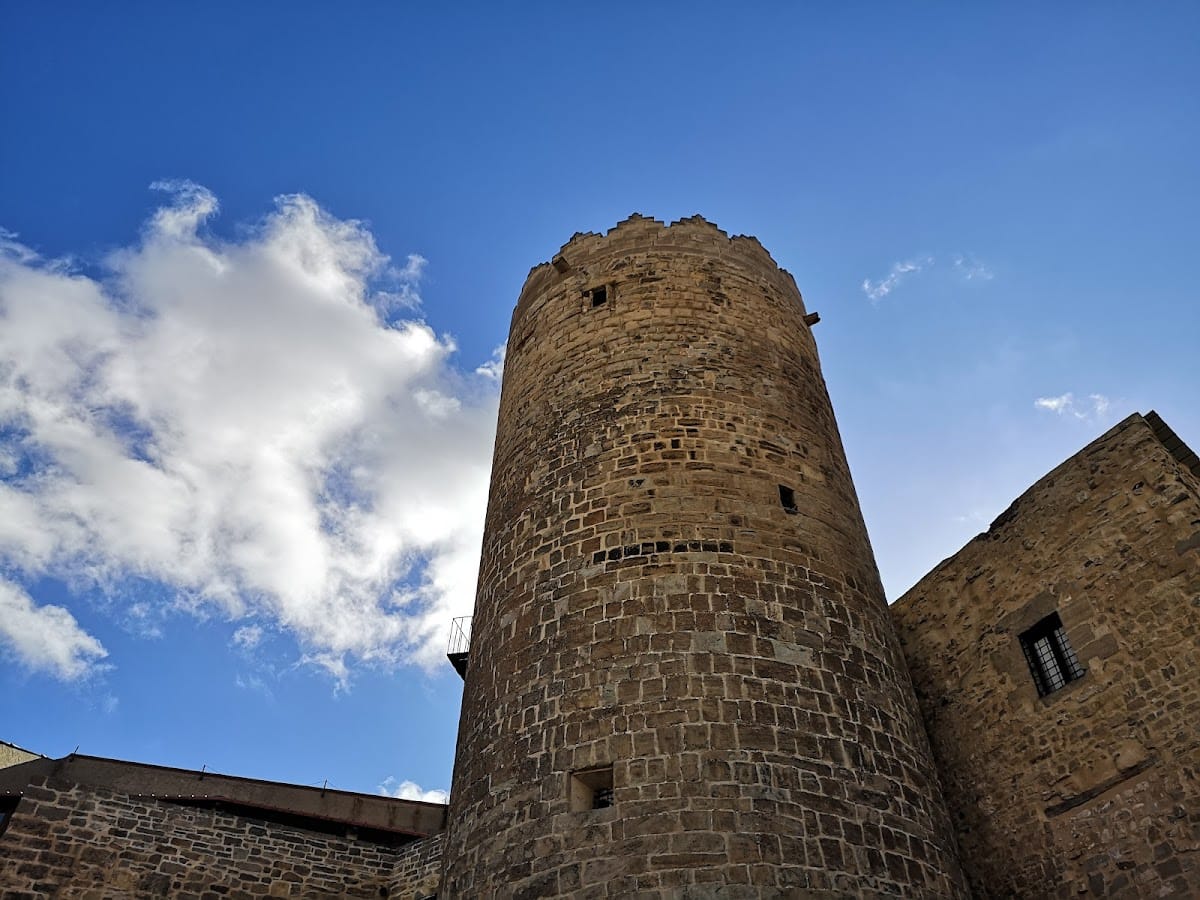
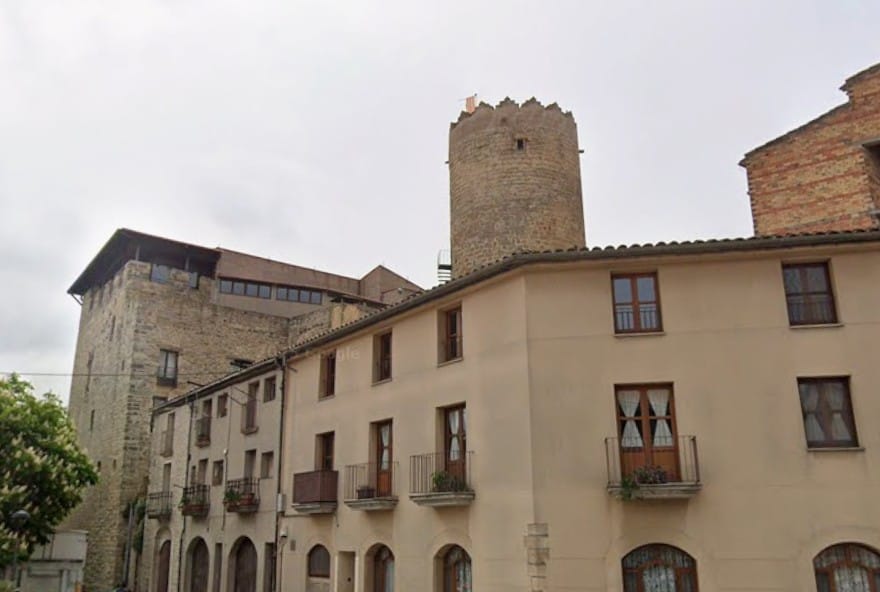
The castle’s most prominent feature is the circular main tower or keep, dating from the late 11th or early 12th century, when the castle had become independent from Queralt. This tower stands 23.5 meters tall with a base diameter of 12 meters tapering to 9 meters at its upper level. Constructed from large ashlar stone blocks, some measuring roughly 30 by 40 centimeters, the thick walls highlight its defensive purpose and building solidity. Originally, access to the tower was via an external staircase leading to the first floor, and the interior houses four floors topped by a terrace lined with battlements for surveillance and defense. The ground floor was dedicated exclusively to storage. The tower is currently well preserved and subject to restoration efforts aimed at maintaining its historical fabric.
Surrounding the tower were medieval walls that once enclosed the castle. These walls have disappeared over time, as many of their stones were recycled to build the later, lower medieval castle that replaced earlier fortifications. This newer castle was built on a rectangular footprint and functioned primarily as a noble residence with four stories. Its northern façade is integrated into the town’s defensive wall, blending military and urban structures. Inside, wooden beams supported the floors, resting on pointed Gothic arches, demonstrating an architectural style combining strength and aesthetic grace.
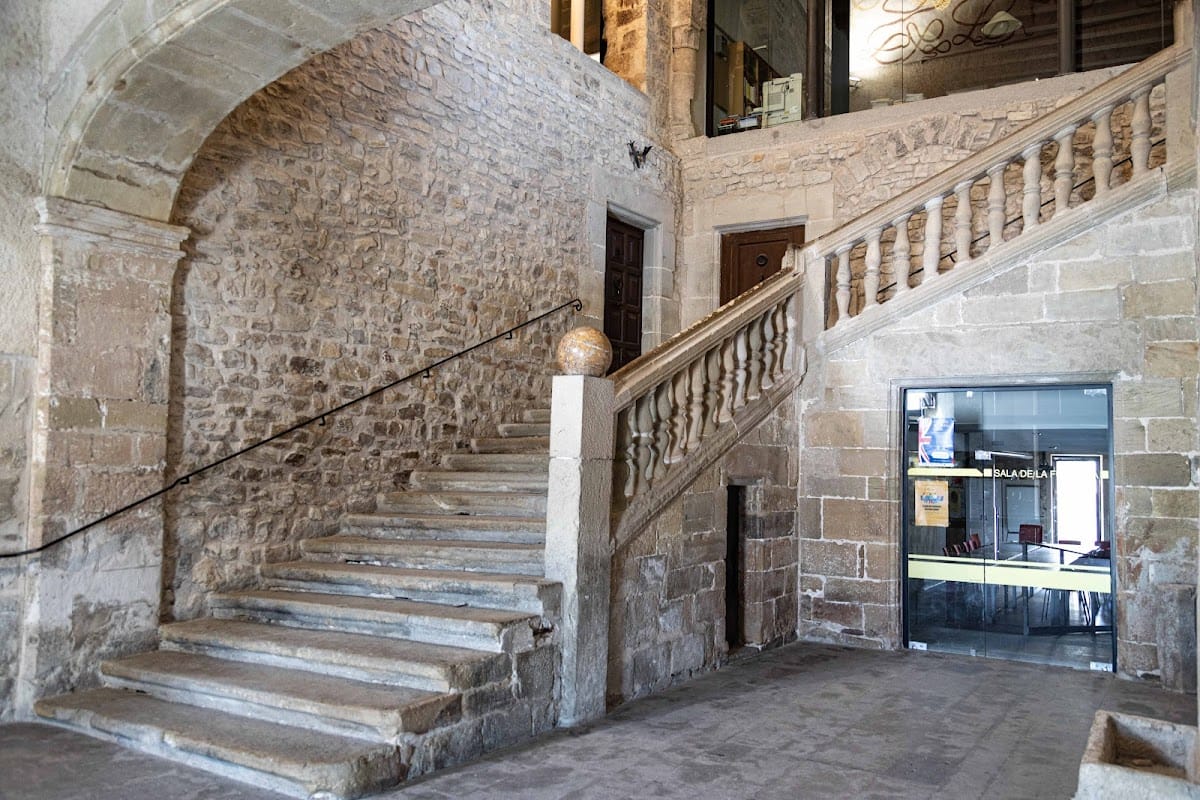
By the late 16th century, the castle underwent a transformation that gave it its current Renaissance appearance. Among the most remarkable interior features is the grand staircase vault which is decorated with secular and pagan frescoes painted in the mid-1500s. These frescoes were likely created by Lluís Martínez between 1576 and 1577, employing glue tempera on a wooden and plaster surface. At the center is an image of the river god Tiber, inspired by a Roman sculpture discovered in 1512 and widely known through a 1550 engraving by Nicola Béatrizet. Surrounding the central figure are representations of Romulus and Remus, the legendary founders of Rome, the cornucopia symbolizing abundance, and portraits of four figures linked to the Battle of Lepanto. These include, possibly, Lluís de Queralt i d’Icart, the Ottoman leader Uluj Alí, Admiral John of Austria, and King Philip I of Aragon, connecting the decoration to historical and military events of the period.
Together, these architectural and artistic elements reflect the castle’s long history, from medieval stronghold to noble residence, illustrating a layered heritage conserved within the fabric of the Castell de Santa Coloma de Queralt.
Nearby sites