Religious Sites: Explore Temples, Churches, Mosques and Sacred Complexes
Explore more than 6,500 historic religious sites, including temples, cathedrals, monasteries, mosques, madrasas, synagogues and timber-built shrines. The collection spans Europe, North Africa, the Middle East and Asia. Its standing interiors and extensive archaeological complexes include spaces for worship, religious teaching, processions and communal life, with some buildings retaining more than one religious phase.
Type: All
Civilization: All
Country: All
Popularity: All
Rating: All
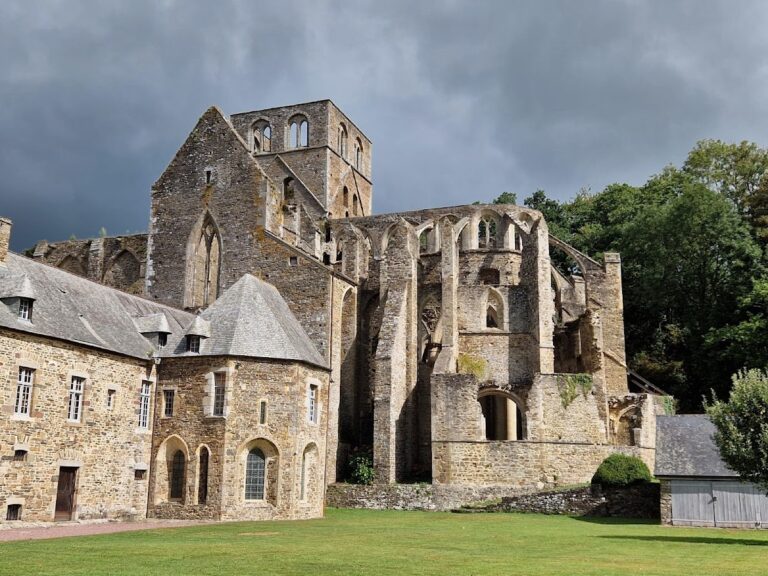
Hambye Abbey was a major Benedictine foundation in Normandy, established around 1145 and expanded over the following centuries. Its ruined church,…
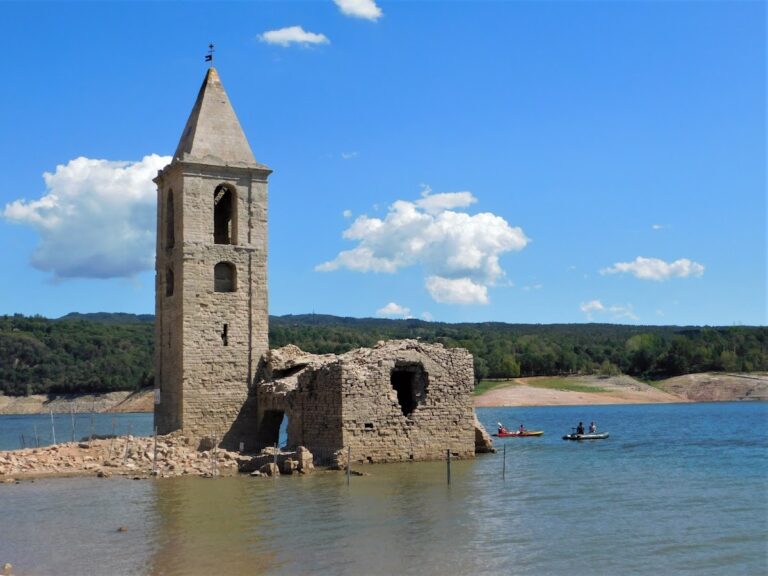
Church of Sant Romà was the parish church of the old village of Sant Romà de Sau in Catalonia. Consecrated in 1062, it was submerged beneath the Sau…
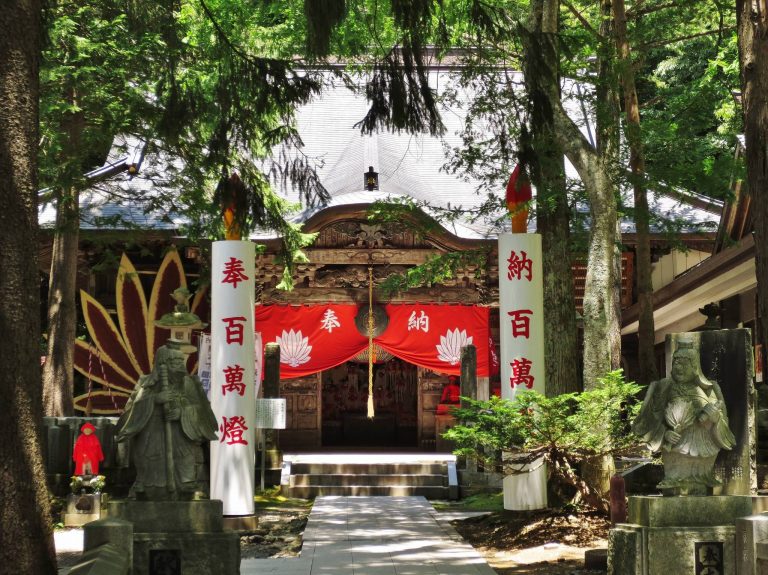
Kashōzan Ryūge-in Temple is a mountain temple in Numata with a foundation tradition dating to 848, a later Sōtō revival, Tokugawa patronage, and…
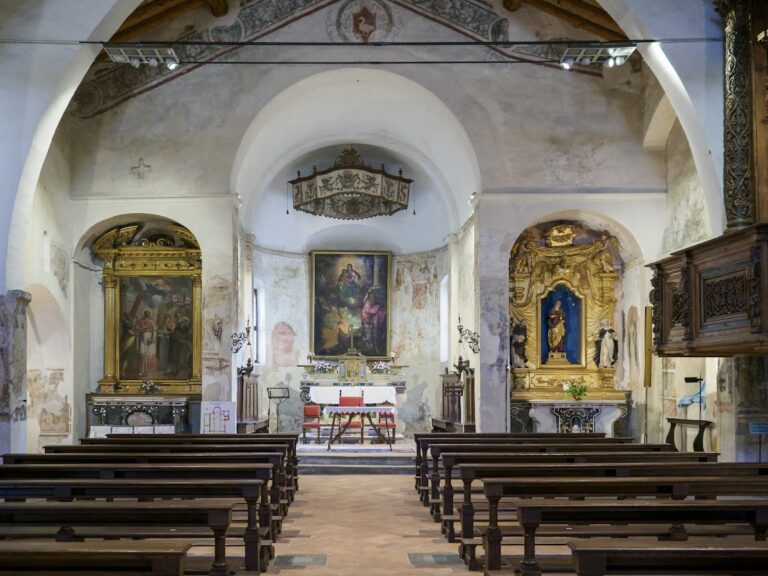
Monastero di San Pietro in Lamosa is a former Benedictine priory and parish church at Provaglio d’Iseo, with medieval foundations, later monastic…
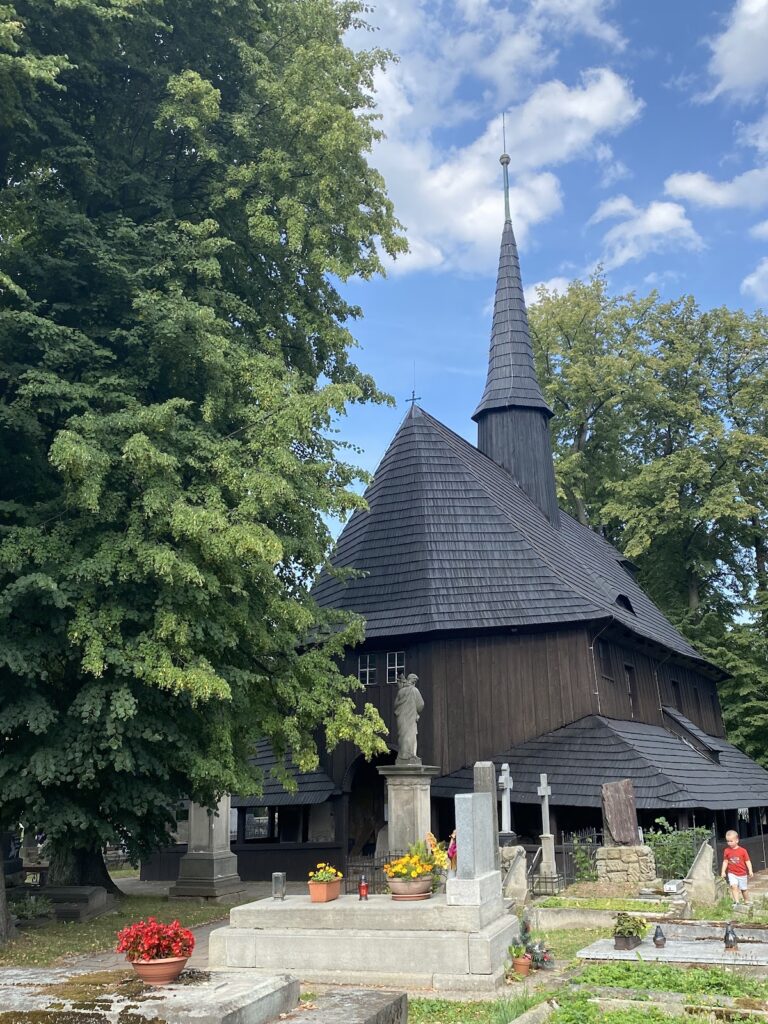
The Church of Saint Mary in Broumov is a late-medieval wooden cemetery church associated with the Benedictine monastery and parish. Its painted…
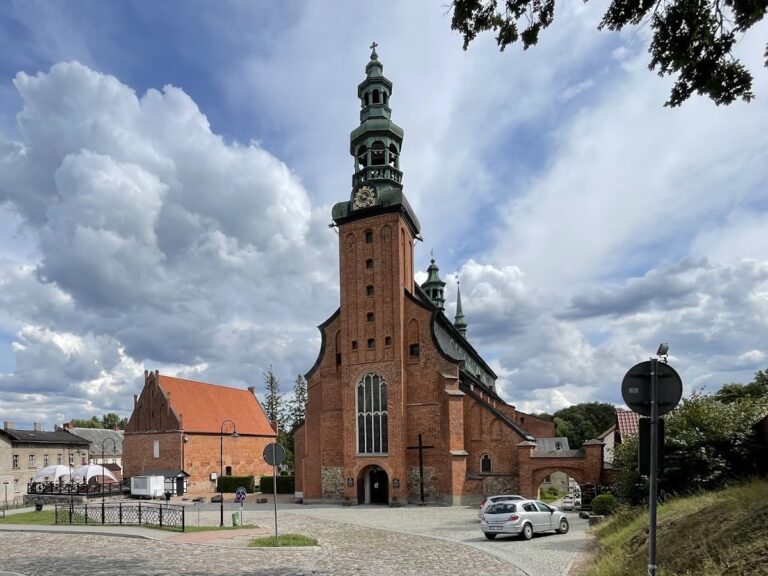
The Church of the Assumption in Kartuzy is a Gothic former Carthusian church whose surviving Baroque furnishings, late Gothic altarpiece, choir…
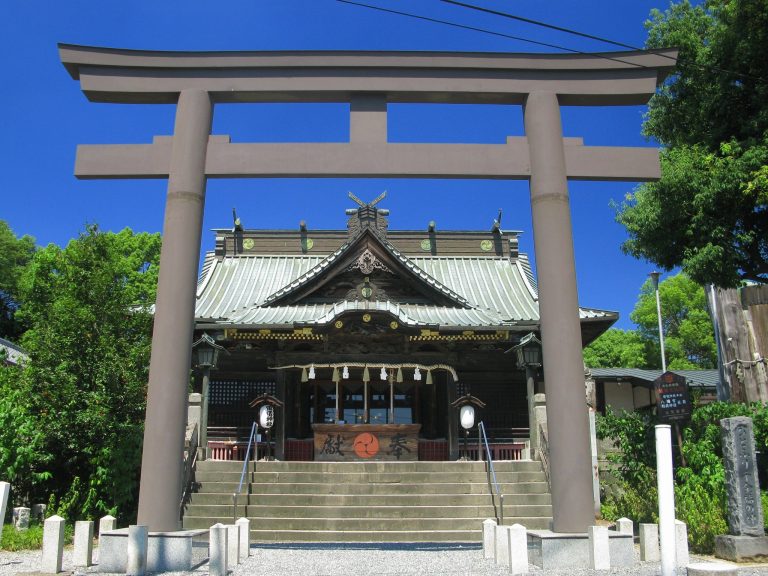
Raiden Shrine in Gunma is traditionally associated with Prince Shotoku and Sakanoue no Tamuramaro. Its present buildings preserve shrine architecture…

Gokuraku-ji Temple in western Kamakura developed into a major Shingon Ritsu center, combining religious practice with medical and welfare work. Its…
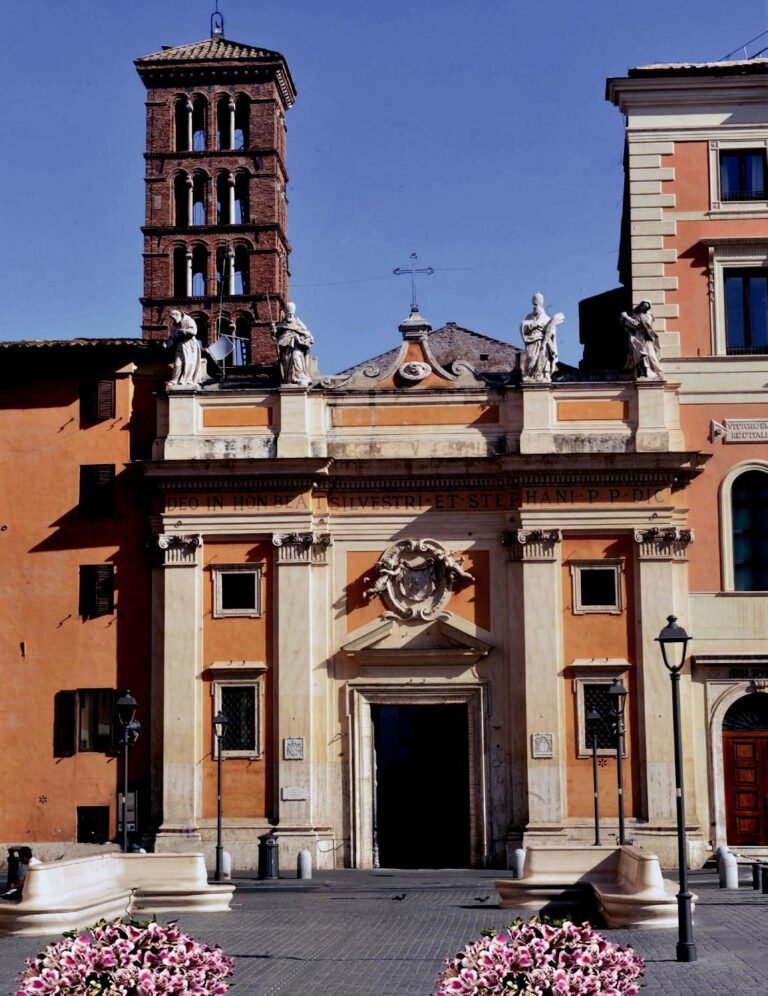
San Silvestro in Capite is a Roman basilica founded in 761 to house relics transferred from the catacombs. Its medieval bell tower, Baroque…
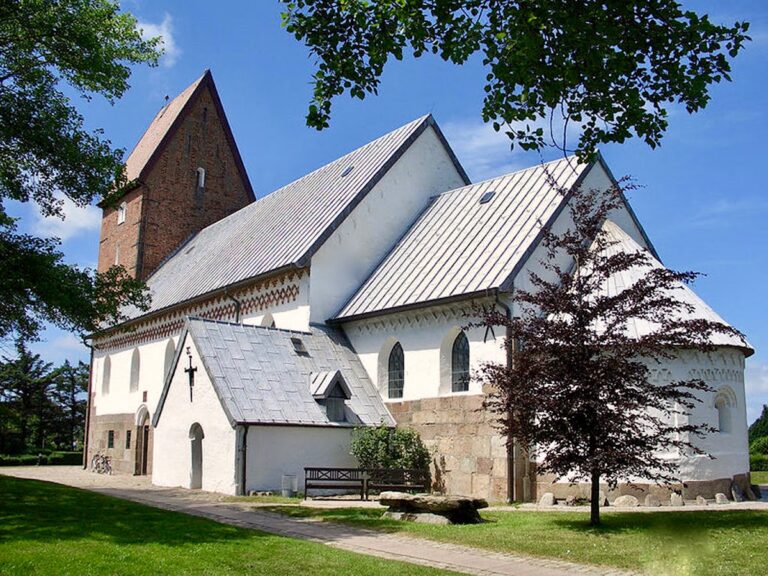
St. Severin in Keitum is a Romanesque Evangelical Lutheran church whose roof structure dates to 1216. Its medieval tower, carved altarpiece, historic…
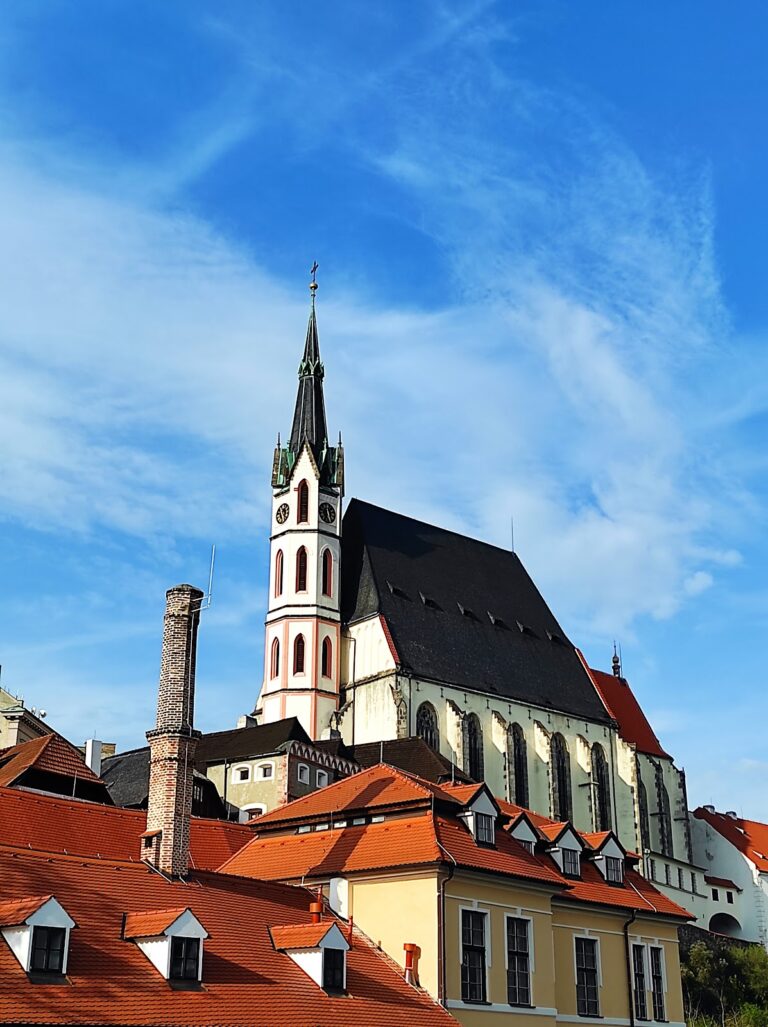
The Church of Saint Vitus in Český Krumlov developed from a fourteenth-century parish foundation into a major Gothic hall church associated with the…
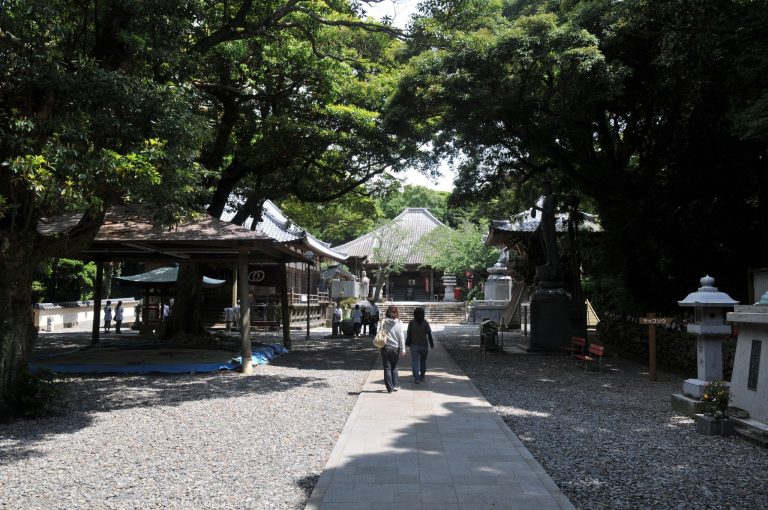
Hotsumisaki-ji Temple in Muroto, Kochi, is a Shingon Buddhist temple traditionally founded by Kūkai in 807. Its precinct preserves historic…
For details on how to use the maps, which sites are included, how popularity and ratings are determined, and how sites are classified, see the help page.
On this page10 sections
Explore by tradition
Browse these collections for religious sites associated with a particular tradition.


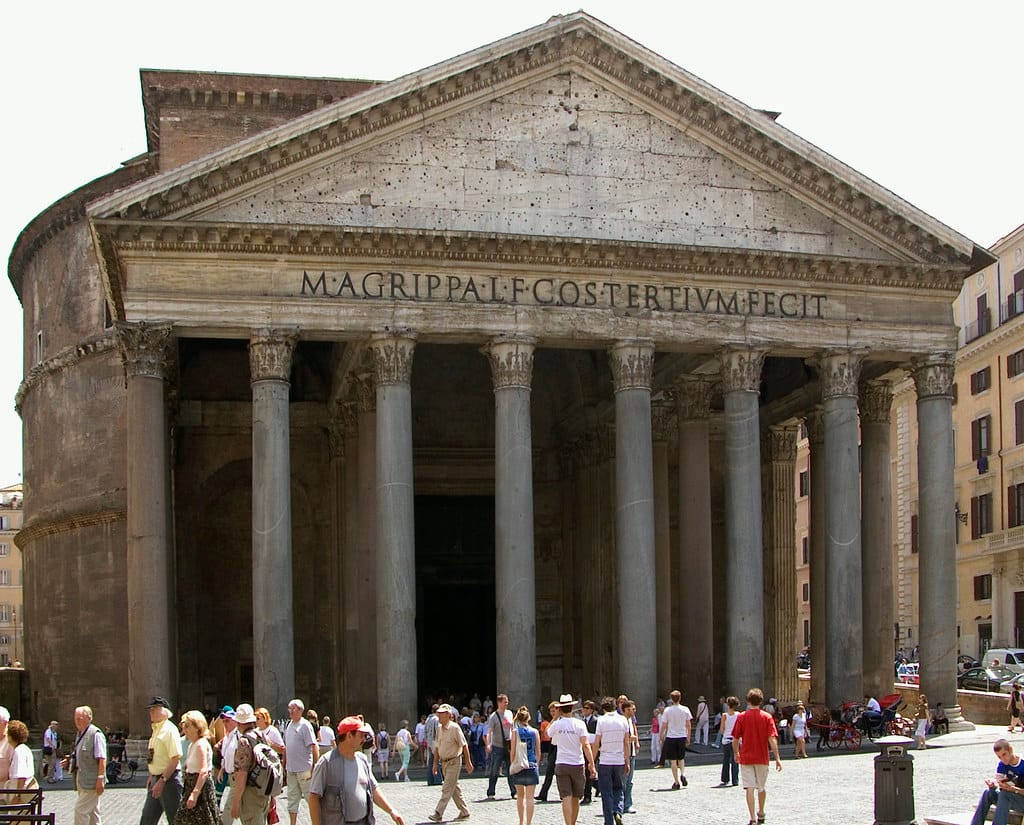
Temples, columned halls and inner sanctuaries
At Karnak in Egypt, successive gateways and courts lead through the precinct of Amun-Re. The Great Hypostyle Hall contains closely spaced rows of enormous sandstone columns shaped like papyrus plants. Taller columns along the centre carried a raised roof, with high-level openings admitting light above the lower side aisles.
The smaller Temple of Khonsu preserves another sequence of religious spaces within the complex. A columned court leads to an eight-column hall, a room for the divine barque and inner sanctuaries. The barque carried the god’s image during festivals; its dedicated chamber connected the temple’s enclosed ritual spaces with processions outside.
Cathedrals, vaults and radiating chapels
Amiens Cathedral in France rises around a high Gothic nave with rib vaults carried on clustered supports. Side aisles run beside the main space, while passages around the choir open into a ring of chapels. The different levels of arcades, galleries and windows remain clear from within the building.
The choir has a glazed upper gallery, bringing light into an area that is closed by solid walling in the nave. Large rose windows occupy the transept ends. These arrangements gave a single cathedral distinct spaces for the main liturgy, movement around the sanctuary and worship at subsidiary altars.
Madrasas, teaching rooms and courtyards
The Bou Inania Madrasa in Fez, Morocco, combines a prayer hall with classrooms and accommodation for students. Galleries surround a marble-paved courtyard containing a fountain, while small rooms occupy both the ground and upper levels. Separate corridors and stairs connect the residential areas with the main court.
Carved cedar, stucco and tile decoration are concentrated around entrances and the principal spaces. Founded in the fourteenth century under the Marinids, the complex shows how religious education required both formal teaching rooms and the everyday facilities of a residential institution.
Synagogues, mosques and religious reuse
Córdoba Synagogue in Spain occupies a small site within the old Jewish quarter. A courtyard and entrance hall lead into its prayer room, with a gallery above the entrance. Carved plasterwork and Hebrew inscriptions survive on the walls, preserving the decoration of a medieval place of worship within a densely built neighbourhood.
The city’s Mosque-Cathedral contains a much larger sequence of religious spaces. Repeated double-tiered arches supported the mosque’s roof on comparatively short columns, creating long views through the prayer hall. Christian chapels and a later central cathedral nave were inserted after the building’s conversion. The Islamic arcades and the later church architecture remain visible within the same complex.
Buddhist temples and Shinto shrines beside water
At Byōdō-in in Uji, Japan, the Phoenix Hall stands on an island in a pond. Its central Buddhist hall is flanked by wing corridors, with another corridor extending behind it. Built in 1053, the hall preserves the timber framing and broad projecting eaves of a building arranged around an image of Amida Buddha. The bronze phoenixes on the roof are replicas; the originals are kept separately.
Itsukushima Shrine, on Miyajima, uses a different relationship with water. Covered corridors link Shinto worship halls, purification spaces and subsidiary shrines over the shallow bay. A raised stage stands before the principal halls. High tide surrounds the supports, while low tide exposes the ground beneath them. Rebuilding and the repair of timber exposed to seawater have maintained the complex’s historic arrangement over successive centuries.
Explore the collection
Explore religious sites on the map or in the grid. Narrow the results by country, site type, civilization or era, with additional filters for popularity and rating. Select a map marker to view the site’s details and open its article, or open the article from its grid entry.