Norman Historic Sites: Explore Keeps, Abbeys and Royal Chapels
Explore more than 600 historic sites associated with the Normans, from the stone keeps of Normandy and England to castles in Ireland and richly decorated churches in Sicily. The collection follows Norman rulers and settlers across these regions, with buildings that served military, religious and royal purposes.
Their surviving architecture varies considerably. A square northern keep and a Sicilian chapel with Byzantine mosaics can both belong to Norman patronage, while later additions to either need to be read separately.
Primary Function: All
Type: All
Country: All
Popularity: All
Rating: All
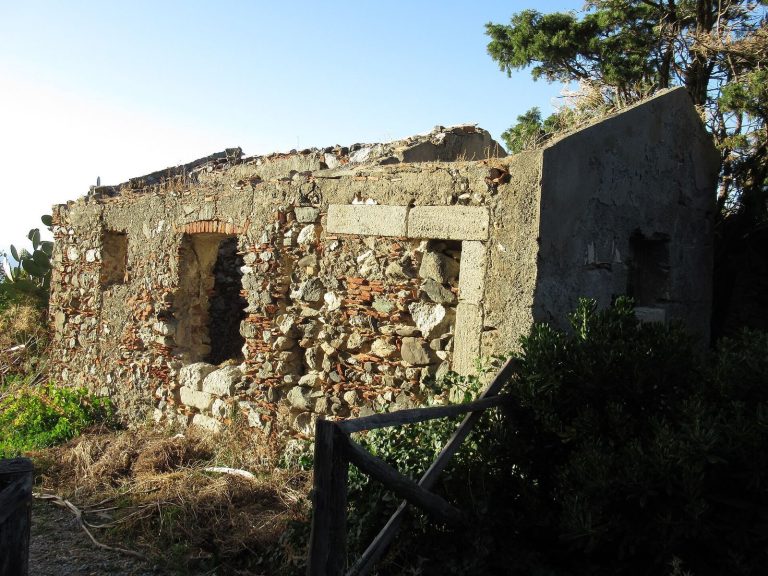
Castello di Milazzo occupies a strategic hill above Milazzo’s harbour and preserves evidence of settlement from the Neolithic period through Greek,…
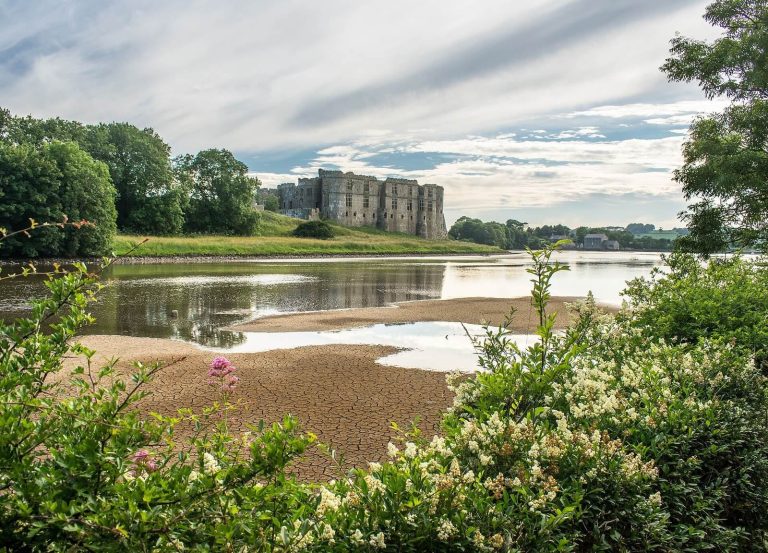
Carew Castle in Pembrokeshire developed from an early fortified site into a medieval stronghold and later an elaborate Tudor and Elizabethan…
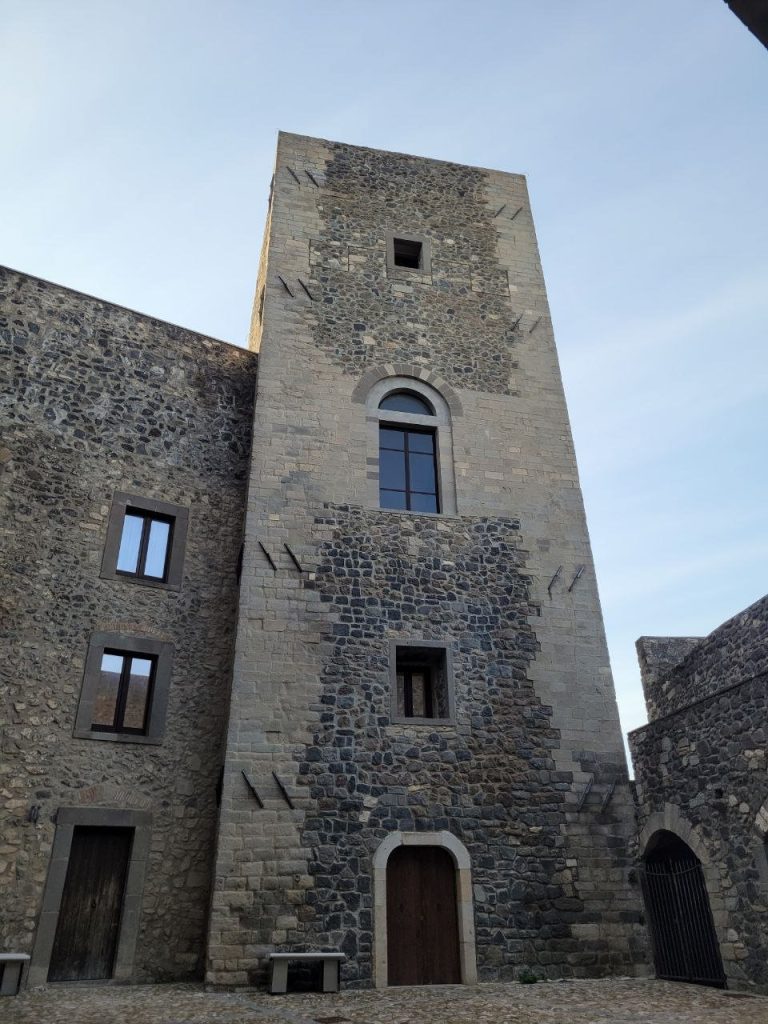
Castle of Melfi is a medieval fortress in Basilicata that developed from a Norman stronghold into a royal, administrative, residential, and military…
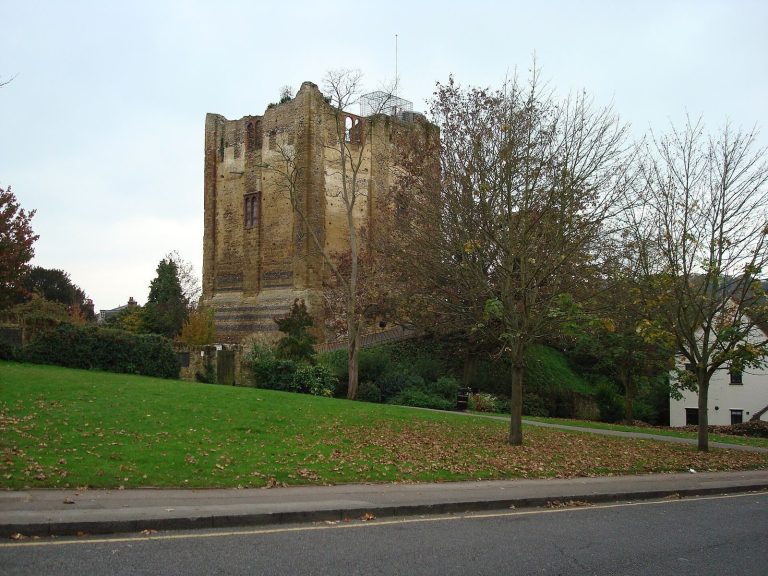
Guildford Castle developed from a Norman motte-and-bailey into a royal residence, fortress, prison, and palace before falling into decline and…
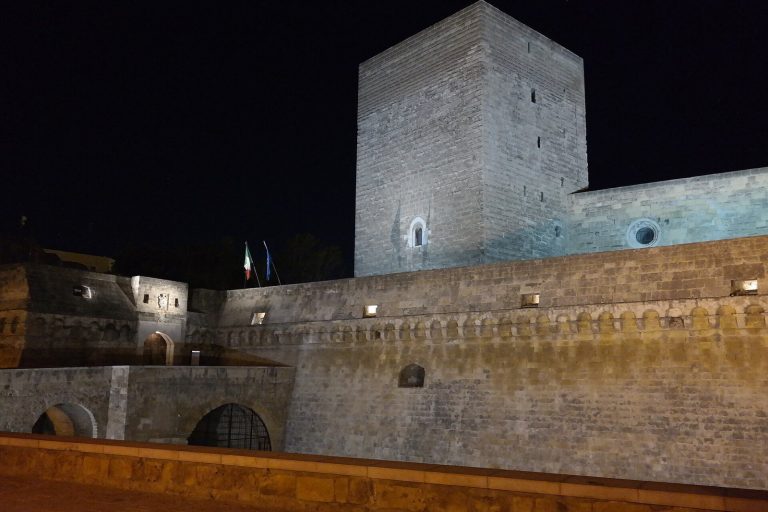
Castello Normanno-Svevo in Bari preserves the remains of a Norman fortress rebuilt by Frederick II and enlarged as a Renaissance ducal residence…
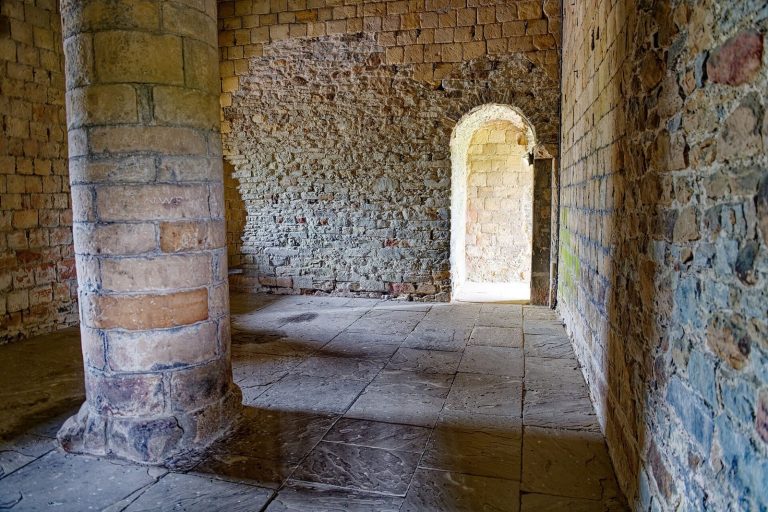
Richmond Castle was founded after the Norman Conquest as a defensive stronghold and the centre of the Honour of Richmond. Its surviving keep,…
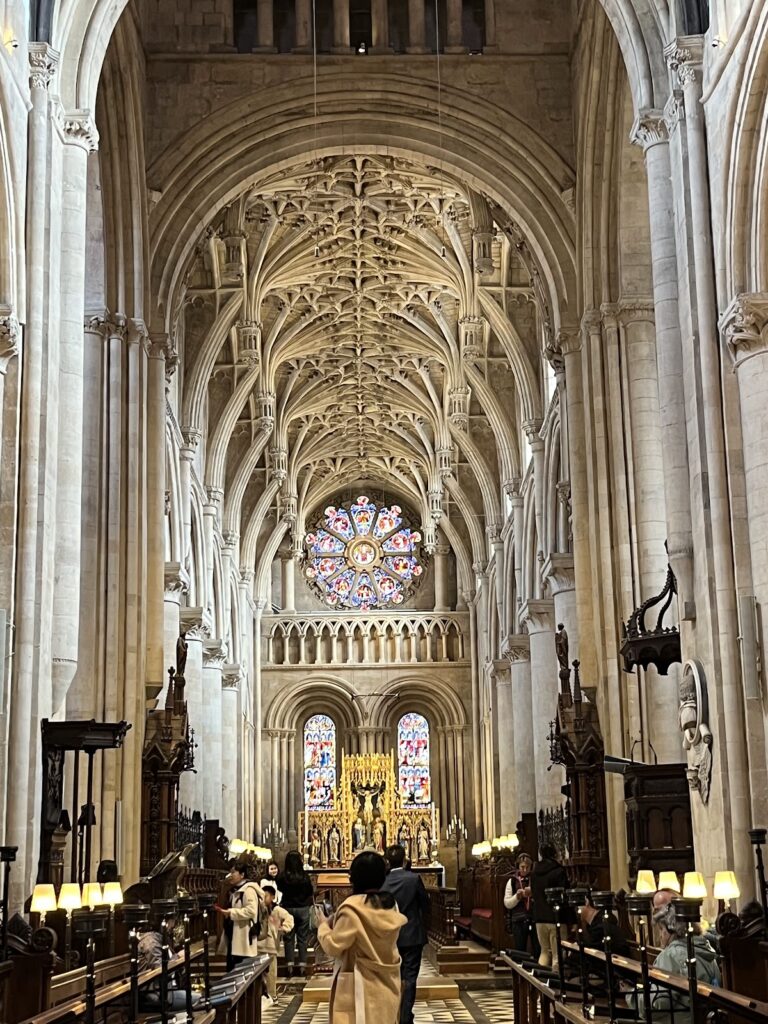
Christ Church Cathedral is the Anglican cathedral of the Diocese of Oxford and the chapel of Christ Church, combining two roles within the Church of…
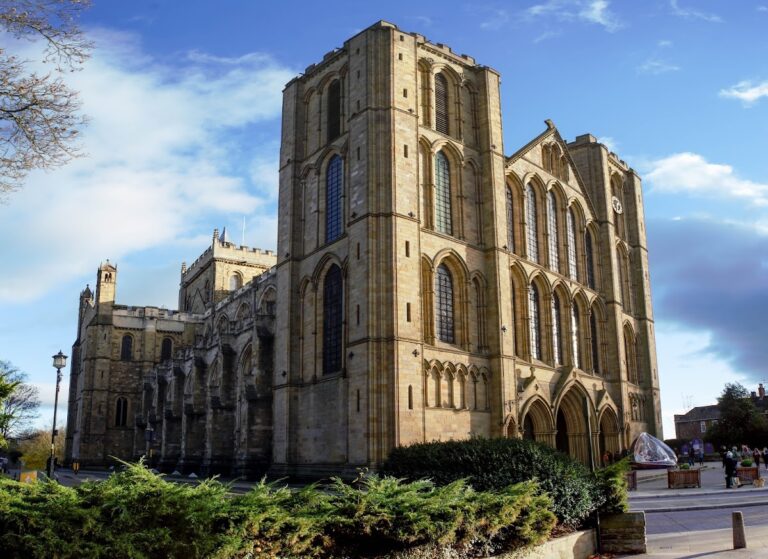
Ripon Cathedral developed from a seventh-century Northumbrian monastery into a medieval minster and, from 1836, the cathedral of the Diocese of…
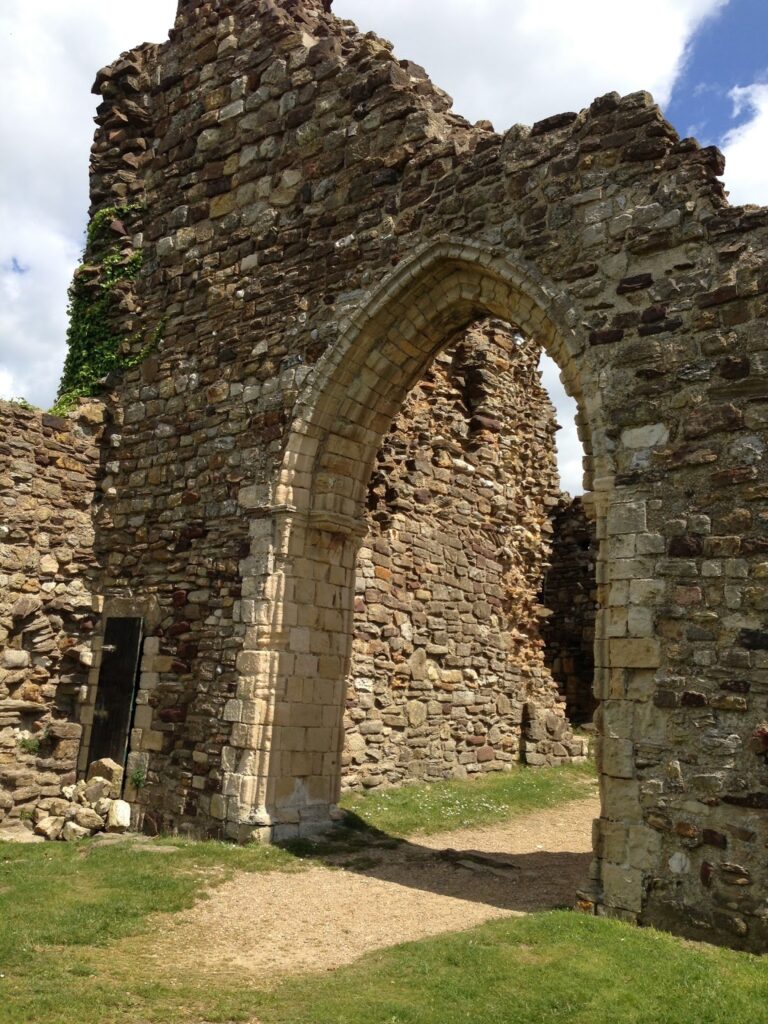
Hastings Castle was founded by William of Normandy after his landing in England in 1066. Its surviving earthworks and stone ruins reflect Norman…
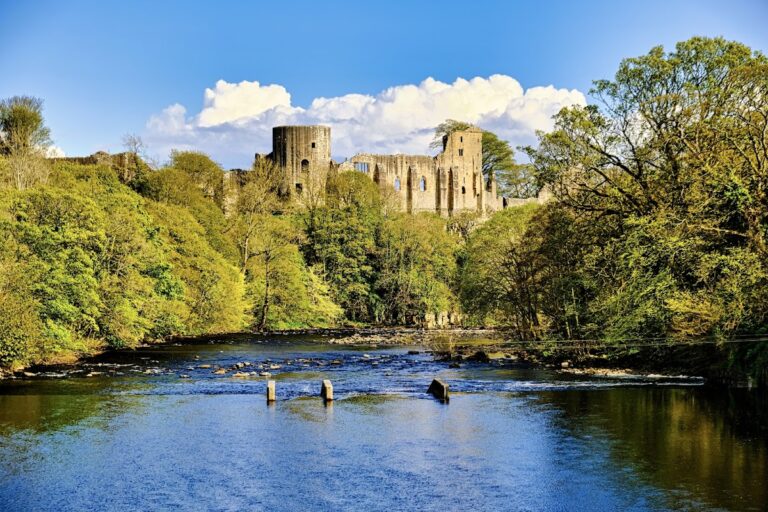
Barnard Castle is a ruined medieval fortress in County Durham, developed by the Balliol family and later associated with Richard III, the Rising of…
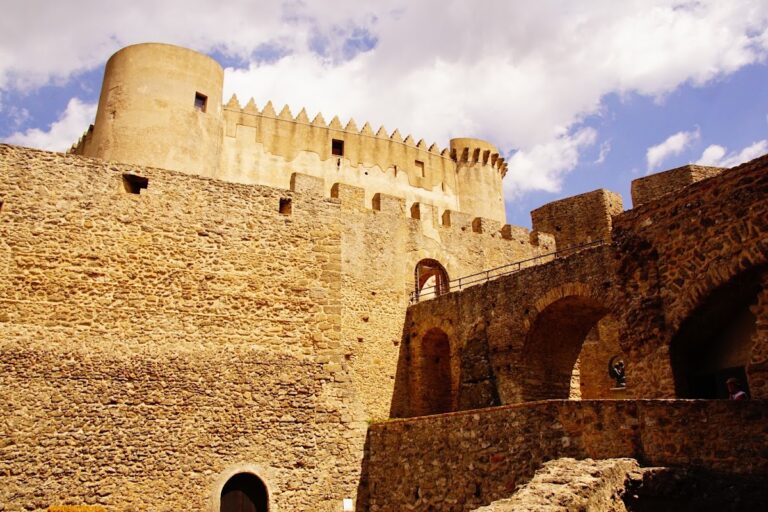
The Castle of Santa Severina occupies the ancient stronghold of Siberene in Calabria. Built by the Normans in 1076, it developed through Byzantine,…
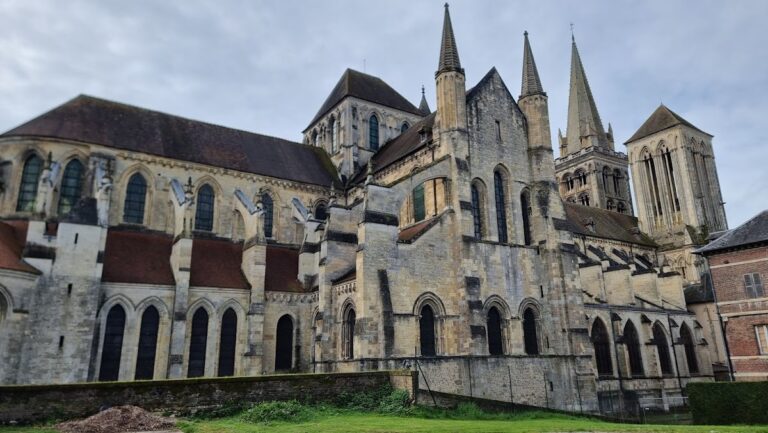
Lisieux Cathedral is a Gothic church dedicated to Saint Peter, rebuilt between the twelfth and thirteenth centuries and shaped by later additions,…
For details on how to use the maps, which sites are included, how popularity and ratings are determined, and how sites are classified, see the help page.
On this page6 sections
Stone keeps at Rochester and Falaise
Rochester Castle preserves a great square keep begun after Henry I granted the castle to Archbishop William de Corbeil in 1127. Although its floors and roof have gone, a cross-wall still divides the tower through its height. Round-headed openings, wall passages and the well shaft serving successive floors show how the building accommodated a household as well as a garrison.
One corner differs visibly from the others: the cylindrical south-east tower replaced masonry brought down during King John’s siege in 1215. It records a later repair to the Norman keep rather than the original design.
At the Castle of Falaise, Henry I’s large rectangular keep was joined by a smaller residential tower under Henry II. Thick walls contain stairs and service spaces; the smaller keep’s decorated windows and fireplace give particular attention to domestic comfort. The circular Talbot Tower came after the French conquest of Normandy in 1204. Modern restoration is also conspicuous, including the concrete, steel and glazed entrance structure attached to the large keep.
Trim Castle and the lordship of Meath
Trim Castle developed after Henry II granted Meath to Hugh de Lacy in 1172. Hugh and his son Walter replaced the first timber defences with a large stone complex beside a crossing of the River Boyne. The keep’s projecting arms produce a cruciform plan with twenty corners, giving it a very different outline from the square towers at Rochester and Falaise.
The enclosure also records successive building campaigns. Rectangular towers and the western gate belong to the earlier work, while the southern curtain and round towers developed around the turn of the thirteenth century. The later great hall and riverside water gate show the castle’s continued role as an administrative residence. Conservation has included a protective roof over the keep and partial restoration of the moat.
Durham Castle’s Norman chapel
The surviving early interiors at Durham Castle are especially useful within a complex repeatedly enlarged by its bishops. In the Norman Chapel, carved capitals carry animals and grotesque figures, including a hunting scene. Decorated columns and the low vaulted space preserve a different scale of architecture from the castle’s more imposing outer silhouette.
The chapel served several other uses before its twentieth-century return to worship. Elsewhere, medieval alterations, later episcopal apartments and nineteenth-century conversion for the university substantially changed the castle. The present keep therefore needs to be distinguished from the early Norman chapel when identifying what survives from the first generations after the conquest.
Saint-Étienne at Caen
William the Conqueror founded the Abbey of Saint-Étienne as part of the development of Caen as a ducal centre. Its church uses pale Caen limestone, with a two-towered west front and a long nave articulated by alternating supports and upper galleries. Six-part rib vaults span the nave bays.
The building also preserves the distinction between its Romanesque core and subsequent work. The choir was rebuilt in Gothic form, the façade towers received later spires, and the surrounding monastic ranges were extensively renewed in the early modern period. These additions frame a church whose major Norman spaces remain legible.
Royal churches in Norman Sicily
Cefalù Cathedral was begun by Roger II in 1131. Massive western towers and a high transept give the exterior a strongly articulated profile, while the central apse contains a monumental mosaic of Christ Pantocrator against gold. An inscription dates the upper apse mosaics to 1148. The three-arched entrance portico is a fifteenth-century addition.
Roger’s Cappella Palatina in Palermo brings several artistic traditions together in a compact royal chapel. Byzantine mosaic figures cover the sanctuary, coloured stone forms intricate floor patterns, and pointed arches separate the nave from its aisles. Above them hangs a carved and painted wooden muqarnas ceiling, built from small geometric cells and decorated with Arabic inscriptions and courtly scenes. Later rulers repaired and replaced parts of the mosaic decoration, particularly toward the western royal area.
Explore the collection
Use country, type and era filters to compare Norman buildings across regions, then refine or sort the results with the popularity and rating controls. The map icons identify each site’s main function. Open a marker or a grid card for its individual article, including the construction phases and later alterations represented by its surviving remains.