Knights Templar Sites: Castles, Chapels and Preceptories
Templar sites in this collection include castles built for defence, chapels used by order communities and European estates that supplied the wider network. The order’s buildings were spread across different political settings, from the eastern Mediterranean to Portugal, Spain, France, England and Central Europe. Many surviving structures were altered after the Templars lost their property, so their present appearance needs to be read in phases.
Explore the map or grid to locate individual places and open their articles. The examples show both the large fortifications associated with the order and the smaller religious buildings that served its local houses.
Primary Function: All
Type: All
Country: All
Popularity: All
Rating: All
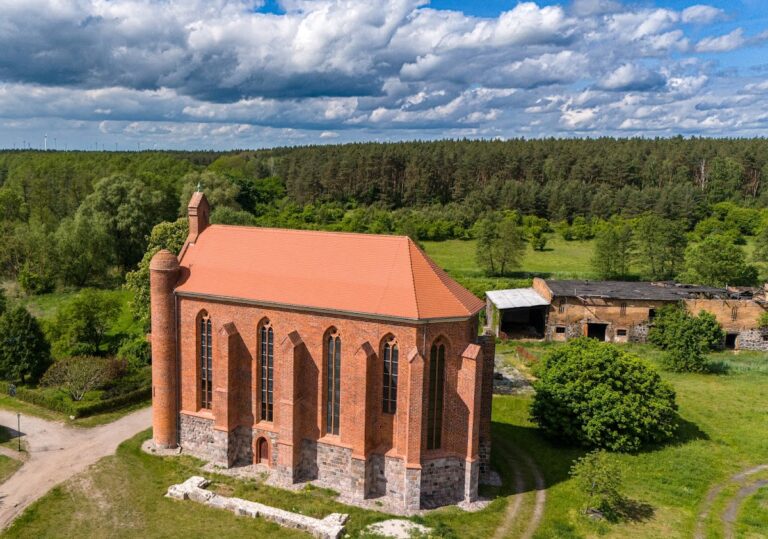
Saint Stanislaus Kostka Church in Chwarszczany is a Gothic chapel built by 1280 on the site of an earlier Templar foundation, with distinctive…

Castelo de Vila do Touro is a medieval frontier fortification associated with the Templars and Portugal’s thirteenth-century expansion. Its surviving…
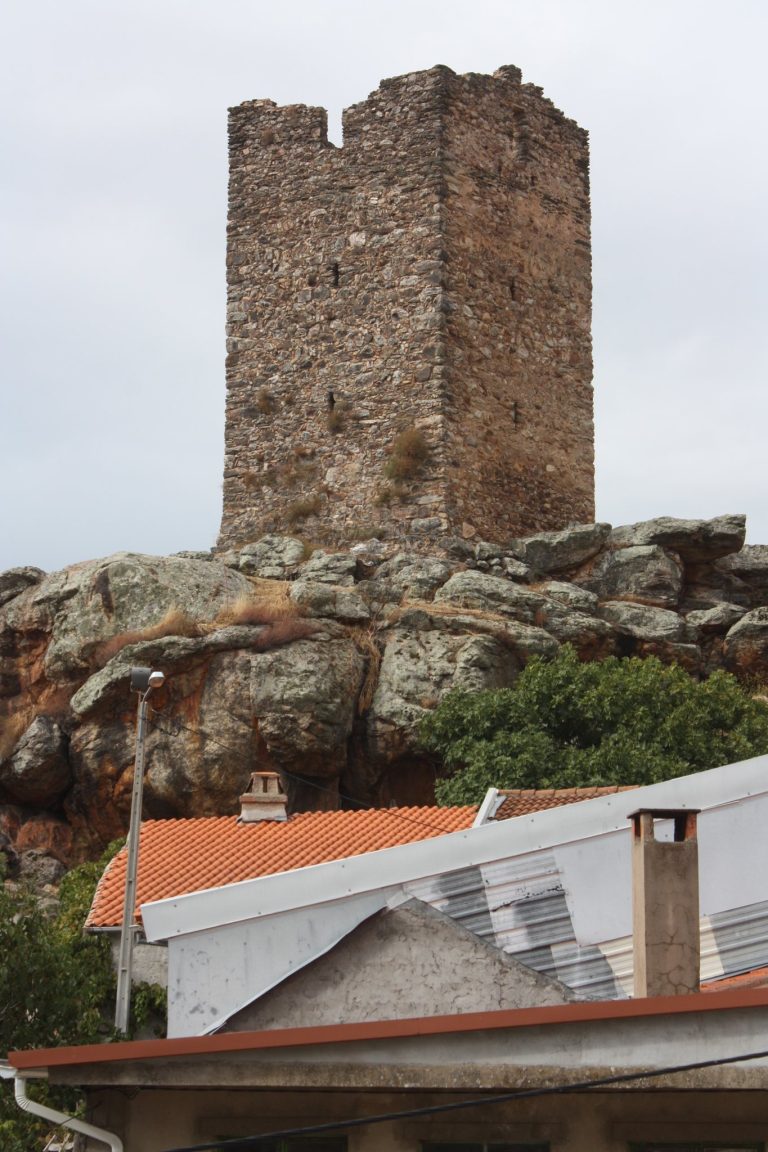
The Castle of Penas Róias formed part of Portugal’s northeastern frontier defenses and the Templar system facing Castile. Its surviving keep,…
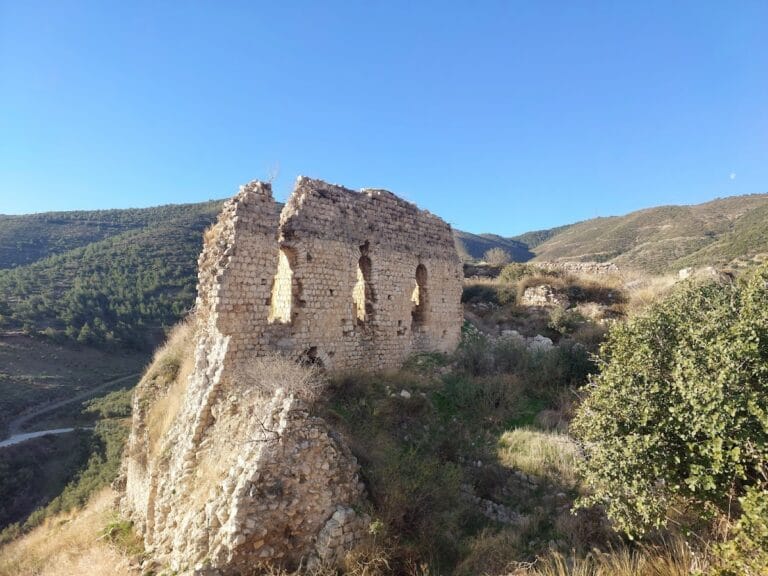
Bagras was a fortress controlling the Syrian Gates between Antioch, Syria, and the Mediterranean coast. Byzantine, Crusader, Armenian, and Muslim…
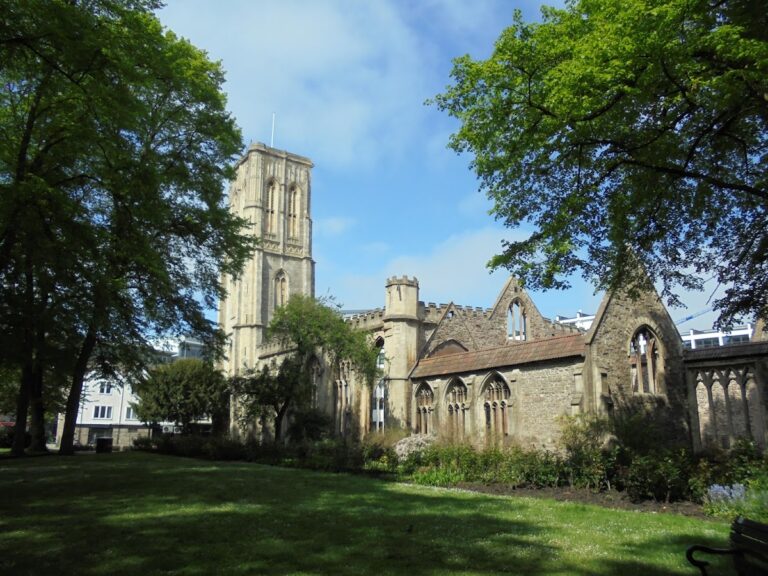
Temple Church in Bristol began as a twelfth-century Knights Templar foundation and developed into a parish church before its destruction in the…
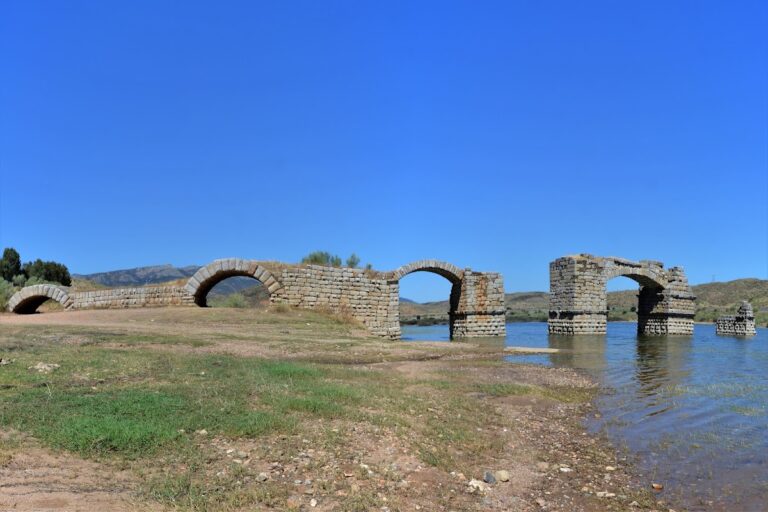
Alconétar Bridge was a Roman crossing of the Tagus in Extremadura, built probably in the early second century and later repaired, abandoned, and…
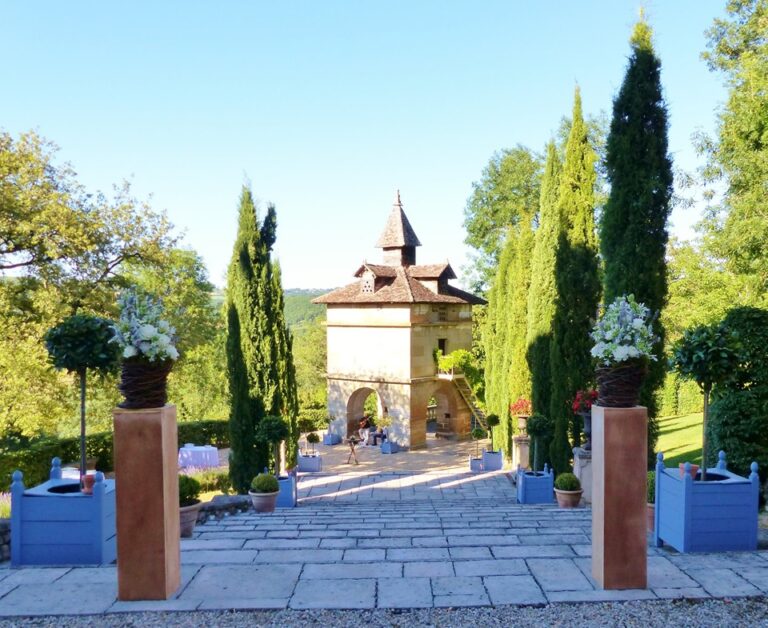
Château de Cas in Espinas is a medieval defensive castle with Templar and Hospitaller associations, a chapel, surviving archives, and a history…

Chastel Blanc is a medieval fortress in Safita, Syria, rebuilt after successive earthquakes before its destruction by Baibars in 1271. Its keep…
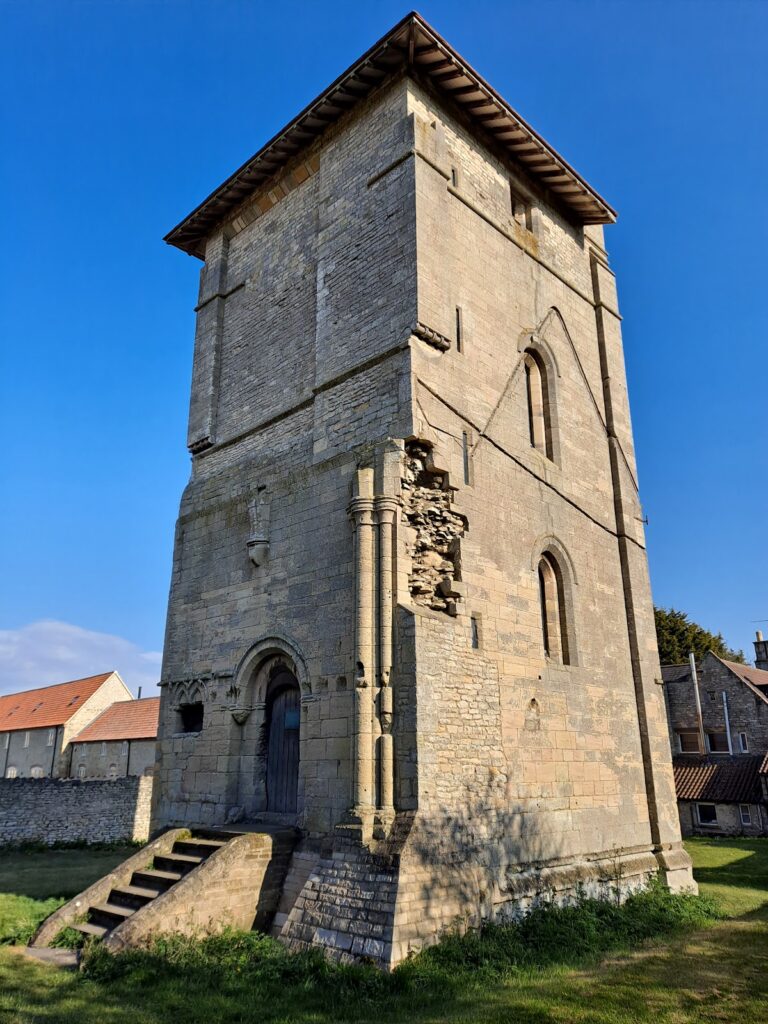
Temple Bruer Preceptory was a major medieval estate of the Knights Templar and later the Knights Hospitaller, supported by sheep farming and wool…
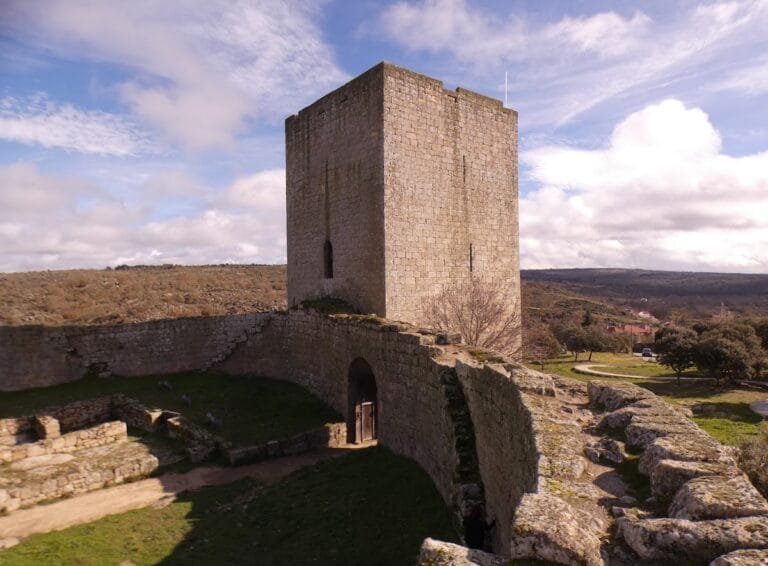
Castle of Vilar Maior occupies a cliff-top position shaped by prehistoric, Roman, Leonese, and Portuguese phases of frontier history. Its surviving…
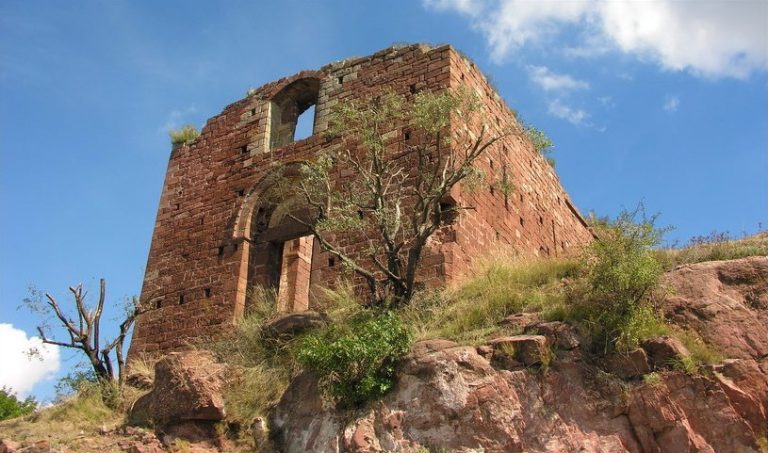
Castell de Rocafort is a Romanesque medieval fortress above the route between Martorell and Gelida, associated with the priory of Sant Genís de…

Castle of Alba, Losacino, is a medieval frontier stronghold whose history reflects the conflicts and shifting alliances among León, Portugal, and…
For details on how to use the maps, which sites are included, how popularity and ratings are determined, and how sites are classified, see the help page.
On this page5 sections
Château Pèlerin and Chastel Blanc: strongholds in the Levant
Château Pèlerin at Atlit, in Israel, occupied a promontory extending into the Mediterranean. The Templars began building it in 1218 with help from other Crusader groups. Its sea-facing position limited approaches, while a wet ditch and substantial landward walls guarded the neck of the promontory. An inner citadel and an outer fortified area enclosed a civilian settlement. The plan shows why the castle was more than an isolated tower: it protected a community and a route along the coast. The Templars evacuated it in 1291.
Chastel Blanc in Syria is much more compact. Its great limestone keep stands on a hill above Safita; it is the principal surviving part of a wider medieval fortress. Vaulted rooms occupied the ground floor, with a chapel dedicated to Saint Michael above and other rooms higher in the tower. The order rebuilt the castle after earthquakes and attacks. Its present form therefore reflects repeated repair as well as the original defensive position.
Miravet and Almourol: river castles in Iberia
At Castell de Miravet in Spain, the Templars received an earlier Andalusi fortress in 1154 and strengthened its position above the Ebro. High, carefully laid stone walls, a rock-cut ditch and a defended approach with towers protected the commandery. Parts of the earlier fortification remain within or beneath the later work. The order held Miravet until its surrender in 1308.
The Castle of Almourol stands on an island in the Tagus in Portugal. Templar rebuilding in the twelfth century created a lower walled enclosure and a higher one containing the keep. River access and the rising rock shaped a plan unlike Miravet’s broad hilltop complex. The castle also underwent substantial restoration in the nineteenth and twentieth centuries; its present crenellations should not all be assumed medieval.
Templar chapels from Poland to France
The church at Chwarszczany in Poland began as a Templar chapel. The present Gothic building was erected by about 1280, with a polygonal eastern end and two cylindrical turrets partly built into its western corners. Its wall paintings belong to a later phase under Hospitaller ownership. The chapel thus preserves the Templar building and evidence of a different community’s subsequent use.
In France, the Templar Chapel in Metz is the only surviving building of its commandery. Its small octagonal nave, ribbed vault and eastern choir give the former order house a very different architectural scale from the Levantine castles. The rest of the commandery has gone, so the chapel represents only one part of a larger establishment.
Temple Bruer: a surviving fragment of an English estate
Temple Bruer Preceptory in England was founded in the mid-twelfth century and became a centre for Templar estates in Lincolnshire. The standing south tower is principally what survives of its church. Excavation has traced a circular nave and later additions, but the former estate buildings cannot be read from the tower alone. This fragment still anchors the history of a house whose lands and sheep pastures supplied a network far beyond the site itself.
Explore the collection
Use a map marker or grid entry to reach each article. Marker icons reflect the site’s primary function. Country, primary function, type and era help narrow the Templar selection, while popularity and rating can refine the results further. Site articles explain which parts belong to the order and which were rebuilt or reused after its suppression.