Castelo de Vila do Touro: A Medieval Frontier Fortification in Portugal


Site at a Glance
- Rating
- 4.3
- Popularity
- Low
- Country
- Portugal
- Primary era
- Medieval
- Eras represented
- Medieval
- Civilizations
- Crusader, Knights Templar, Portuguese
- Site type
- Military
- Remains
- Wall
On this page7 sections
History
Castelo de Vila do Touro is a medieval frontier fortification in Portugal, established during the Christian Reconquista and associated with the Order of the Temple in the early thirteenth century. It stands above the valley of the Boi stream, near its meeting with the Côa River, in a region shaped by conflict and settlement along the frontier with the Kingdom of Leon.
Early occupation and the Roman period
Human occupation of the site’s surrounding region began in prehistory, probably during the Bronze Age, and continued into the Iron Age. The Roman period is represented by an inscription found near Abitureira. It gives the place-name Tauria, understood in Portuguese as referring to a place of great elevation.
The Templar settlement
Portuguese forces conquered the region toward the end of the twelfth century during the Reconquista, the long Christian reconquest of territories ruled by Muslim states in the Iberian Peninsula. The municipality of Guarda then donated the territory to the Order of the Temple, a religious-military institution that organized settlement and frontier defence. The Templars are credited with establishing Vila do Touro, which later became an independent municipality.
On 1 December 1220, during the reign of Afonso II of Portugal, the Templar master Pedro Alvito granted Vila do Touro a charter. This formal document gave the settlement legal privileges, administrative rights, and obligations intended to encourage settlement and defence. The beginning of the fortifications is generally attributed to this period, and the project is believed to have been contemporary with the Castle of Castelo Mendo.
Vila do Touro occupied a frontier position beside the Kingdom of Leon. Across the Côa, the settlement faced the fortification begun at Caria Talaya, in what is now the parish of Ruvina. The medieval defence at Vila do Touro apparently consisted of a wall circuit. A dispute over territorial possession between the Templars and the municipality of Guarda opposed the creation of Vila do Touro’s municipality and hindered the further development of its defences.
Decline of the fortification
The Treaty of Alcañices in 1297 ended Vila do Touro’s frontier role and reduced its strategic importance. The later suppression of the Templar order in 1319 also contributed to the fortification project remaining unfinished. The settlement retained its municipal status, however, from the beginning of the thirteenth century until the beginning of the nineteenth century.
King Dinis neither confirmed Vila do Touro’s charter nor gave further attention to its defence. The settlement’s original parish church, dedicated to Our Lady of the Assumption, later passed to the Order of Christ, the Portuguese successor institution that inherited former Templar properties and functions. Manuel I granted Vila do Touro a new charter in 1510, but the fortification remained neglected.
During the Portuguese Restoration War, the inhabitants built a redoubt, a small fortified defensive work, for their own protection. The municipality of Vila do Touro was abolished in 1836 during Portugal’s Liberal Reforms, together with the municipality of Alfaiates. The medieval enclosure is now in poor condition and has no legal heritage protection. Its Templar associations have prompted calls for more extensive historical and archaeological study.
Remains
Wall circuit and gateway
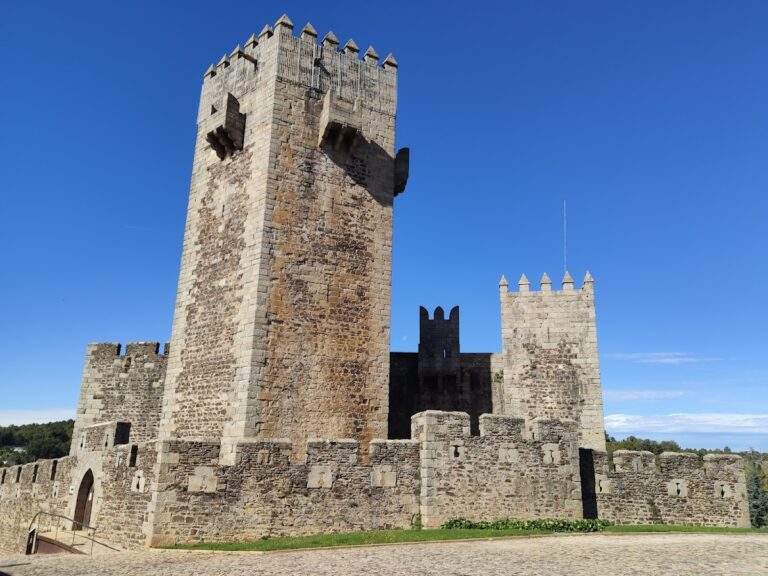
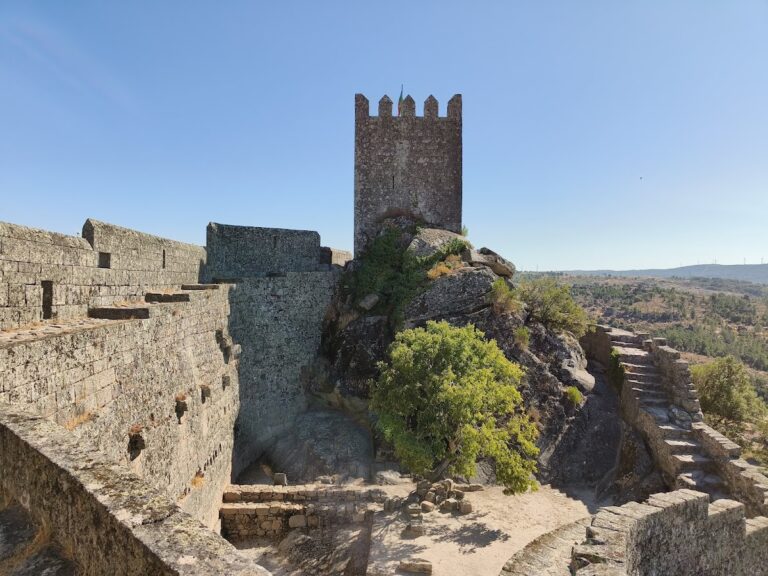
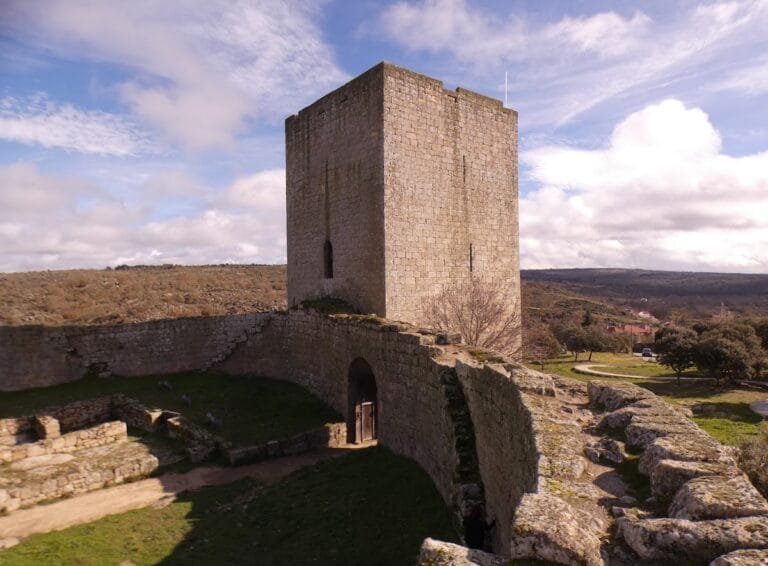
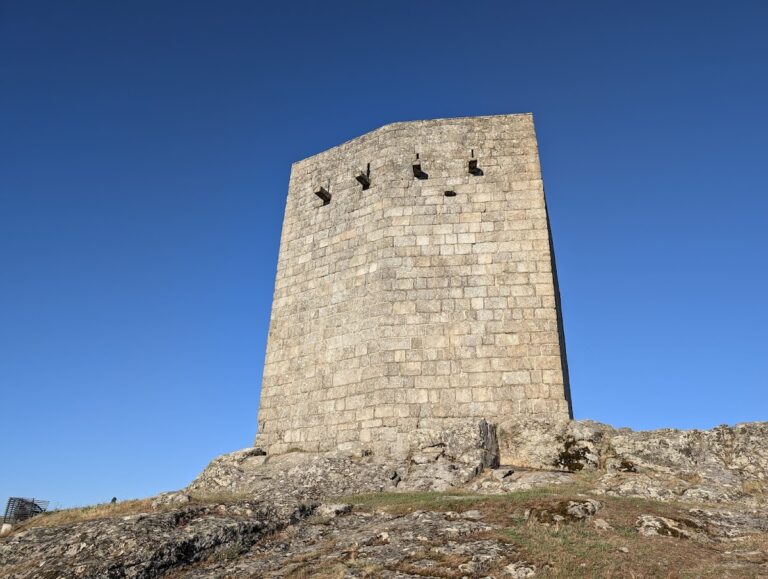
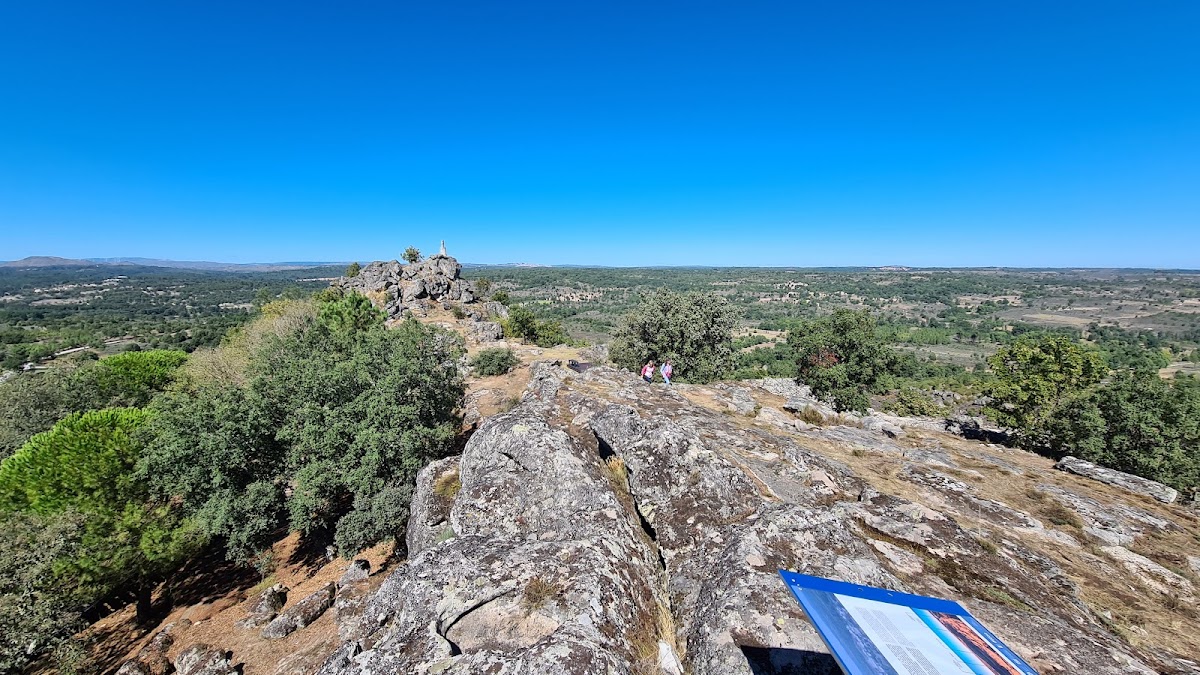
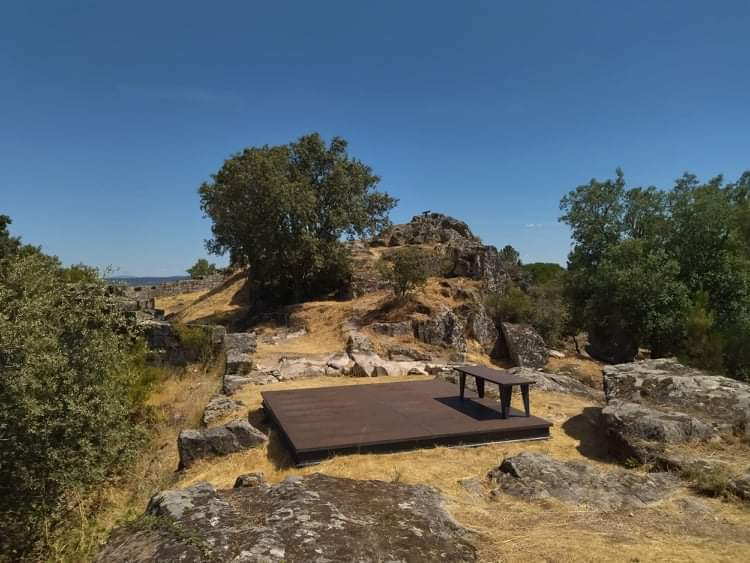
The castle occupies a hill at approximately 800 metres above sea level, overlooking the Boi stream at its confluence with the Côa River. Its fortification followed an irregular polygonal plan. Although the medieval buildings have largely disappeared, the complete outline of the enclosure can still be traced through surviving foundations.
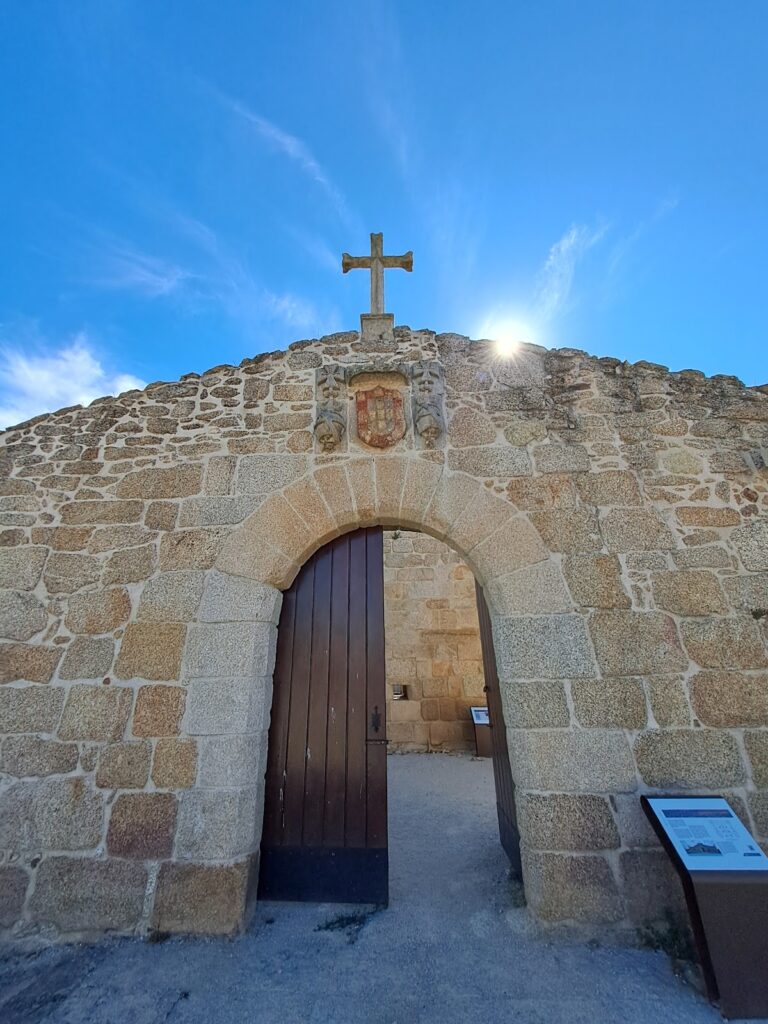
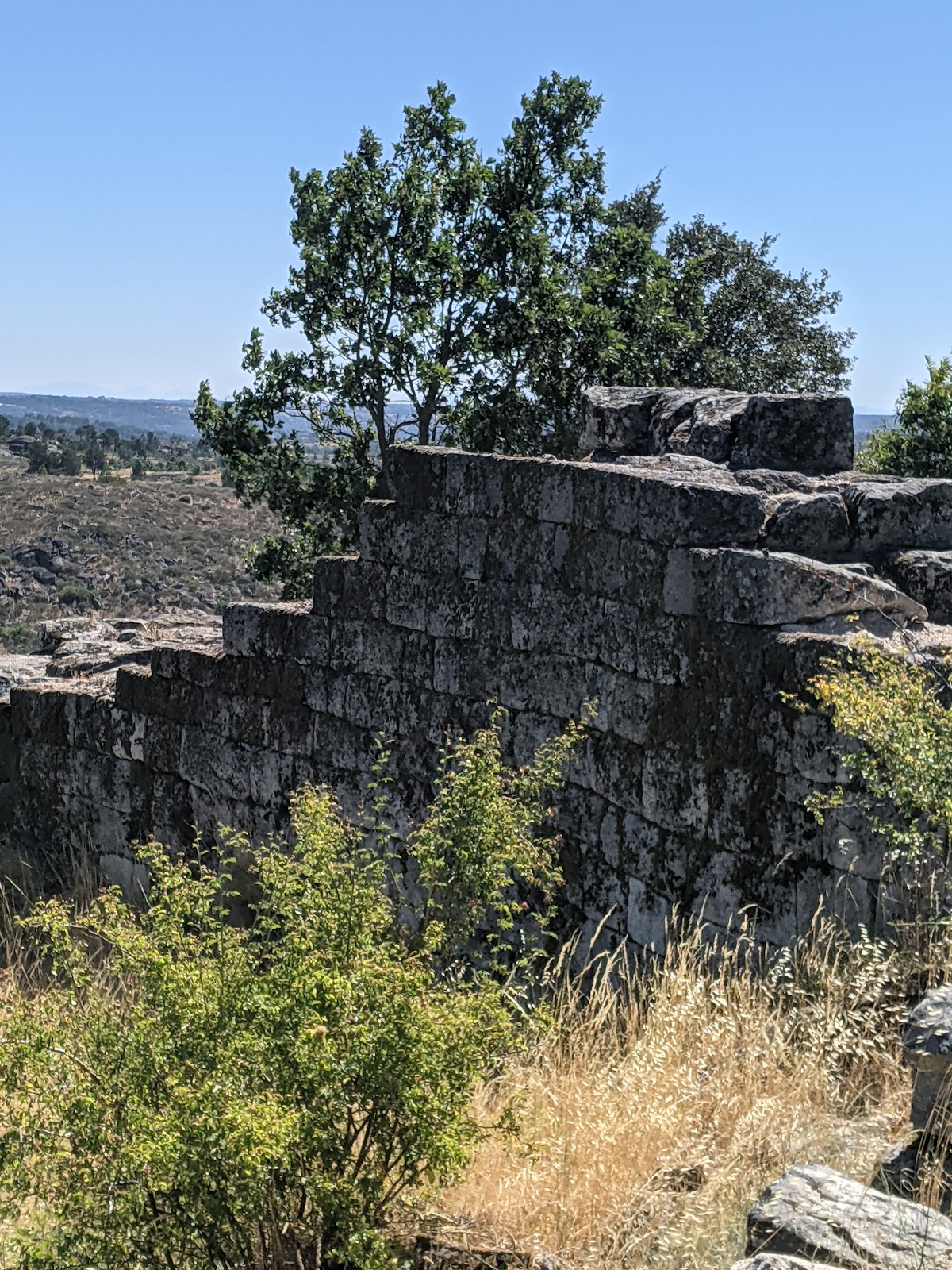
The surviving remains are concentrated in the medieval wall circuit and related fragments. Identifiable sections and large masonry blocks remain mainly on the northern and western sides, where vegetation conceals much of the stonework. A gateway with a Gothic arch survives in a collapsing condition. Inside the former parade ground, numerous large stones remain scattered across the enclosure.
Paved routes and bridge
Several paved routes connected Vila do Touro with the military strongholds of Sortelha, Sabugal, Alfaiates, and Guarda. One major route ran from Vila do Touro to Alfaiates and continued through Panoias toward Guarda. Sections of this route survive, along with bridges crossing the Lourença and Pega streams.
The bridge over the Lourença stream is believed to date from the period when the castle was founded. Its survival, together with the paved road sections, preserves part of the communications network associated with Vila do Touro’s medieval defensive role.