Hungarian Historic Sites: Explore Castles, Cathedrals and Royal Palaces
Explore more than 400 sites connected with Hungarian history, including hilltop castles, fortified churches, cathedrals, town gates and royal residences. The collection extends across modern Hungary, Slovakia, Romania, Ukraine, Croatia and neighbouring countries. Medieval royal and ecclesiastical buildings appear alongside later residences and fortifications, with each site’s Hungarian connections identified within its wider local history.
The surviving architecture often spans several ruling periods. A medieval castle may contain later artillery works, and a royal palace may preserve older vaulted rooms beneath a substantially rebuilt exterior. The examples below show those differences through specific buildings, rather than treating every part of a complex as the work of one kingdom.
Primary Function: All
Type: All
Country: All
Popularity: All
Rating: All
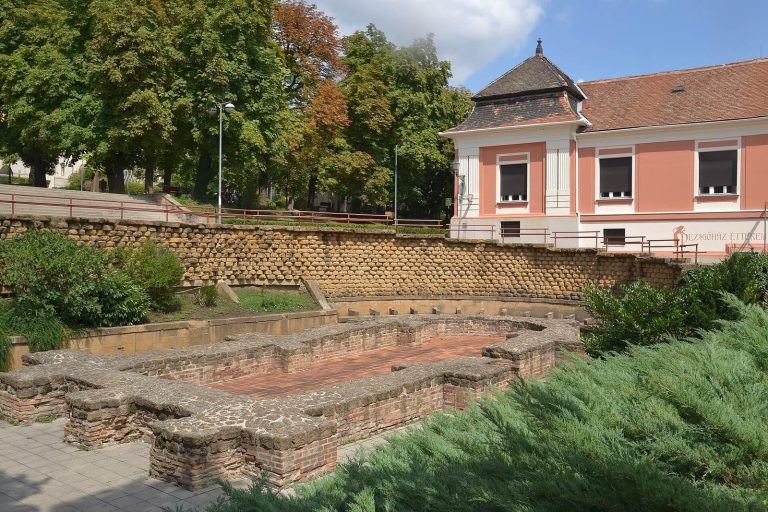
North of Roman Sopianae, this Christian cemetery preserves underground burial chambers, painted tombs and chapels used from the fourth century into…
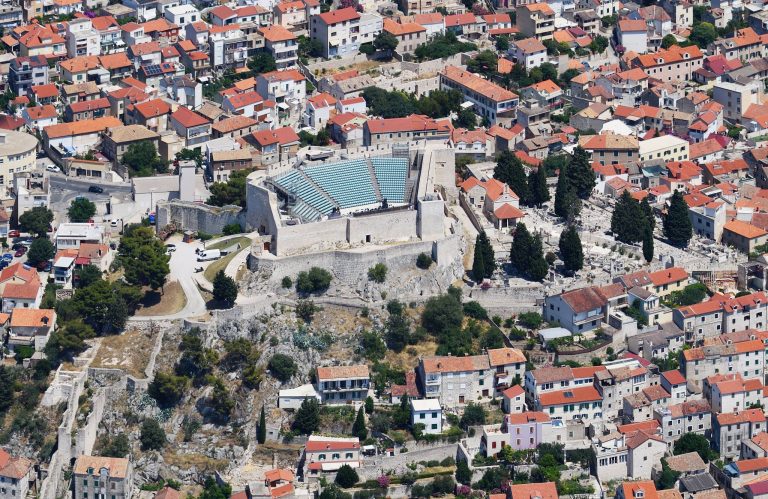
Saint Michael's Fortress crowns the historic core of Šibenik and controlled access to the bay and the Krka River. Rebuilt repeatedly from the…
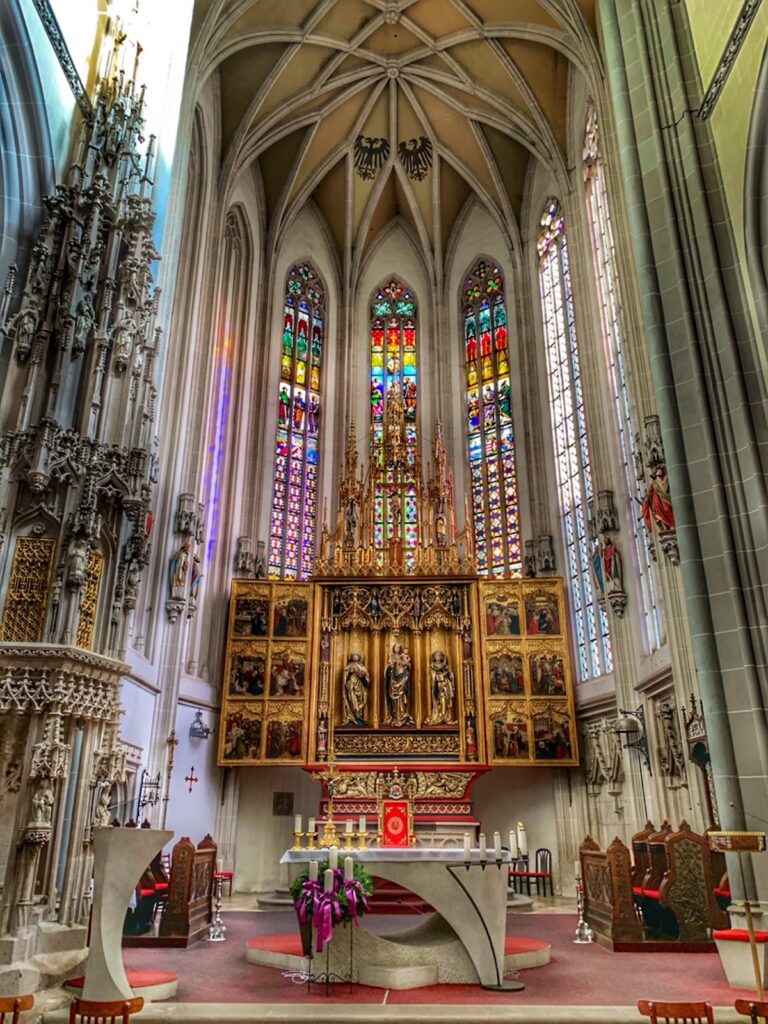
The Cathedral of St. Elizabeth in Košice is Slovakia’s principal Gothic cathedral, developed from an eleventh-century church and reshaped through…

Sárospatak Castle, also known as Rákóczi Castle, developed from a medieval settlement into a fortified Renaissance residence and later Rákóczi…
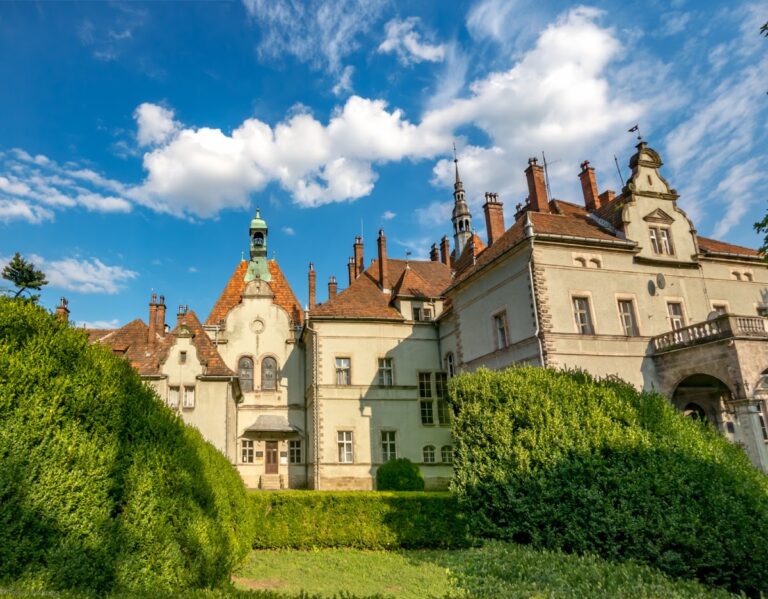
Schönborn Palace, also known as Beregvár, began as a late nineteenth-century hunting residence and now forms the central building of the Karpaty…
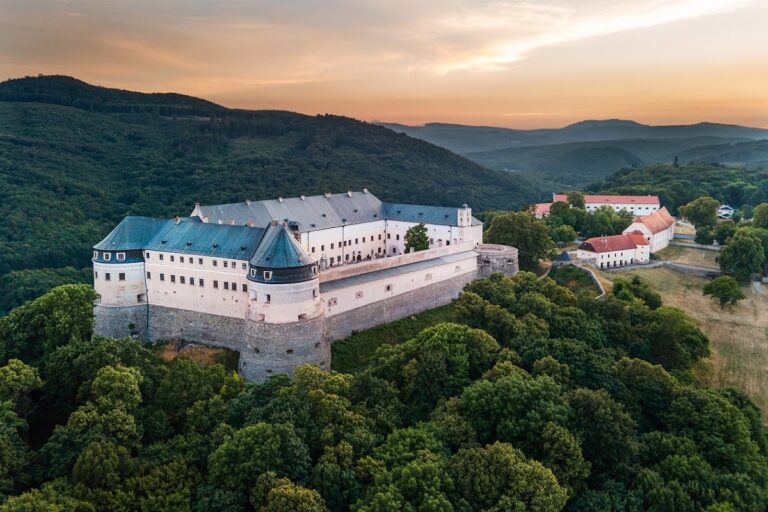
Červený Kameň Castle above Častá developed from a thirteenth-century frontier stronghold into a major Renaissance fortress, commercial centre, and…
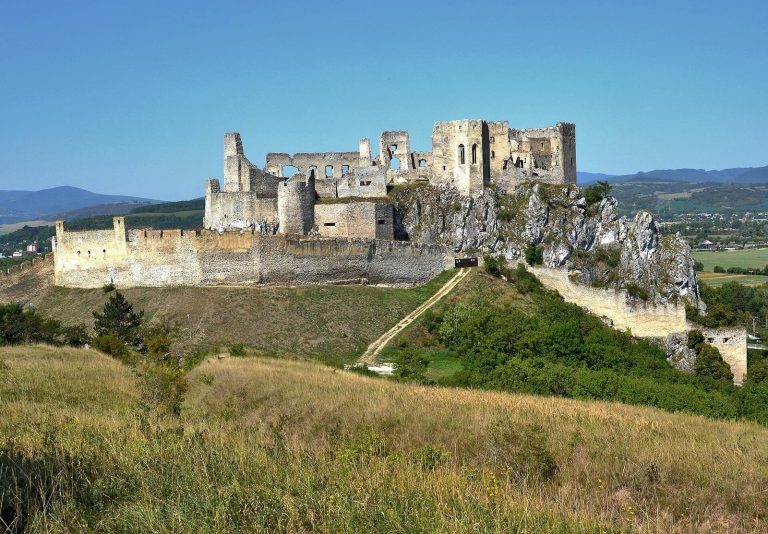
Beckov Castle stands on a limestone cliff above the Váh River in Slovakia. Built as a medieval border stronghold, it became a Gothic residence, a…
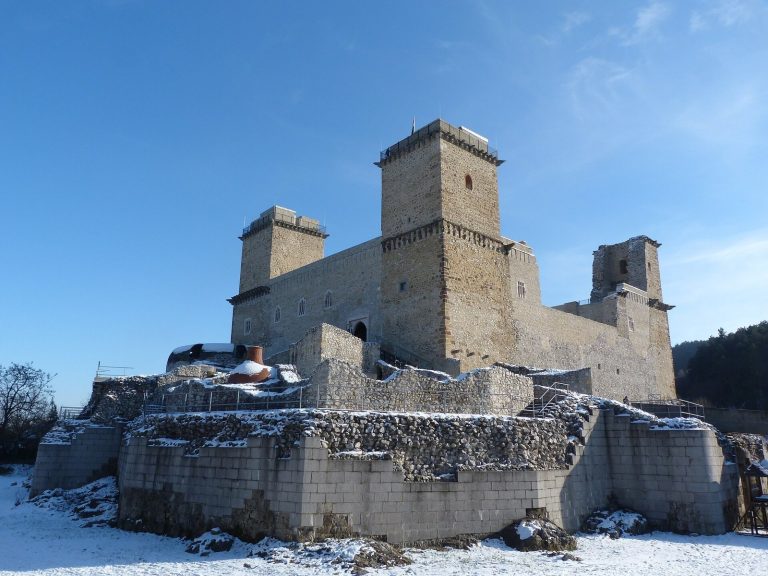
Castle of Diósgyőr in Miskolc developed from a medieval fortification into a royal residence associated with Louis the Great and the queens of…
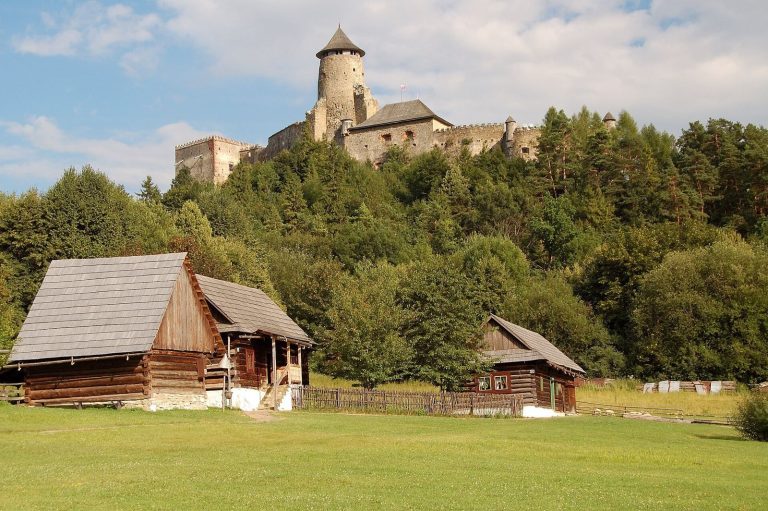
Ľubovňa Castle above Stará Ľubovňa guarded routes between the Kingdom of Hungary and Poland, later becoming a Renaissance fortress, aristocratic…
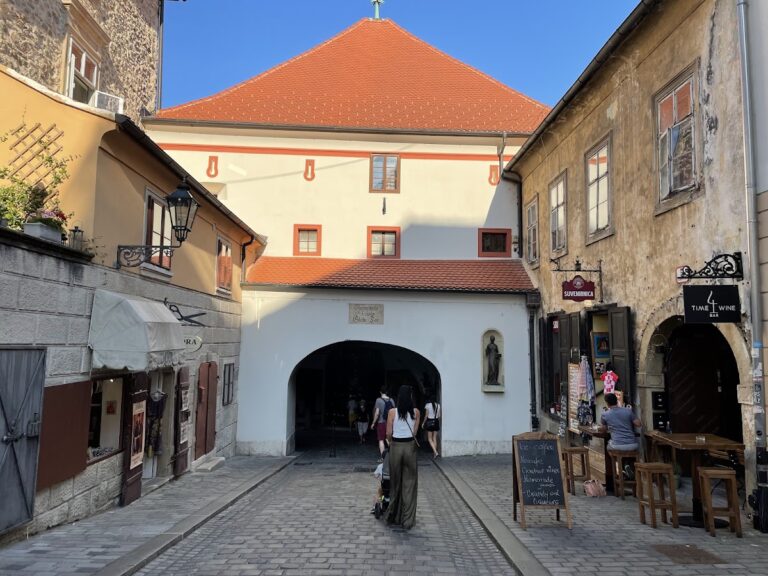
Stone Gate is the only surviving medieval gate of Gradec in Zagreb. Rebuilt in the eighteenth century, it contains a Marian shrine and remains…
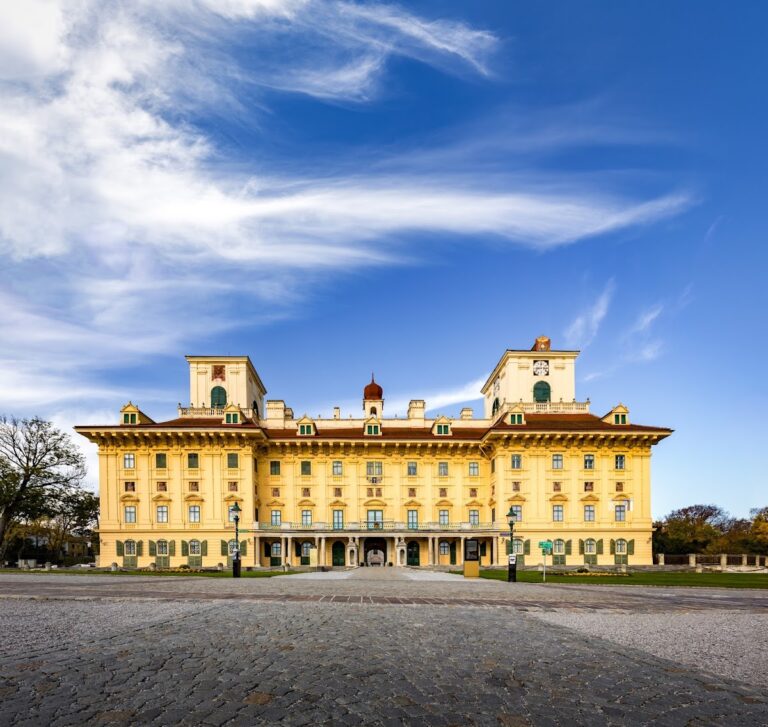
Schloss Esterházy in Eisenstadt developed from a medieval castle into a major Baroque residence and administrative center of the Esterházy family.…
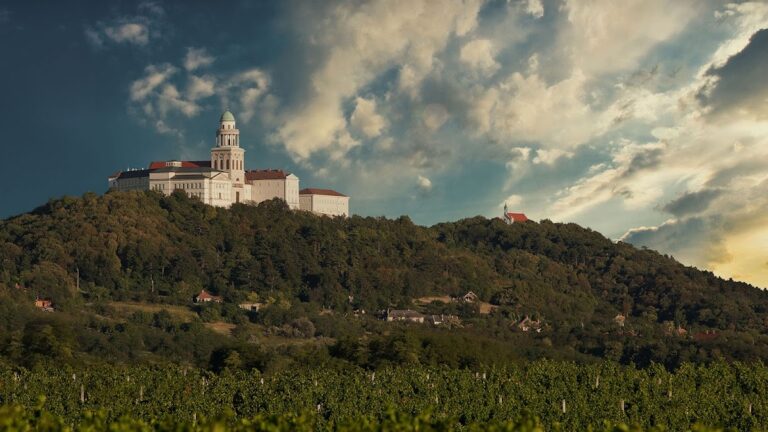
Founded in 996, Pannonhalma Archabbey has served as the centre of Hungarian Benedictine life for more than a millennium. Its early Gothic basilica,…
For details on how to use the maps, which sites are included, how popularity and ratings are determined, and how sites are classified, see the help page.
On this page6 sections
Hilltop castles at Sümeg and Mukachevo
Sümeg Castle, Hungary, occupies an isolated hill above the town. Its stone defences developed from a thirteenth-century episcopal stronghold, enlarged under the bishops of Veszprém. The elevated enclosure made the hill itself part of the defensive system, separating the fortified residence from the settlement below.
Successive rebuilding strengthened the castle during the Ottoman advance. Fires and repairs changed its fabric before its eventual abandonment as a military residence. The surviving walls therefore represent a developed fortress rather than a single thirteenth-century building campaign.
Palanok Castle at Mukachevo, Ukraine, uses a different arrangement of elevated ground. Upper, middle and lower castles occupy successive terraces, each forming a separate defensive unit. Gateways and bastions control movement between these levels. Residential and service buildings surround the internal courts, making it possible to follow both the ascent through the defences and the distribution of life within the fortress.
Trenčín Castle’s tower and southern defences
Trenčín Castle, in Slovakia, occupies a limestone crag above the Váh valley. It developed as a royal fortress and later became the seat of Matthew Csák, a powerful nobleman in the medieval Kingdom of Hungary. The tall Matthew Tower remains the principal feature of the upper castle, surrounded by palace buildings added and altered under successive owners.
Steep slopes protect three sides of the hill. The more accessible southern approach required successive walls, gateways and dry moats, with later artillery works strengthening that side. The contrast between the elevated residential core and the layered approach makes the defensive arrangement particularly clear. Fire in 1790 damaged the complex; subsequent conservation and reconstruction account for parts of its present appearance.
Trogir Cathedral’s aisles and entrance porch
Trogir Cathedral stands beside the town’s main square in Croatia. Its Romanesque body has a tall central nave, lower side aisles and three semicircular apses. Massive supports and broad arches establish the rhythm of the interior, while later vaulting and additions record a prolonged building history.
At the west end, a covered entrance porch connects the square and the church. The bell tower rises beside it, and the adjoining baptistery belongs to a later phase. These Gothic and Renaissance additions extended the earlier Romanesque basilica with new spaces for entry, baptism and commemoration. A carved coat of arms associated with King Louis’s Angevin dynasty survives on the western nave façade; this Hungarian royal connection forms one part of the cathedral’s Dalmatian building history.
Sighișoara’s clock tower and fortified gateway
The Clock Tower of Sighișoara, Romania, stands over the principal entrance to the fortified upper town. Two vaulted passages run through its base. Above them, the tower formerly accommodated the town hall, combining control of access with civic administration.
Its medieval masonry is topped by a much later roof, rebuilt after the fire of 1676. Clock faces address the upper and lower town, and carved figures add a public display of time to the defensive gateway.
Medieval rooms beneath Buda’s rebuilt palace
Buda Castle, Hungary, contains surviving portions of the medieval royal palace within a much larger complex of later buildings and reconstructed defences. Vaulted rooms and the restored Gothic Hall provide a different view of the site from the long palace façade seen across the Danube.
The Gothic Hall was reconstructed using surviving architectural fragments, including elements of its ribbed vaults and supports. Other medieval rooms remain below later building levels. These interiors help distinguish the royal residence of the Hungarian kings from the eighteenth-century palace and the extensive rebuilding that followed modern destruction.
Explore the collection
Explore sites on the map or in the grid. Map icons reflect each site’s primary function, helping you identify different kinds of places at a glance. Narrow the results by country, primary function, site type or era, with additional filters for popularity and rating. Select a map marker to view the site’s details and open its article, or open the article from its grid entry.