Holy Roman Empire Sites: Explore Palaces, Castles and Cathedrals
Explore more than 6,500 sites associated with the Holy Roman Empire, including royal halls, princely castles, cathedrals and municipal buildings. The collection extends across present-day Germany, Austria, Czechia, Italy and neighbouring countries. Its buildings served emperors, territorial rulers, bishops and urban communities, often within the same town. The examples below identify their medieval and early modern fabric alongside later restoration.
Primary Function: All
Type: All
Country: All
Popularity: All
Rating: All
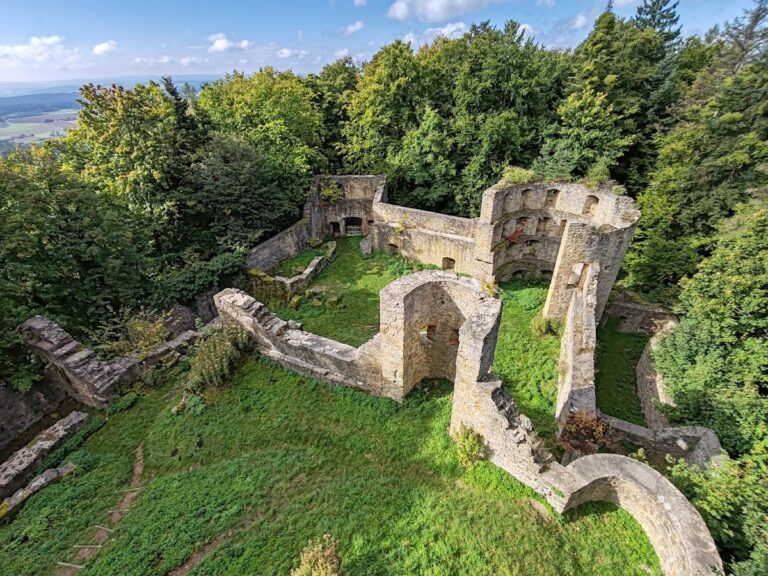
Burg Kürnberg, also known as Kürnburg or Kirnberg, is a late Gothic castle ruin on the Haidberg near Stamsried in Bavaria. Built in 1354 as a noble…
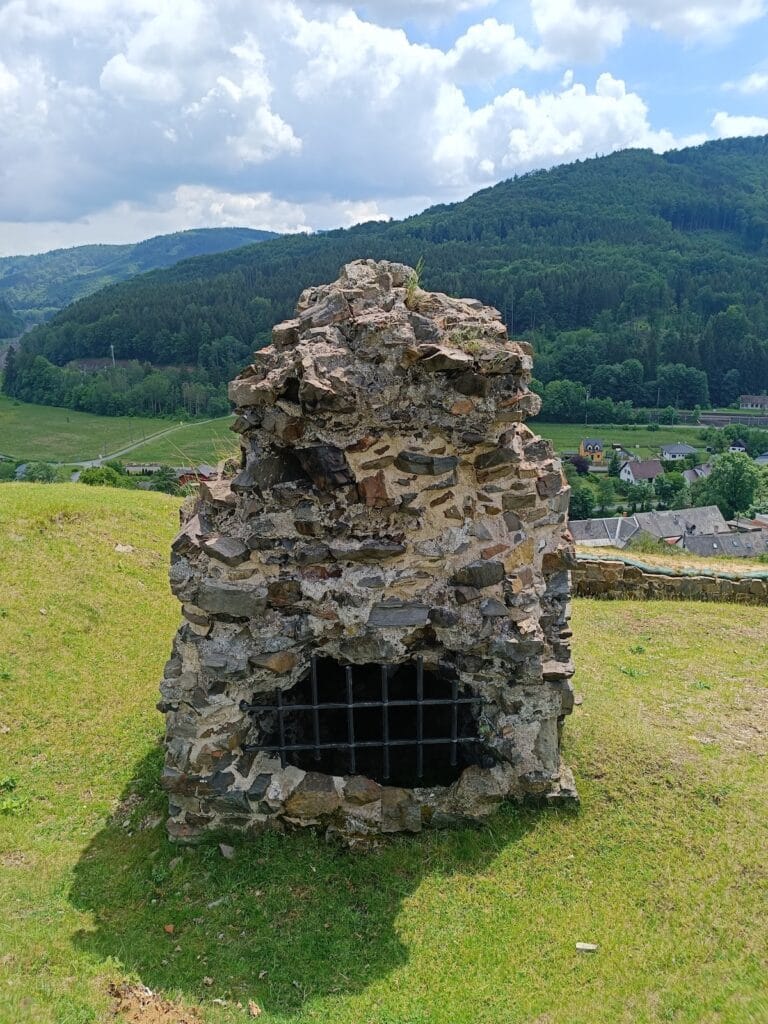
Hoštejn is a thirteenth-century Gothic castle ruin above the village of Hoštejn in Czechia. Founded amid rivalries among Moravian noble families, it…
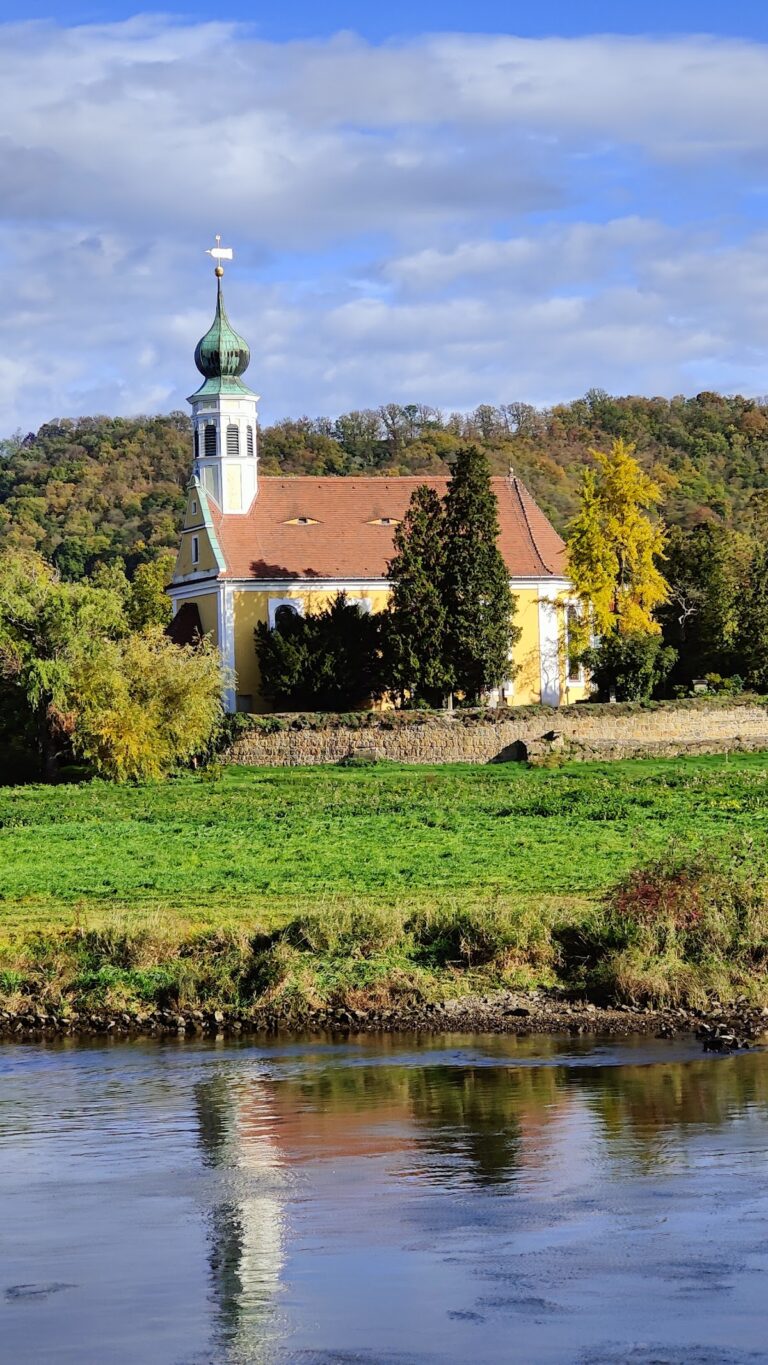
Maria am Wasser Church in Hosterwitz preserves a history reaching from a medieval pilgrimage church to a Lutheran parish church shaped by Baroque…
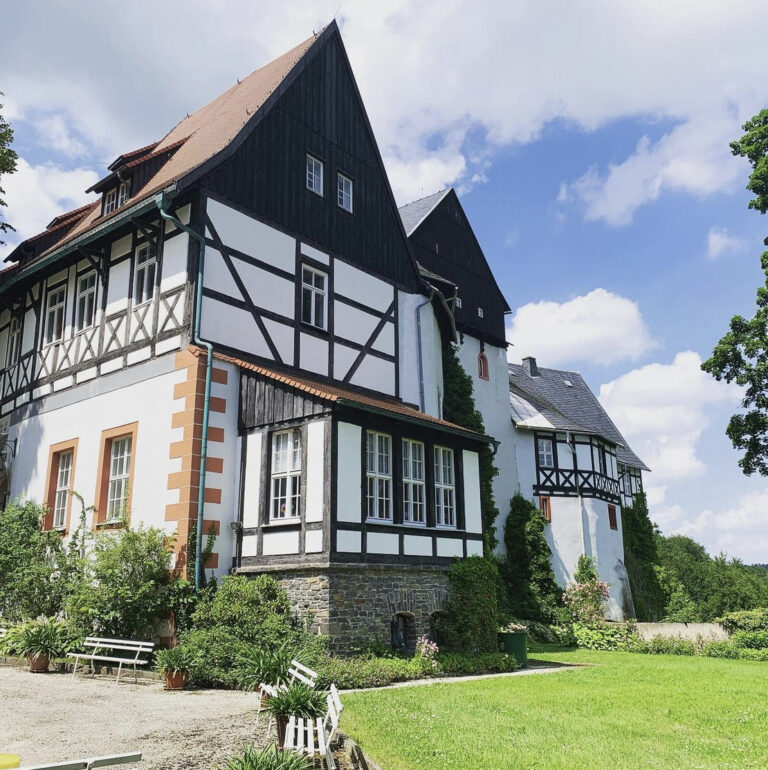
Rauenstein Castle developed from a medieval fortification guarding a Flöha river crossing and regional road into a palace and estate whose history…
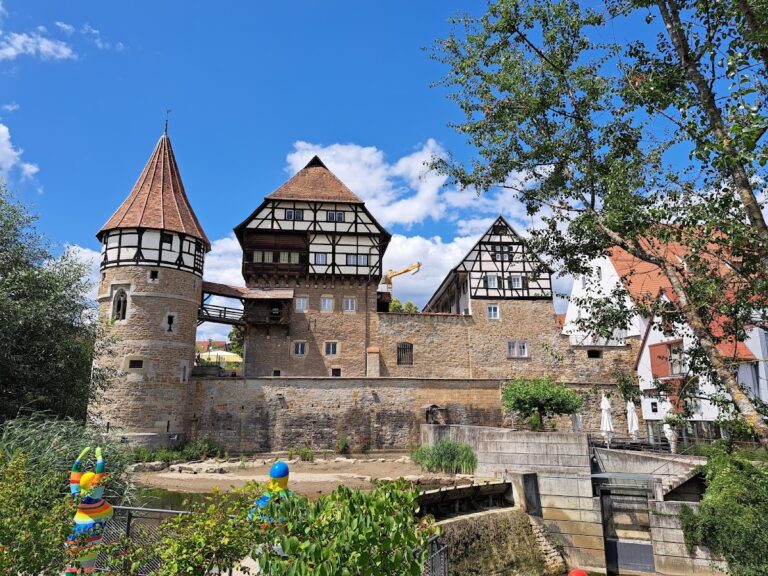
Zollernschloss began as a thirteenth-century residence of the Counts of Zollern-Schalksburg and later became a Württemberg administrative seat.…
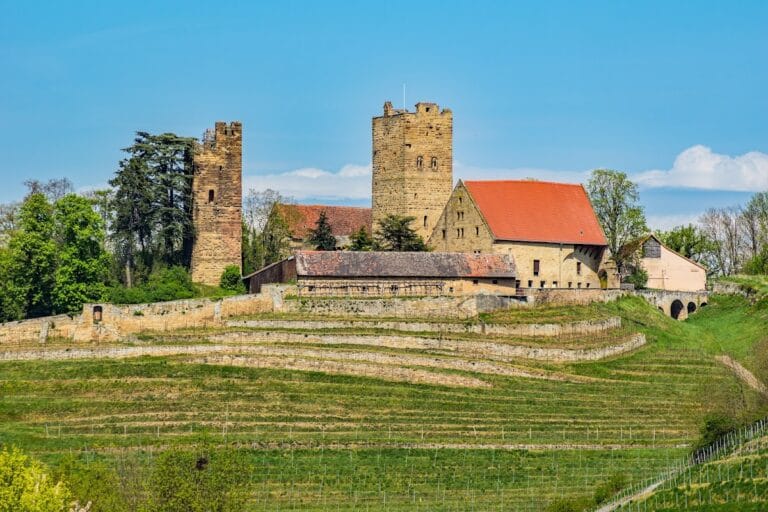
Burg Neipperg is a medieval hilltop castle in Baden-Württemberg that served as an ancestral seat of the Neipperg family and later became an…
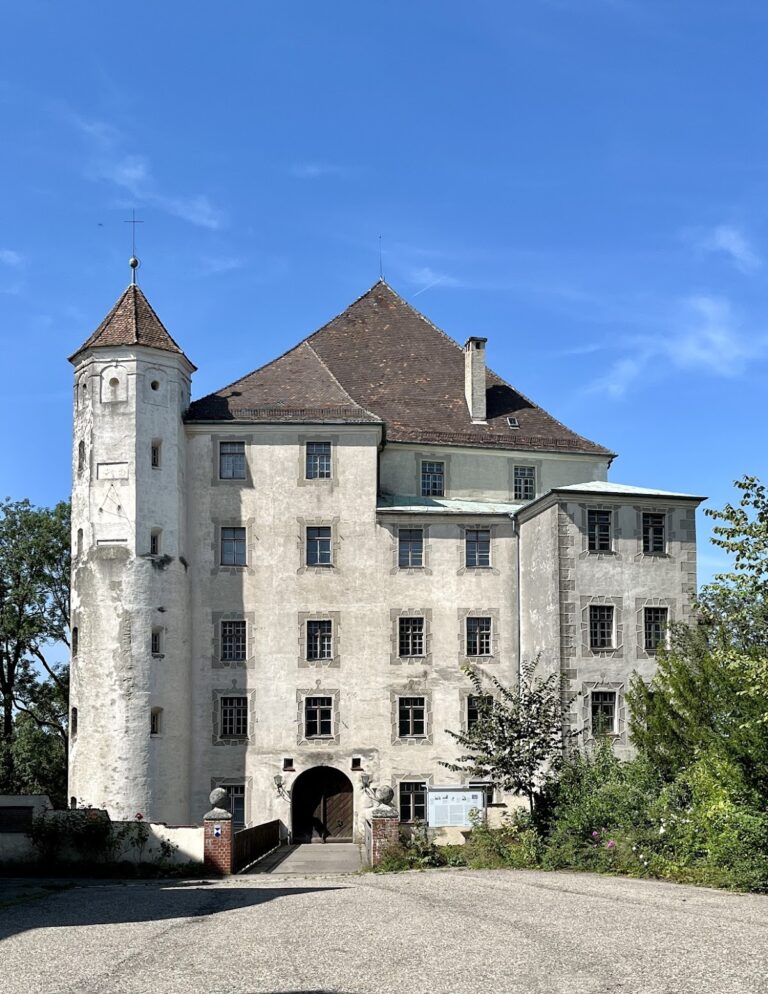
Hohes Schloss is a medieval castle in Bad Grönenbach whose fabric preserves successive phases from the twelfth century to the early eighteenth…
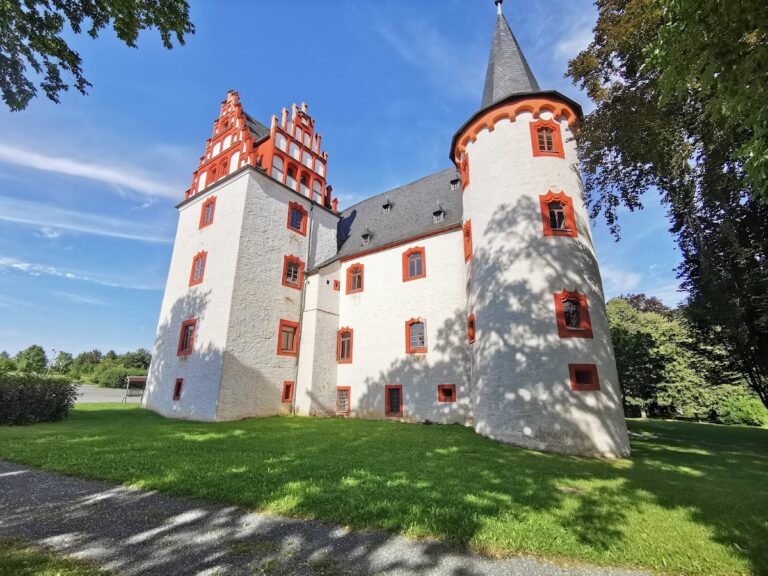
Schloss Netzschkau is a late Gothic residential castle built around 1490 in Saxony. Its history reflects the transition from fortified noble…
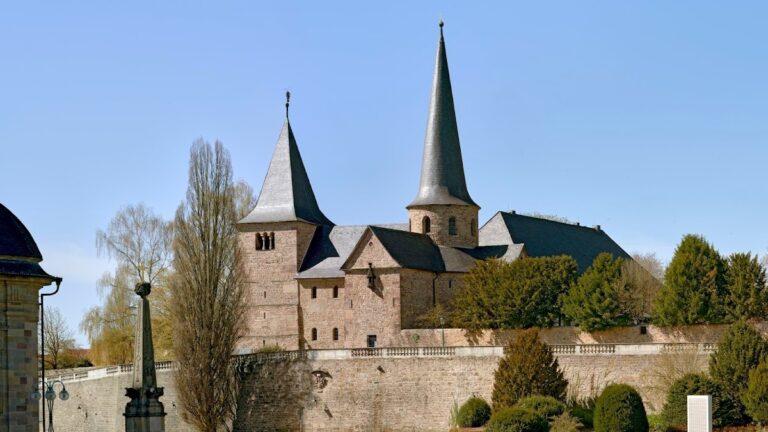
St. Michael's Church in Fulda is a Carolingian, Pre-Romanesque church built between 820 and 822 as the burial chapel of Fulda Monastery. Its rotunda,…

Founded in 1027, the former Benedictine monastery of Muri developed into a powerful abbey, a Habsburg burial place, and a predominantly Baroque…
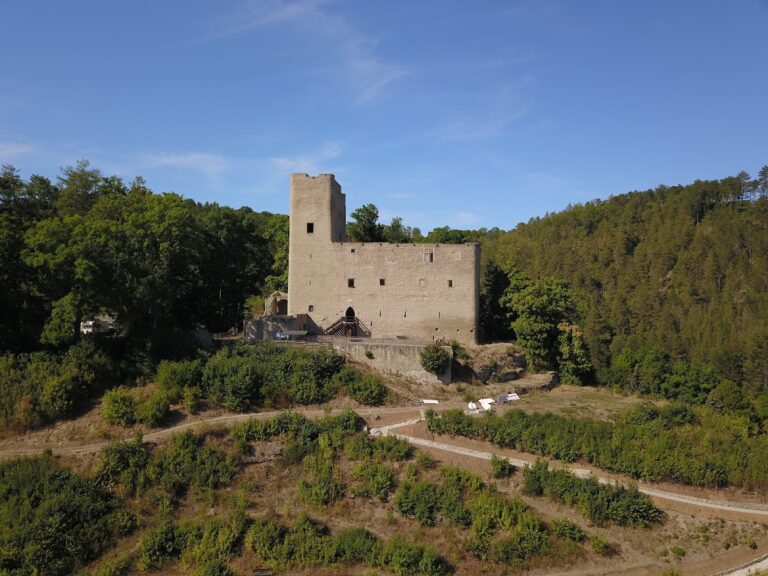
Liebenstein Castle in Thuringia developed as a fortified residence and territorial outpost of the Schwarzburg counts before passing to the Wettins…
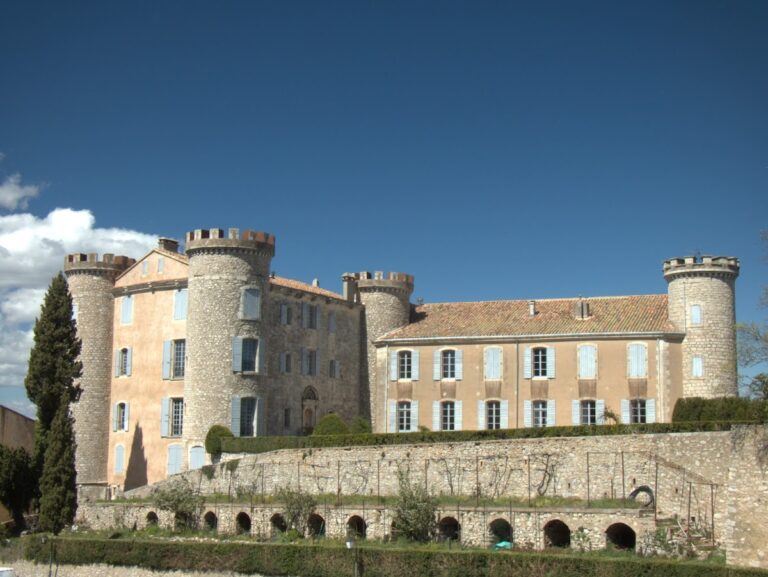
Saint-Martin-de-Pallières Castle developed from a medieval fortified residence into a Provençal family and summer residence. Its complex includes a…
For details on how to use the maps, which sites are included, how popularity and ratings are determined, and how sites are classified, see the help page.
On this page6 sections
Goslar’s imperial assembly halls
The Imperial Palace of Goslar preserves a long hall building within a former royal precinct. Its eleventh-century core contained two superimposed halls, with adjoining accommodation and religious buildings. The upper hall opened towards the precinct through large arched windows, while the lower hall had a warm-air heating system supplied by ovens outside its western wall.
The halls provided spaces for the ruler’s household and assemblies during royal visits. Nineteenth-century restoration introduced substantial new work, and the painted imperial cycle inside belongs to that later interpretation of the building. The scale and arrangement of the halls preserve evidence of the medieval palace, while their decorative presentation includes another period of German imperial history.
Princely castles and residential courts
Heidelberg Castle developed as the residence of the counts palatine and electors above the Neckar. Buildings of different dates surround its courtyard. The Ottheinrichsbau, begun after 1556, has a richly sculpted façade whose figures combine political heroes, virtues and planetary imagery. The Friedrichsbau presents a separate gallery of dynastic ancestors.
These façades gave the electoral household a public architectural identity within a defended residence. Destruction left much of the complex roofless; the Friedrichsbau’s restored interiors date largely from work around 1900. Surviving Renaissance stonework and reconstructed rooms therefore require different readings.
The Castle of the Counts of Gruyères in Switzerland has a more compact enclosure. Its roughly square plan includes a large round corner tower and residential buildings connected by galleries. The counts belonged to the Empire’s regional aristocracy and later held their lands under Savoyard overlordship. Fifteenth-century alterations replaced timber galleries with stone and added a stair tower, improving circulation through the residence while retaining the defensive perimeter.
Cathedrals in Bohemia and Tuscany
At St. Vitus Cathedral in Prague, the medieval choir preserves Peter Parler’s intersecting vault ribs and a gallery of sculpted busts. Royal patrons, bishops and master builders appear within the architecture. The Chapel of Saint Wenceslaus combines a vaulted interior with painted walls and polished stone decoration around the saint’s burial place.
The cathedral’s choir and southern structures belong to the medieval building campaigns, but its long western nave and twin-towered façade were completed in the nineteenth and twentieth centuries. Bohemia’s royal cathedral consequently retains a medieval ceremonial core within a much later completed outline.
Siena Cathedral represents another architectural setting within the Empire’s Italian lands. Alternating light and dark marble bands extend across its walls and clustered supports. A dome rises over the crossing, while carved portals and gables articulate the western façade. The building’s twelfth- and thirteenth-century development was a Sienese undertaking; its inclusion here does not make its decoration an imperial commission. Later additions and replacement façade sculptures remain part of the standing ensemble.
Maximilian’s Golden Roof in Innsbruck
The Golden Roof projects from the Neuer Hof towards Innsbruck’s old town square. Added for Maximilian I around 1500, the oriel combines a gilded copper roof with open balconies, reliefs and heraldic decoration.
Images of the ruler, members of his family and territorial arms placed the court’s identity directly above an urban gathering space. The structure is an addition to a larger residence, with its ornament concentrated on the projecting frontage. Copies preserve the arrangement of reliefs whose originals have been moved indoors for conservation.
Bremen’s town hall and imperial imagery
The Town Hall of Bremen joins large civic halls to an arcaded market frontage. Its medieval façade sculpture depicts an emperor and the seven prince-electors, including the King of Bohemia. These figures expressed the city’s claimed relationship with imperial authority.
An early-seventeenth-century rebuilding added the richly decorated Renaissance frontage while retaining the older hall structure. The imperial figures now displayed outside are conservation copies. Their positions above the market arcade connect the building’s municipal purpose with its political imagery.
Explore the collection
Use the map or grid to explore by country, primary function, site type and era, with additional filters for popularity and rating. Map icons indicate primary functions. Select a marker for details and access to its article, or open an article from its grid entry.