Historic Sites in South Korea: Explore Tombs, Temples and Royal Palaces
South Korea’s historic sites preserve the burial landscapes of Silla, the defences of Baekje and the palaces and administrative towns of Joseon. Buddhist monasteries add another long architectural tradition. Many places contain buildings from several periods: a temple’s foundation may be ancient even when its principal wooden hall was rebuilt centuries later.
Primary Function: All
Type: All
Civilization: All
Popularity: All
Rating: All
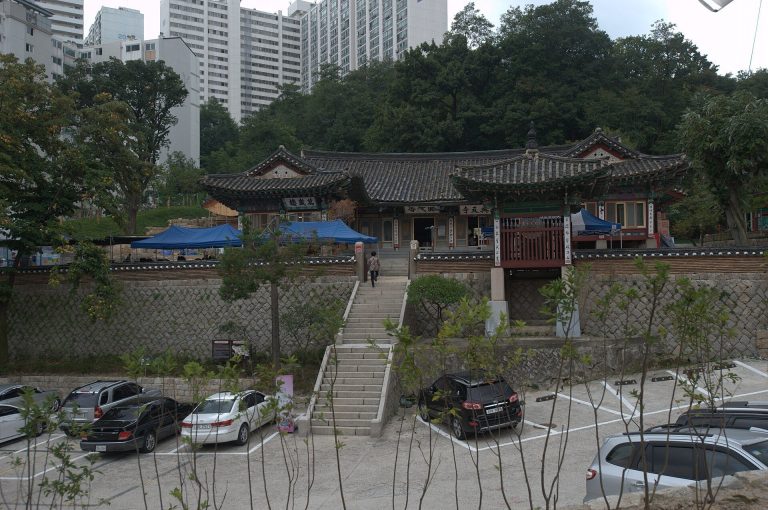
Heungcheonsa is a Joseon-era Buddhist temple founded by King Taejo in 1397 to serve as a memorial temple for Queen Sindeok. Rebuilt and relocated…
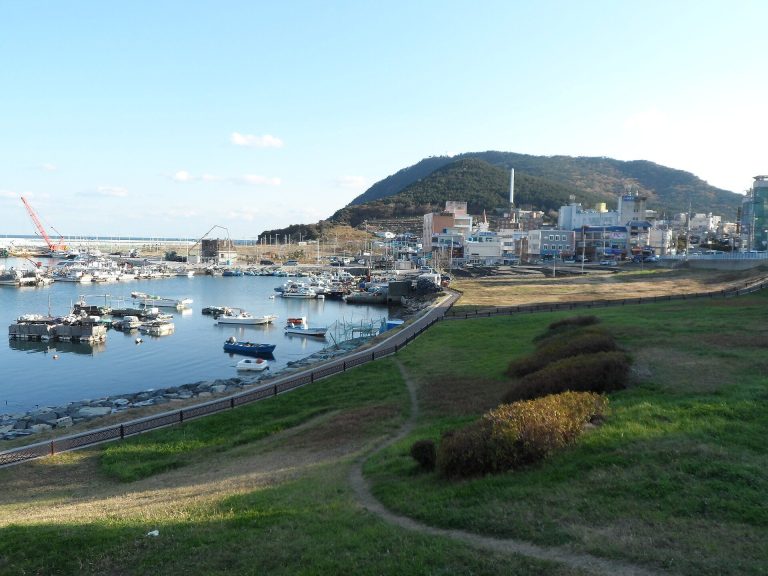
Dongsam-dong Shell Midden is a major Neolithic site on Yeongdo Island, preserving evidence of coastal subsistence, craft production, burial customs,…
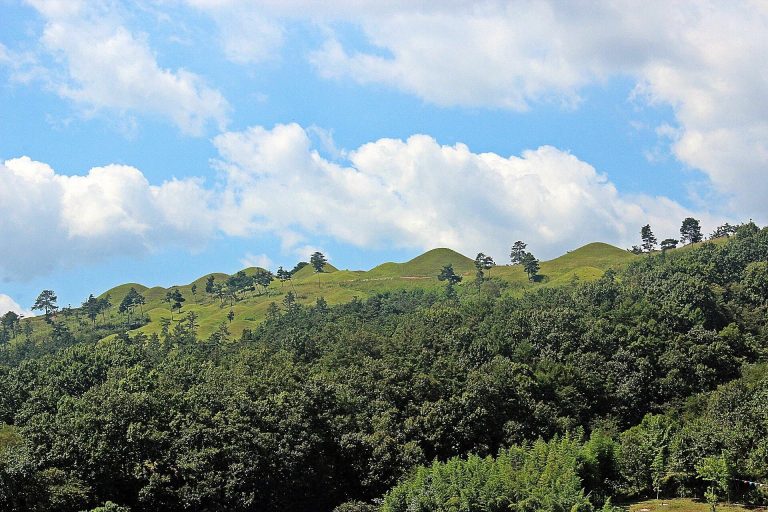
The Goryeong Jisan-dong Tumuli are a fourth- to sixth-century Daegaya cemetery containing more than 200 burial mounds and evidence of ruling-class…
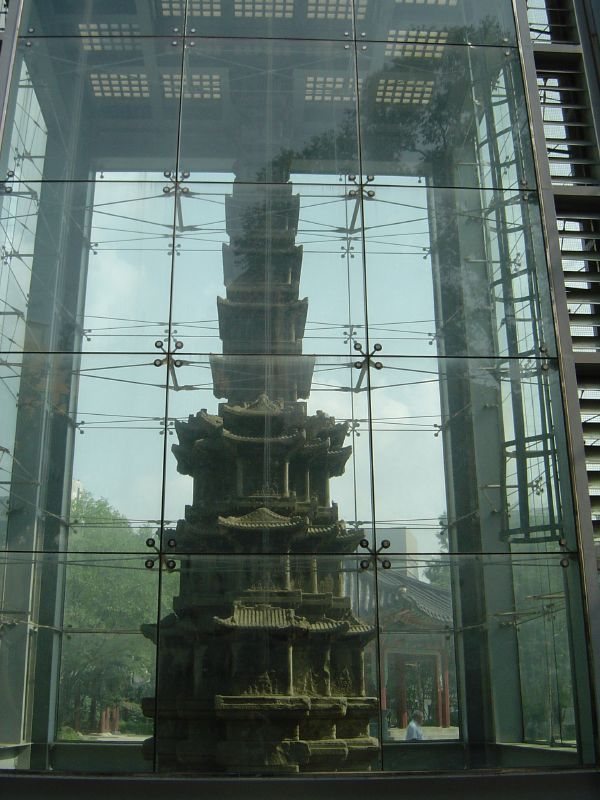
Wongaksa Pagoda is a ten-storey marble monument built in 1467 for Wongaksa Temple in Seoul. Its finely carved surfaces, later history, and survival…
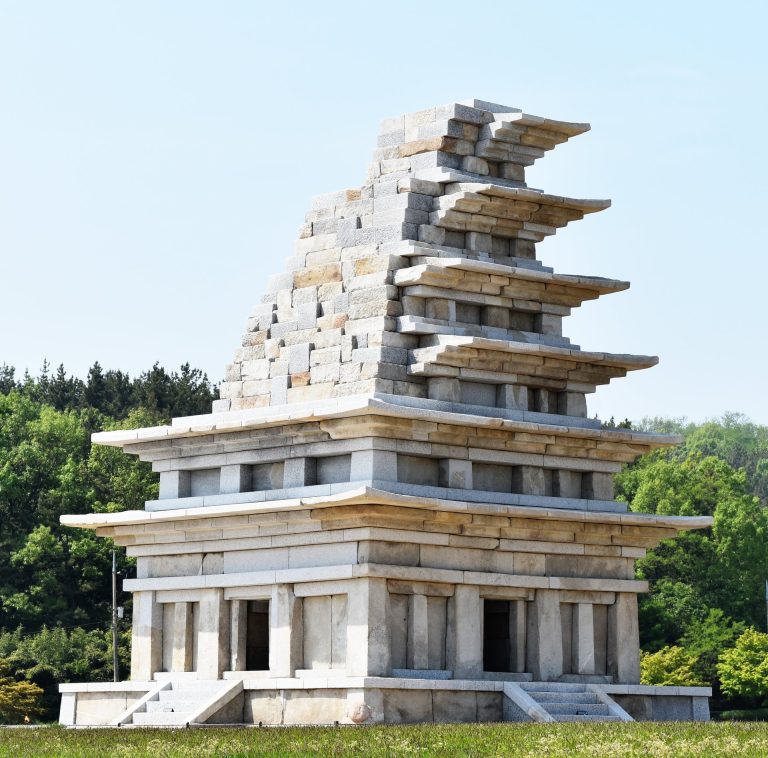
Mireuksa was the largest Buddhist temple of the Baekje kingdom, founded around AD 639 at Iksan during the reign of King Mu. Its excavated remains,…
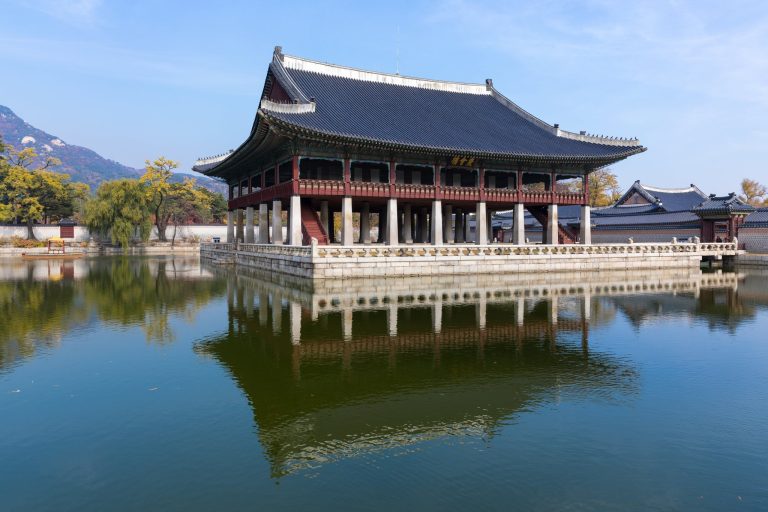
Gyeongbokgung was established in 1395 as the first royal palace of the Joseon dynasty and became the ceremonial and political center of Hanyang.…
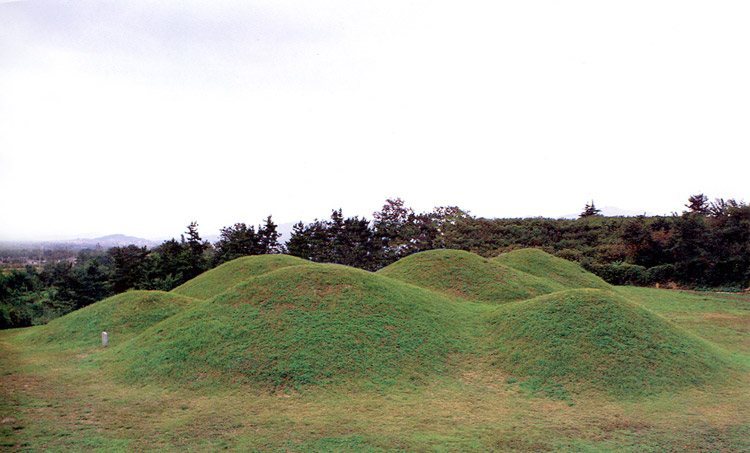
The Gyeongsan Imdang-dong and Joyeong-dong Ancient Tombs preserve burial mounds associated with Aptdokguk and the early Three Kingdoms period. Their…
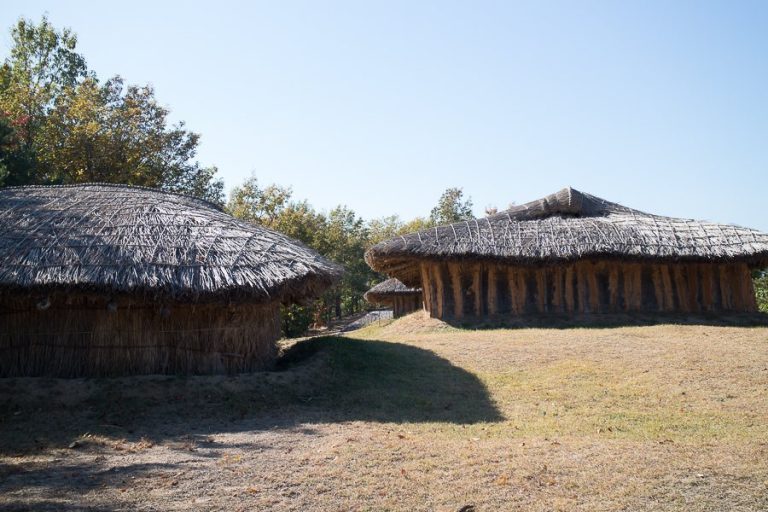
Joyangdong prehistoric heritage in Sokcho preserves Bronze Age dwellings and dolmens dating to around the eighth century BCE, along with evidence of…
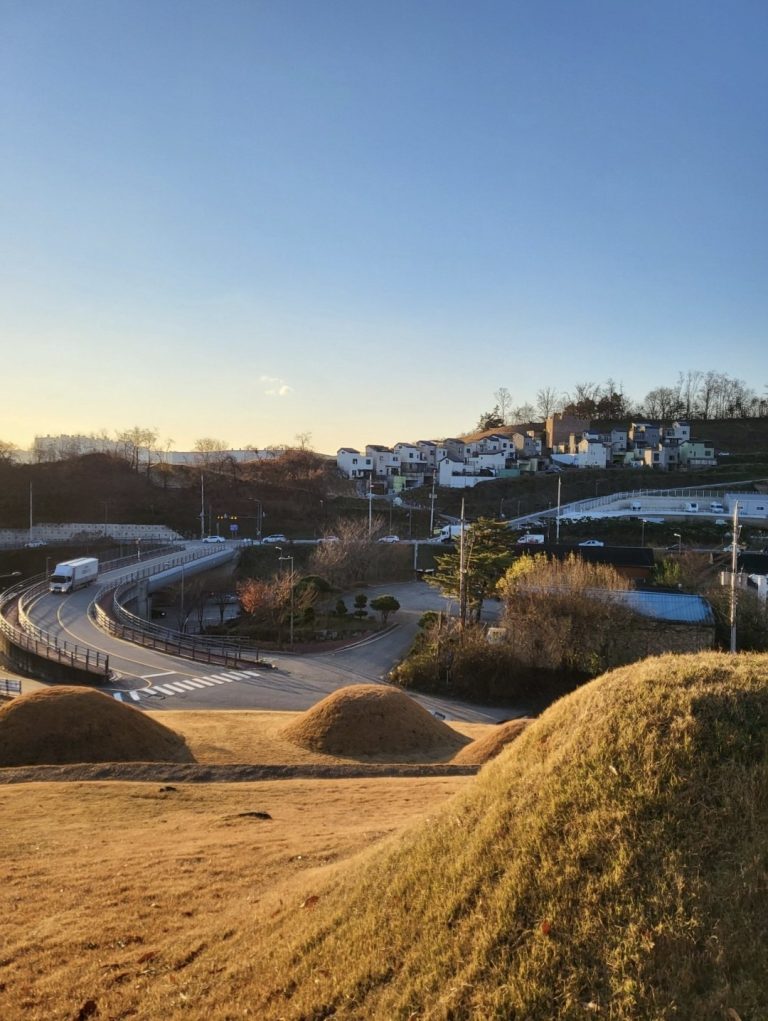
Ancient Tombs in Bojeong-dong, Yongin is a large Silla-period cemetery used from the late sixth to the ninth century, with burials and grave goods…
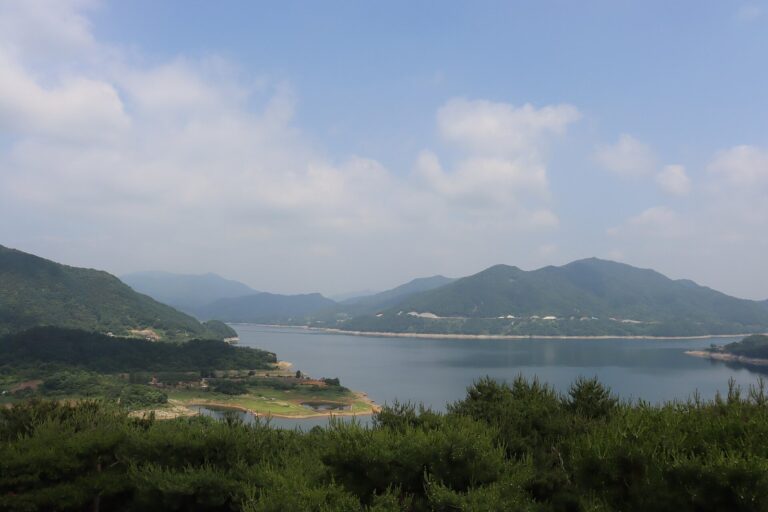
This stone fortress is linked to competing Baekje, Goguryeo, and Silla identifications. Its military history, local traditions, and surviving…
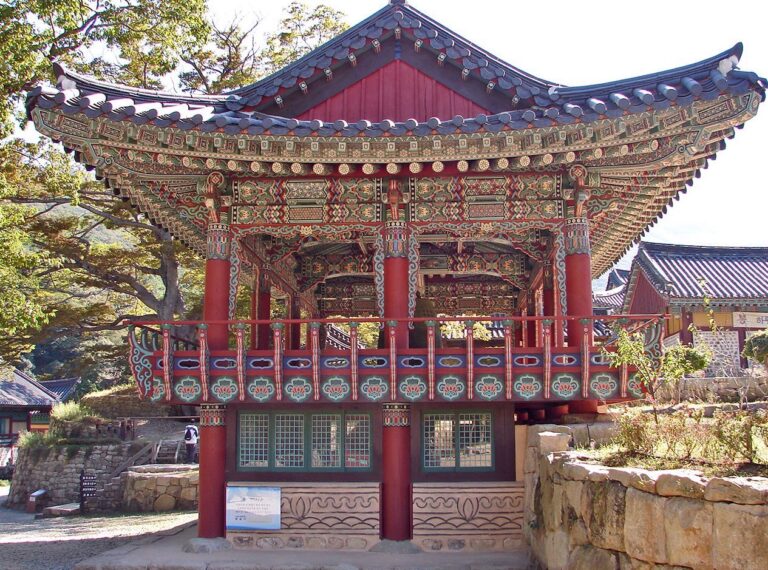
Daeheungsa is a Korean Buddhist temple on Mount Duryun, known for its role in the Jogye Order, its association with Seosan Daesa, and its long…
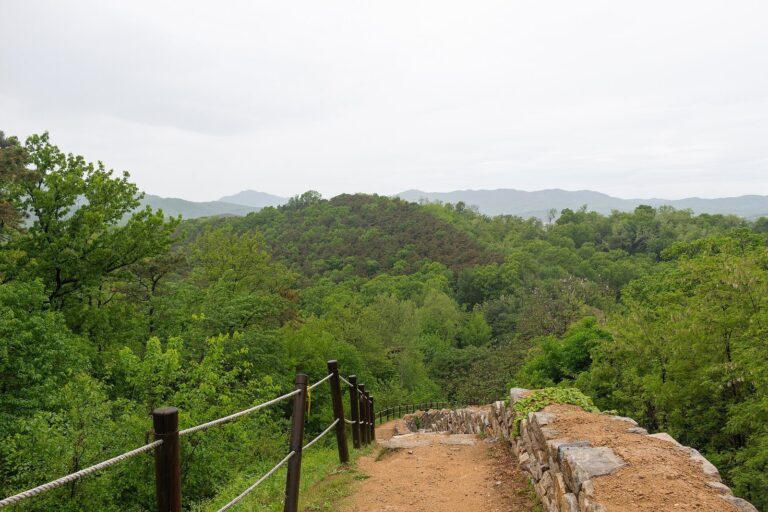
Built in 1232 after the Goryeo court moved to Ganghwa Island, the fortress defended the relocated capital and underwent repeated rebuilding under…
For details on how to use the maps, which sites are included, how popularity and ratings are determined, and how sites are classified, see the help page.
On this page4 sections
Silla burial mounds at Daereungwon
The Daereungwon tomb complex in Gyeongju contains large earthen burial mounds associated with Silla’s rulers and aristocracy. Beneath the mounds, excavations have revealed tombs in which wooden chambers were covered by stone and earth. Their construction protected the burial space and created a prominent monument above ground.
The identities of many occupants remain uncertain. The mounds can still be studied as a planned funerary landscape, while excavated tomb structures and their finds explain the materials and wealth invested in individual burials.
Fortified capitals and administrative towns
Gongsanseong defended the Baekje capital at Ungjin, now Gongju, during the fifth and sixth centuries. Its walls follow hills and valleys above the Geum River. Excavated remains within the enclosure include buildings associated with the capital, while much of the visible stone circuit reflects later Joseon rebuilding of earlier defences.
Haemieupseong illustrates a different arrangement: a Joseon administrative and military town enclosed on relatively level ground. Its circuit contains gateways, including the prominent southern Jinnammun. Government buildings and residential spaces occupied the interior. Several structures now used to explain life in the town, including the prison and vernacular house, are reconstructions.
The distinction between an early defensive site and the date of its standing walls is particularly useful when comparing these places. A fortification could remain important through changes of dynasty and military organization.
Buddhist pagodas and wooden halls
At Bunhwangsa, founded in the seventh century, the surviving stone pagoda was built to resemble brick construction. Its masonry preserves a part of the Silla monastery, while the layout of vanished halls is known through excavation. The temple’s present wooden buildings belong to later phases.
Tongdosa also has a Silla foundation, but its principal hall was rebuilt in the seventeenth century. The hall faces the Diamond Altar and the stupa associated with relics attributed to the Buddha. Its arrangement gives those relics a central role in worship: the main hall has no conventional Buddha image above its altar.
These examples preserve different components of monastic architecture. A stone pagoda may survive the loss of surrounding halls, while a rebuilt wooden hall may continue to serve an older sacred place.
Gyeongbokgung: courts for ceremony and government
Gyeongbokgung was founded in Seoul at the beginning of the Joseon dynasty. Successive gates and courts led toward ceremonial and governmental halls, with royal living quarters farther inside the compound. The arrangement separated public state business from more private areas of residence.
The palace was extensively rebuilt in the nineteenth century, suffered major losses during Japanese colonial rule and has undergone further reconstruction. Its present layout therefore needs to be read alongside the history of individual buildings, rather than treated as a complete survival from the fourteenth century.
Browse the map for locations and follow the site articles for the surviving fabric, excavated plans and later rebuilding at each place.