Historic Sites in South Korea: Explore Tombs, Temples and Royal Palaces
South Korea’s historic sites preserve the burial landscapes of Silla, the defences of Baekje and the palaces and administrative towns of Joseon. Buddhist monasteries add another long architectural tradition. Many places contain buildings from several periods: a temple’s foundation may be ancient even when its principal wooden hall was rebuilt centuries later.
Primary Function: All
Type: All
Civilization: All
Popularity: All
Rating: All
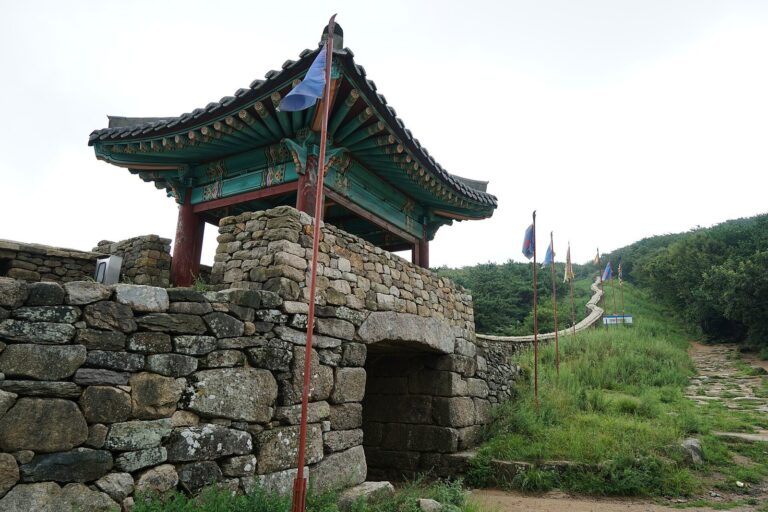
The article traces Geumjeongsanseong from its uncertain early origins through its construction as a Joseon coastal fortress and describes its…
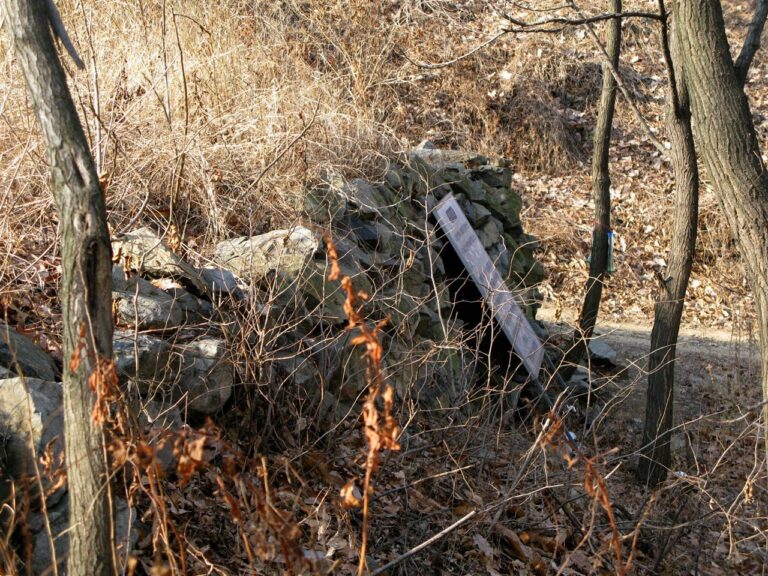
Gyeyangsanseong was a strategically placed mountain fortress in the lower Han River region, probably built by Baekje. Its surviving walls and…
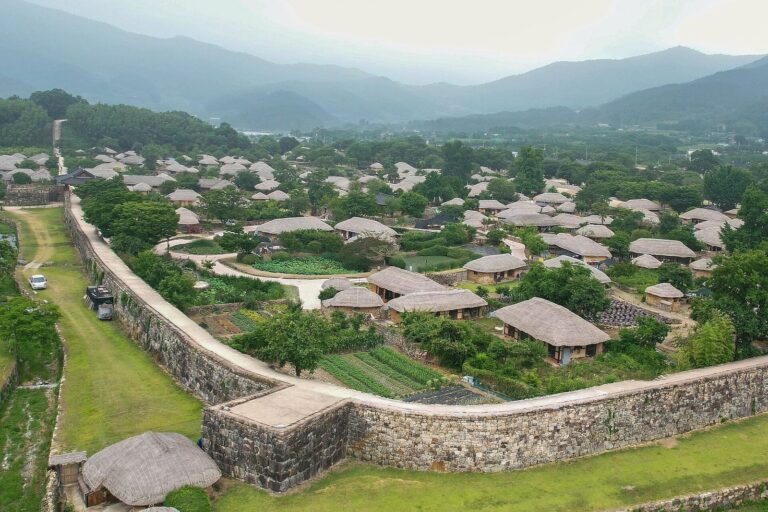
Naganeupseong developed from a Baekje-period settlement into a walled administrative center, and its inhabited historic village preserves traditional…
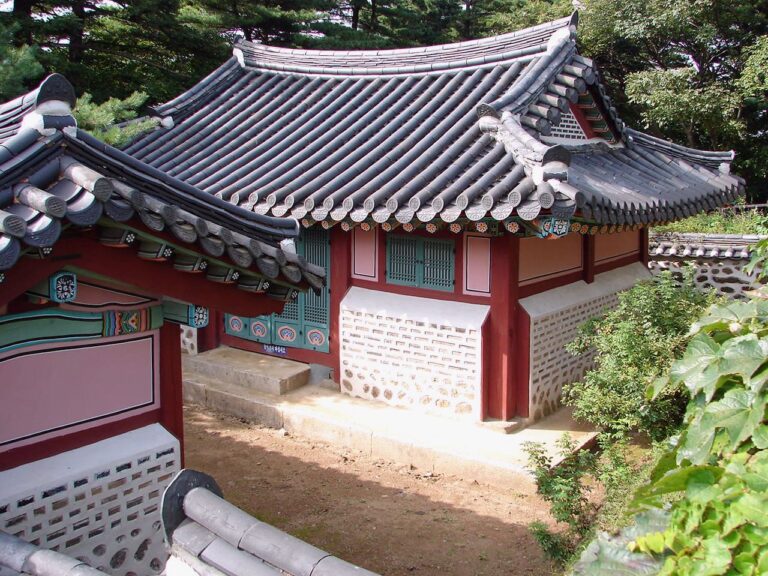
Built from 1624, Namhansanseong served as a mountain fortress, wartime capital, and administrative center. Its history reflects East Asian military…
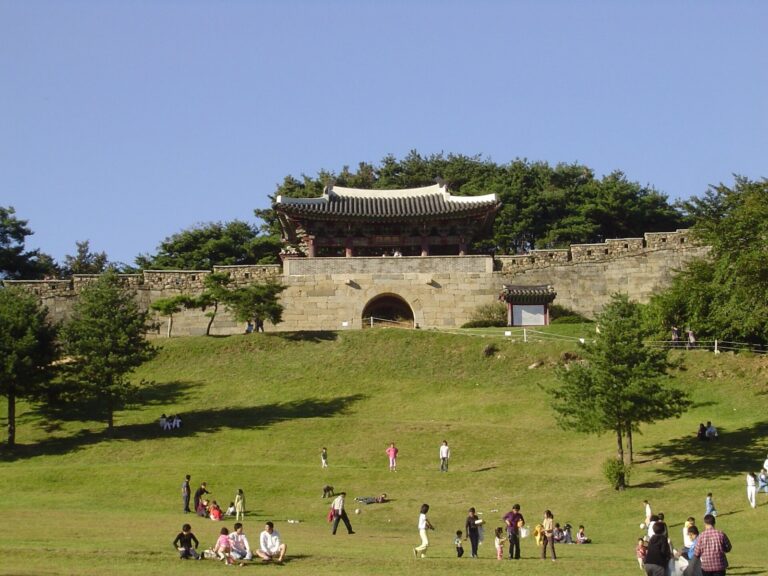
Sangdang Sanseong defended routes through the Cheongju region from the Goryeo period through Joseon. Its surviving stone walls, gates, and military…
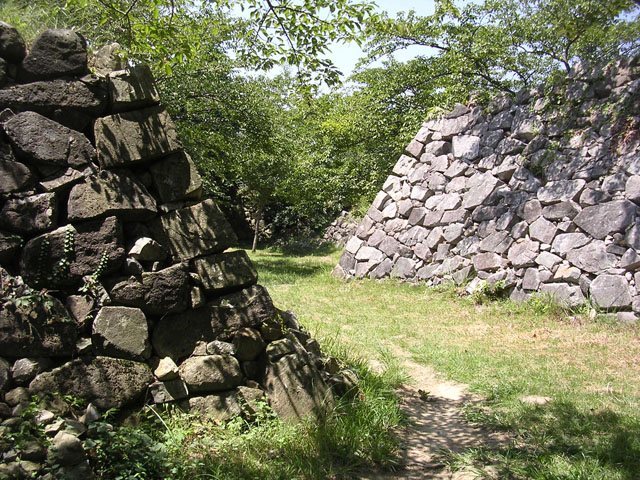
Built in 1593, Seosaengpo Castle served as a Japanese coastal stronghold during the invasions of Korea and later as a Joseon naval command post. Its…
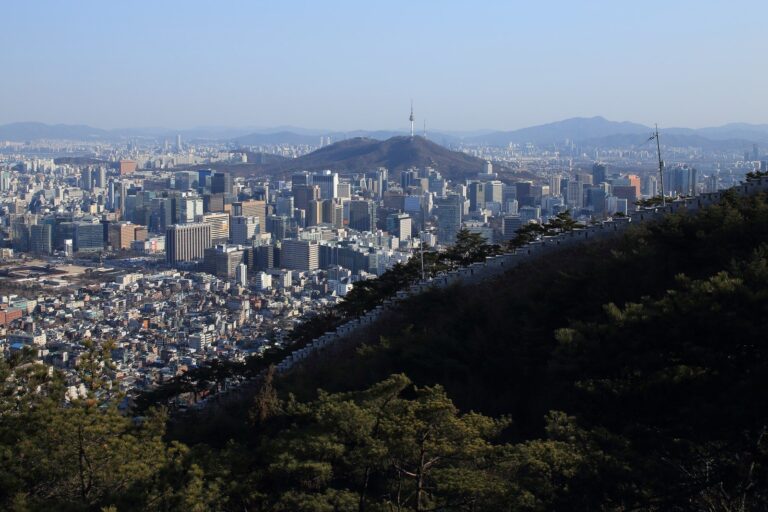
Begun in 1394 to defend Joseon’s capital, Seoul City Wall follows the ridges around the historic city. Repairs, demolition, and modern restoration…
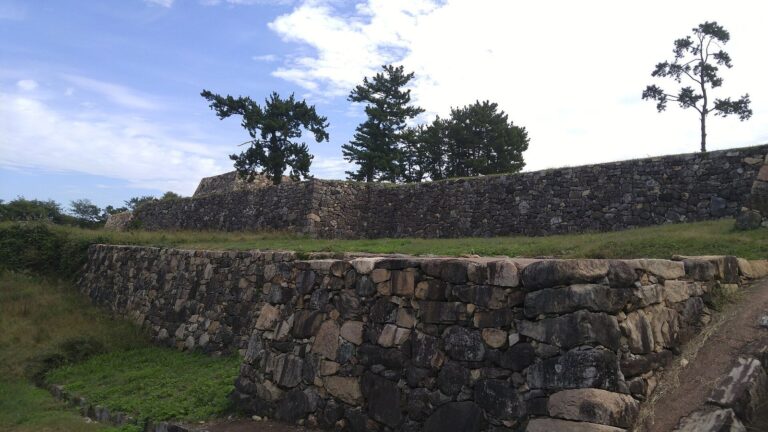
Built by Japanese forces in 1597, Suncheon Castle served as a forward base and defensive stronghold during the second invasion of Korea. Its…
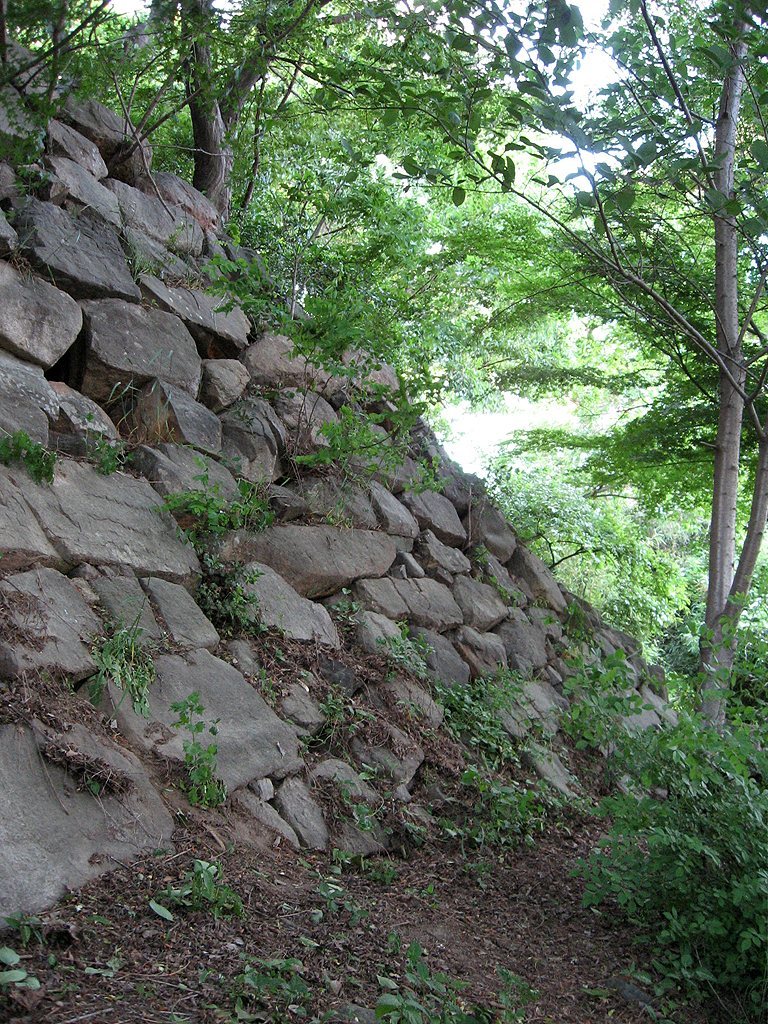
Built in 1597 during the Imjin War, Ulsan Castle became a Japanese frontline fortress, later serving Joseon naval forces and a shipbuilding yard.
For details on how to use the maps, which sites are included, how popularity and ratings are determined, and how sites are classified, see the help page.
On this page4 sections
Silla burial mounds at Daereungwon
The Daereungwon tomb complex in Gyeongju contains large earthen burial mounds associated with Silla’s rulers and aristocracy. Beneath the mounds, excavations have revealed tombs in which wooden chambers were covered by stone and earth. Their construction protected the burial space and created a prominent monument above ground.
The identities of many occupants remain uncertain. The mounds can still be studied as a planned funerary landscape, while excavated tomb structures and their finds explain the materials and wealth invested in individual burials.
Fortified capitals and administrative towns
Gongsanseong defended the Baekje capital at Ungjin, now Gongju, during the fifth and sixth centuries. Its walls follow hills and valleys above the Geum River. Excavated remains within the enclosure include buildings associated with the capital, while much of the visible stone circuit reflects later Joseon rebuilding of earlier defences.
Haemieupseong illustrates a different arrangement: a Joseon administrative and military town enclosed on relatively level ground. Its circuit contains gateways, including the prominent southern Jinnammun. Government buildings and residential spaces occupied the interior. Several structures now used to explain life in the town, including the prison and vernacular house, are reconstructions.
The distinction between an early defensive site and the date of its standing walls is particularly useful when comparing these places. A fortification could remain important through changes of dynasty and military organization.
Buddhist pagodas and wooden halls
At Bunhwangsa, founded in the seventh century, the surviving stone pagoda was built to resemble brick construction. Its masonry preserves a part of the Silla monastery, while the layout of vanished halls is known through excavation. The temple’s present wooden buildings belong to later phases.
Tongdosa also has a Silla foundation, but its principal hall was rebuilt in the seventeenth century. The hall faces the Diamond Altar and the stupa associated with relics attributed to the Buddha. Its arrangement gives those relics a central role in worship: the main hall has no conventional Buddha image above its altar.
These examples preserve different components of monastic architecture. A stone pagoda may survive the loss of surrounding halls, while a rebuilt wooden hall may continue to serve an older sacred place.
Gyeongbokgung: courts for ceremony and government
Gyeongbokgung was founded in Seoul at the beginning of the Joseon dynasty. Successive gates and courts led toward ceremonial and governmental halls, with royal living quarters farther inside the compound. The arrangement separated public state business from more private areas of residence.
The palace was extensively rebuilt in the nineteenth century, suffered major losses during Japanese colonial rule and has undergone further reconstruction. Its present layout therefore needs to be read alongside the history of individual buildings, rather than treated as a complete survival from the fourteenth century.
Browse the map for locations and follow the site articles for the surviving fabric, excavated plans and later rebuilding at each place.