Historic Sites in Saudi Arabia: Explore Tombs, Oasis Cities and Forts
Saudi Arabia’s collection includes pre-Islamic caravan cities, rock-cut tombs, pilgrimage-route fortresses and the palaces of later regional rulers. Water supplies and routes across the peninsula influenced where many of these places developed. Their remains range from façades carved into sandstone to excavated urban plans and buildings made from earth, stone and timber.
Primary Function: All
Type: All
Civilization: All
Popularity: All
Rating: All
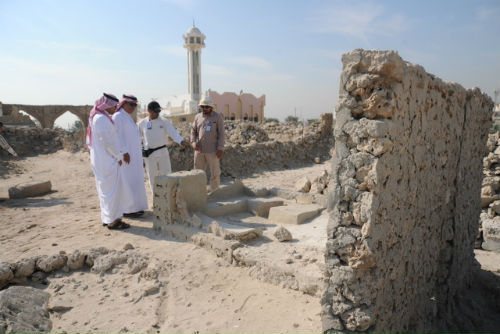
Al Faihani Palace, beside Darin Castle on Tarout Island, reflects the political, defensive, customs, and residential history of eastern Saudi Arabia…
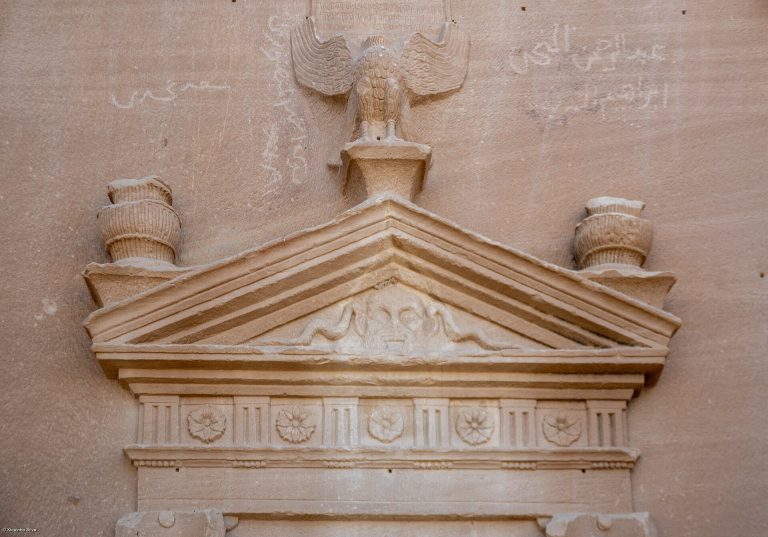
Hegra, also known as Al-Hijr and Mada'in Salih, was a major Nabataean caravan centre and later a Roman civic and military settlement. Its rock-cut…
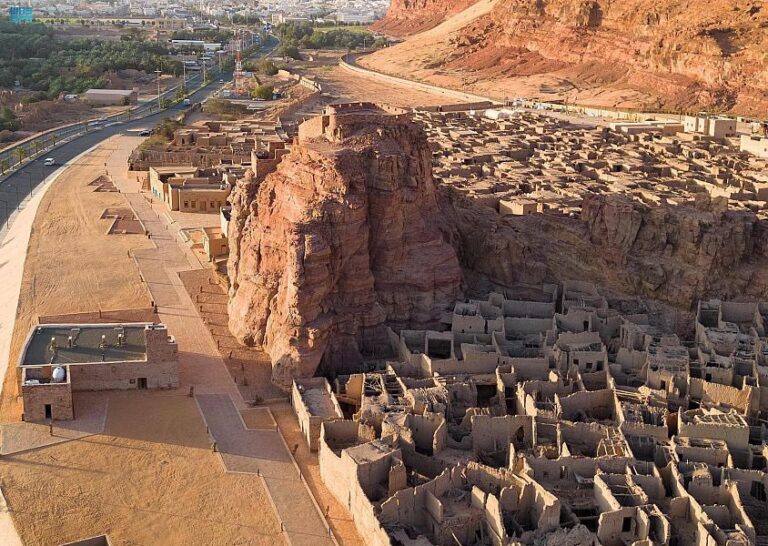
Musa ibn Nusayr Castle, also called AlUla Castle, is a sixth-century BCE sandstone fortress overlooking Old AlUla and the route of Hajj caravans in…
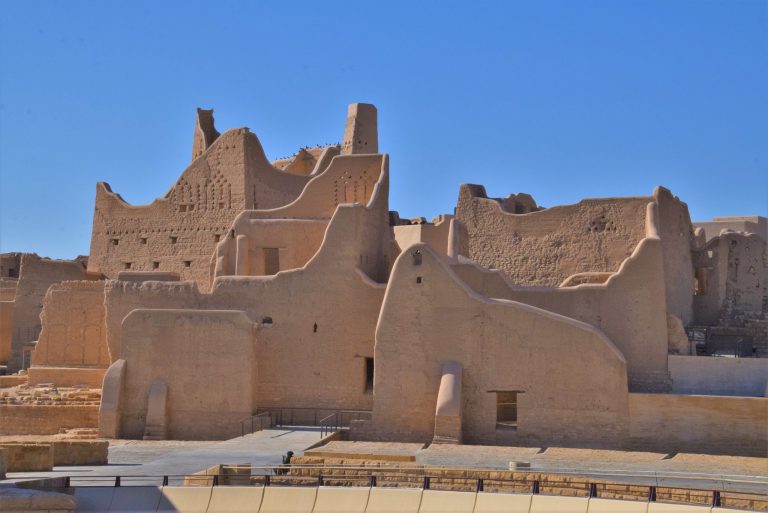
Salwa Palace in Diriyah served as the residence of the princes and imams of the First Saudi State. Built in seven successive units, it covered more…
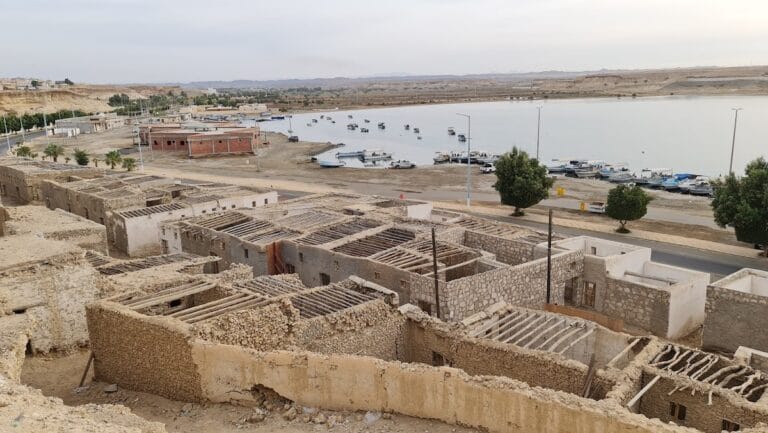
Built in 1875, Al Wajh Castle served as a government center and fortified stronghold before becoming a museum devoted to the history of Al Wajh.
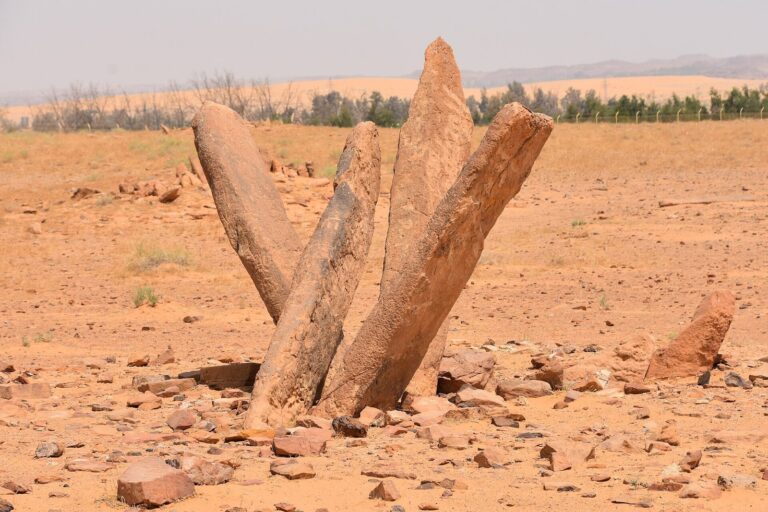
The Columns of Rajajil are a circular arrangement of sandstone pillars near Sakaka, generally dated to the fourth millennium BCE. Their possible…
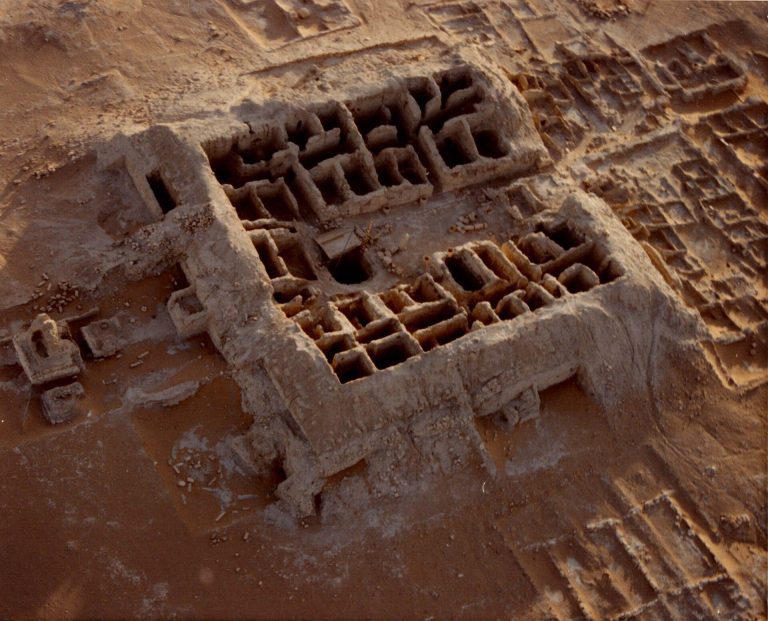
Qaryat al-Faw was an ancient Kinda city and a major commercial, religious, political, and cultural centre on the trade routes of pre-Islamic Arabia.
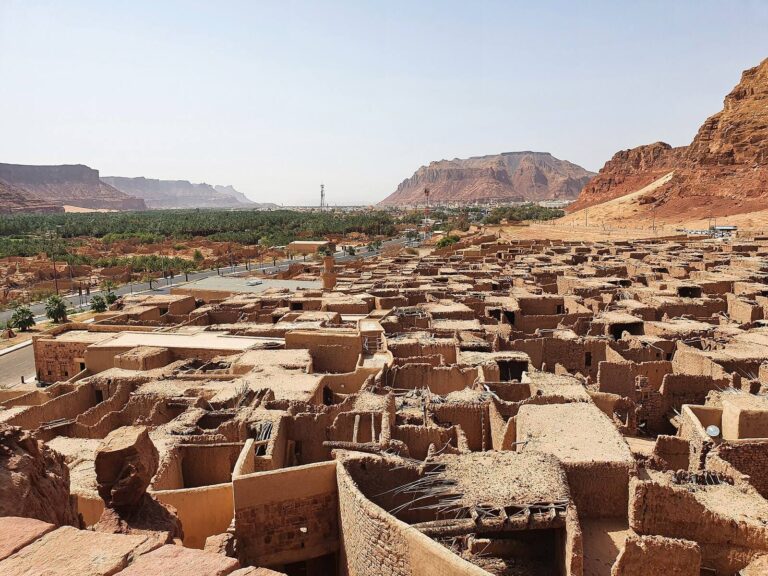
Founded beside an oasis and the remains of Dadan, Al-Ula Old Town flourished from the 12th to the 15th centuries as a trading center and a stop on…
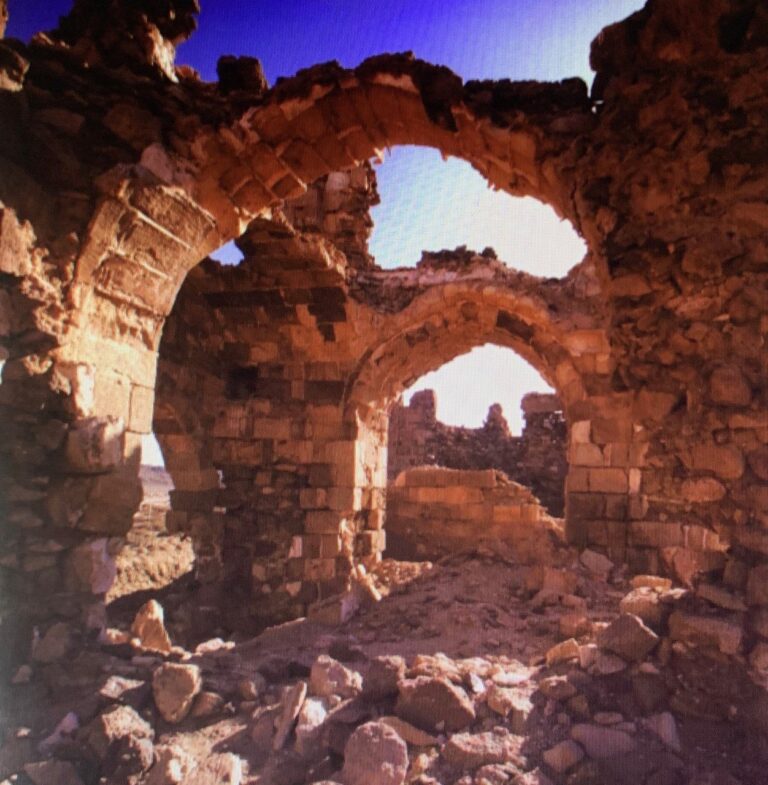
Al-Azlam Fort is a Mamluk-period stronghold in northwestern Saudi Arabia that served armies on the eastern Red Sea coast and later became a station…
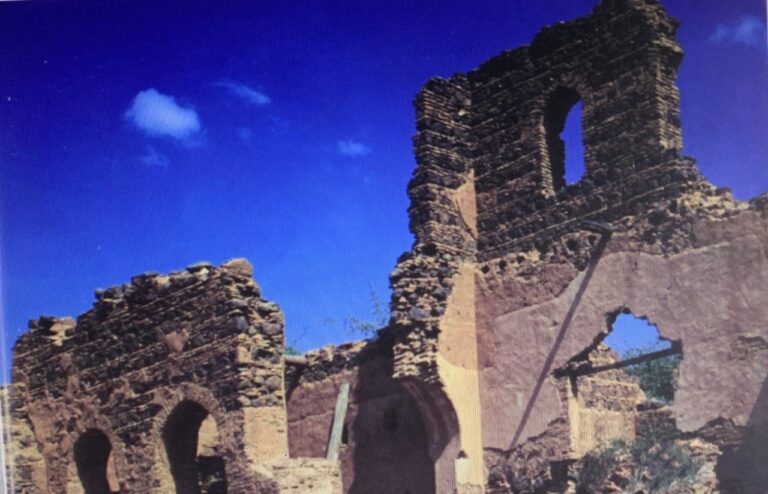
Dar al-Nasr Castle, also known as Abu Arish Castle, is a square military fortress in Abu Arish associated with the Ottoman garrison in the Jazan…
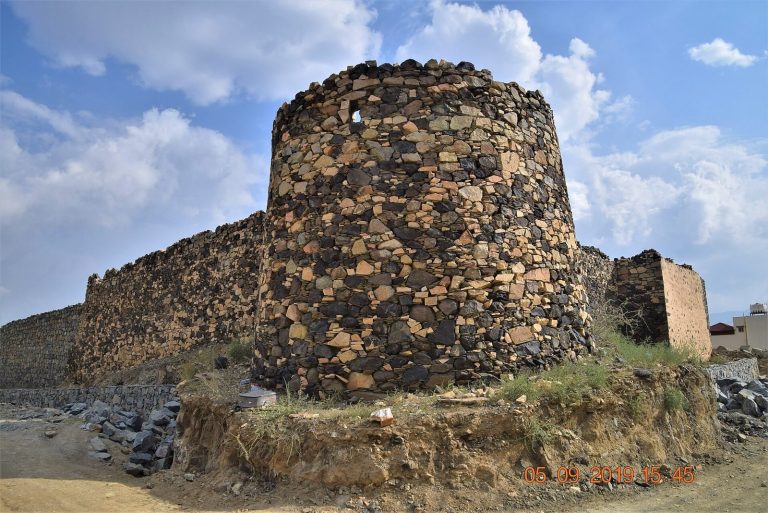
Shaar Castle is a ruined Ottoman fortress near Abha, established in 1872 to control the route from Shaar Pass toward Wadi Tih between the Asir…
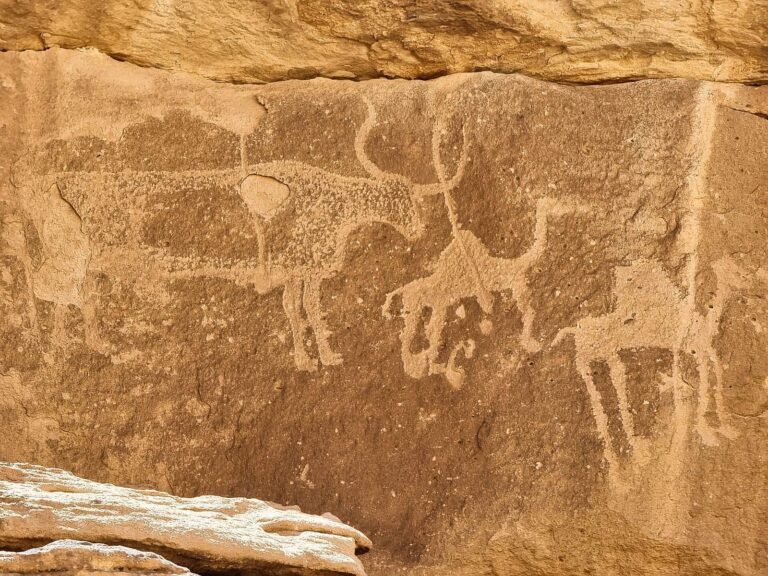
Bir Hima preserves rock art and inscriptions spanning prehistoric and historic periods, including evidence of ancient occupation, caravan travel, and…
For details on how to use the maps, which sites are included, how popularity and ratings are determined, and how sites are classified, see the help page.
On this page4 sections
Hegra: carved tombs around an oasis city
At Hegra, monumental tombs were cut into isolated sandstone outcrops around a Nabataean settlement. Their façades combine doorways, pilasters, cornices and other carved architectural forms. Behind them lie burial chambers whose arrangement and inscriptions provide evidence about the people entitled to use individual tombs.
The necropolises are the most conspicuous remains, but the city also depended on its oasis and wells. Hegra occupied a position on routes connecting Arabia with regions farther north. Its tombs belong within the history of that settlement, rather than standing as unrelated monuments in the desert.
Qaryat al-Faw: streets, markets and water management
Qaryat al-Faw, near the edge of the Empty Quarter, preserves the remains of another ancient caravan city. Excavation has identified residential areas, commercial buildings, religious spaces and cemeteries. These remains show how an urban community developed around a meeting point of long-distance routes.
The settlement was supported by an oasis and extensive water-management works. Wells, storage installations and irrigation remains explain how cultivation could support inhabitants and passing traffic in an arid setting. Its buildings and inscriptions also provide evidence of contact between different communities across the Arabian Peninsula.
Palaces and forts in Najd
Salwa Palace, in Diriyah’s Turaif district, developed as a residence of the rulers of the First Saudi State. Successive additions created a complex of halls, rooms, courtyards and connecting passages. The surviving walls reveal different construction units, making the growth of the palace more apparent than the outline of a single symmetrical building.
Masmak Fort, in Riyadh, represents a more compact fortified enclosure. Thick earthen walls, towers and a strongly built entrance protected rooms used for reception, worship and accommodation. A small opening within the principal gate allowed limited passage without opening the entire entrance.
The fort is closely associated with the capture of Riyadh in 1902. Its article separates that event from the building’s nineteenth-century construction and subsequent restoration.
Coastal routes and port buildings
Muwaylih Castle, near the Red Sea coast, served the pilgrimage route toward the holy cities. Its Ottoman-period fortress enclosed a courtyard with rooms, storage facilities, a mosque and a well. Corner towers and openings for firearms protected a station whose role included supplying and sheltering travellers.
On the Gulf coast, Al Faihani Palace at Darin preserves a much less complete complex associated with a late nineteenth-century merchant residence and an older castle. Surviving foundations and fragments of walls record the buildings’ position beside the harbour, although much of the original elevation has disappeared.
These coastal sites connect architecture with different kinds of movement: pilgrimage along the Red Sea and commerce through a Gulf port. Open the map’s site articles for the surviving structures, historical phases and degree of preservation at each location.