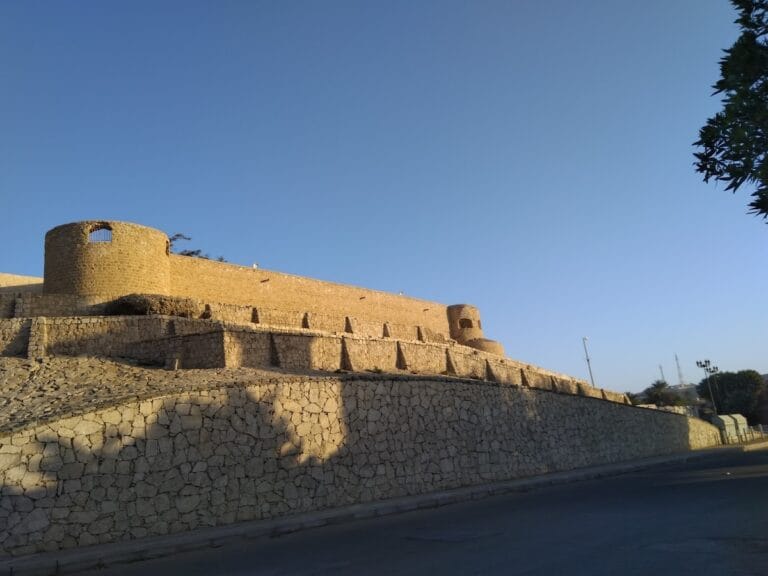
Al-Azlam Fort: A Mamluk Supply Station and Hajj Route Fort in Saudi Arabia
Site at a Glance
- Rating
- 3.9
- Popularity
- Very Low
- Country
- Saudi Arabia
- Primary era
- Medieval
- Eras represented
- Medieval
- Civilizations
- Mamluk
- Site type
- Military
- Remains
- Fort
On this page6 sections
History
Mamluk Construction and Rebuilding
Al-Azlam Fort is a Mamluk-period fort in northwestern Saudi Arabia, built during the rule of the Mamluk Sultanate, the medieval Islamic state that governed Egypt, Syria, and the Hijaz. It is one of the oldest forts in Duba Governorate and is described as the only surviving Mamluk-period fort in the region.
The fort was built under Sultan Muhammad ibn Qalawun, who lived from 1285 to 1341. It was rebuilt in 1510 during the rule of Sultan Qansuh al-Ghuri, a later Mamluk ruler of Egypt and Syria. These phases place Al-Azlam within the long Mamluk control of important territories and routes around the Red Sea.
Coastal Defence and the Hajj Route
Al-Azlam Fort served as a supply center for armies defending the eastern coast of the Red Sea. It also supported other coastal forts in protecting the Islamic lands. During the later Islamic periods, the fort became one of the stations on the Egyptian Hajj route, the pilgrimage road linking Egypt with Mecca and Medina. Such stations provided military protection and logistical support for pilgrims.
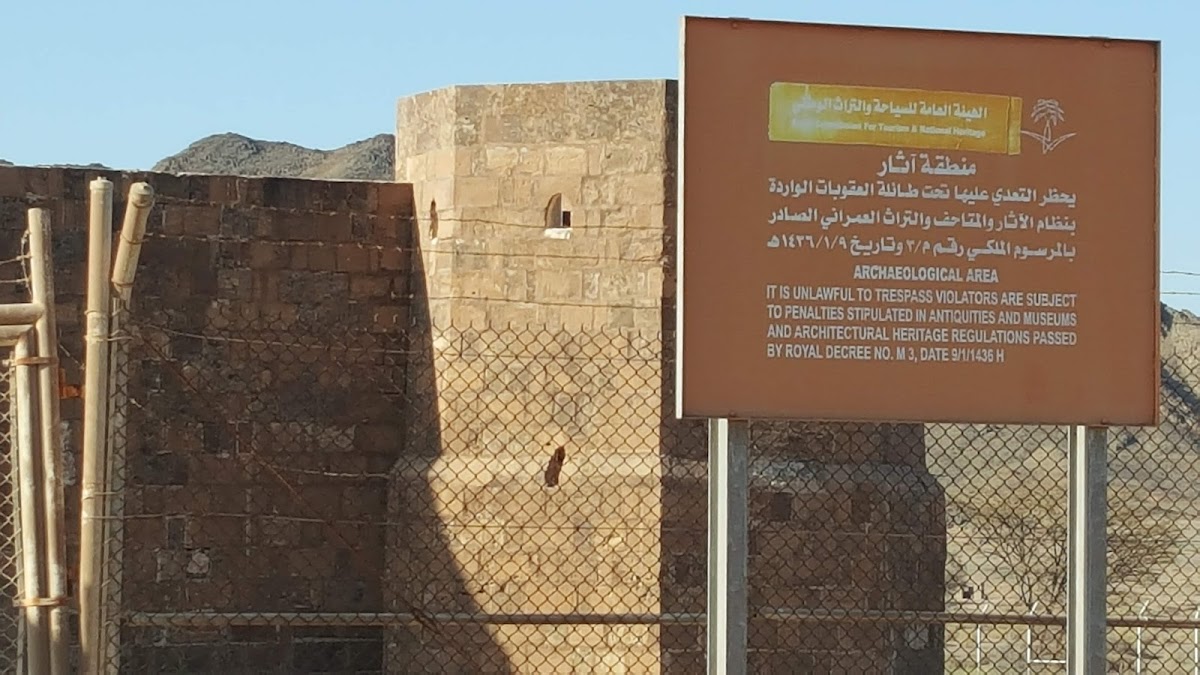
The fort has since been restored and is now enclosed by a protective wall, preserving its surviving structure and its connection with the military and pilgrimage networks that shaped the area’s history.
Remains
Layout and Internal Spaces
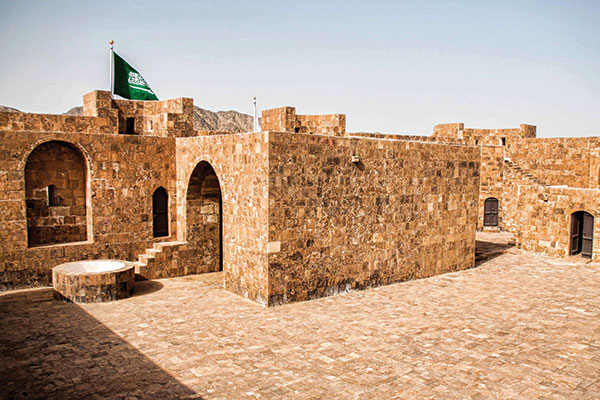
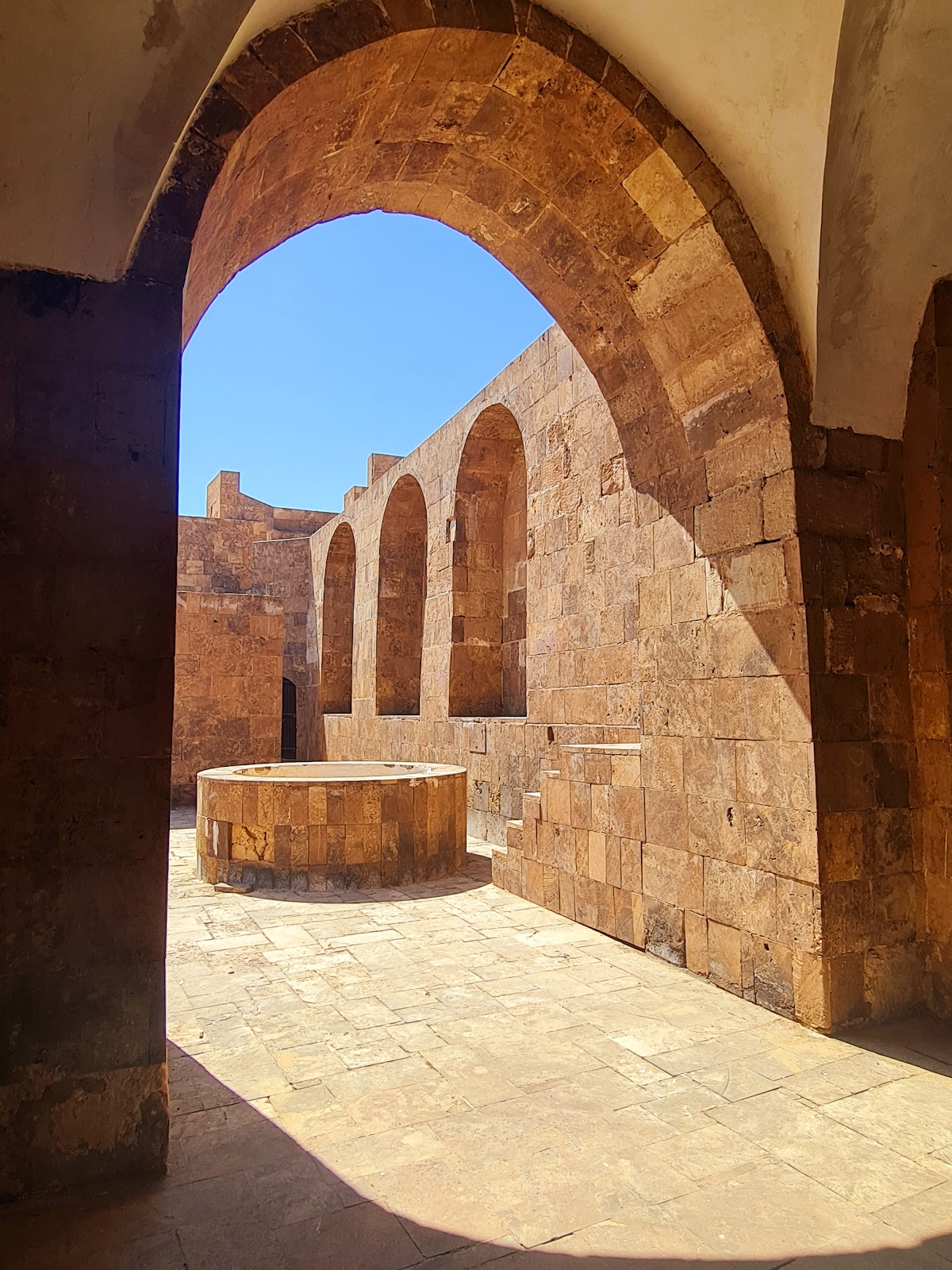
The fort covers approximately 1,500 square meters and is organized around a large courtyard. The courtyard opens onto the fort’s internal units and rooms, creating the central space from which the complex is arranged. Rectangular and semicircular rooms form part of the interior, together with a diwan, a formal hall used for reception, administration, or official functions.
Setting and Construction
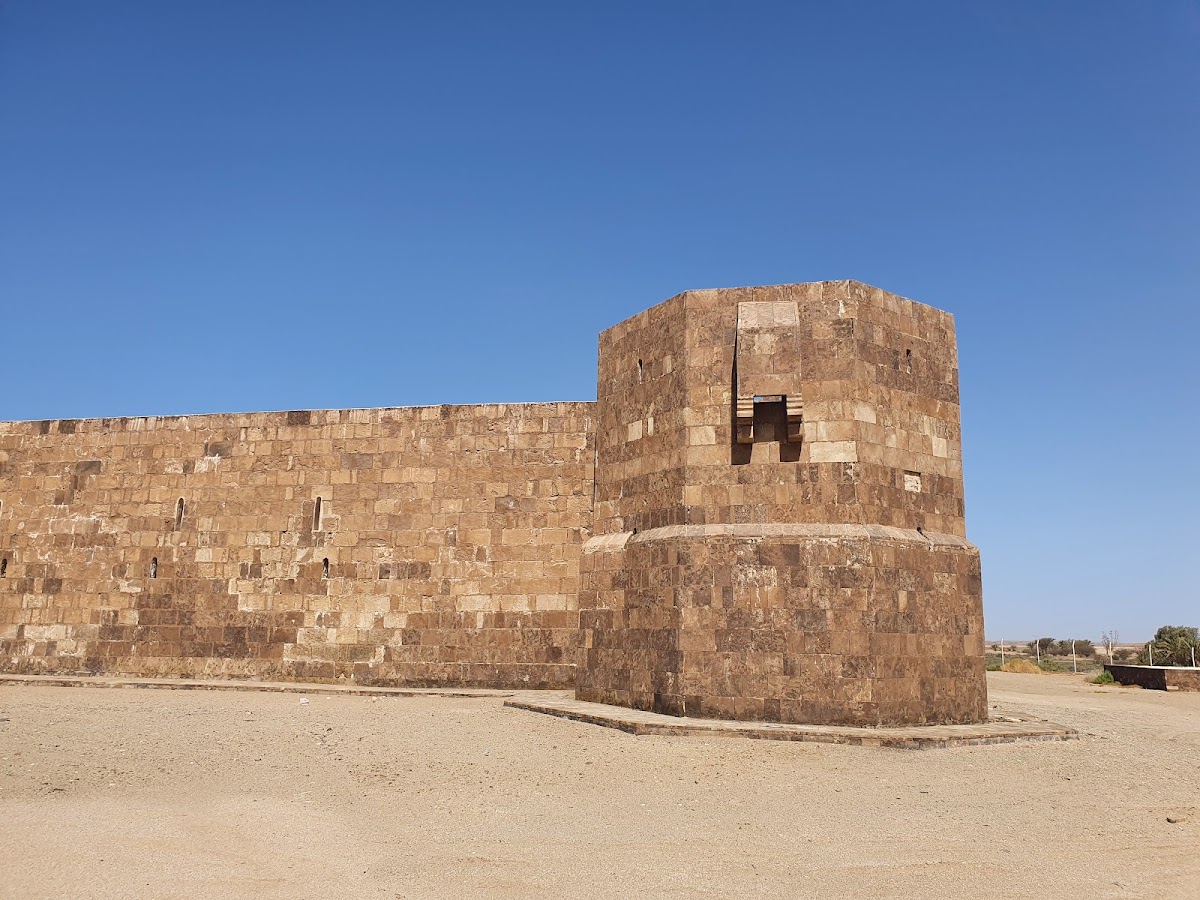
Al-Azlam Fort stands in Wadi al-Aznem, about 45 kilometers south of Duba and near the main road linking Duba with Al Wajh. Its buildings were constructed from regularly shaped limestone. The restored complex is enclosed by a protective wall, which surrounds the surviving fortification and its internal arrangement.