Historic Sites in Saudi Arabia: Explore Tombs, Oasis Cities and Forts
Saudi Arabia’s collection includes pre-Islamic caravan cities, rock-cut tombs, pilgrimage-route fortresses and the palaces of later regional rulers. Water supplies and routes across the peninsula influenced where many of these places developed. Their remains range from façades carved into sandstone to excavated urban plans and buildings made from earth, stone and timber.
Primary Function: All
Type: All
Civilization: All
Popularity: All
Rating: All
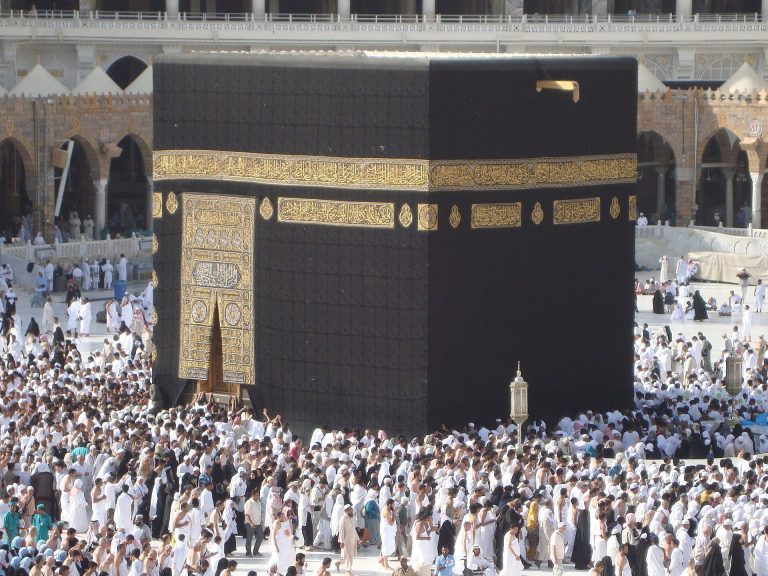
The Kaaba is Islam’s holiest sanctuary, the direction of prayer, and the central destination of Hajj and Umrah. Its history includes traditional…
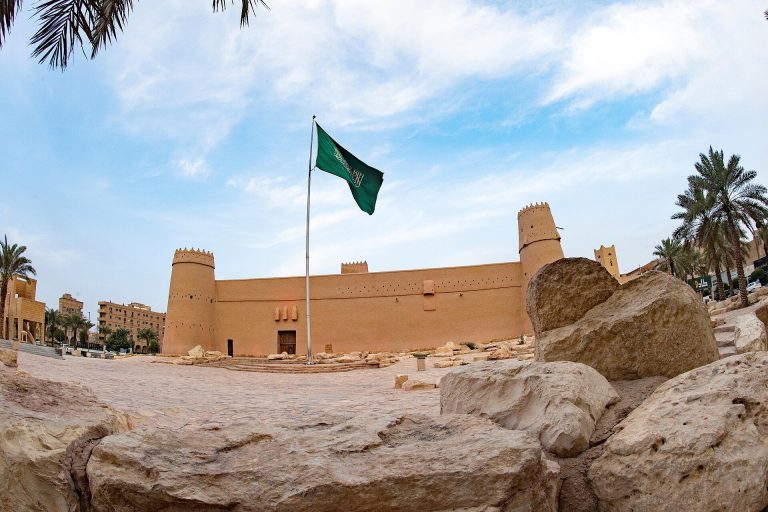
Masmak Fort is a nineteenth-century Najdi fortress in Riyadh associated with the 1902 Saudi recapture of the city and the later unification of Saudi…
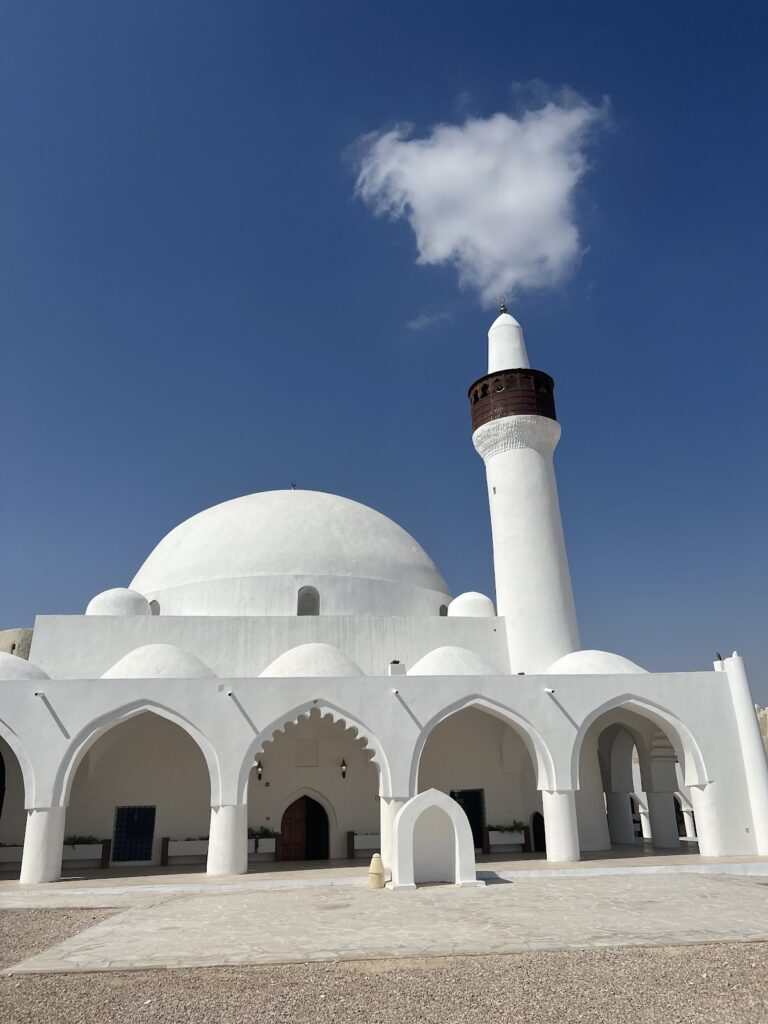
Qasr Ibrahim is a historic Ottoman fort in Al Hofuf that became a Saudi military and communications center. Its mosque, towers, barracks, bathhouse,…

Bay'ah Mosque in Saudi Arabia commemorates the pledge made by twelve men from Yathrib to Muhammad in 621, before the migration to Medina. Built in…

Marid Castle in Dumat al-Jandal is a historic fortress and former seat of government with Nabataean archaeological layers, later Islamic use, and a…

Adosareyah Castle is an Ottoman-era fortress in central Jazan that served as a gubernatorial headquarters, a center of religious education, and a…
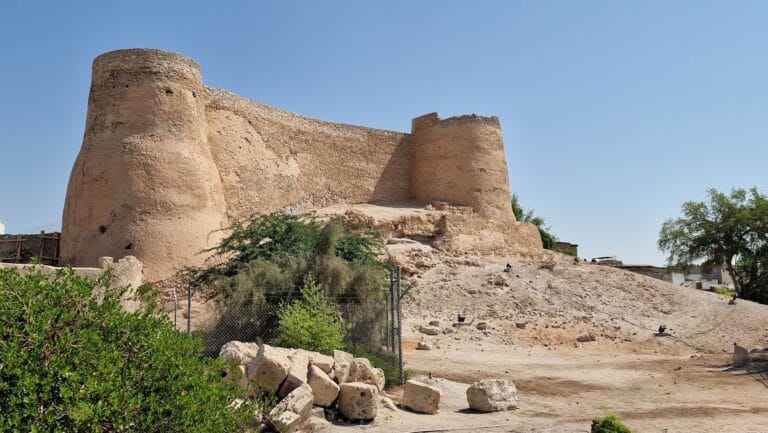
Tarout Castle occupies an ancient mound on Tarout Island in eastern Saudi Arabia. Its archaeological layers span prehistoric settlement, Dilmun…
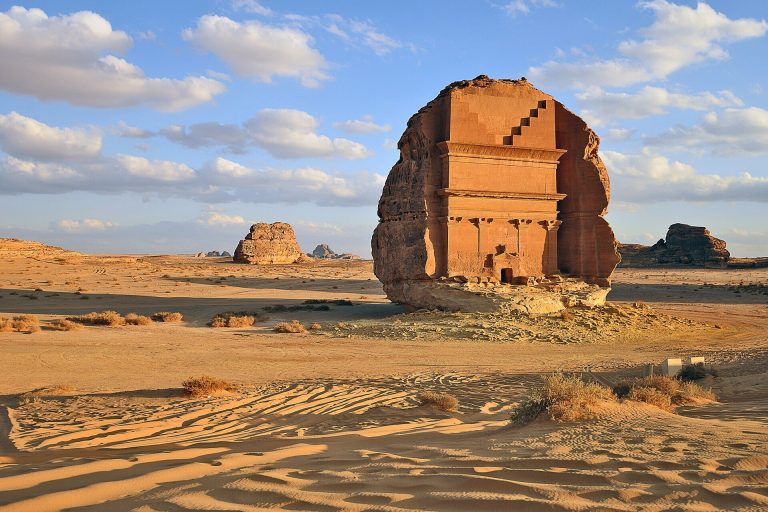
Qasr al-Farid is a first-century Nabataean tomb at Hegra in Saudi Arabia, known for its isolated sandstone monolith, exceptionally tall façade,…
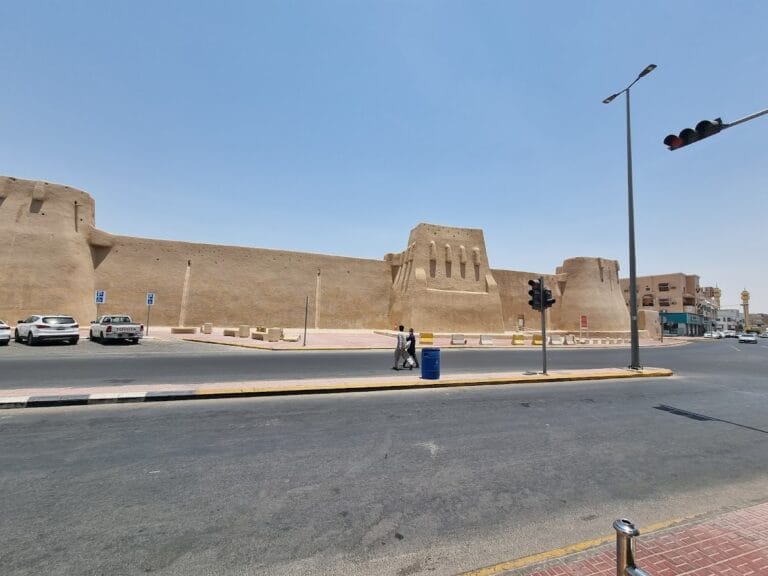
Sahood Fort protected Al Mubarraz and its agricultural region, later serving as a military, police, and barracks site during conflicts involving the…
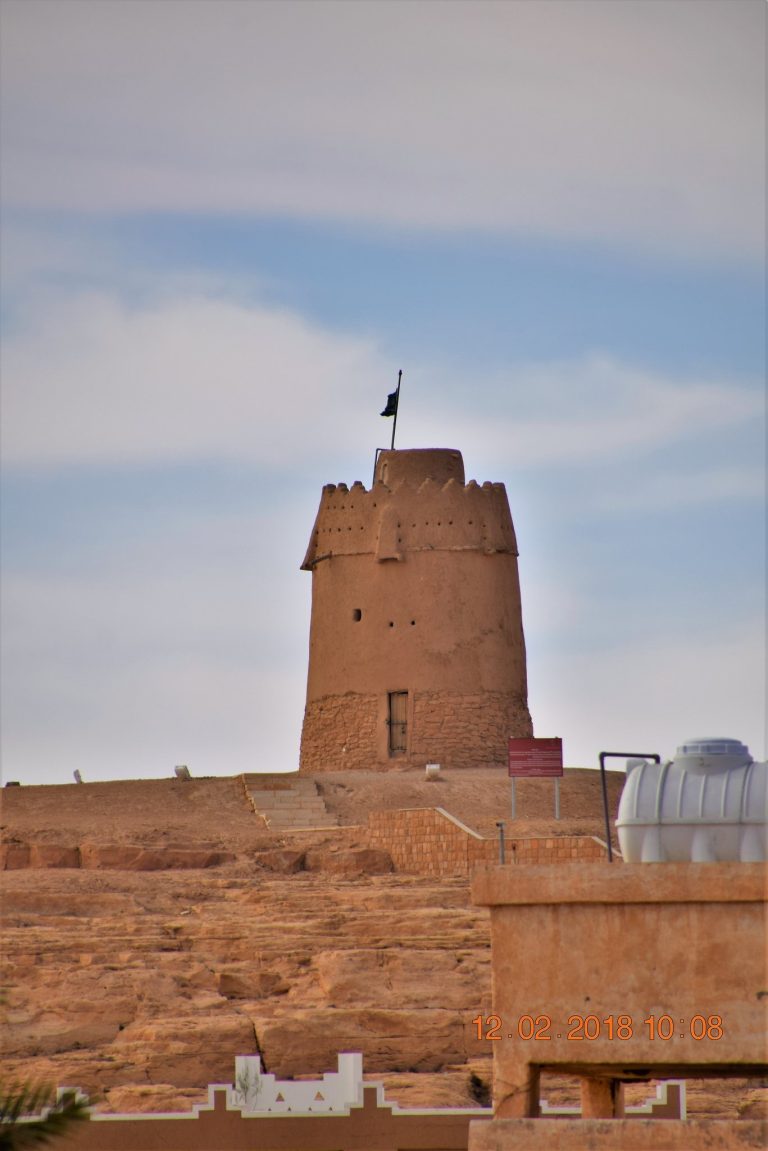
Al-Marqab Castle, also known as Munikh Fort, was built on Mount Munikh to protect Al-Majmaah and control access across the Sudair region. Its towers,…
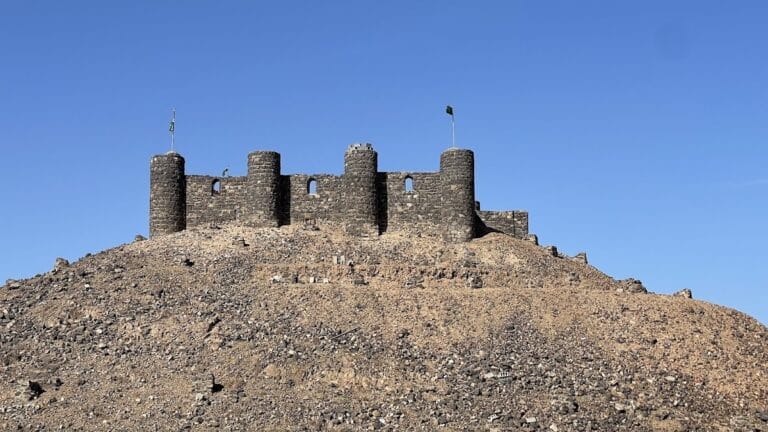
The Qishla of Asfan is a hilltop fort near Asfan that guarded caravan and pilgrim routes toward Medina. Its origins remain uncertain, with possible…
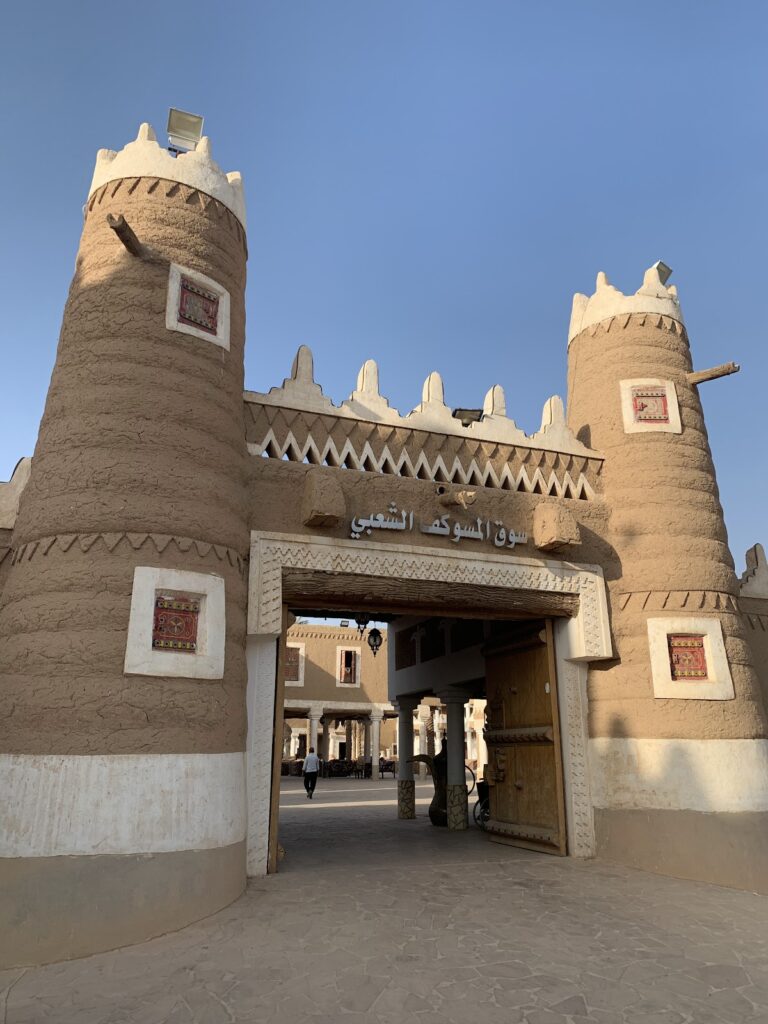
Al Bassam Heritage House in Unaizah is a large mud-built residence that preserves the planning, construction methods, and domestic spaces associated…
For details on how to use the maps, which sites are included, how popularity and ratings are determined, and how sites are classified, see the help page.
On this page4 sections
Hegra: carved tombs around an oasis city
At Hegra, monumental tombs were cut into isolated sandstone outcrops around a Nabataean settlement. Their façades combine doorways, pilasters, cornices and other carved architectural forms. Behind them lie burial chambers whose arrangement and inscriptions provide evidence about the people entitled to use individual tombs.
The necropolises are the most conspicuous remains, but the city also depended on its oasis and wells. Hegra occupied a position on routes connecting Arabia with regions farther north. Its tombs belong within the history of that settlement, rather than standing as unrelated monuments in the desert.
Qaryat al-Faw: streets, markets and water management
Qaryat al-Faw, near the edge of the Empty Quarter, preserves the remains of another ancient caravan city. Excavation has identified residential areas, commercial buildings, religious spaces and cemeteries. These remains show how an urban community developed around a meeting point of long-distance routes.
The settlement was supported by an oasis and extensive water-management works. Wells, storage installations and irrigation remains explain how cultivation could support inhabitants and passing traffic in an arid setting. Its buildings and inscriptions also provide evidence of contact between different communities across the Arabian Peninsula.
Palaces and forts in Najd
Salwa Palace, in Diriyah’s Turaif district, developed as a residence of the rulers of the First Saudi State. Successive additions created a complex of halls, rooms, courtyards and connecting passages. The surviving walls reveal different construction units, making the growth of the palace more apparent than the outline of a single symmetrical building.
Masmak Fort, in Riyadh, represents a more compact fortified enclosure. Thick earthen walls, towers and a strongly built entrance protected rooms used for reception, worship and accommodation. A small opening within the principal gate allowed limited passage without opening the entire entrance.
The fort is closely associated with the capture of Riyadh in 1902. Its article separates that event from the building’s nineteenth-century construction and subsequent restoration.
Coastal routes and port buildings
Muwaylih Castle, near the Red Sea coast, served the pilgrimage route toward the holy cities. Its Ottoman-period fortress enclosed a courtyard with rooms, storage facilities, a mosque and a well. Corner towers and openings for firearms protected a station whose role included supplying and sheltering travellers.
On the Gulf coast, Al Faihani Palace at Darin preserves a much less complete complex associated with a late nineteenth-century merchant residence and an older castle. Surviving foundations and fragments of walls record the buildings’ position beside the harbour, although much of the original elevation has disappeared.
These coastal sites connect architecture with different kinds of movement: pilgrimage along the Red Sea and commerce through a Gulf port. Open the map’s site articles for the surviving structures, historical phases and degree of preservation at each location.