Historic Sites in Poland: Explore Castles, Royal Palaces and Churches
Explore more than 1,000 historic sites in Poland, including brick fortresses, cliff-top castles, royal palaces, cathedrals and timber churches. Historic residences and religious buildings form substantial groups alongside the defensive sites. Examples from Malbork, the Kraków–Częstochowa Upland, Kraków, Warsaw and Karpacz show enclosed courtyards, arcaded galleries and church interiors in different materials.
Primary Function: All
Type: All
Civilization: All
Popularity: All
Rating: All
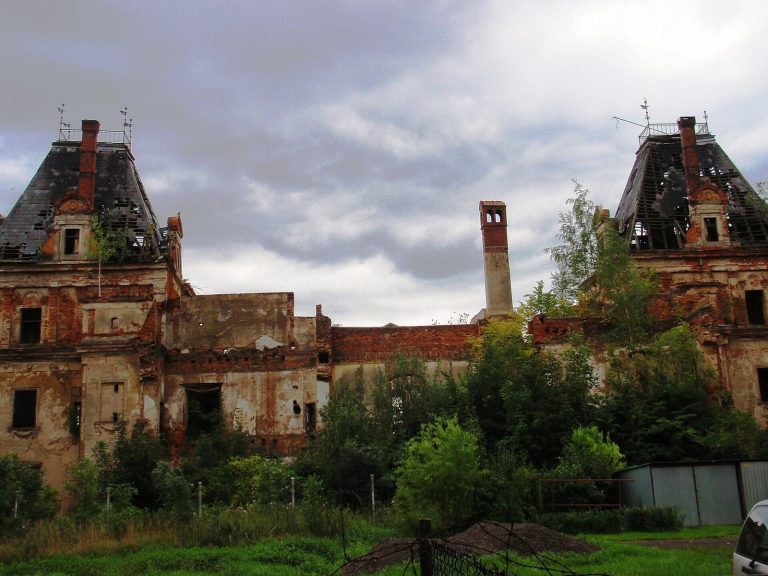
Churschwandt Palace in Stolec is a Baroque residence completed in 1729 and rebuilt in the eighteenth century after ground subsidence. Its surviving…
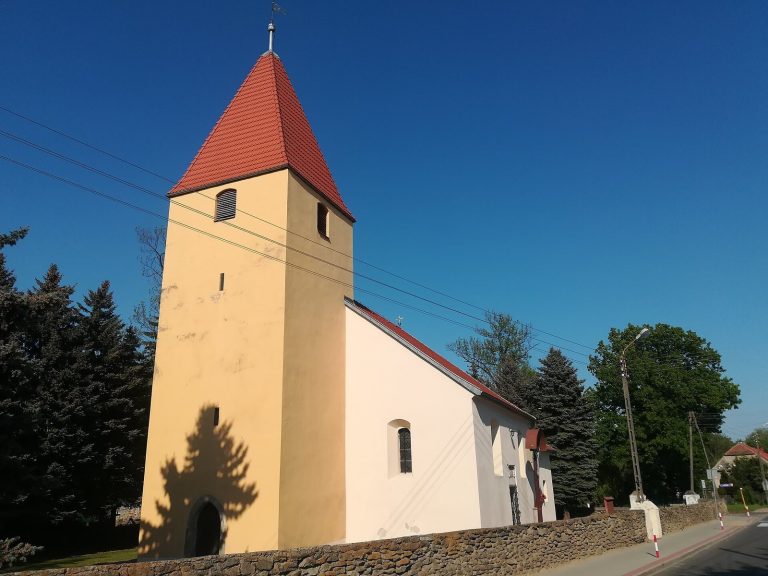
Corpus Christi church in Łażany is a Gothic Roman Catholic church established around 1300, rebuilt after a fire in 1641, and surrounded by memorials…
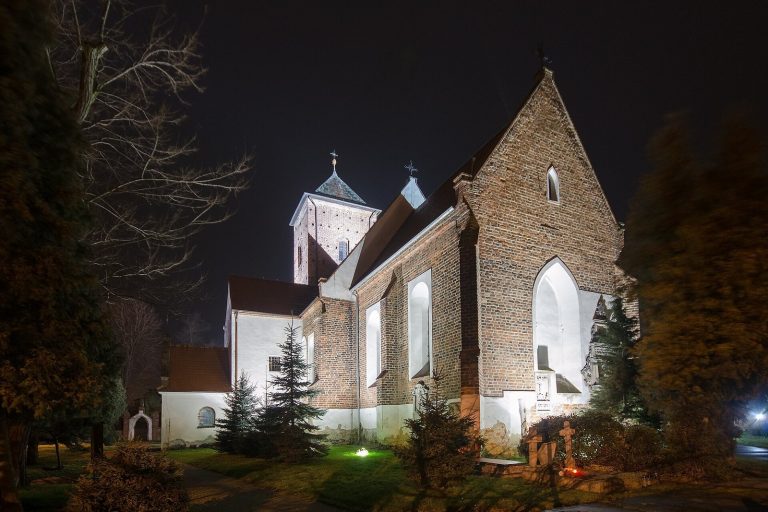
The Exaltation of the Holy Cross church in Sośnica preserves a medieval Romanesque foundation, Gothic rebuilding, Baroque furnishings, Holy Stairs,…
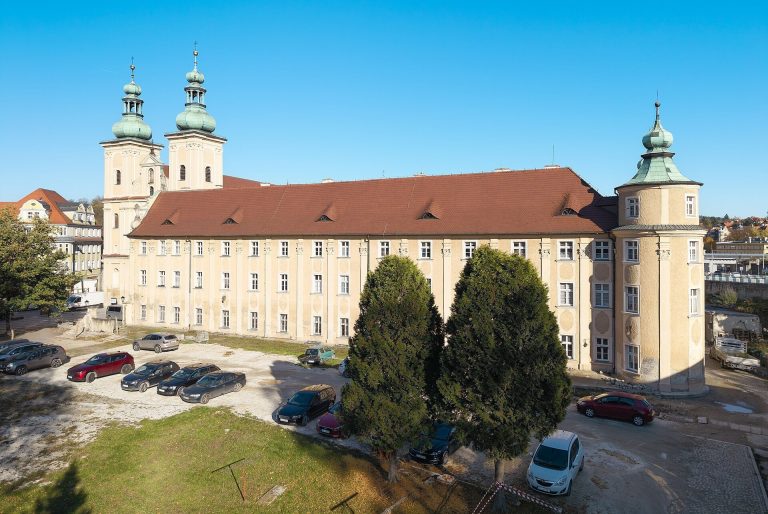
The Franciscan monastery in Kłodzko developed from a thirteenth-century friary into a Baroque complex rebuilt between the seventeenth and eighteenth…
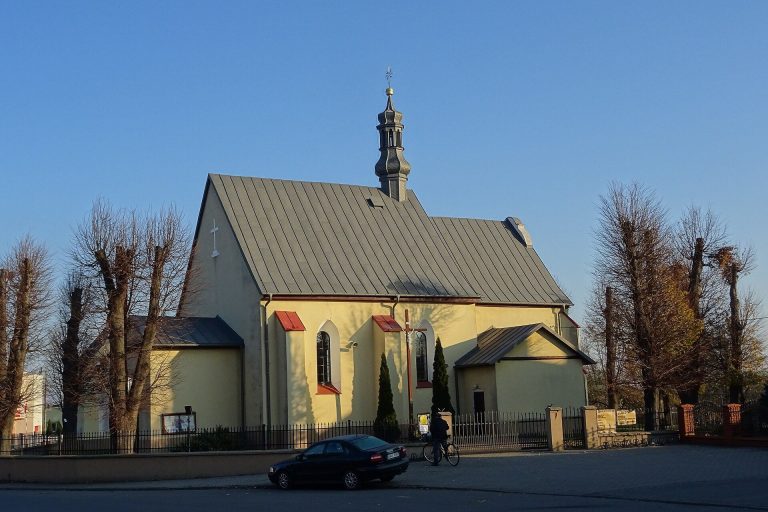
The Church of Saint Nicholas in Wierzchlas is a historic Polish parish church whose medieval origins, Baroque reconstruction, Marian devotion, and…
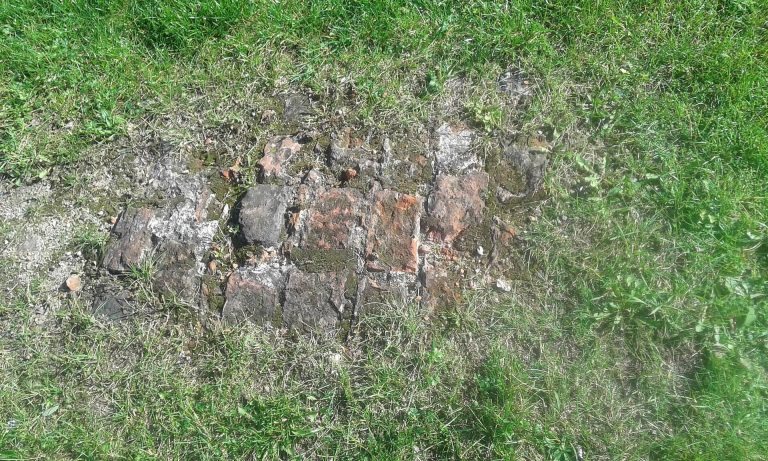
Lubin Castle developed from a thirteenth-century defensive stronghold into a ducal residence and castellany center, later suffering destruction,…
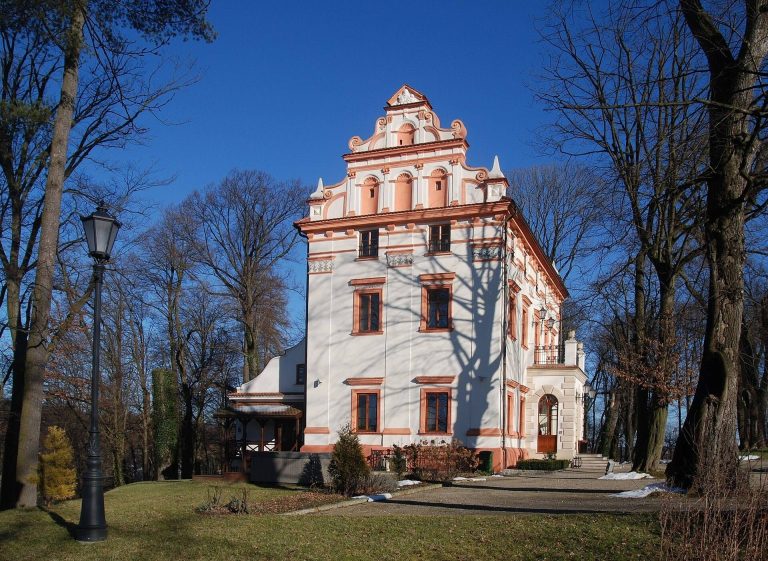
The Manor in Łęki Górne developed from a fortified residence beside the Kraków–Lviv route into a Renaissance country house, retaining defensive…
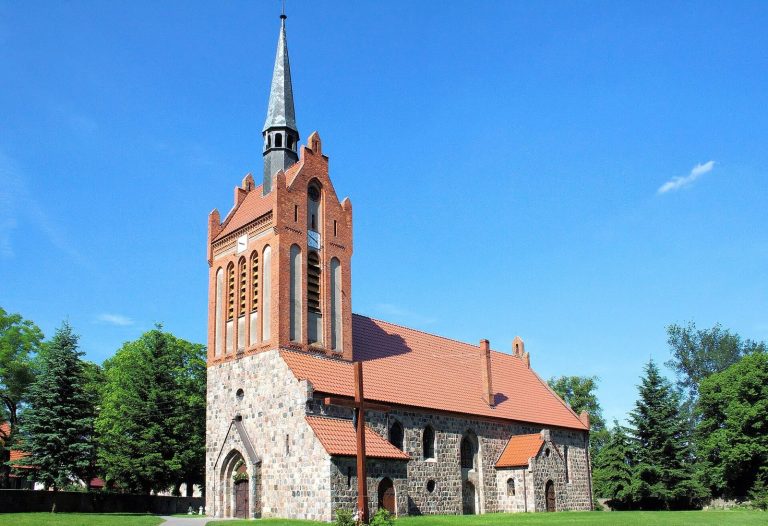
Built around 1260 through a foundation established by the Templars of Chwarszczany, the church in Dargomyśl preserves a medieval granite hall, later…
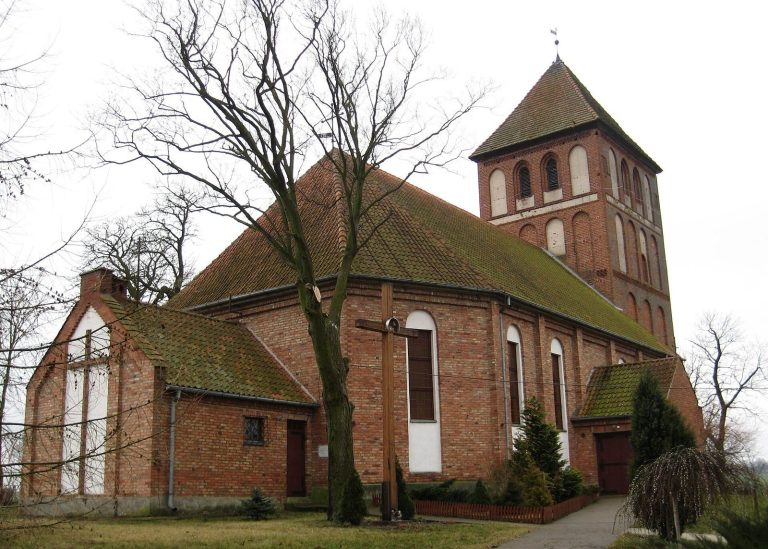
Our Lady Queen of Poland Church in Garbno preserves a medieval tower and an early 18th-century nave shaped by Protestant, wartime, and postwar Roman…
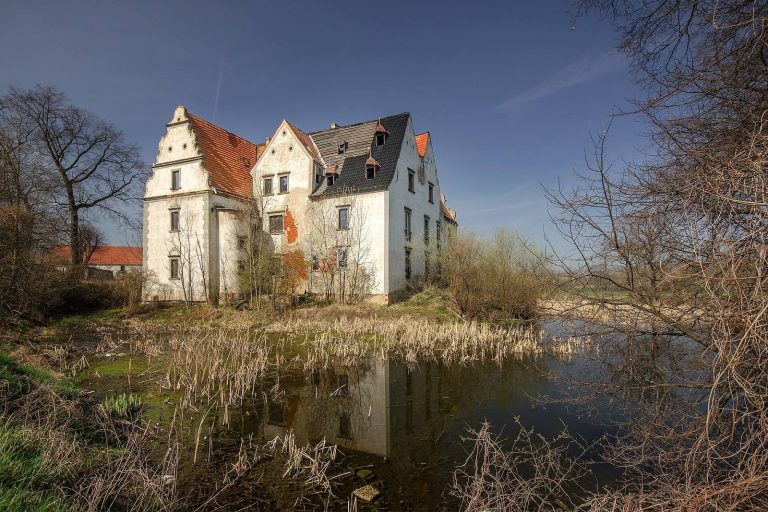
The Palace in Lubień, also known as Schloss Liebenau, developed from a fortified island site into a Renaissance residence built in 1607. Its history…
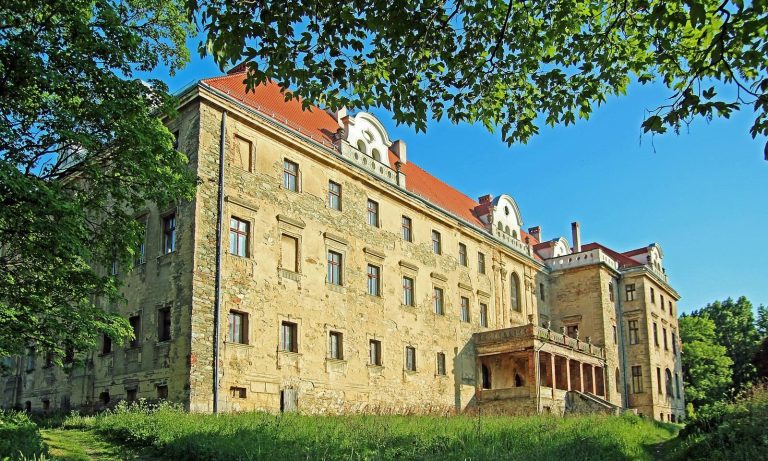
Palace in Pyszczyn developed from a medieval fortified residence into an early-classicist estate shaped by the Matuschka-Toppolczan family, with a…
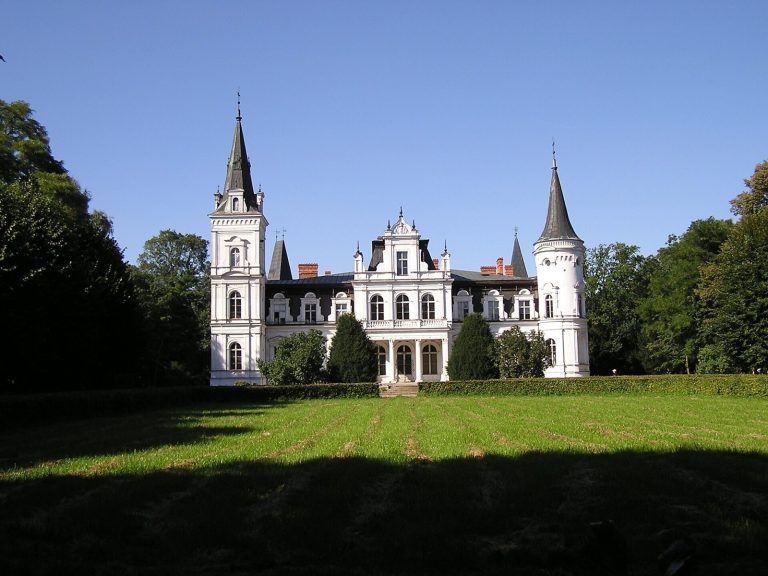
Posadowo Palace, built for Count Władysław Tomasz Łącki in 1869–1870, combines a richly ornamented residence with formal gardens and a landscape…
For details on how to use the maps, which sites are included, how popularity and ratings are determined, and how sites are classified, see the help page.
On this page5 sections
Castles and brick fortresses
Malbork Castle was built by the Teutonic Order beside the Nogat. Its High Castle, Middle Castle and outer bailey form separate defensive enclosures protected by walls, towers and moats. Within the High Castle, four wings surround a cloistered courtyard. The chapel, chapter house, dormitories and dining hall accommodated a religious community with military responsibilities. The decorated Golden Gate marks the entrance to the castle church. Large parts of the complex were reconstructed after severe damage in 1945.
Ogrodzieniec Castle uses the limestone landscape of the Kraków–Częstochowa Upland as part of its defences. Cliffs protect three sides, and the entrance follows a narrow gap between rocks beneath defensive towers. The substantial stone ruins include a medieval core enlarged with Renaissance residential spaces and additional defensive works. Walls close the spaces that the rock itself could not protect, giving the enclosure an irregular outline.
Royal palaces and courtyards
Wawel Castle in Kraków developed as a royal residence above the Vistula. Its Renaissance courtyard is enclosed by galleries supported on columns, with the taller upper-storey columns carrying the roof structure. Stone surrounds frame the doors and windows opening onto the galleries. These spaces belong to a complex with medieval remains, later royal apartments and traces of military occupation. Restoration reopened arcades that had been blocked when the castle served as barracks.
Warsaw’s Łazienki Palace began as a seventeenth-century bathing pavilion before Stanisław August transformed it into a Classicist summer residence. It stands on an artificial island, connected to the park by bridges with Ionic columns. The water and narrow connections give the residence a compact setting distinct from Wawel’s enclosed hilltop courtyard. The palace and much of its interior were reconstructed after wartime destruction; some lost decorative paintings were not recreated.
Cathedrals and royal chapels
Wawel Cathedral stands beside the royal castle but has its own sequence of building phases. The principal church is fourteenth-century Gothic, with pointed arches and ribbed vaults over its nave, aisles and chancel. Chapels accumulated around the building where the limited hilltop space allowed additions.
That arrangement explains the contrast between the church’s basic Gothic plan and its varied exterior. Later Renaissance and Baroque work surrounds a medieval body whose main spaces remained constrained by the site. The aisles and ambulatory provide routes around the church and access to its adjoining chapels.
Timber churches
Vang Stave Church adds an unusual history of relocation. Originally built in Norway around 1200, it was dismantled and re-erected in the nineteenth century at what is now Karpacz, with reconstruction completed in 1844. Its timber framework and carved portals preserve elements of the Norwegian church alongside repairs and additions made during that move.
The compact nave has free-standing wooden posts, while carved animal forms and interlaced ornament decorate the portals. An external gallery added during reconstruction surrounds the church.
Explore the collection
Explore sites on the map or in the grid. Map icons indicate each site’s primary function, helping you identify different kinds of places at a glance. Narrow the results by primary function, site type, civilization or era, with additional filters for popularity and rating. Select a map marker to view the site’s details and open its article, or open the article from its grid entry.