Historic Sites in North Macedonia: Explore Ancient Cities, Churches and Ottoman Inns
Explore historic sites in North Macedonia, including excavated ancient cities, medieval churches, Ottoman mosques and courtyard inns. Religious buildings form the largest part of the collection, with painted interiors and domed churches represented across several regions. The examples below also follow the streets, river crossings and trading buildings that connected these places with their surrounding towns.
Primary Function: All
Type: All
Civilization: All
Popularity: All
Rating: All
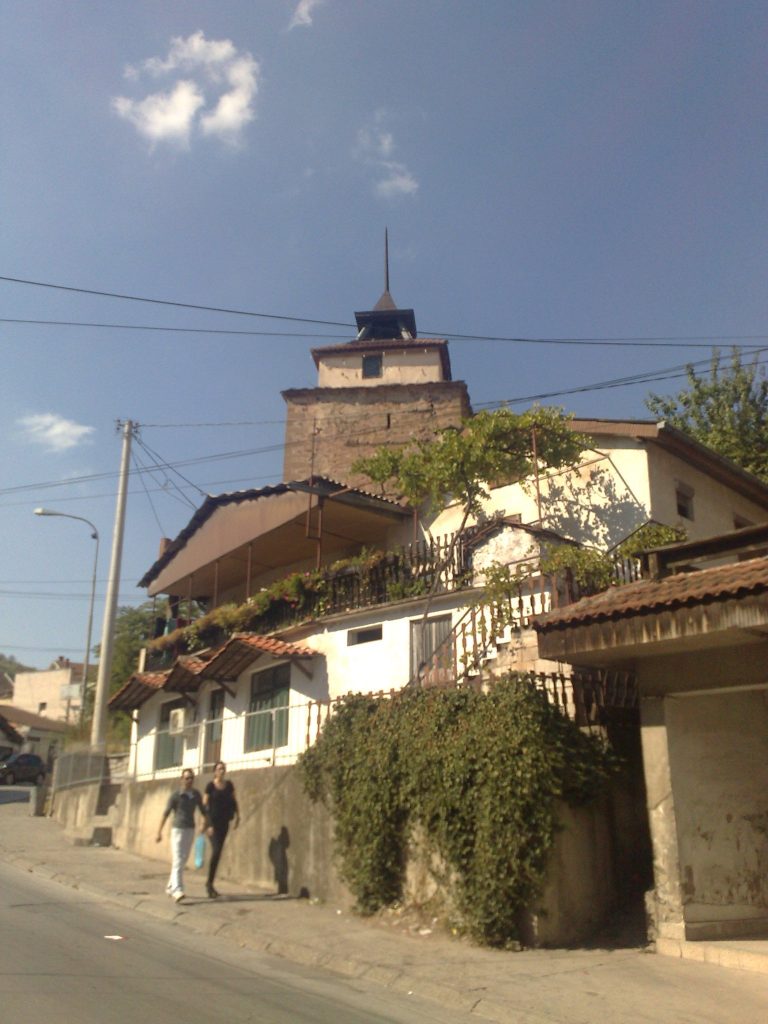
Built in 1650 for an anonymous bey, the Štip Clock Tower later received a clock mechanism and became a landmark near Štip’s bazaar and covered…
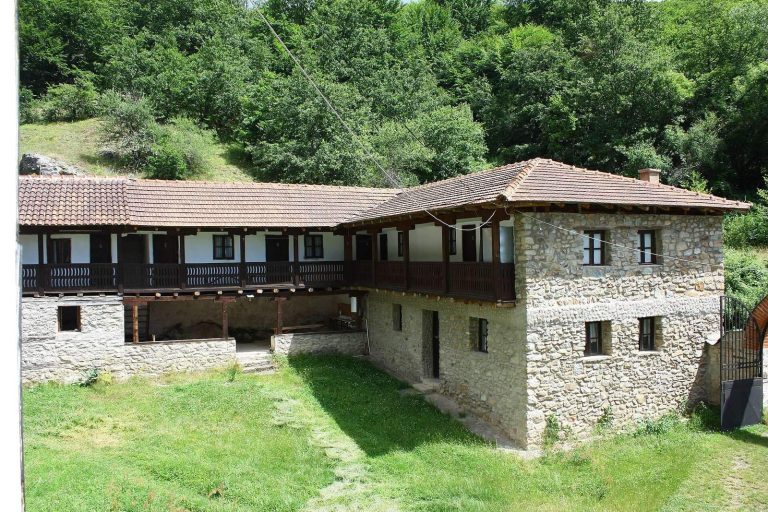
Slivnica Monastery is a historic Orthodox complex near Lake Prespa, known for its seventeenth-century church, frescoes, wooden iconostasis, former…
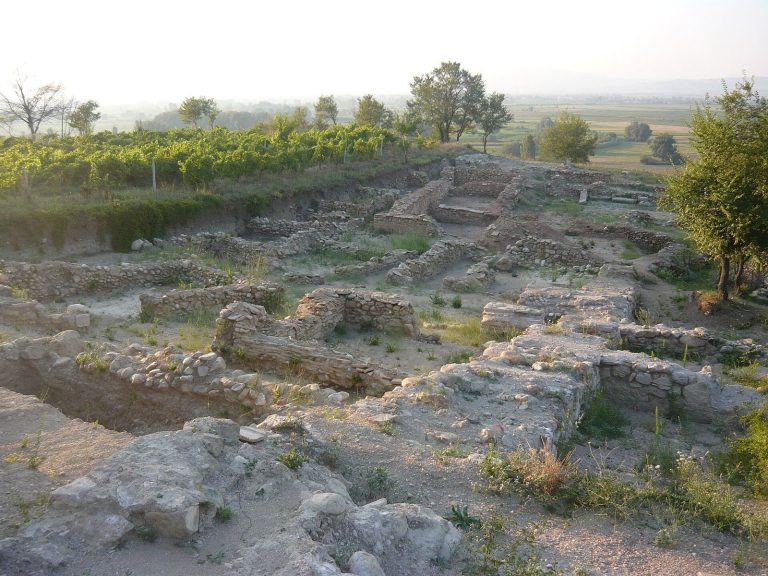
Tauresium Archaeological Park preserves a Late Antique settlement near Taor, associated by some researchers with the birthplace of Emperor Justinian…
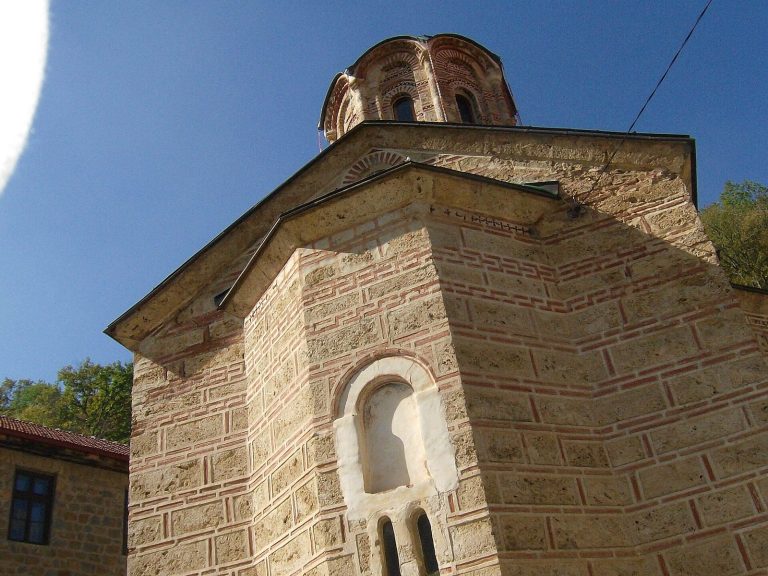
Sts. Michael and Gabriel Church is the principal monastic church of Kucheviste Monastery in North Macedonia, known for its fourteenth-century…
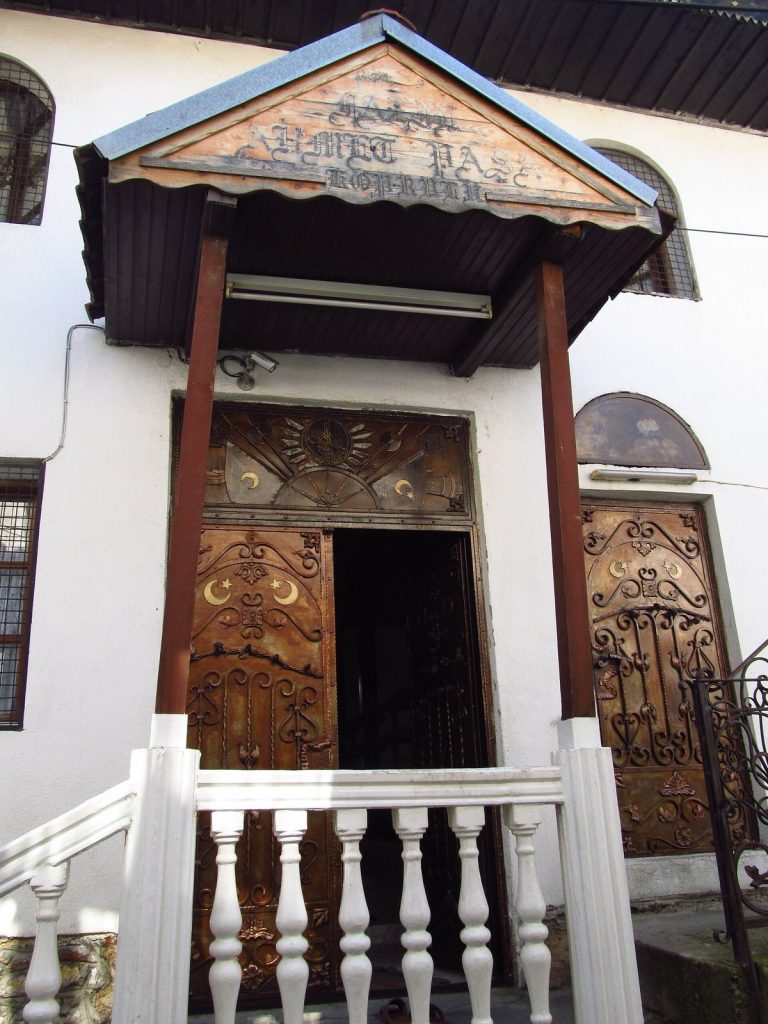
Fazil Ahmet Pasha Mosque in Veles, North Macedonia, was built in 1659 as a memorial and remains an active Ottoman-style mosque associated with Sunni…
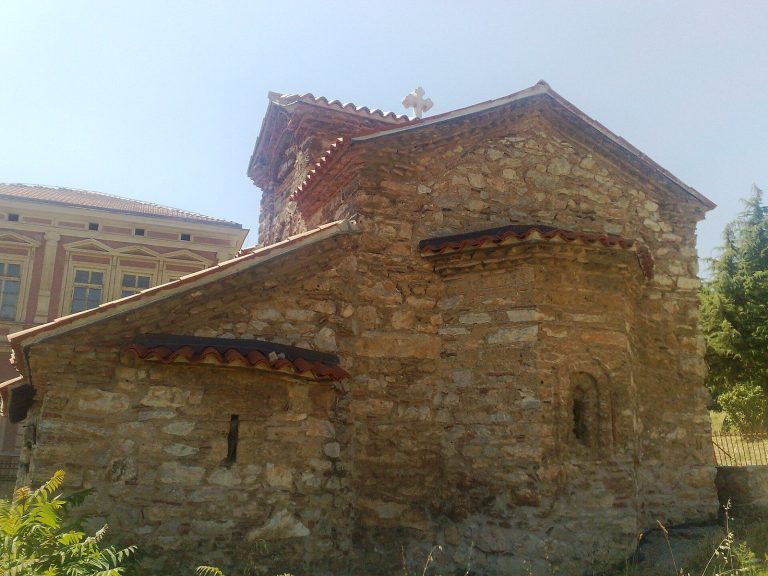
The Church of Sts. Constantine and Helena in Ohrid is a protected Orthodox monument known for its late-fourteenth-century architecture, extensive…
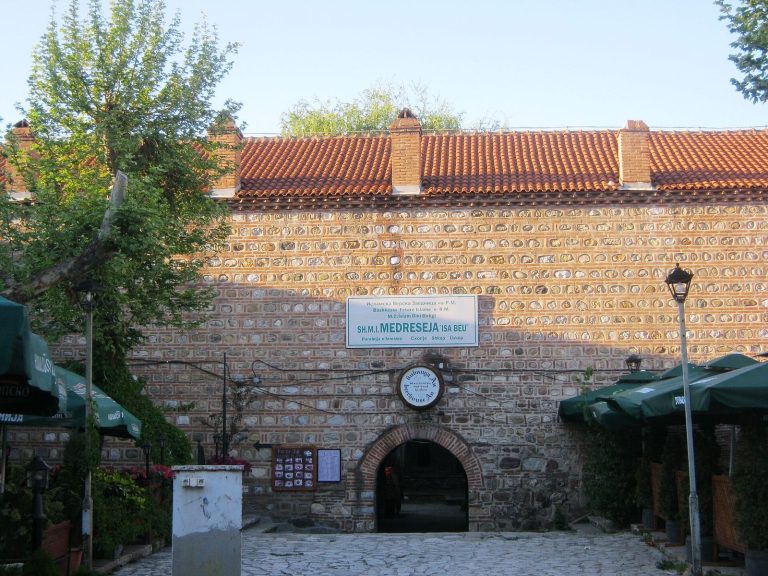
Kapan Han is a fifteenth-century Ottoman caravanserai in Skopje’s Old Bazaar, established to support commercial travel and the waqf of Isa-beg…
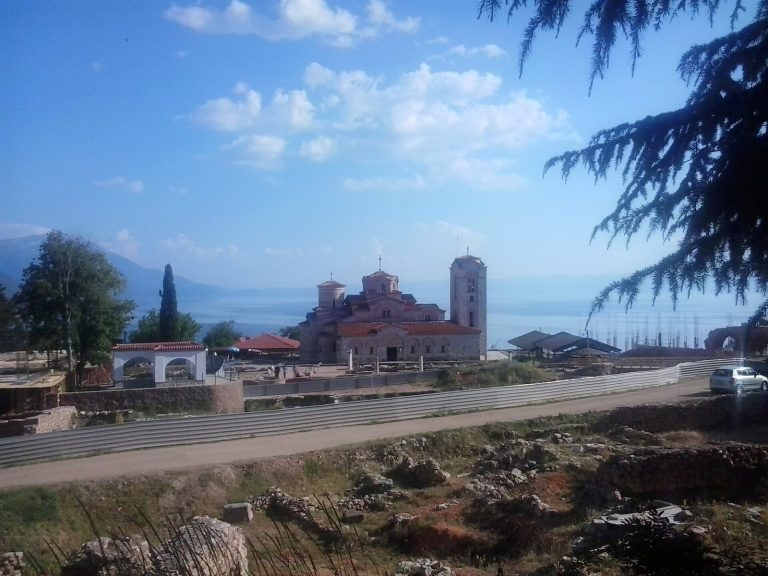
Sinan Čelebi Türbe is a 1493 Ottoman open tomb on Plaošnik Hill in Ohrid, associated with Sinan Čelebi Ohridzade and a continuing devotional…
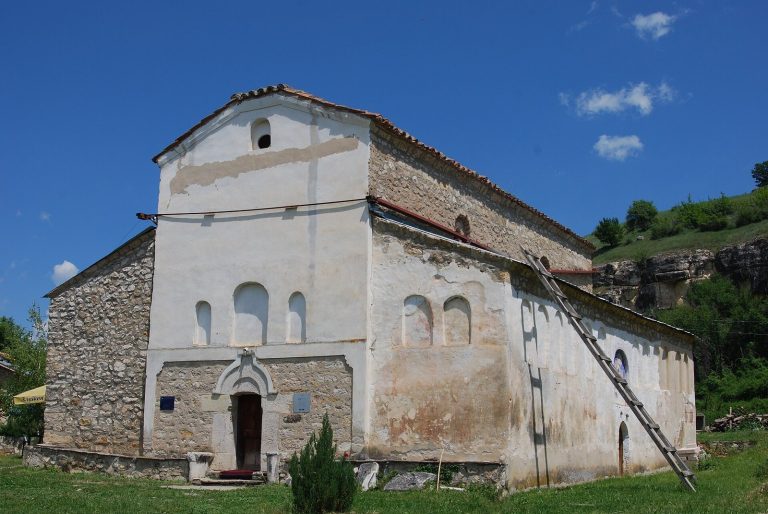
St. Nicholas Church in Manastir, North Macedonia, is a medieval Macedonian Orthodox church with foundations reaching back to 1095. Rebuilt in 1266,…
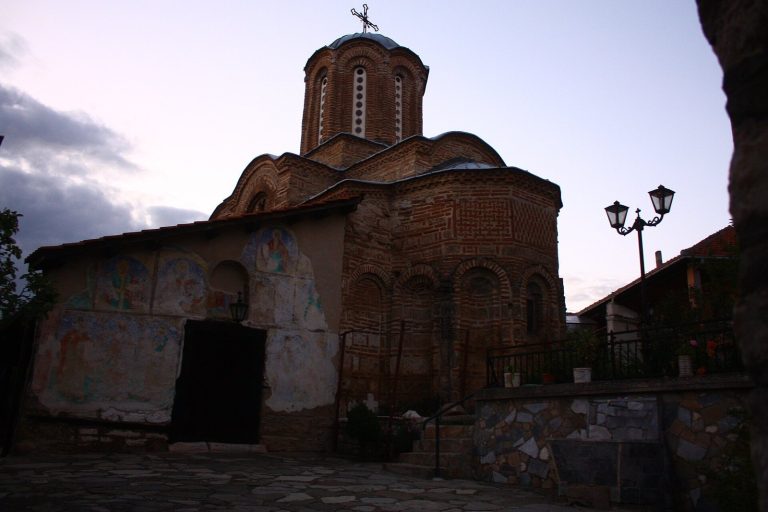
The Church of the Presentation of the Theotokos in Kucheviste is a medieval Orthodox foundation associated with the Serbian tradition, known for its…
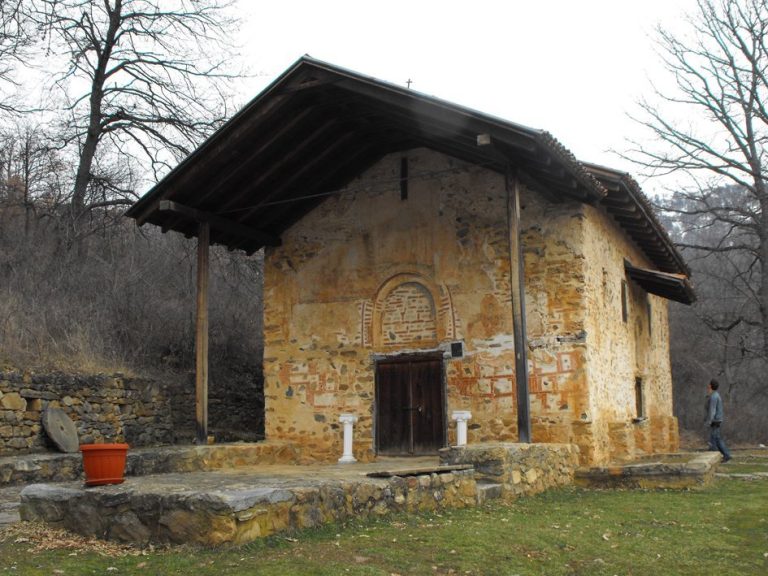
The Church of St. George near Kurbinovo in North Macedonia is a twelfth-century Orthodox monument known for its 1191 frescoes, distinctive…
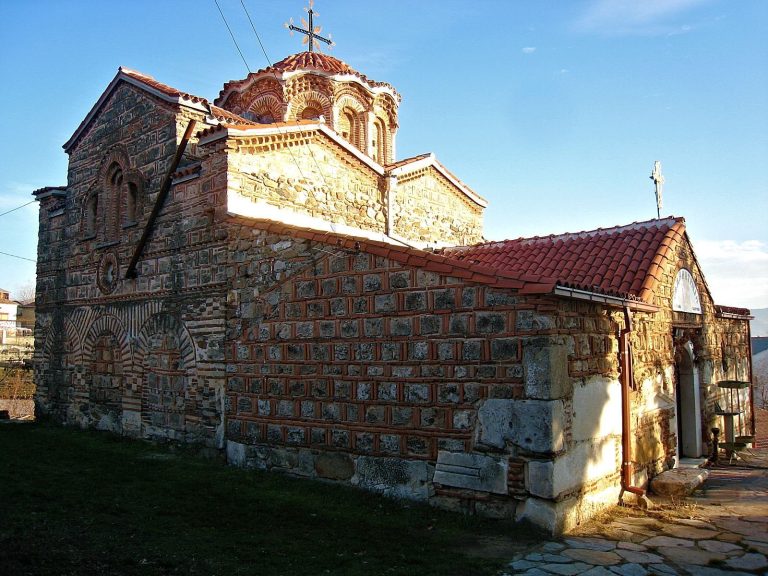
St. Demetrious Church is a late-thirteenth-century Orthodox church in Prilep, documented through a 1335 charter confirming its ownership by Treskavec…
For details on how to use the maps, which sites are included, how popularity and ratings are determined, and how sites are classified, see the help page.
On this page6 sections
Ancient streets and basilicas at Stobi
Stobi occupies terraces near the meeting of the Crna and Vardar rivers. Its excavated streets connect the remains of houses, baths, a theatre and several religious complexes. The Roman town was repeatedly altered, leaving public buildings from different periods within the same urban area.
The paved Via Sacra led towards the Episcopal Basilica through a street bordered by columns and arcades. Builders reused stone from the theatre in this later Christian district. Beside the basilica, the baptistery’s central basin was surrounded by mosaic decoration showing animals and vessels. The excavated earlier church beneath the basilica preserves further floors and wall paintings, revealing successive religious buildings on the same site.
Medieval churches and painted interiors
At Lesnovo Monastery, the main church combines stone and brick beneath a central dome. Its fourteenth-century core has an inscribed-cross plan, in which the cross-shaped interior fits within the outer rectangular walls. A domed entrance hall was added soon afterwards, extending the church towards the west.
Frescoes cover both the main church and its entrance hall. The two spaces were painted in separate campaigns during the 1340s, with figures and inscriptions arranged across the architectural surfaces. The building’s exterior also uses decoration structurally: alternating masonry and arched wall panels articulate the different levels below the dome.
The Church of the Theotokos of Zaum stands immediately beside Lake Ohrid beneath steep cliffs. Four columns support its dome, with different reused capitals marking the supports. Surviving fourteenth-century frescoes include standing saints and a scene of Saint Anne nursing Mary. The paintings are incomplete, and the former western porch has collapsed, but the compact church retains its lakeside setting and central domed space.
Sultan Murad Mosque’s timber-roofed hall
Sultan Murad Mosque rises above Skopje’s bazaar. Completed in 1436, it has been repaired after several major fires. Its prayer hall is divided into three aisles by two rows of columns and arches, with timber beams carrying a wooden ceiling beneath a tiled roof.
A columned porch extends across the entrance side, while the minaret stands at a corner. This arrangement differs from the single large domed chamber found in many Ottoman mosques: the interior spreads across parallel aisles under a broad roof. Alternating stone and brick courses also give texture to the exterior walls.
Caravanserais and enclosed trading courtyards
Kuršumli An provided accommodation, storage and stabling within Skopje’s commercial quarter. The sixteenth-century inn has two courtyards. Galleries surround the principal court, with rooms opening from them, while a passage leads into the second court formerly used for animals and goods. Stone and brick masonry encloses the complex on two levels.
Suli An used a related arrangement, placing storage below and lodging above around an enclosed court. Its heavy walls and vaulted ground-floor spaces belonged to the working infrastructure of the bazaar. The building was almost completely destroyed in the 1963 earthquake and reconstructed afterwards; the courtyard now presents the restored form of that earlier inn.
The Stone Bridge across the Vardar
Skopje’s Stone Bridge connects the bazaar side of the Vardar with the opposite bank. Its masonry piers carry a sequence of arches, with later repairs visible in changes between stone and brick. The bridge’s origins are debated, and its long repair history prevents a simple attribution of every part to one ruler. Its substantial piers, arched spans and narrow crossing remain the clearest features of the surviving structure.
Explore the collection
Use the map or grid to explore by primary function, site type, civilization and era, with further filters for popularity and rating. Map icons identify each site’s primary function. Open a marker for details and a link to its article, or open the article directly from the corresponding grid entry.