Štip Clock Tower: An Ottoman Defensive Watchtower and Clock Tower
Site at a Glance
- Rating
- 4.5
- Popularity
- Very Low
- Country
- North Macedonia
- Primary era
- Early Modern
- External website
- Open
- Eras represented
- Early Modern
- Civilizations
- Ottoman
- Site type
- Military
- Remains
- Tower
On this page6 sections
History
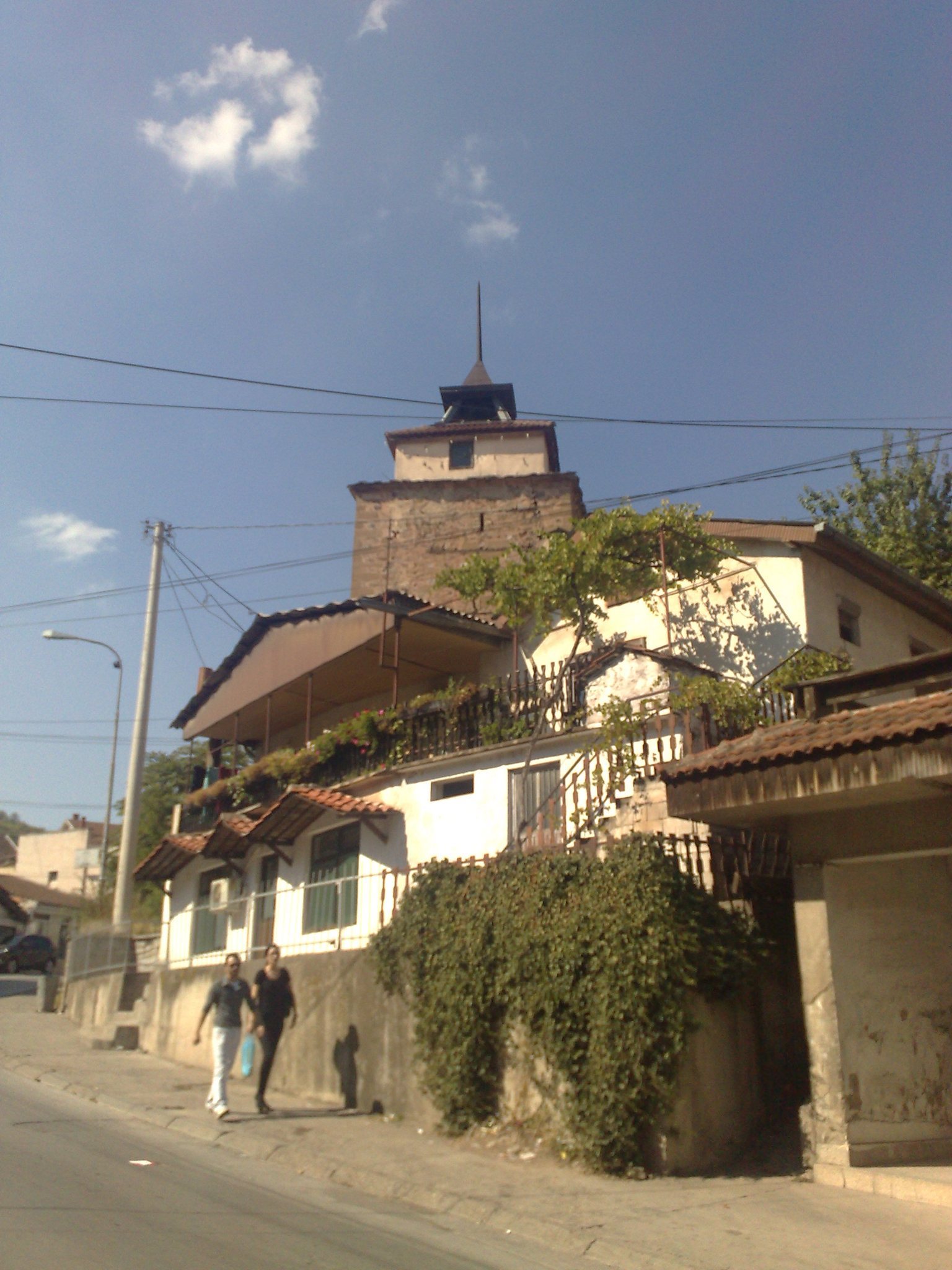
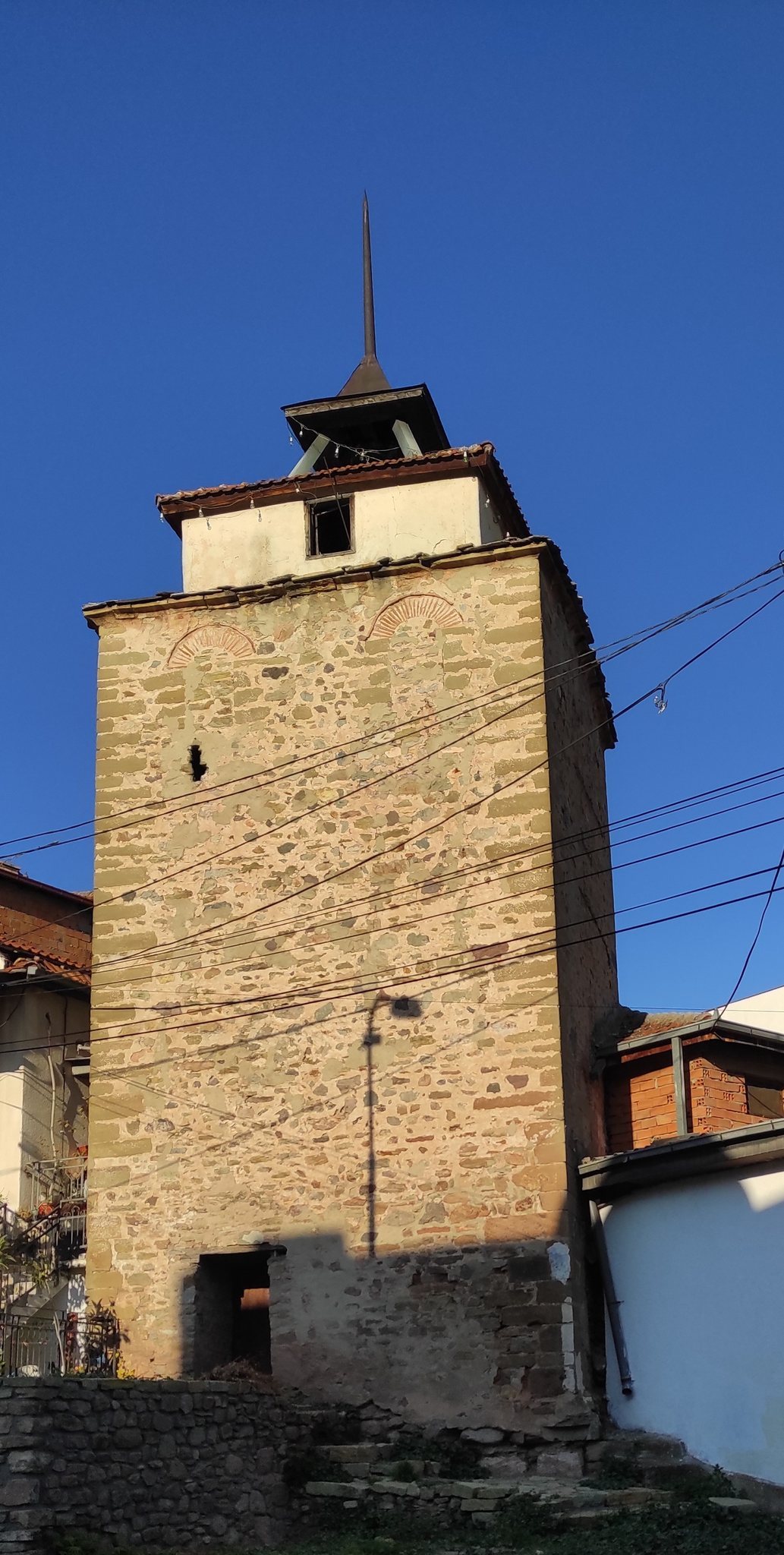
Štip Clock Tower in North Macedonia is a seventeenth-century Ottoman defensive residential watchtower, built in 1650 for an anonymous Turkish bey, a local ruler, military commander, or notable official. Its original purpose was to protect the bey’s family during periods of danger, combining domestic use with watchtower functions.
From Defensive Tower to Clock Tower
The structure was later adapted by the installation of a clock mechanism. It became known locally as Begova Kula, meaning “Bey’s Tower,” a name that preserves the memory of its original patron even though his personal identity is unknown.
The tower stood in the central part of Štip, close to the bazaar and the bezisten, a covered market traditionally used for trade in Ottoman towns. This setting placed the defensive residence near important commercial areas of the city.
Demolition and Later History
Part of the tower was demolished in 1934. The reason remains uncertain. One explanation connects the demolition with security concerns, while a local legend attributes it to an uprising provoked by the loud striking of the clock.
After the demolition, the remaining structure was left to deteriorate. Apart from minor protective measures, it has not undergone renovation or restoration. Several restoration attempts failed, including one supported by funds from a Štip resident, because people living in nearby houses opposed the work.
A project proposed in 2007 would have strengthened the tower with 10 tonnes of steel, converted it into an exhibition space, and added an adjoining souvenir shop. It also envisaged raising the tower by 12 metres to approximately 30 metres and installing three large clocks. The proposal was not carried out. The Štip Clock Tower remains a protected cultural monument.
Remains
Defensive Residential Tower
The surviving structure retains the character of a defensive residential tower and watchtower. Its original military features included gun slits and a balcony, elements associated with surveillance and protection. Part of the building was removed in 1934, and the remaining fabric now requires reconstruction with structural reinforcement.
Clock Mechanism and Present Condition
The clock mechanism that gave the tower its later function has been nonfunctional for several years. Grass has overgrown the structure, and the tower has no lighting. These conditions form part of its present physical state, alongside the damage caused by the partial demolition and the absence of substantial restoration.