Historic Sites in Mexico: Explore Ancient Cities, Monasteries and Forts
Explore 100+ historic sites in Mexico, including ancient ceremonial cities, palace compounds, colonial monasteries and coastal fortifications. The collection includes distinct traditions such as Teotihuacan, Maya, Zapotec, Purépecha and Aztec building. Individual articles explain the particular history of each place and the structures that remain.
Primary Function: All
Type: All
Civilization: All
Popularity: All
Rating: All
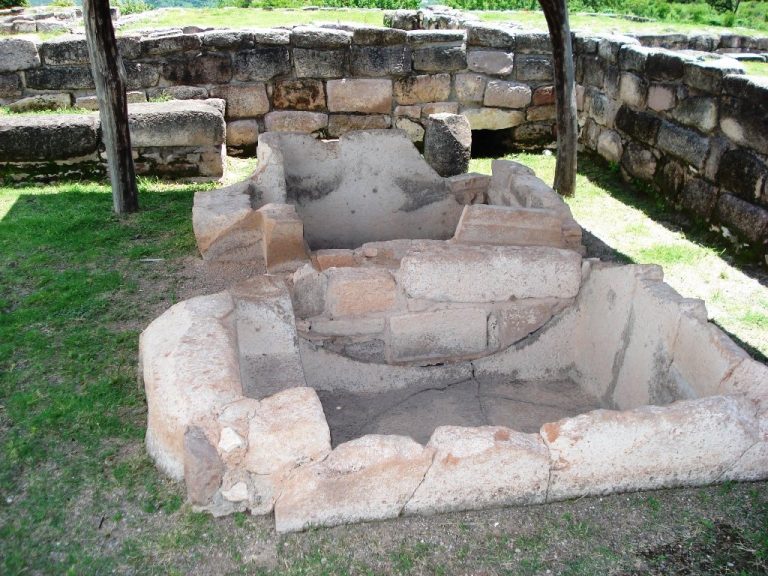
Cuetlajuchitlán was a major pre-Hispanic settlement in northeastern Guerrero, occupied from about 800 BCE to 300 CE. Its limestone architecture…
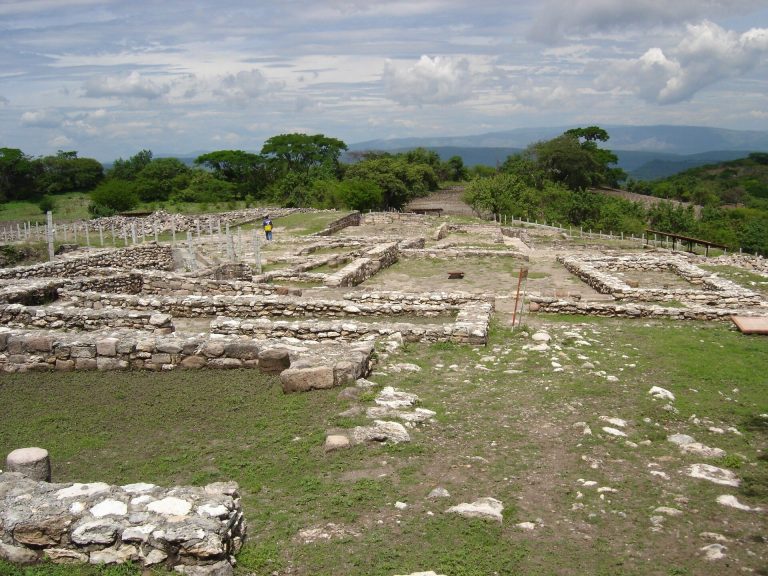
Organera Xochipala is an archaeological site in Guerrero associated with the Mezcala tradition, a corbelled arch, and debates over the origins and…
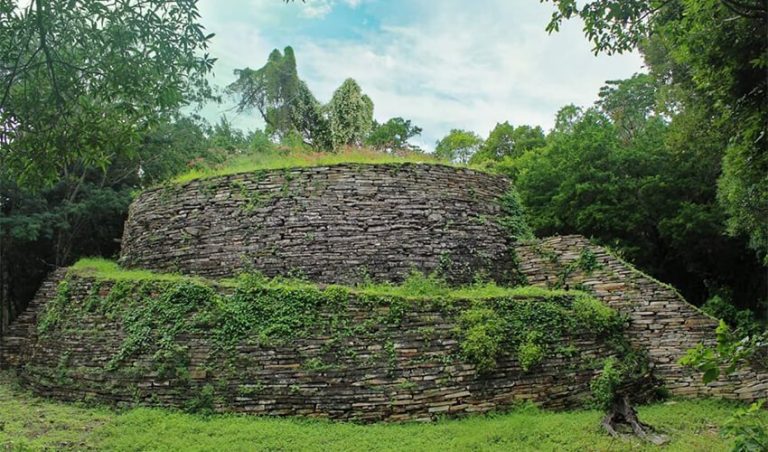
El Sabinito is a pre-Columbian Huastec settlement in Tamaulipas, Mexico, with more than 600 foundations, two principal plazas, and a circular pyramid…
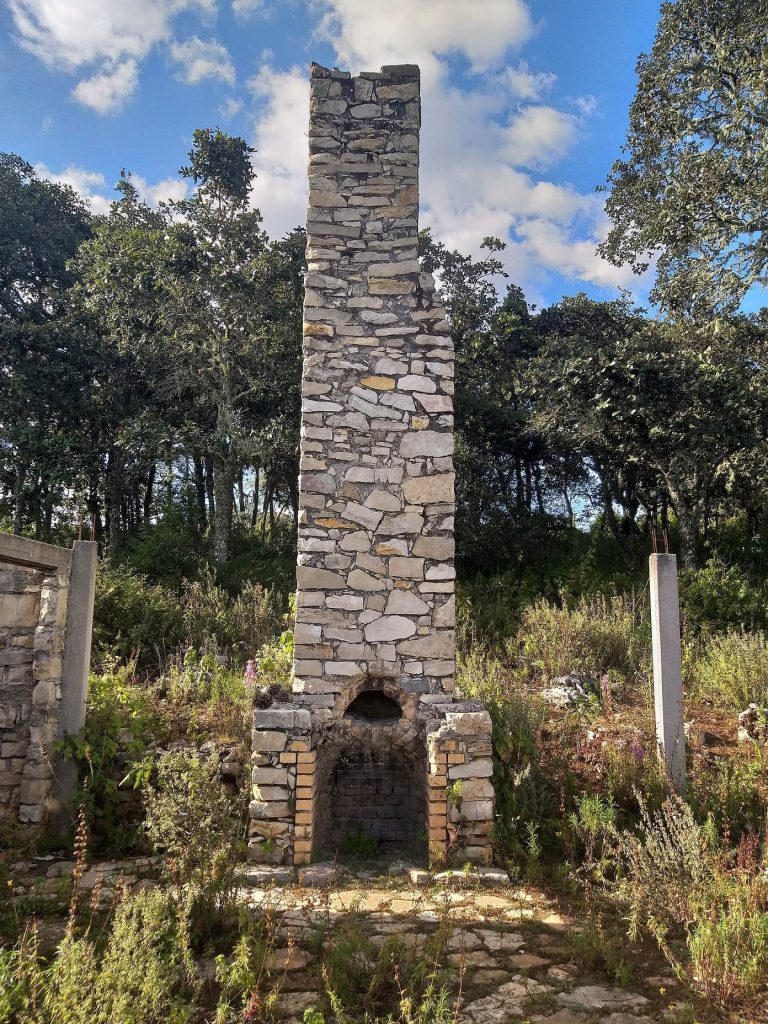
Monte Negro was a Mixtec urban and civic-religious center built on Cerro Negro between about 300 and 100 BC. Its mountain settlement, ceremonial…
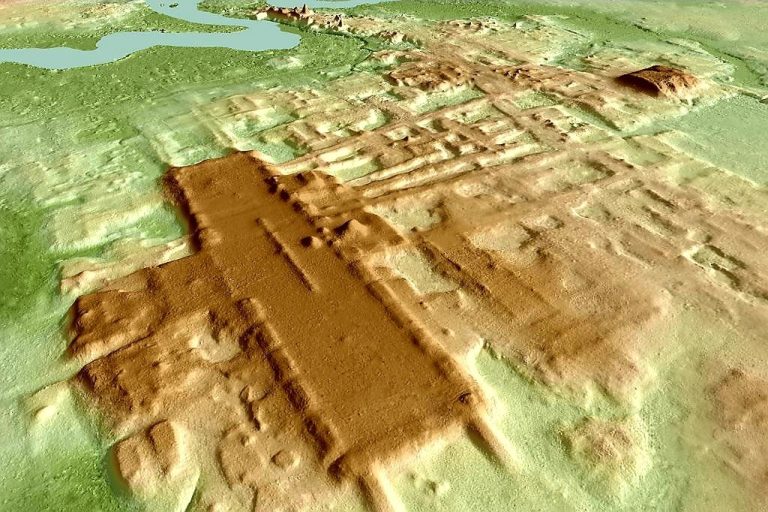
Aguada Fénix is a large Preclassic Maya ceremonial complex in Tabasco, Mexico, built between approximately 1000 and 800 BC. Its enormous platform,…
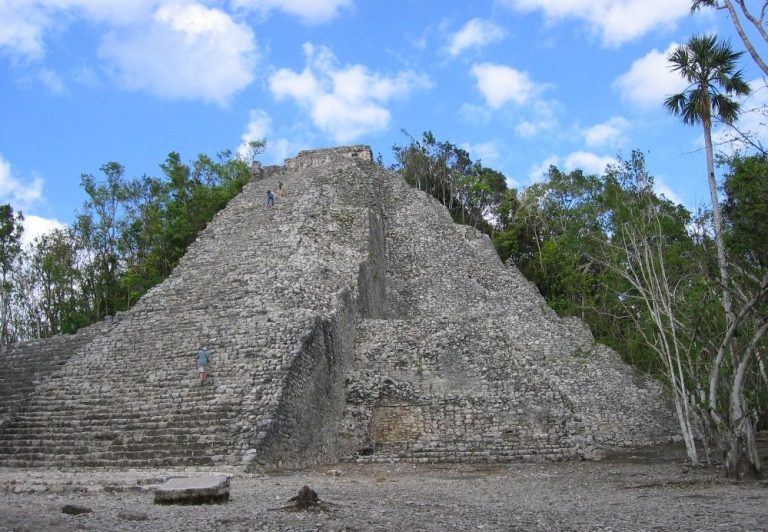
Coba was a major ancient Maya city in present-day Quintana Roo, known for its extensive raised roads, monumental pyramids, inscriptions, lagoons, and…
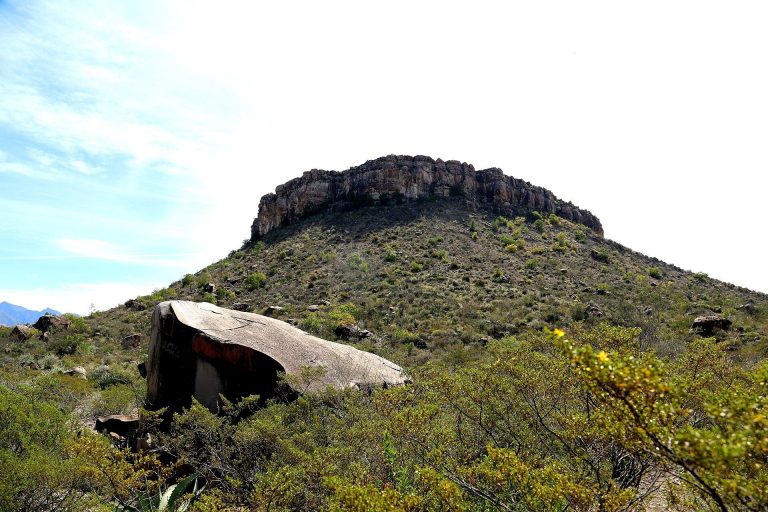
Chiquihuitillos is an extensive Indigenous rock-art site in Mina, Nuevo León, where painted and engraved images preserve evidence of early regional…
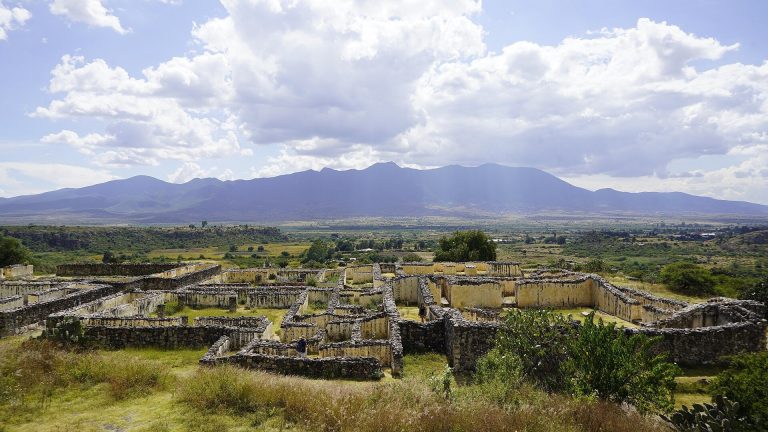
Yagul was a major Zapotec city-state in the Valley of Oaxaca, occupied from the Preclassic period through the Spanish Conquest. Its surviving…
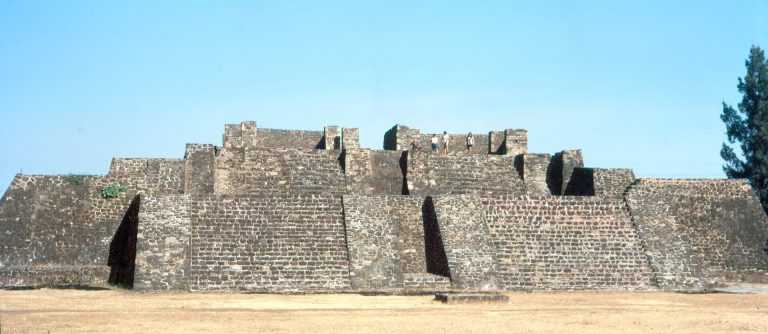
Teopanzolco is an Aztec archaeological site in Cuernavaca, Morelos, preserving the ceremonial center associated with ancient Cuauhnahuac and evidence…
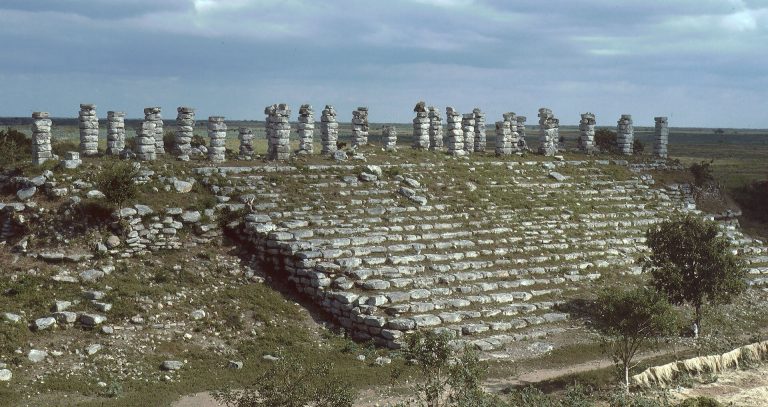
Ake was a major northern Yucatan Maya settlement occupied from about 300 BC to AD 1450, with monumental architecture, defensive walls, a raised road…
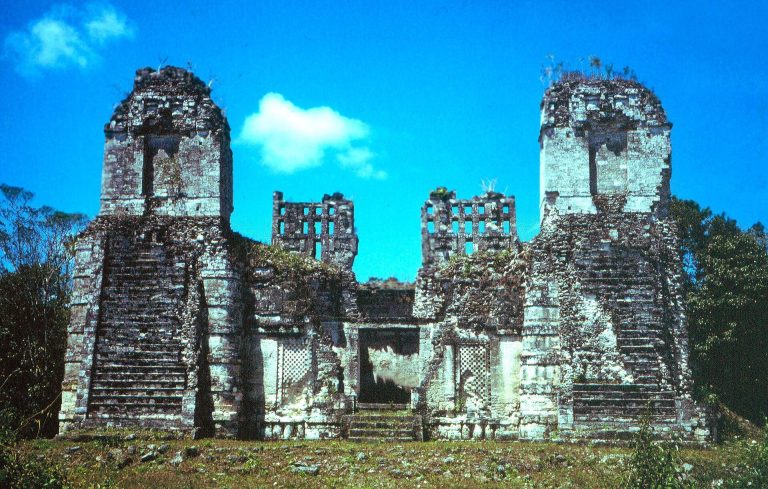
Río Bec is a dispersed Maya settlement in southern Campeche, Mexico, known as the source of a distinctive architectural style with massive…
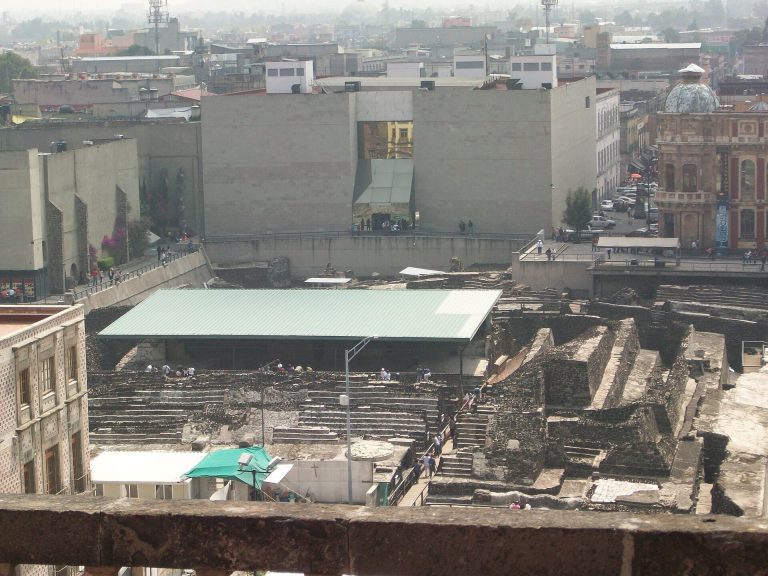
Templo Mayor was the religious and political center of the Mexica capital Tenochtitlan. Built in successive stages from the fourteenth century, its…
For details on how to use the maps, which sites are included, how popularity and ratings are determined, and how sites are classified, see the help page.
On this page6 sections
Monumental platforms at Teotihuacan and Tzintzuntzan
The Pyramid of the Moon anchors the northern end of Teotihuacan’s Avenue of the Dead. Its present mass encloses successive building stages, each enlarging or modifying an earlier structure. Broad platforms and stairways organize the approach from the plaza below. The monument belongs to Teotihuacan’s own urban history, centuries before the Aztec Empire.
Tzintzuntzan, above Lake Patzcuaro, was the ceremonial center of the Purépecha capital. Five rounded structures known as yácatas stand on a large artificial platform. Their combined circular and rectangular forms differ from the stepped square pyramids familiar at other Mesoamerican sites. The elevated terrace gives the monuments a shared setting overlooking the lake and the former capital’s surrounding territory.
Painted architecture at Cacaxtla
Cacaxtla occupies a raised and defended position above the Puebla–Tlaxcala landscape. Its Great Platform supported religious, residential and administrative buildings. Successive construction enclosed earlier rooms and helped preserve their painted surfaces.
The buildings used earth construction coated with plaster, which provided a surface for murals and modeled decoration. Their positions within rooms and passages help explain how the paintings were encountered. Modern protective roofing shelters the excavated remains. The site article explains the subjects and dates of the paintings alongside the rooms in which they were found.
Courts and a ballcourt at Yagul
Yagul in Oaxaca preserves the core of a Zapotec settlement. Patios, monumental buildings and an elite residential complex occupy the excavated ceremonial area, while a fortress rises above them on the hill. Residential terraces extend beyond the exposed center.
The long ballcourt gives one of the site’s public activities a clear architectural form. Its playing area and end spaces were altered during successive phases, and the present structure includes restoration. The arrangement of courts and adjoining rooms also makes Yagul useful for exploring the relationship between elite residence and ceremonial space within a smaller city-state.
The Dominican complex at Cuilapan
The former monastery of Santiago Apóstol at Cuilapan belongs principally to the sixteenth century. An extensive atrium accompanies a roofless three-aisled basilica, church and cloister. Indigenous craftspeople worked the local stone within a complex commissioned for Dominican evangelization.
The open basilica’s arches remain particularly prominent, while the cloister and adjoining rooms served the religious community. Different architectural forms appear together, including Gothic and Renaissance elements. The large outdoor enclosure also explains how gatherings could extend beyond the interior of a single church.
Harbor defenses at San Juan de Ulúa
San Juan de Ulúa developed on an island opposite Veracruz. Successive Spanish campaigns expanded its defenses into a bastioned complex protecting the port. Walls, gun positions and gateways record changes from the sixteenth through eighteenth centuries, with local coral stone among the building materials.
The site subsequently served as a prison and arsenal as well as a fortress. Its enclosed spaces and later buildings therefore represent several uses of the same defended location. The harbor setting explains the original military purpose, while the individual article follows the alterations that changed life inside its walls.
Explore Mexico’s historic places
Use the map and grid to compare regions, civilizations and building types. Open the individual articles for the remains associated with each period, including earlier structures preserved beneath later construction and the contribution of modern restoration.