Cuetlajuchitlán: A Mesoamerican Archaeological Settlement in Guerrero
Site at a Glance
- Rating
- 4.5
- Popularity
- Very Low
- Country
- Mexico
- Primary era
- Classical
- Eras represented
- Iron Age, Classical
- Civilizations
- Unclassified
- Site type
- City
On this page13 sections
History
Cuetlajuchitlán is a Mesoamerican archaeological settlement near Huitzuco de los Figueroa in Guerrero, Mexico, about 3 km southeast of Paso Morelos. Associated with groups derived from the Mezcala culture of the Balsas River basin, it developed between approximately 800 BCE and 300 CE and became one of the region’s principal population centers during the Late Preclassic period, the later part of Mesoamerica’s Preclassic era before the rise of the large Classic-period cities.
Early Settlement
The settlement’s earliest phase dates to about 800–600 BCE. At this time, Cuetlajuchitlán may have been a small village dependent on a larger Olmec-related center in the Balsas region. The Olmec were an earlier Mesoamerican civilization associated especially with the Gulf Coast lowlands, and the term “Olmec-related” indicates a proposed cultural connection rather than a definitive identification of the inhabitants. Another interpretation places the settlement of Cuetlajuchitlán’s inhabitants around 600 BCE, after the decline of Olmec sites. The circumstances of this early development remain uncertain.
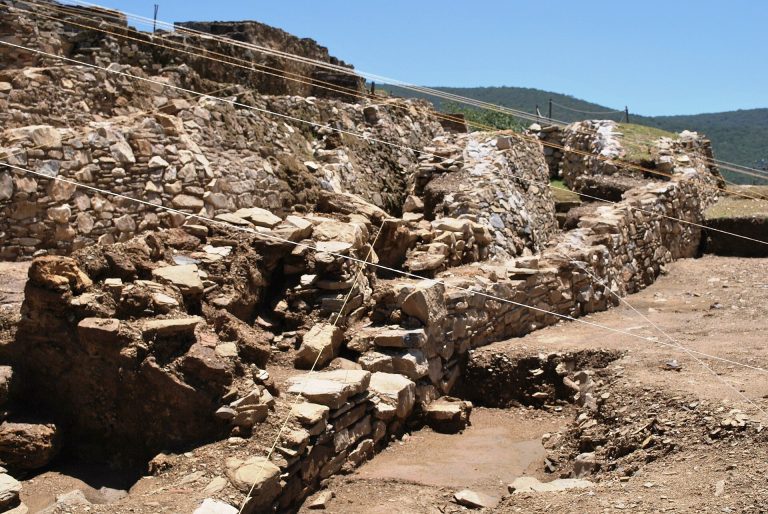
Early construction included limestone walls, leveling platforms, and housing foundations. Pottery fragments, figurines, worked stones, and a small number of other remains belong to this stage. These features indicate that the hilltop settlement had already developed organized construction and domestic activity before its later expansion.
Flourishing Settlement
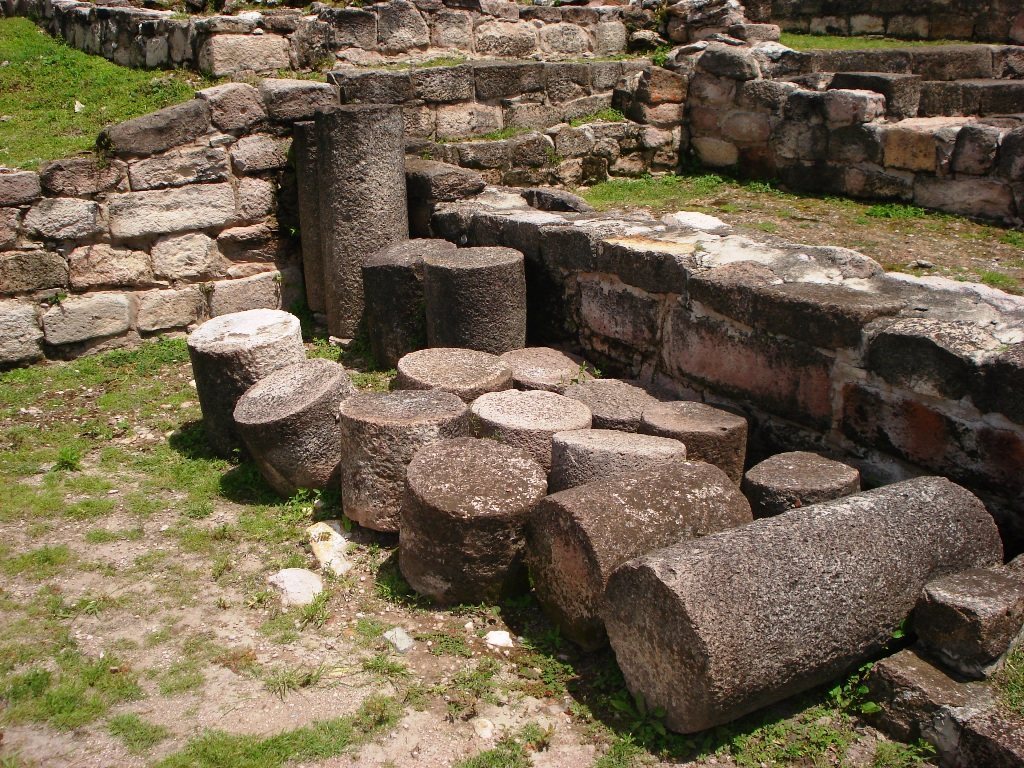
Cuetlajuchitlán flourished from approximately 200 BCE to 200 CE. During this period, builders used carved limestone blocks and cylinders for walls and columns. The settlement’s clearly organized layouts and the production of several column-block forms reflect a developed architectural tradition associated with the Mezcala culture, a pre-Hispanic tradition centered in the Balsas River region and known for distinctive stone sculpture and architectural remains.
Two ceremonial enclosures and three residential complexes formed the known settlement. Their arrangement has been interpreted as evidence for elite groups who directed communal activities and carried out public or ceremonial functions. The precise organization of society, however, remains an interpretation rather than a known fact.
Reuse and Abandonment
In the later phase, builders reused materials from earlier structures, including column blocks and metates. A metate is a flat stone grinding surface used with a handstone to process food such as maize. The settlement declined and was abandoned around 300 CE. The later limestone walls and reused elements belong to an architectural tradition associated with the Mezcala culture.
Rediscovery and Protection
Cuetlajuchitlán came to light in 1991 during construction of the Cuernavaca–Acapulco highway. To protect the archaeological settlement, the road was redirected through the Los Querendes tunnel, a single-arch structure built approximately 50 m below the site with strict precautionary measures. The archaeological area covers about 35 hectares, although only roughly 2 hectares have been explored. Investigations have identified occupation from both the Late and Terminal Preclassic periods, the latter being the closing phase of the Preclassic era.
Paso Morelos was formerly known as Cuetlajuchitlán or Cuetlajuchi. The name is interpreted from Nahuatl as either “place of red flowers” or “withered place.” The reference to red flowers may relate to the poinsettia, a plant native to the region.
Remains
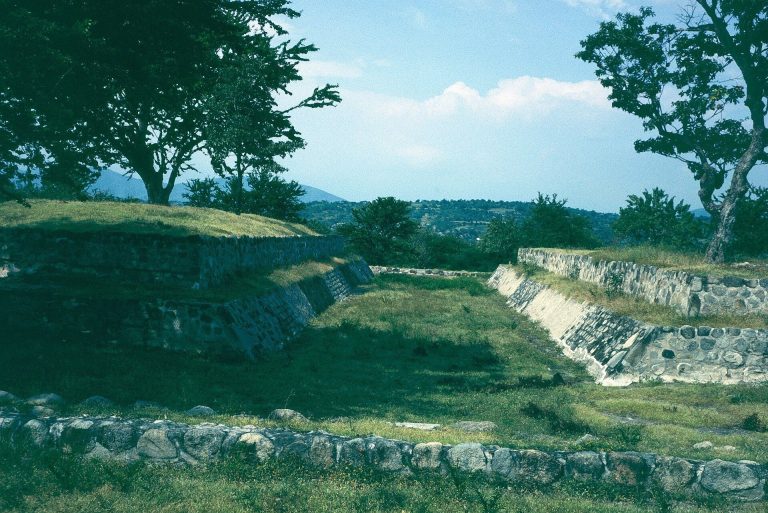
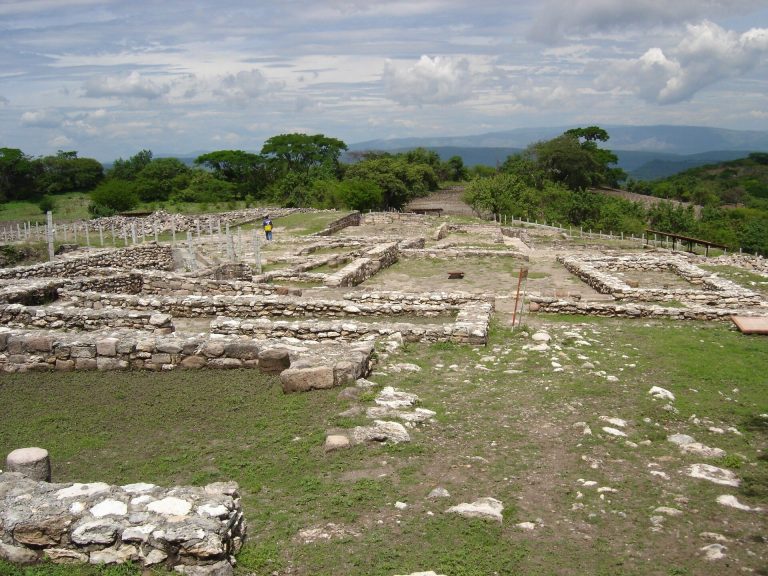
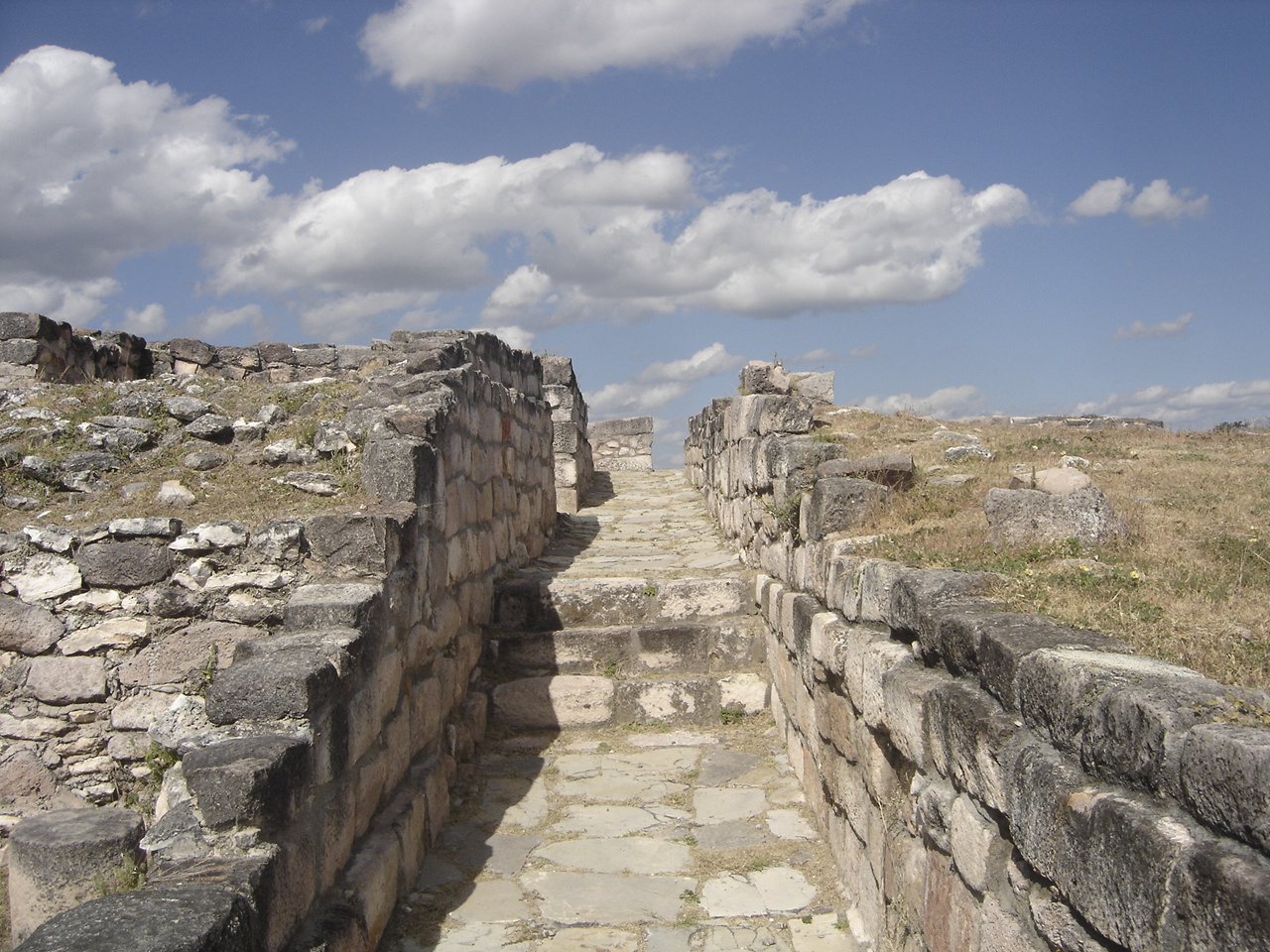
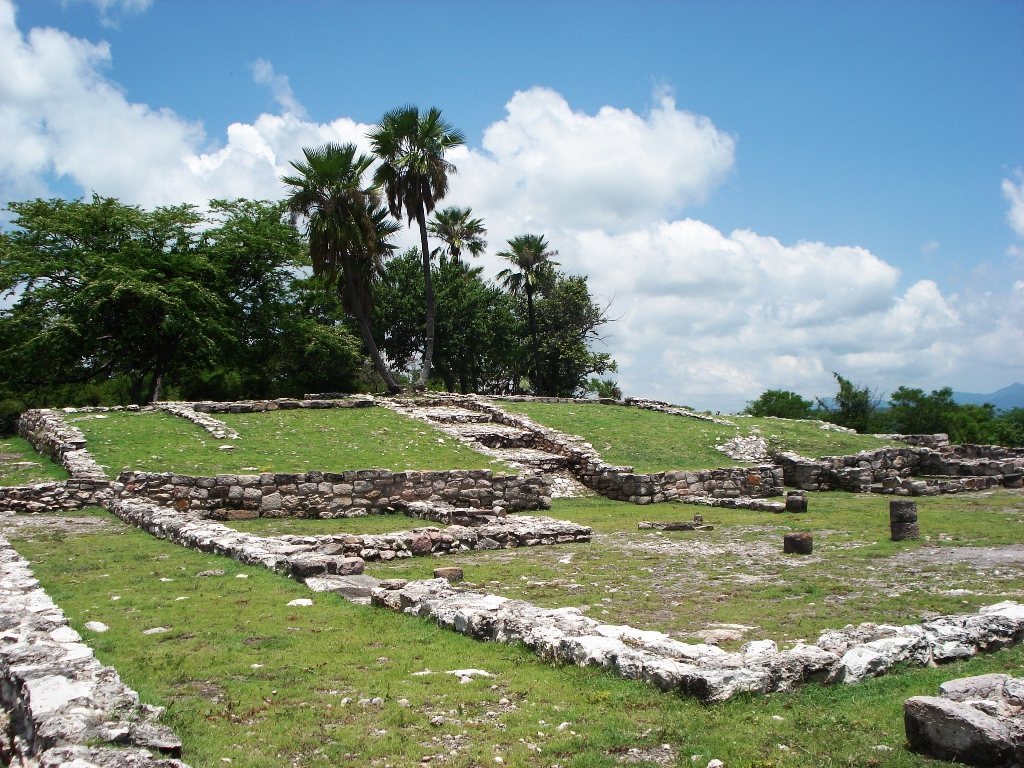
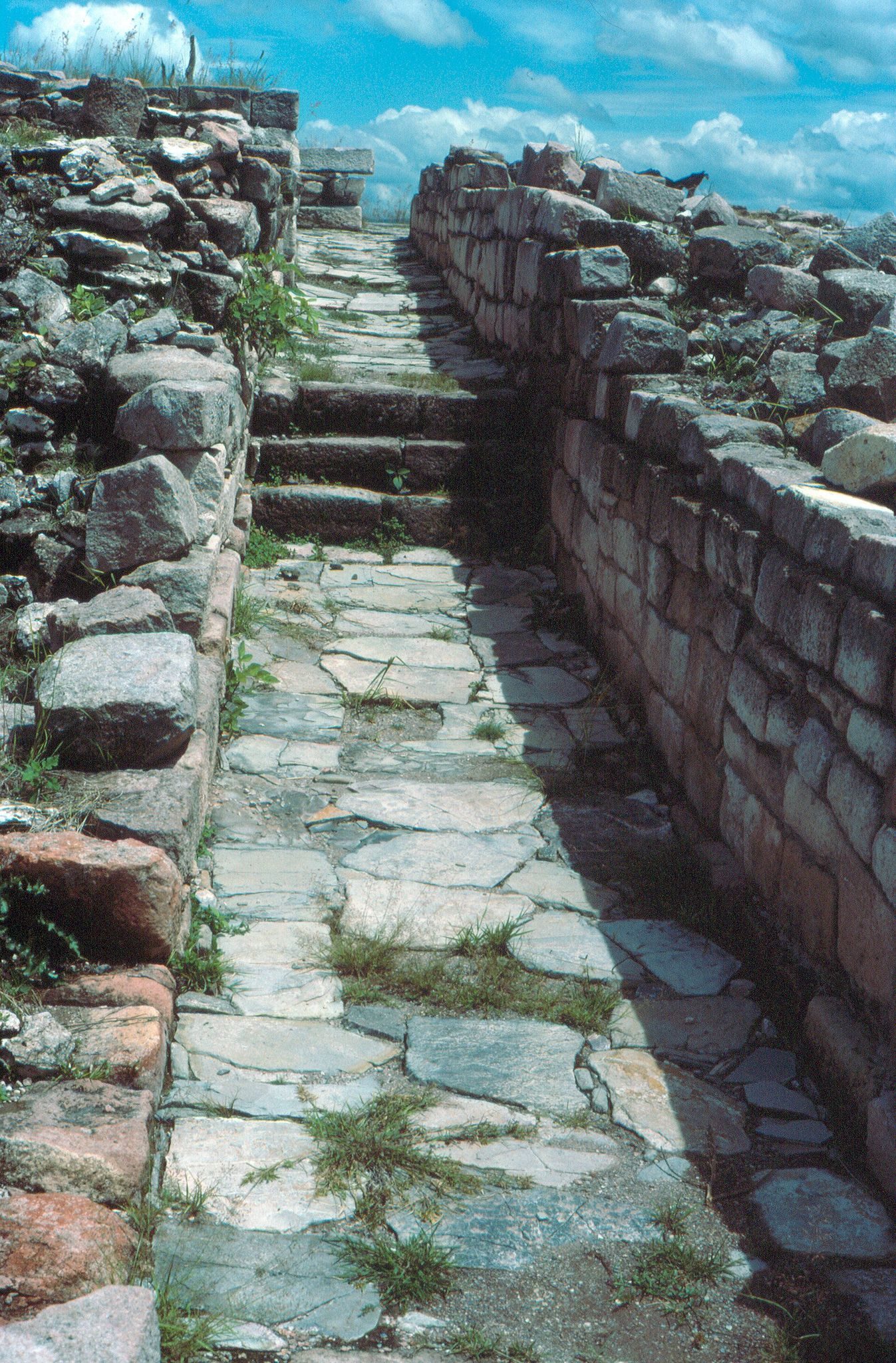
Cuetlajuchitlán occupies a limestone hill or hilltop. Its known layout includes stone-slab streets, large platforms, open spaces, rooms, storage areas, and possible workshops for specialized activities. Streets continue along organized axes, while platforms, drainage works, cisterns, and sunken patios connect ceremonial and residential areas across the slopes.
Ceremonial Enclosures
Ceremonial Enclosure 1
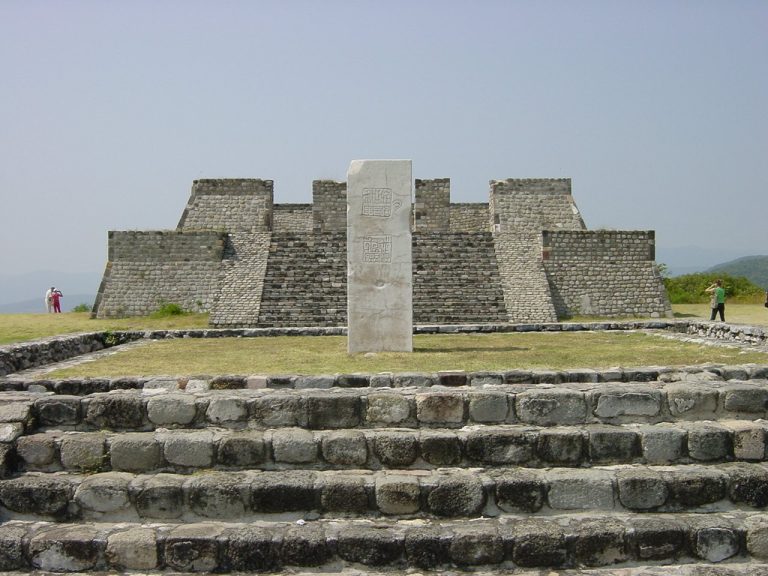
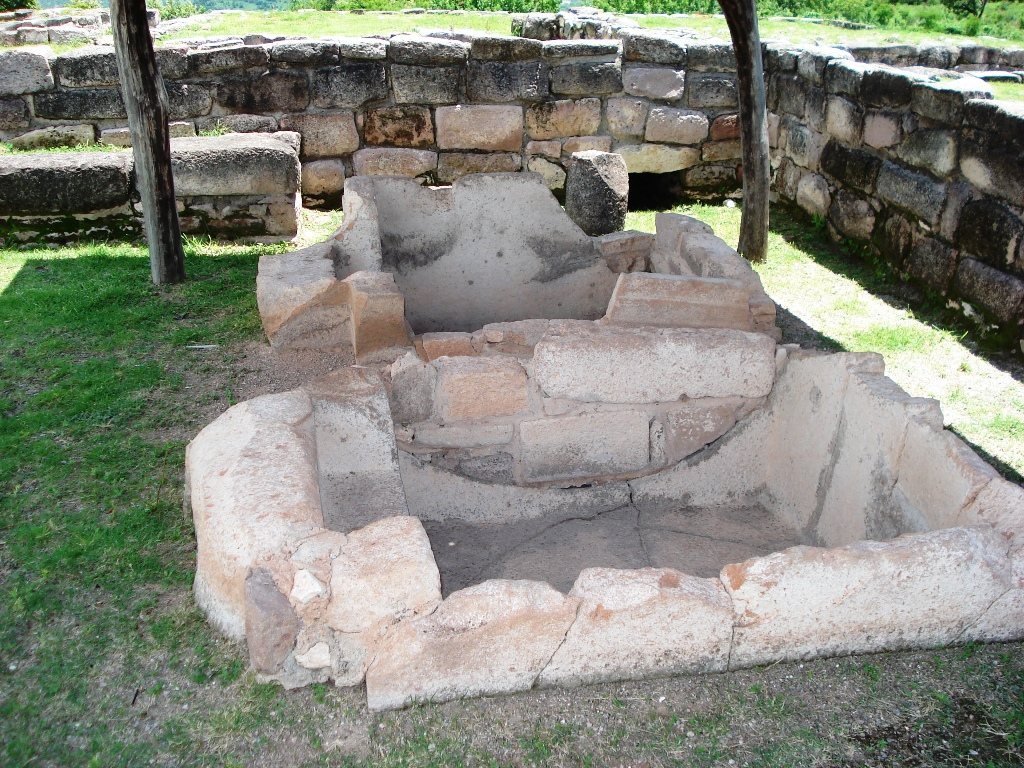
Ceremonial Enclosure 1 is the principal structure. It is rectangular, measuring 28 m from north to south and 18 m from east to west. Limestone-block walls surround a large platform and a sunken patio, creating a distinct ceremonial space. Two pink-stone tubs, each carved from a single block, were found within the enclosure. They probably served for ritual bathing and include a seat along the western side. Their exterior decoration resembles an eyebrow and follows the architectural style of the area. A temazcal, or Mesoamerican steam bath used in bodily, social, and often ritual contexts, stands near the main platform.
Ceremonial Enclosure 2
Ceremonial Enclosure 2 is a smaller enclosed area adjoining the first enclosure at its southeastern end. It contains two tubs that probably existed before the enclosure was built. Nearby, rectangular and circular pink-stone blocks were shaped, dressed, stacked, and later incorporated into construction. Several monolithic tubs at the settlement are now almost destroyed.
Residential Complexes
Hill-Slope Residences
Residential complexes occupy the northern, southern, and western slopes of the hill. Their features include organized streets, well-defined platforms, pink-stone rooms, sunken patios, drainage systems, water-catchment cisterns, and small storage spaces. These elements show how domestic areas were arranged around shared circulation and water-management facilities.
Complex 8
Complex 8 lies approximately 200 m beyond the previously explored area. It consists of a large plaza surrounded by platforms and residential units, together with cisterns and a channel for capturing water. A large central platform may have supported the residence of an elite person, possibly the ruler of Cuetlajuchitlán at that time.
Storage and Craft Features
Several parts of the settlement contain underground deposits whose shapes and dimensions resemble storage facilities. They may have held grain, food, or manufactured goods. The deposits were built with dressed limestone walls and slab floors, and numerous fragments from pottery vessels were found inside them. Possible workshops for specialized activities form part of the wider architectural distribution.
Other excavated materials include abundant ceramic objects and pottery fragments, figurines, and worked stone objects. Sculptures carved from tuff blocks were found in one of the corridors. Together with the limestone structures, these finds reflect the settlement’s domestic, ceremonial, and craft activities across its successive phases.