Organera Xochipala: An Archaeological Site in Guerrero, Mexico
Site at a Glance
- Rating
- 4.7
- Popularity
- Very Low
- Country
- Mexico
- Primary era
- Medieval
- Eras represented
- Classical, Medieval
- Civilizations
- Unclassified
- Site type
- City
On this page8 sections
History
Chronology and cultural setting
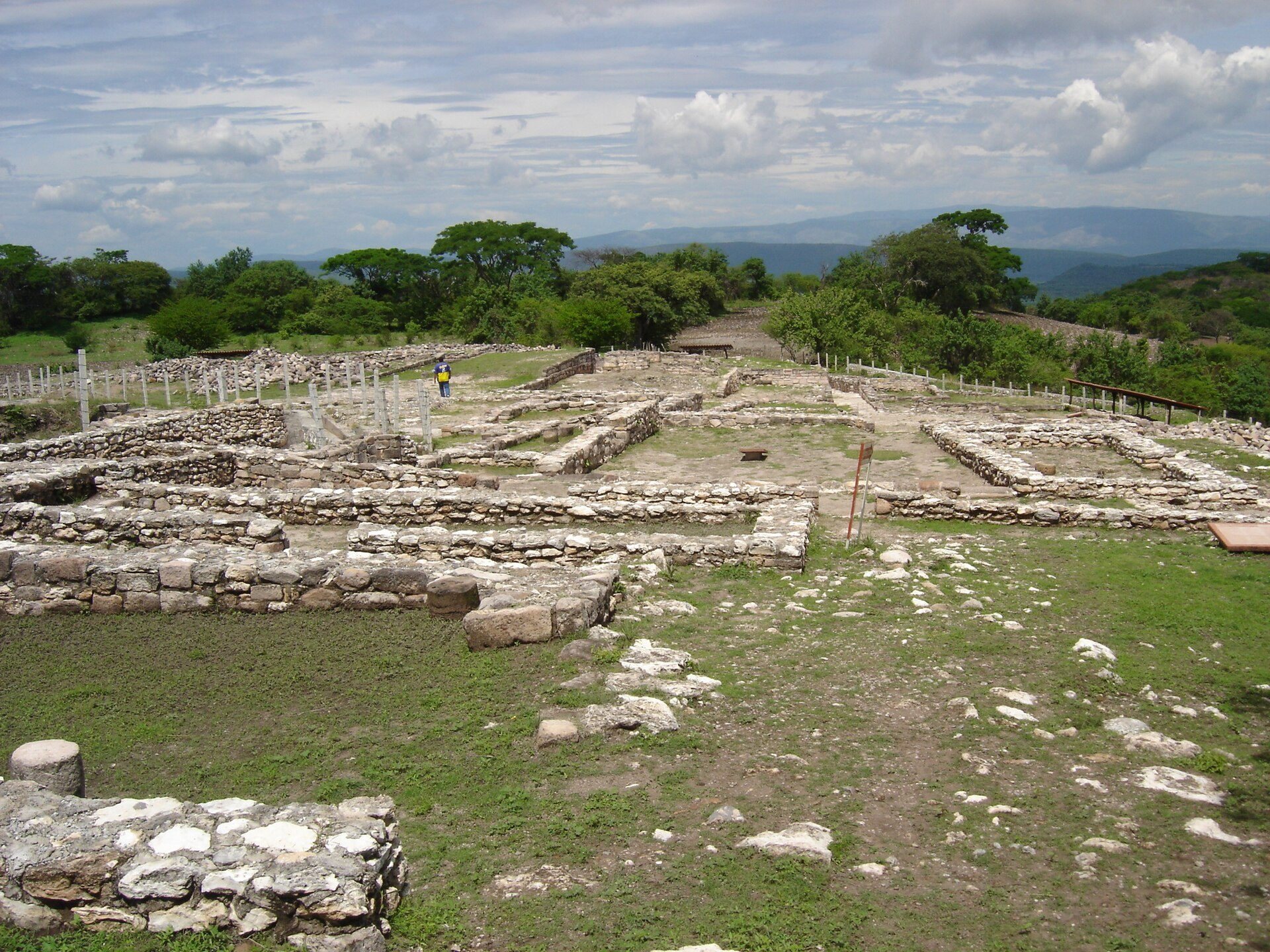
Organera Xochipala is an archaeological site in Eduardo Neri, Guerrero, Mexico, associated with the Classic and Postclassic periods, approximately 200 BCE to 1400 CE. Together with neighboring sites, it is sometimes classified within the Mezcala archaeological culture, an archaeological tradition associated with the Guerrero region of western Mexico.
The name Organera Xochipala comes from the nearby village of Xoxhipala and the local organ-pipe cactus, Stenocereus thurberi. The name also connects the site with the Xochipala style of figurines and pottery, although that style belongs to the earlier Formative, or Preclassic, period of Mesoamerican archaeology. The Formative period broadly preceded the Classic period, and the style is generally dated to approximately 1500 to 200 BCE, before the occupation of Organera Xochipala.
Looting and the history of interpretation
Organera Xochipala was extensively looted during the mid-twentieth century, and approximately 20,000 objects were removed. Many sculptures associated with Xochipala are therefore known through collectors and art dealers rather than controlled archaeological excavation. The first figurine later classified as Xochipala style was acquired in Guerrero by William Niven in 1897 and sold to the Peabody Museum of Archaeology and Ethnology in 1903. Its proposed early date, approximately 1500 BCE, rests on stylistic and compositional characteristics because its original findspot is unknown.
Interpretations of the style have changed considerably. Carlo Gay linked Xochipala figurines with a Gulf Coast culture that he believed preceded the Olmecs, an early Mesoamerican civilization centered mainly in the Gulf Coast region. He proposed a long sequence from Early through Middle and Late Xochipala styles into Olmec art. This interpretation has been widely rejected or considered untenable. David Grove found only limited similarities, while Michael Coe found no basis in the figurines or stone bowls for identifying the Olmec style. Grove later suggested that the earliest figurines may have been influenced by developed ceramic traditions from northern South America, although this explanation has not been widely accepted.
Remains
Architectural remains
Corbelled arch
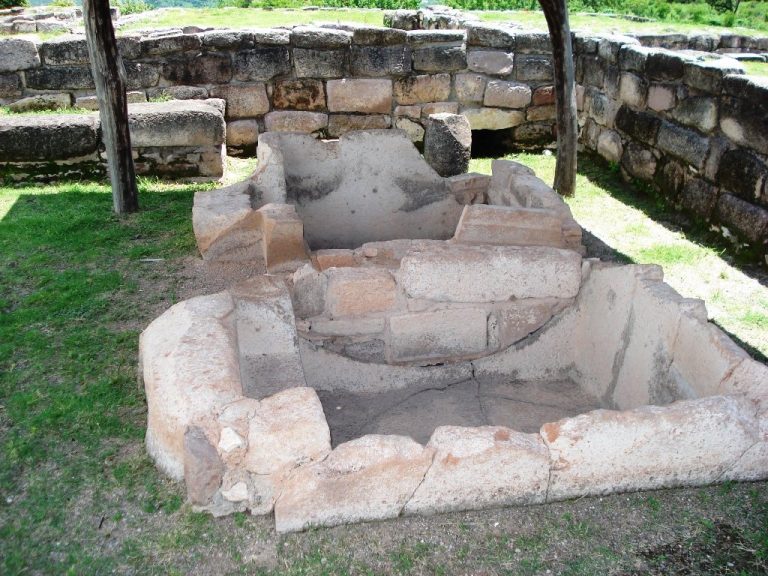
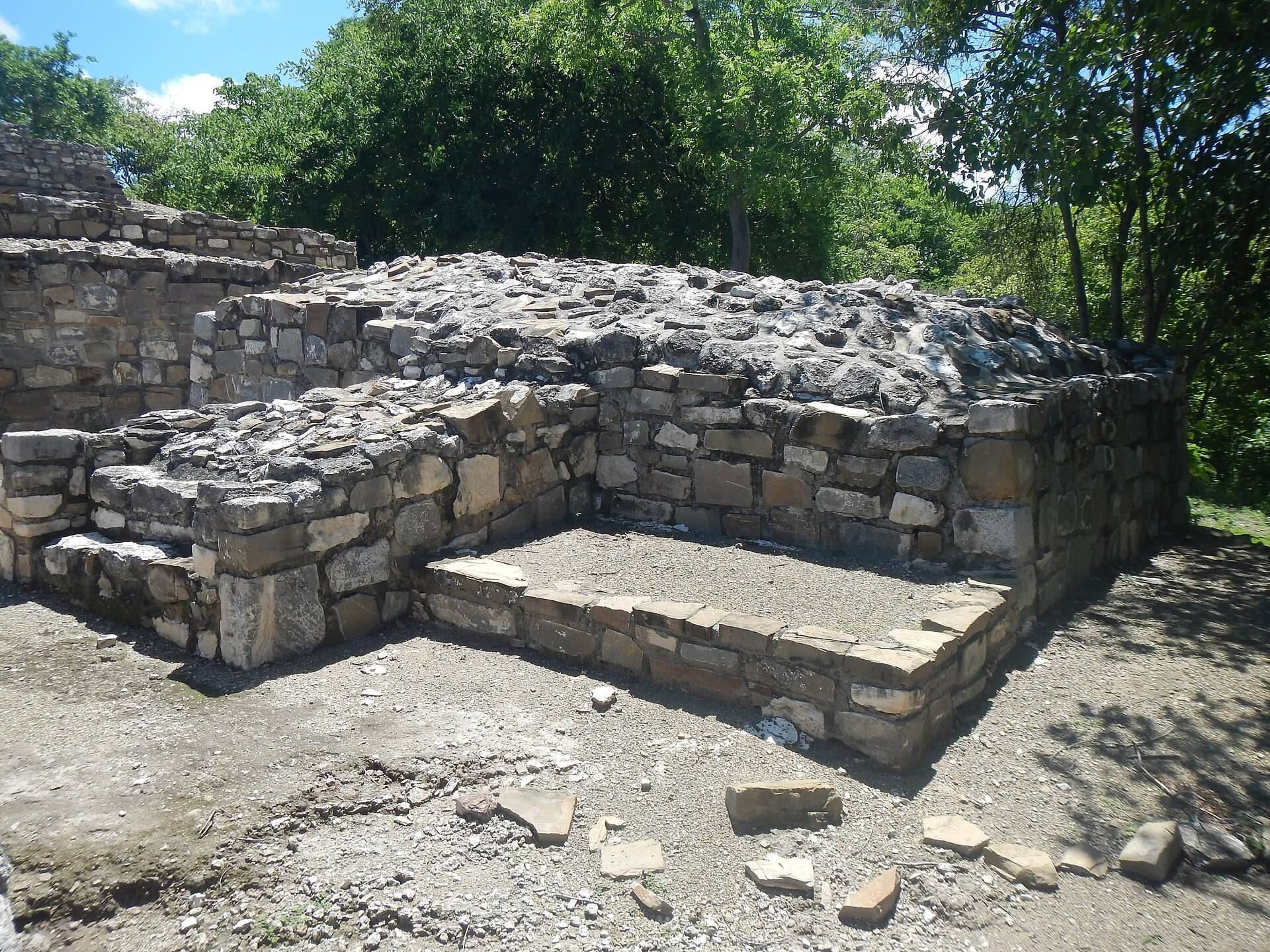
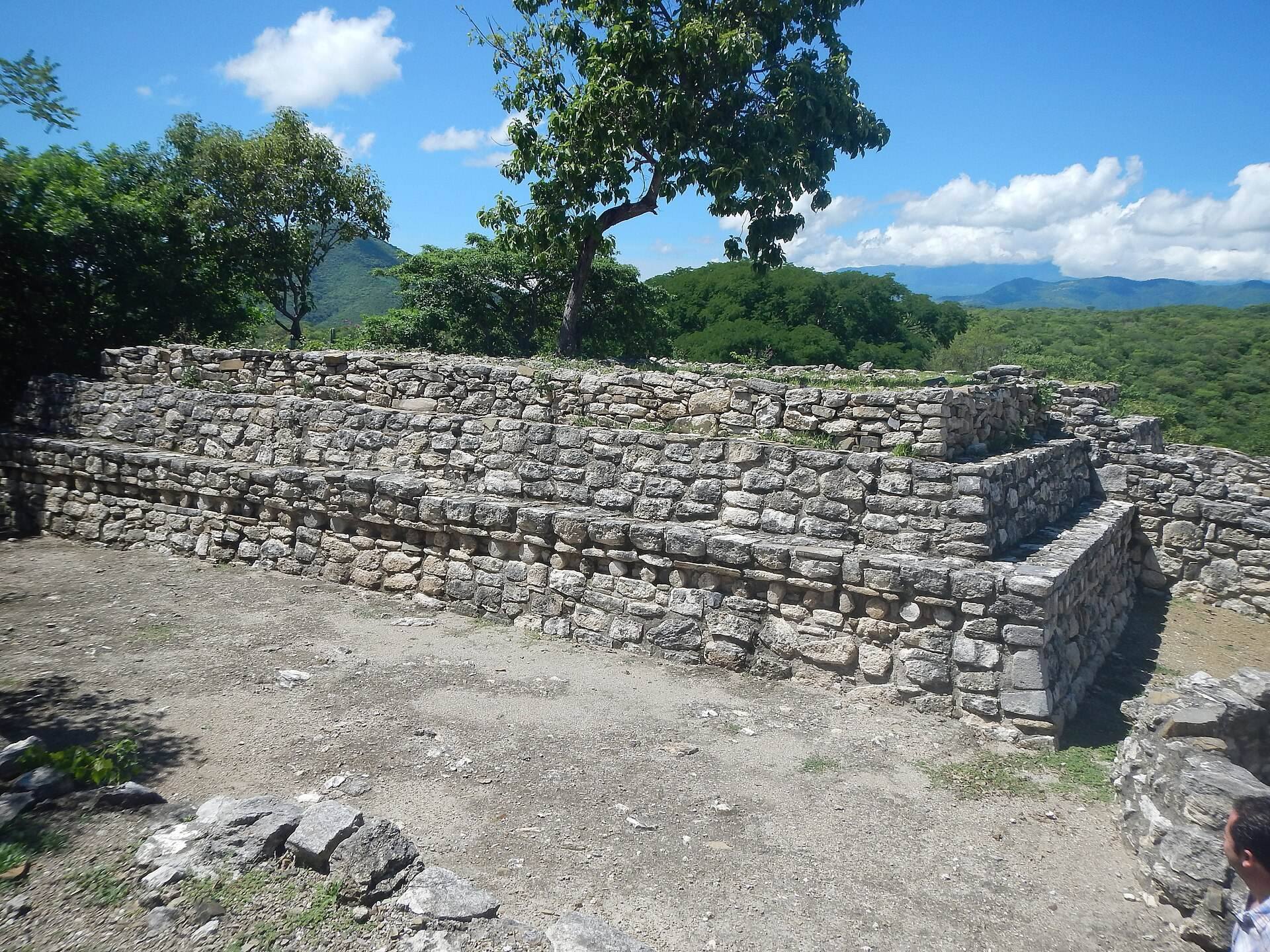
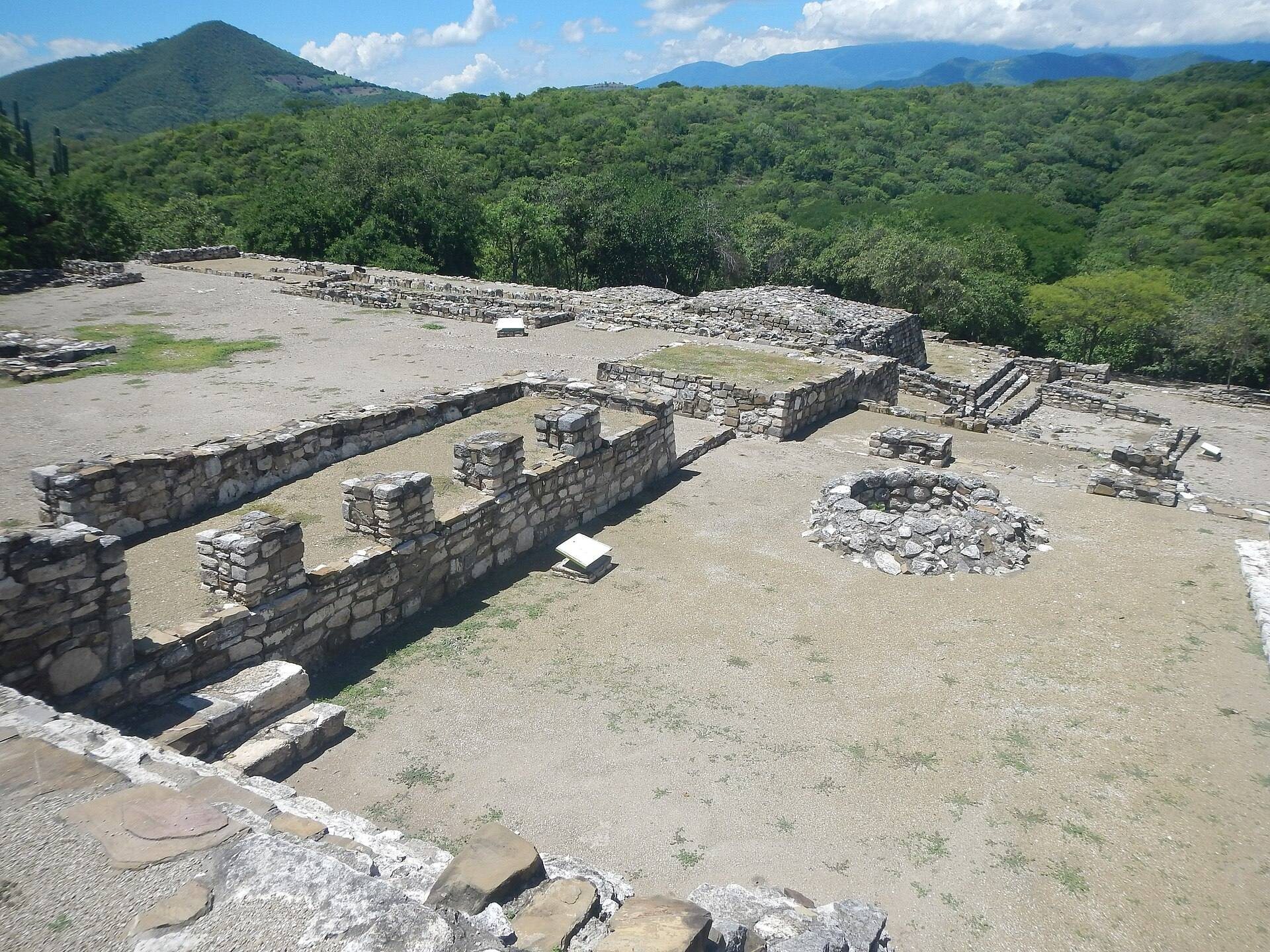
The site is notable for a corbelled arch with projecting elements. This type of arch is formed by masonry courses that extend inward until they meet or close near the top, rather than by wedge-shaped stones arranged around a true curved arch. Its architectural origin remains unsettled. It may represent a local development in Guerrero, or it may reflect architectural borrowing from the Maya region, whose building traditions included corbelled vaulting and related forms.
Las Mesas mound complex
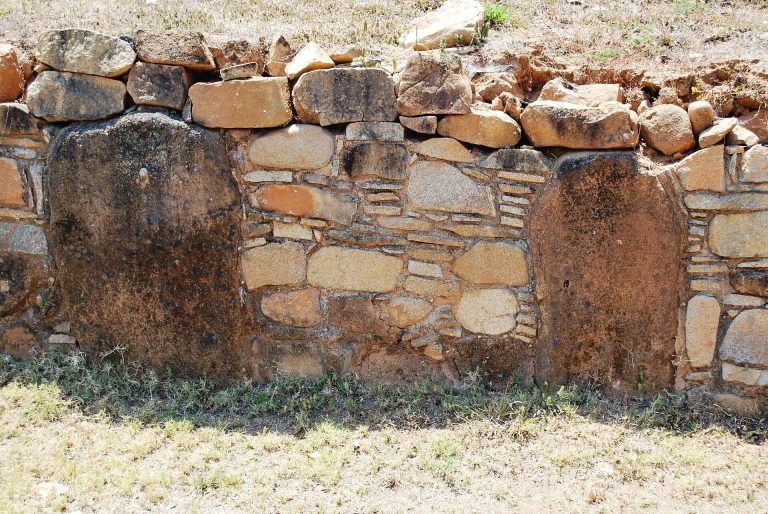
The associated mound complex of Las Mesas lies approximately six kilometres south or southwest of the modern town of Xochipala. Important monoliths were found there, linking the complex to the wider archaeological area around Organera Xochipala.
Xochipala-style sculpture
Xochipala-style art includes highly naturalistic figurines and stone bowls carved in detail from very hard stone. Many figurines were modeled nude before clay clothing was applied to the body, a method that enhanced the representation of the human form. Nude examples may originally have been dressed in clothing made from perishable materials. Because the figurines entered collections through uncontrolled acquisition and their original archaeological contexts are unknown, they are best treated as material associated with the Xochipala style rather than as excavated contents of Organera Xochipala.