Historic Sites in Malta: Explore Megalithic Temples, Harbour Forts and Palaces
Explore historic sites in Malta, including megalithic temples, Roman mosaic floors, rock-cut catacombs, harbour forts and palace courtyards. Religious buildings, residences and fortifications account for much of the collection. The examples below include prehistoric stone chambers, a Roman house at Mdina, burial spaces in Rabat and the buildings of the Order of Saint John around the harbours.
Primary Function: All
Type: All
Civilization: All
Popularity: All
Rating: All
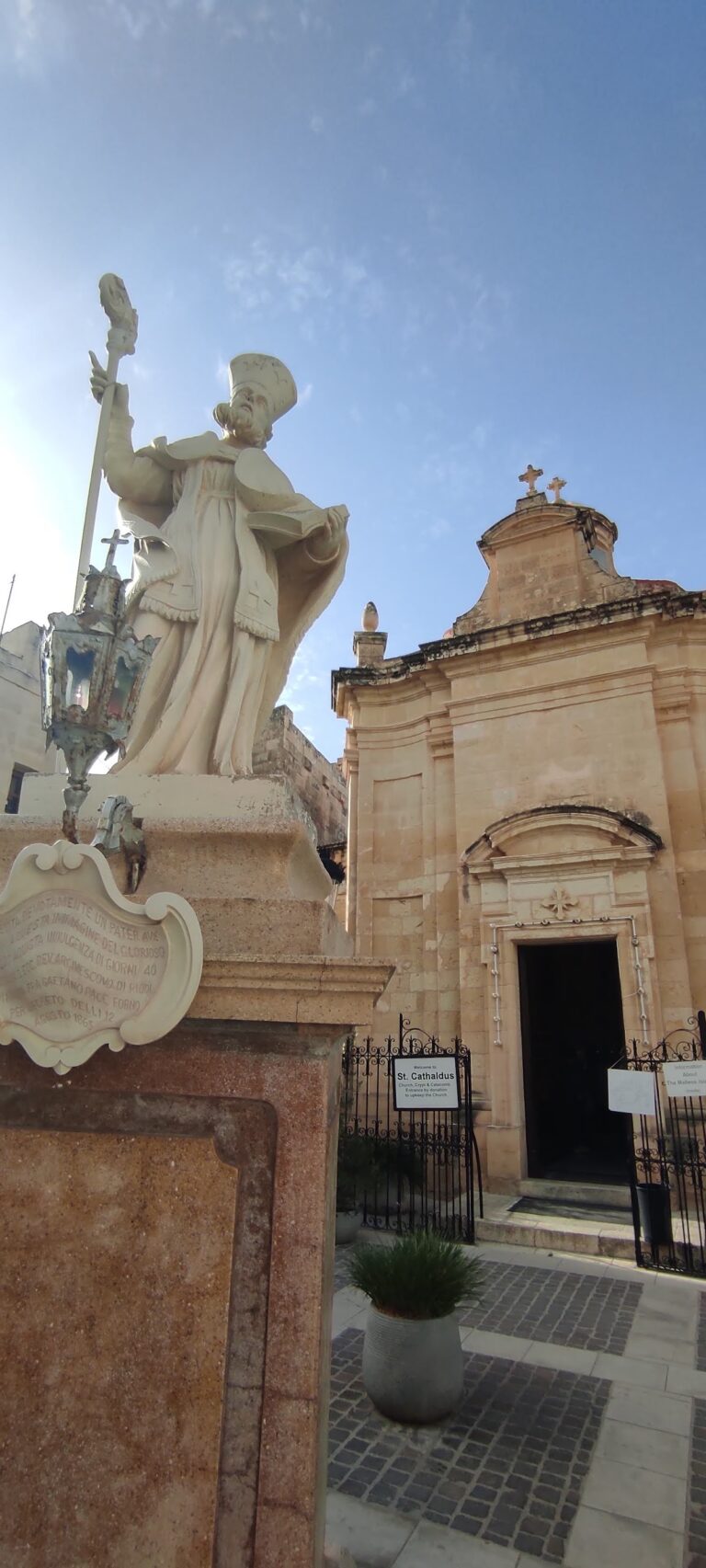
Church of St. Catald in Rabat, Malta, developed from a medieval sanctuary into an eighteenth-century Baroque church above a crypt and early Christian…
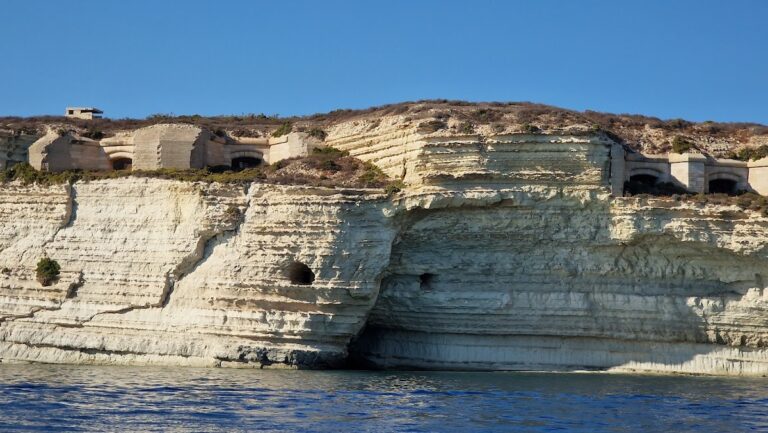
Fort Delimara is a nineteenth-century British polygonal fort at Delimara Point, built to protect Marsaxlokk Harbour. Its underground casemates,…
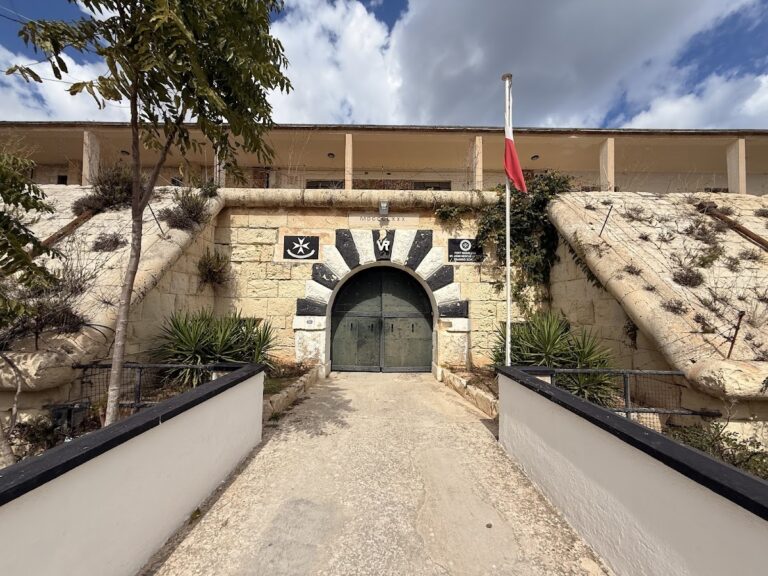
Fort Madalena is a British fort built between 1878 and 1880 as part of Malta’s Victoria Lines. It later served as a coastal-defence post,…
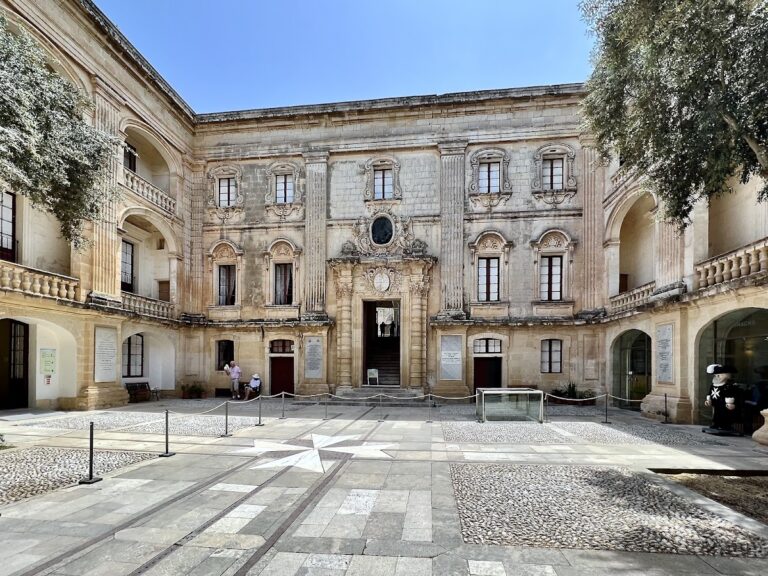
Palazzo Vilhena is an eighteenth-century French Baroque palace in Mdina that has served as a civic palace, military hospital, sanatorium, and…
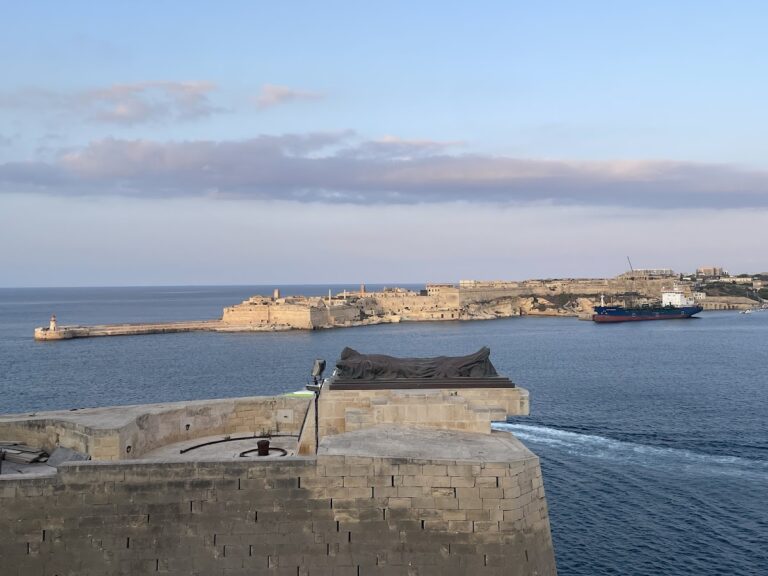
Fort Ricasoli is a large Order of Saint John fortress guarding the entrance to Malta's Grand Harbour, with a history spanning early modern military…
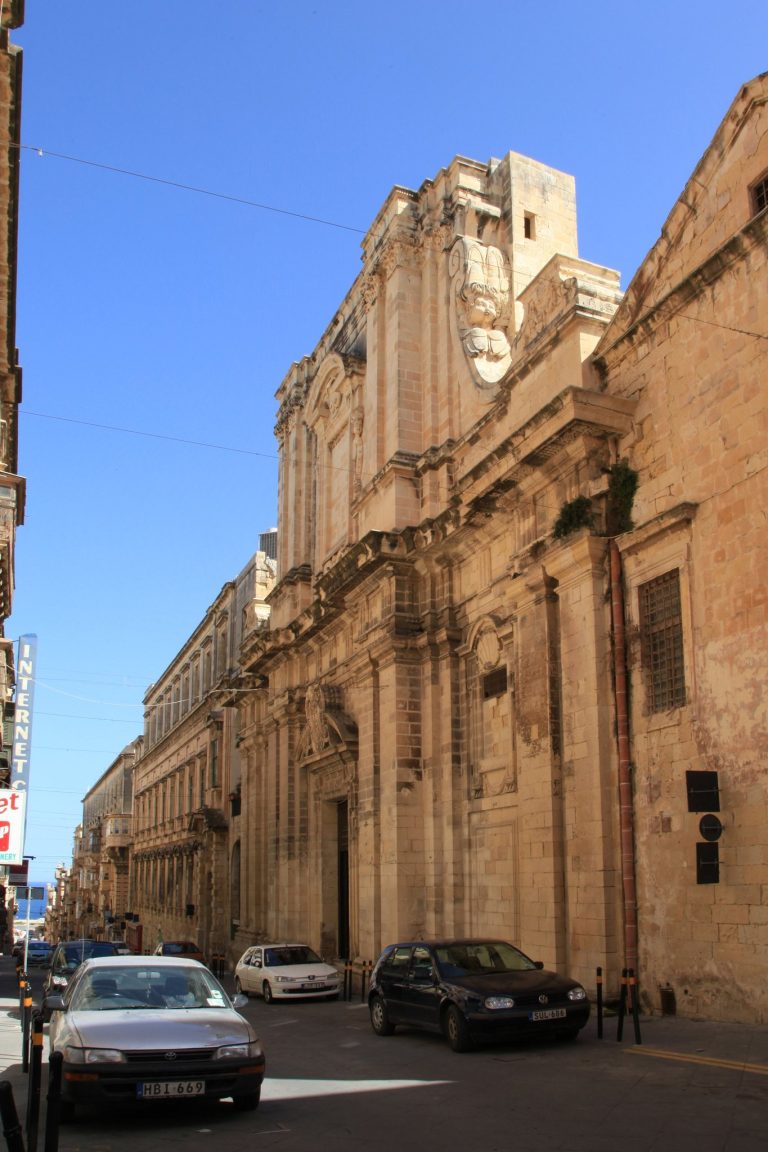
The Church of the Jesuits in Valletta formed part of a major Jesuit educational complex founded in the late sixteenth century. Rebuilt after a 1634…
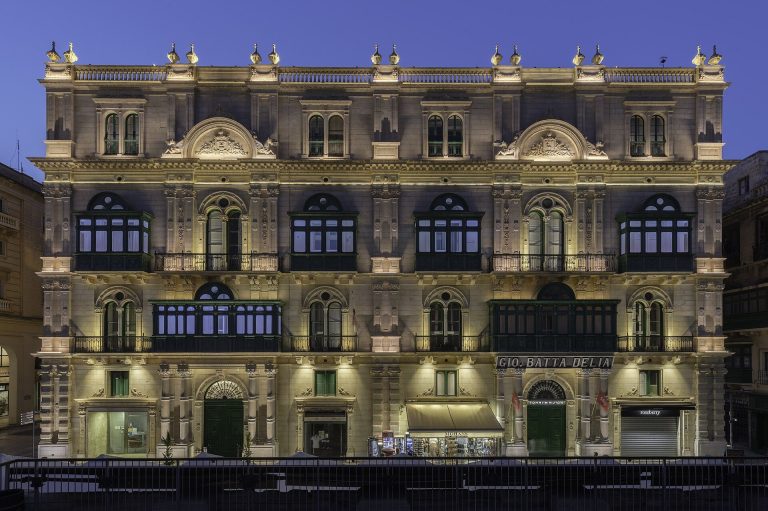
Palazzo Ferreria is a late nineteenth-century palace in Valletta, Malta, built on the site of a former Order of St John foundry and later used during…
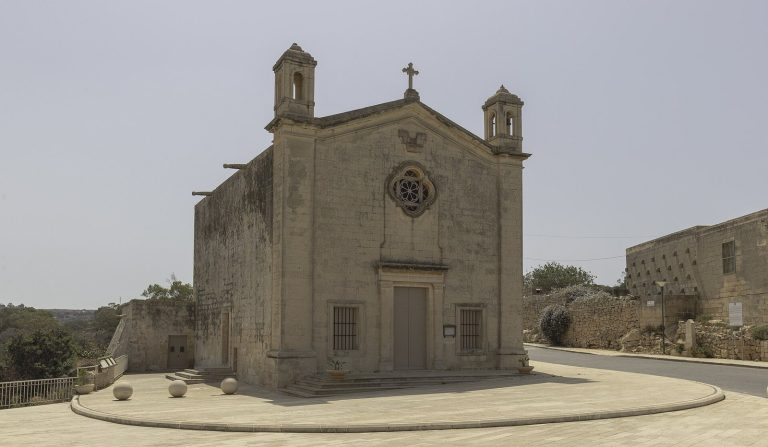
St. Matthew's Chapel is a medieval limestone chapel beside the il-Maqluba sinkhole in Qrendi, Malta. Its history extends from at least the fourteenth…
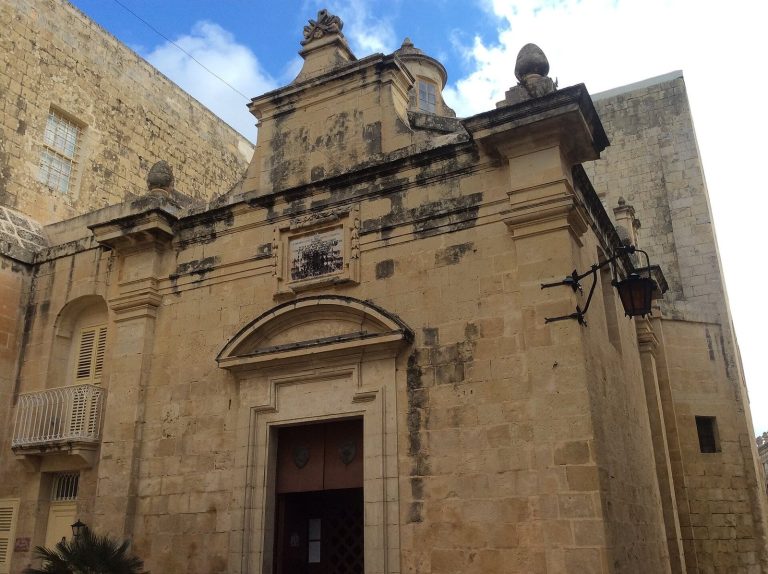
St Agatha's Chapel in Mdina preserves a history reaching back to the early fifteenth century and was rebuilt in Baroque form after the 1693…
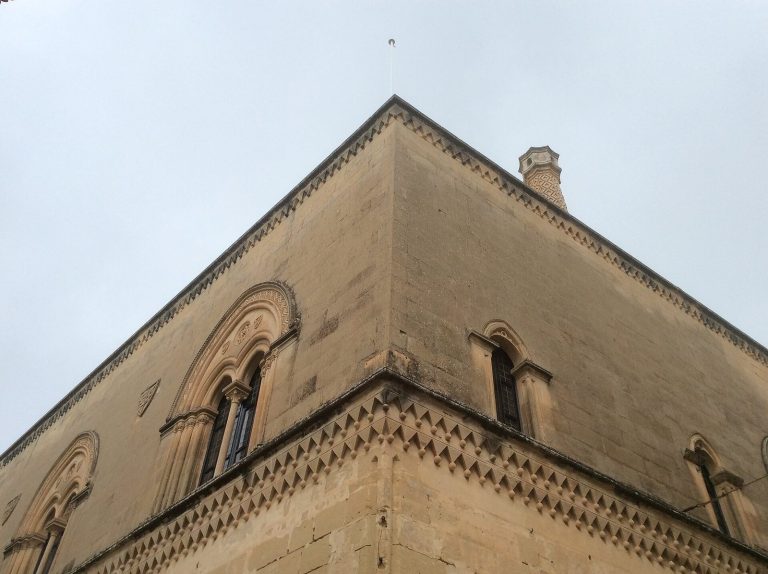
Palazzo Santa Sofia is a medieval palace in Mdina whose ground floor dates to 1233. Its courtyard plan, limestone façade, carved date, and later…
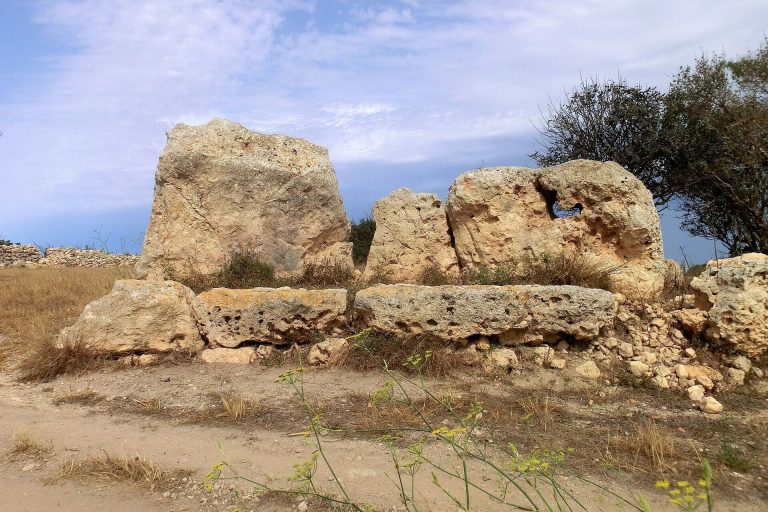
Santa Verna at Xagħra on Gozo preserves the remains of a Neolithic settlement and temple developed around 3400 BC during Malta’s Ġgantija phase.
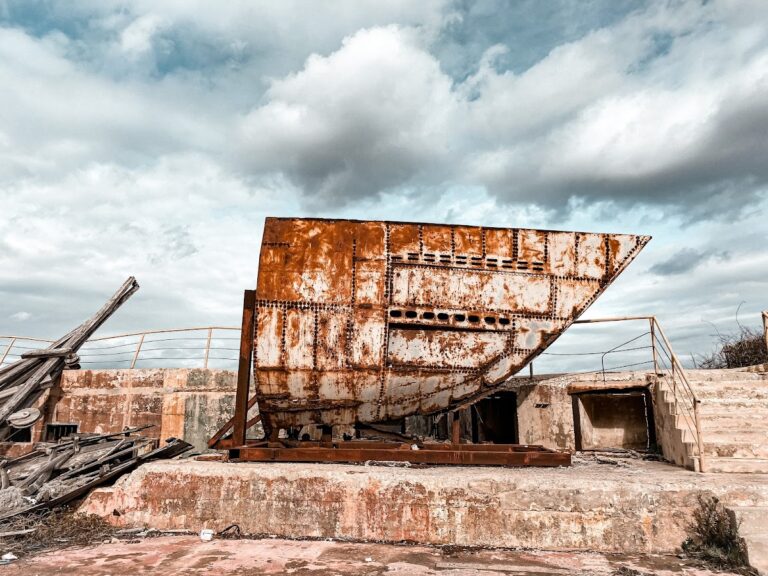
Fort St. Rocco in Kalkara was built by the British between 1872 and 1873 to defend the eastern approach to Grand Harbour. Rebuilt in 1900, it…
For details on how to use the maps, which sites are included, how popularity and ratings are determined, and how sites are classified, see the help page.
On this page6 sections
Megalithic temples
The Megalithic Temples of Malta encompass complexes built chiefly during the fourth and third millennia BC. Their entrances commonly use two upright stones supporting a heavy lintel. Beyond them, paved passages lead into pairs of curved chambers, with larger complexes extending through additional doorways into further rooms.
At Tarxien, one temple has six apses, or curved chambers, arranged along its central route. Across the group, harder limestone was commonly used for exterior walls and softer stone for internal features and carving. Reliefs include spirals, plants and animals. The walls and doorways preserve substantial parts of these buildings, although no temple retains its complete roof and the original roofing systems remain uncertain.
Roman houses and mosaic floors
The Domvs Romana preserves decorated floors from an aristocratic house in Roman Melite. Its rooms were organised around a colonnaded court, whose mosaic includes birds perched on a bowl and a geometric border creating an illusion of depth. Smaller tesserae, the pieces forming the mosaic, were used for the detailed central image, with larger pieces around it. The columns have been renewed, but much of the mosaic flooring survives from the house itself.
Catacombs and burial chambers
In Rabat, St Paul’s Catacombs contain interconnected passages and tombs cut beneath the former outskirts of Melite. Some tombs take the form of canopies with four arches supported by pillars. Two entrance halls contain circular rock-cut tables on low platforms, probably used for meals commemorating the dead. These features preserve both the burial arrangements and spaces for the families who returned to them.
Harbour forts and gun batteries
Fort St Angelo occupies a promontory at Birgu in the Grand Harbour. The Order of Saint John adapted an earlier medieval castle, adding bastions, elevated gun positions and batteries near the water. Later rebuilding created several batteries facing the harbour entrance, followed by further changes under British rule. Within the upper fort, residential buildings and chapels survive alongside the successive defensive works.
Fort Manoel has a more regular plan: a square enclosure with a bastion at each corner. Additional works protected the entrance and landward approach, while barracks and an armoury surrounded the interior piazza. Its chapel was reconstructed after wartime destruction. The distinction between the two forts lies partly in their development: St Angelo grew around an older castle, while Manoel was laid out as a planned artillery fort.
Palaces and administrative buildings
The Grandmaster’s Palace occupies an entire block in Valletta. Built as the residence and administrative headquarters of the Order’s Grand Masters, it has a relatively restrained limestone exterior, later embellished with ornate entrance portals and long enclosed timber balconies.
Inside, two courtyards organise the complex. Arcades line Neptune’s Courtyard, where a bronze statue was relocated from an earlier position in the city. Prince Alfred’s Courtyard contains an eighteenth-century clock tower with dials for time and calendar information. The courtyards were originally a single stepped space before a later wing divided them, leaving a visible record of the palace’s enlargement.
Explore the collection
Explore sites on the map or in the grid. Map icons indicate each site’s primary function, helping you identify different kinds of places at a glance. Narrow the results by primary function, site type, civilization or era, with additional filters for popularity and rating. Select a map marker to view the site’s details and open its article, or open the article from its grid entry.