Historic Sites in Lithuania: Explore Castles, Fortified Residences and Churches
Explore historic sites in Lithuania, including island castles, riverside residences, bastioned strongholds, cathedrals and brick Gothic churches. Historic residences and fortifications form much of the collection. The examples below include the lake setting of Trakai, the residential wings of Panemunė and Biržai, and church interiors in Vilnius.
Primary Function: All
Type: All
Civilization: All
Popularity: All
Rating: All
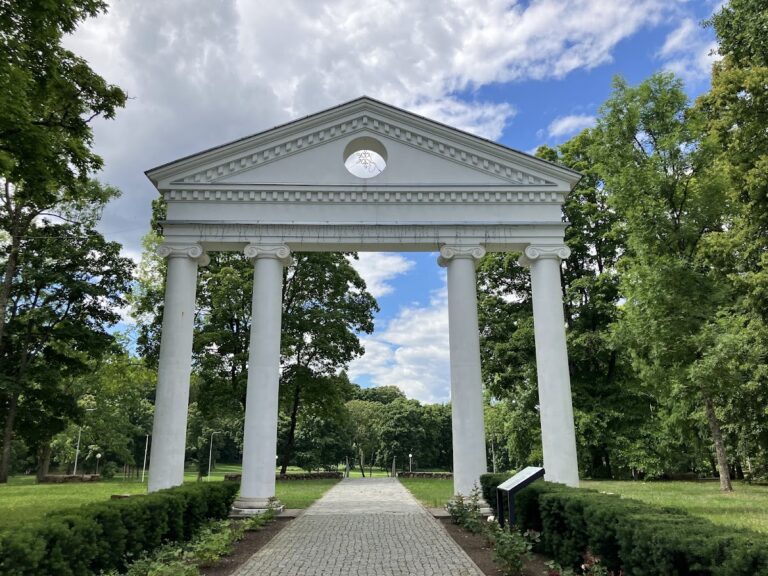
Jurbarkas Manor developed from a royal holding into an extensive noble estate shaped by the Radziwiłł, Potocki, Zubov, and Vassiltchikov families.…
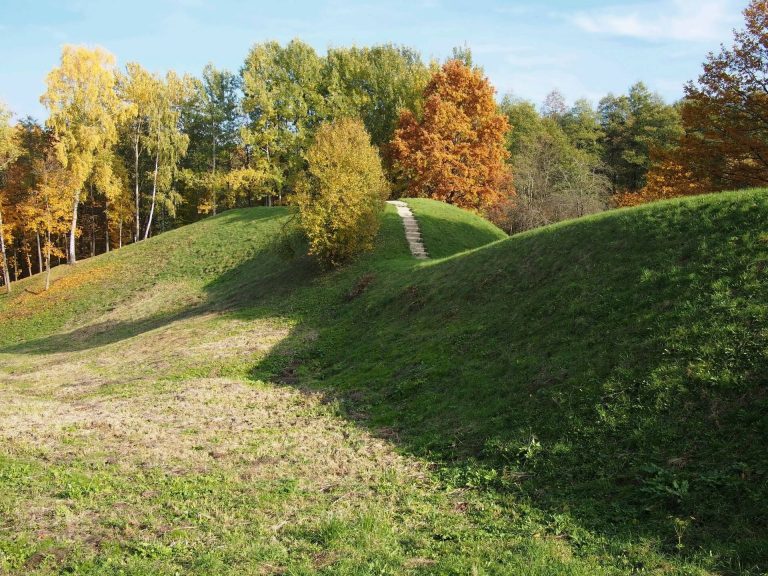
The Sudargas hillforts, also known as the Grinaičiai hillforts, form a multi-period fortified complex near the Nemunas in western Lithuania, with…
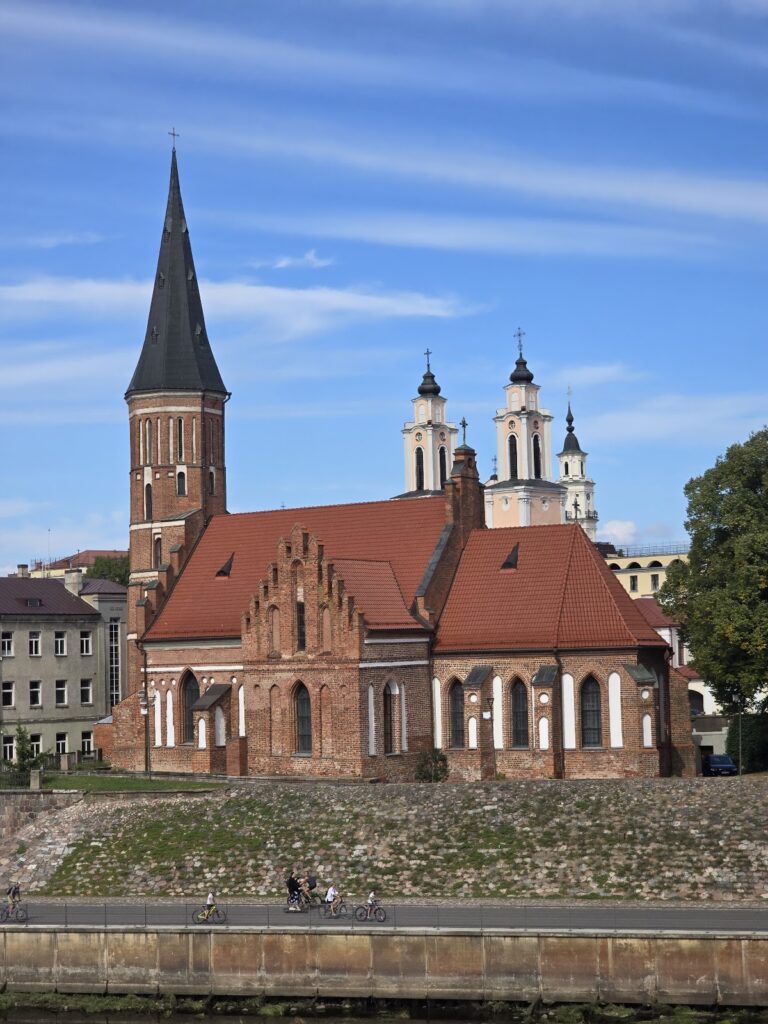
The Church of Vytautas the Great is a historic Roman Catholic church in Kaunas, traditionally associated with Grand Duke Vytautas and known as the…
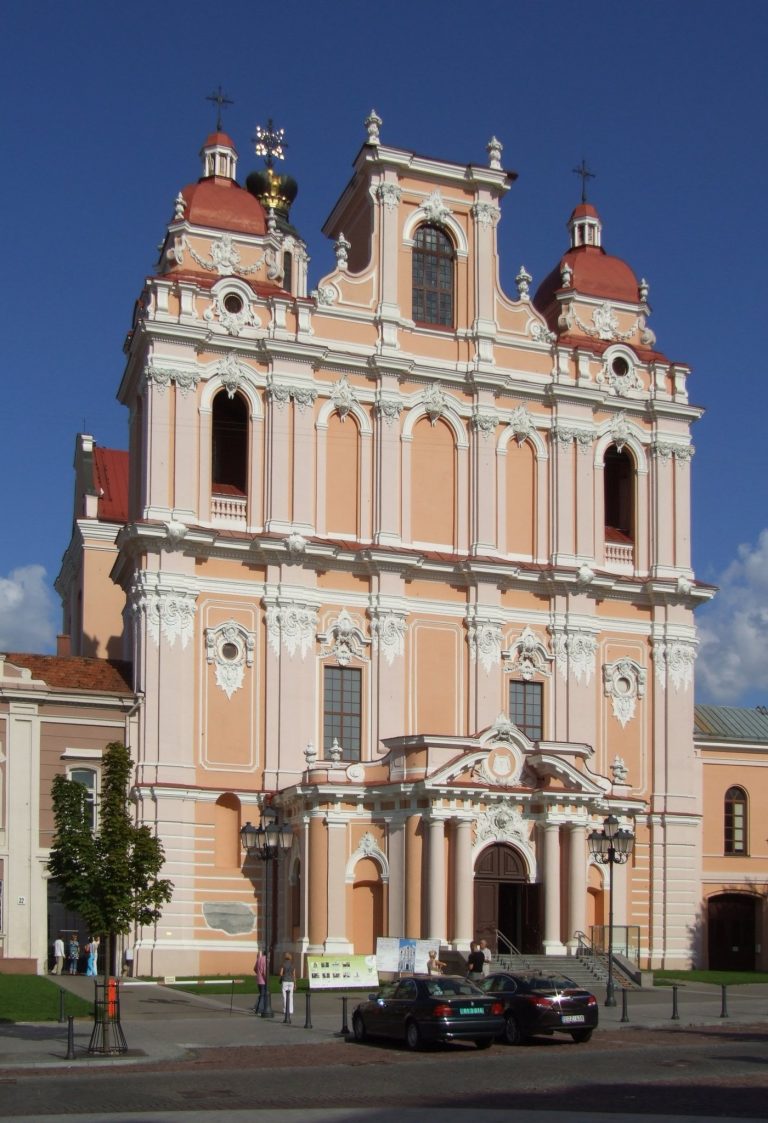
The Church of St. Casimir in Vilnius is a Roman Catholic Jesuit church begun in 1604 after Saint Casimir’s canonization. Its history includes Baroque…
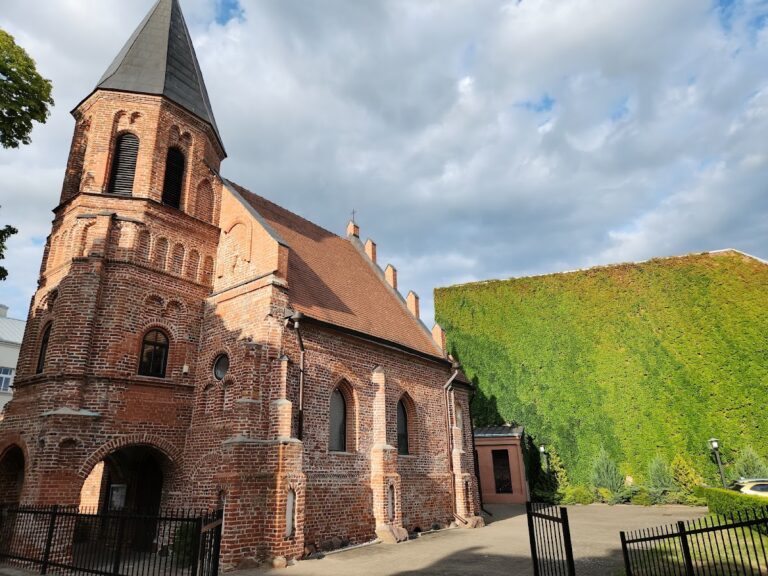
The Church of St. Gertrude in Kaunas is a late medieval Roman Catholic monument whose history includes parish development, religious hospital work,…
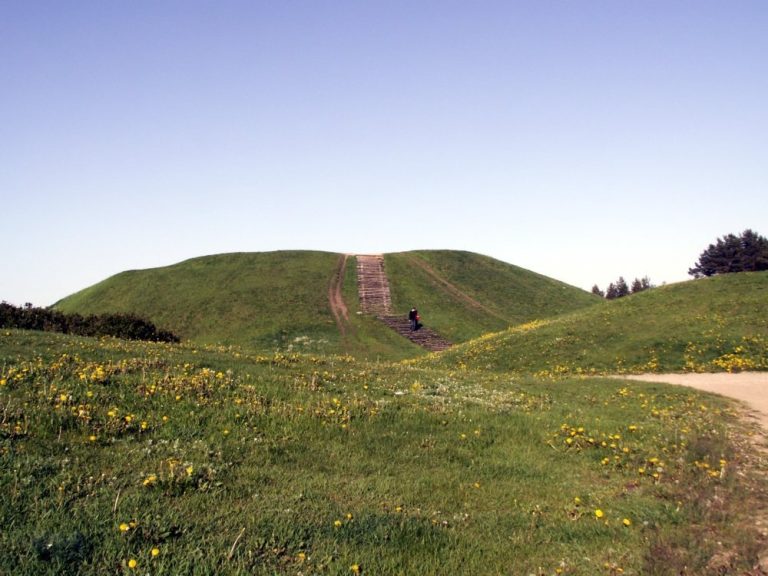
Salduvė Hillfort, also called Salduvės Kalnas, is a first-millennium to fourteenth-century hillfort in Šiauliai, Lithuania, later altered by military…
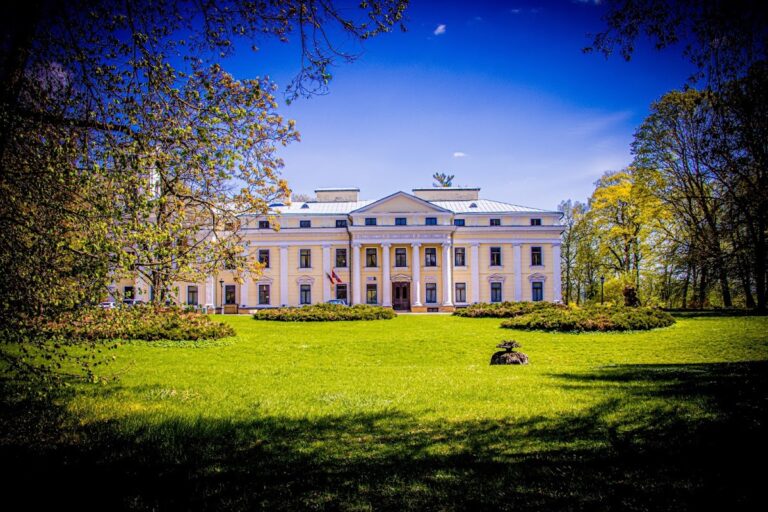
Verkiai Palace is a historic estate near Vilnius whose long development reflects Lithuania’s pagan past, Catholic ecclesiastical history, late…
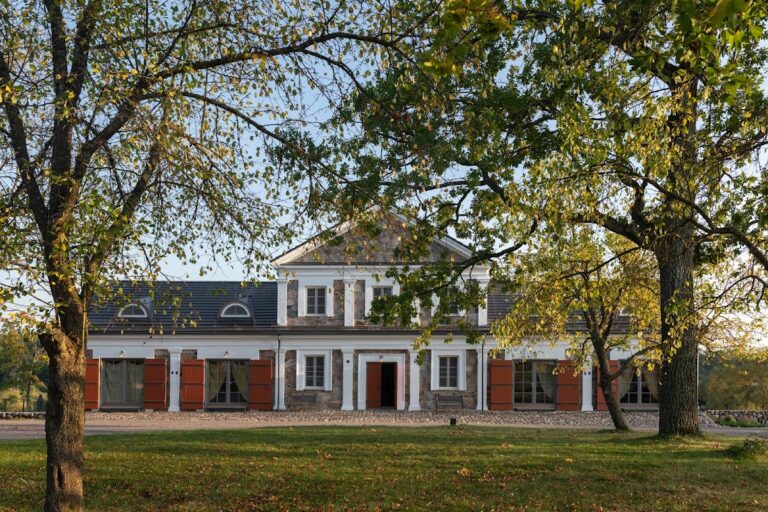
Paliesius Manor is a Lithuanian estate with seventeenth-century origins, major eighteenth-century development under Kazimierz Jan Kublicki, and…
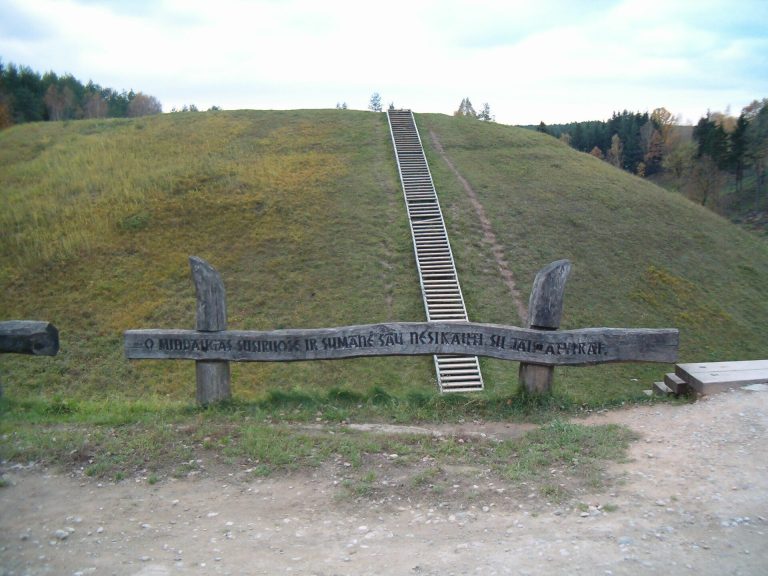
Šeimyniškėliai hillfort, associated with King Mindaugas’s Voruta Castle, preserves evidence of a thirteenth-century wooden stronghold, later…
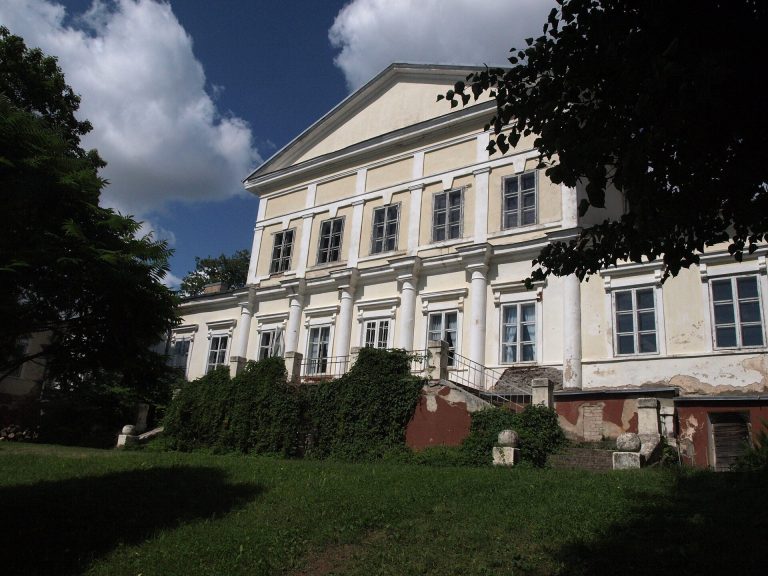
Salos Manor in Salos, Lithuania, developed from a Radziwiłł hunting estate into a Moriconi and Tyzenhauz residence known for education, cultural…
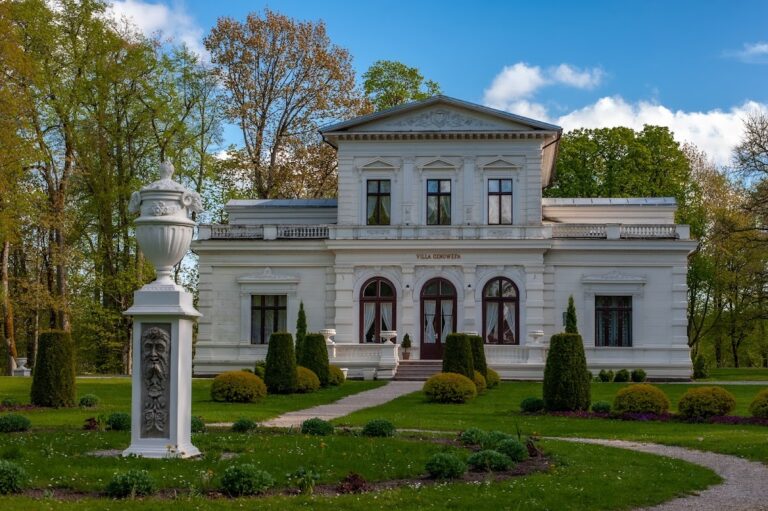
Švėkšna Manor traces its history from a fifteenth-century Samogitian estate to the Broël-Plater family residence, with Villa Genowefa and surviving…
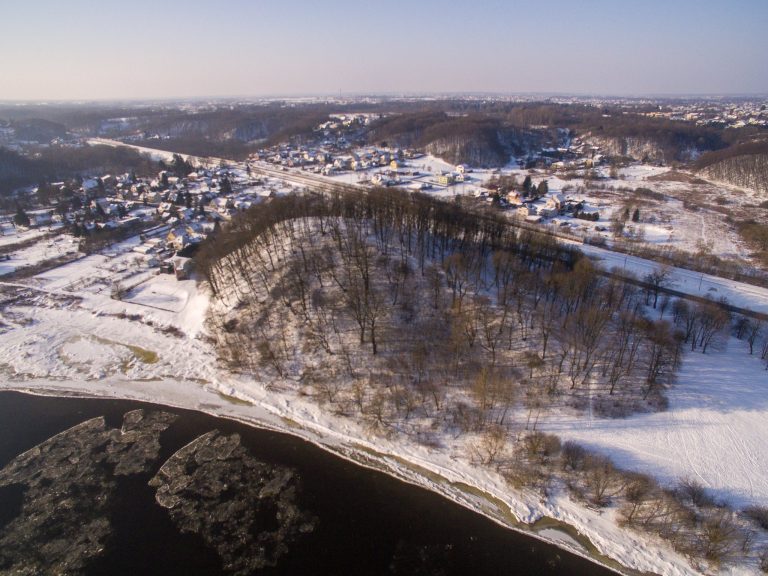
Napoleon’s Hill is a first-millennium hillfort on the Nemunas in Kaunas, associated with Napoleon Bonaparte’s observation of the Grande Armée…
For details on how to use the maps, which sites are included, how popularity and ratings are determined, and how sites are classified, see the help page.
On this page5 sections
Castles and riverside residences
Trakai Island Castle occupies an island in Lake Galvė. Its princely palace and fortified forecourt form separate parts of the complex, divided by a moat and connected through controlled gateways. The brick palace has residential wings around a courtyard and a tall principal tower. Extensive twentieth-century reconstruction gave the ensemble an appearance intended to represent its fifteenth-century form.
Panemunė Castle stands above the Nemunas. Its early-seventeenth-century residence combined an eastern residential wing with a northern service wing, connected by defensive walls and towers. Later work introduced more elaborate reception rooms and opened the southern side towards the park and river. The building’s successive changes emphasised its role as an aristocratic residence within a setting that had earlier defensive importance.
Bastioned forts and palace enclosures
Biržai Castle was a principal Radziwiłł stronghold. Its defences used projecting bastions, earth embankments and water-filled moats. Hydraulic works created Lake Širvėna and linked the surrounding water to the fortress’s protective system. The courtyard originally accommodated a palace, church, arsenal, barracks and stores.
Seventeenth-century rebuilding changed the form of the bastioned works, while the palace later fell into ruin. The standing palace was reconstructed in the late twentieth century, with some rooms replanned for new uses. The site therefore combines a historic defensive layout with a reconstructed residential building; its palace interior should not be treated as an untouched survival from the Radziwiłł household.
Cathedrals and chapels
Vilnius Cathedral presents a monumental six-column portico and triangular pediment towards Cathedral Square. Its symmetrical exterior belongs to eighteenth- and early-nineteenth-century Classicism, while the internal arrangement preserves elements of an older Gothic hall church.
Earlier chapels were incorporated into the unified outer walls and roof. A domed sacristy balanced the Chapel of Saint Casimir, helping produce the regular exterior composition. The regular Classical exterior encloses older Gothic elements and chapels from successive building campaigns.
Brick Gothic churches
The Church of St Anne in Vilnius is a narrow, single-nave church with a densely modelled brick façade. Three rising elements, pointed openings and slender pinnacles organise the front. Buttresses support the side walls and become decorative features around the polygonal sanctuary. Its elaborate exterior belongs to a relatively compact interior plan.
The adjoining Church of St Francis and St Bernard has a much broader three-aisled hall. High pillars divide the interior, while buttresses strengthen its outer walls. Firing openings beneath the roof and stair towers leading to a defensive gallery record its incorporation into the city’s fortifications.
Explore the collection
Explore sites on the map or in the grid. Map icons indicate each site’s primary function, helping you identify different kinds of places at a glance. Narrow the results by primary function, site type, civilization or era, with additional filters for popularity and rating. Select a map marker to view the site’s details and open its article, or open the article from its grid entry.