Napoleon’s Hill: The Jiesia Hillfort in Kaunas, Lithuania
Site at a Glance
- Rating
- 4.6
- Popularity
- Low
- Country
- Lithuania
- Primary era
- Medieval
- External website
- Open
- Eras represented
- Classical, Medieval, Modern
- Civilizations
- Unclassified
- Site type
- Military
- Remains
- Fort
On this page8 sections
History
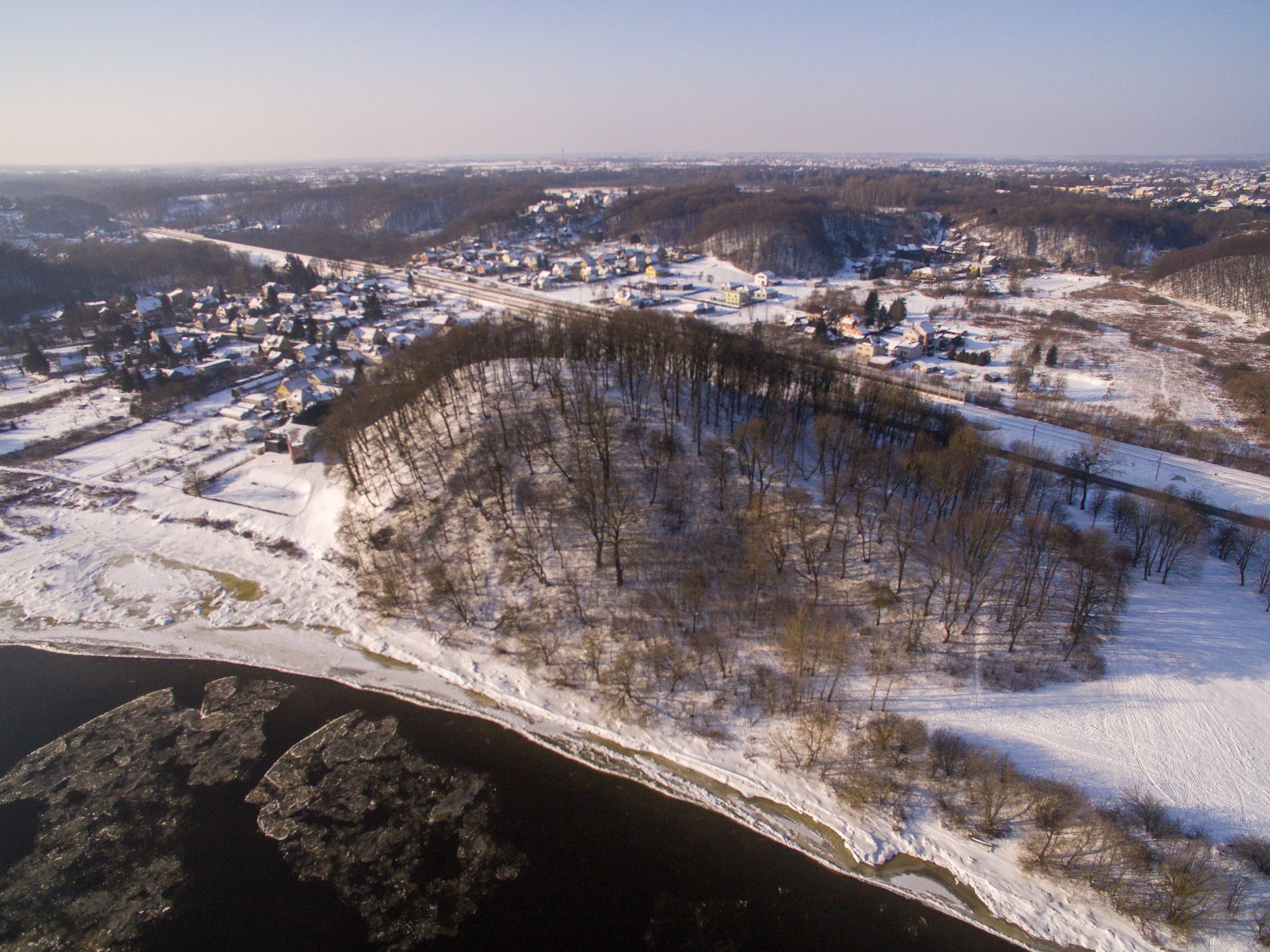
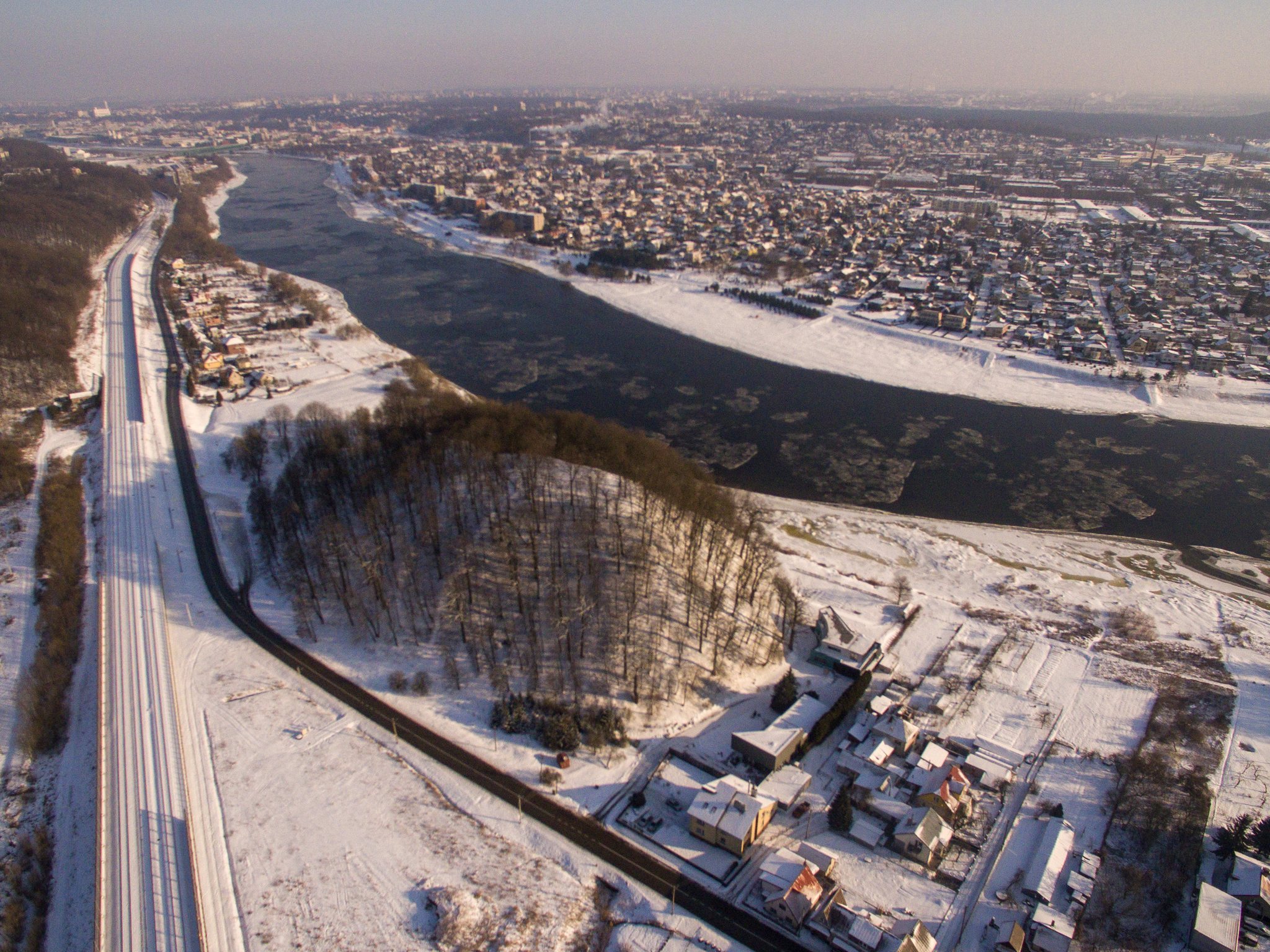
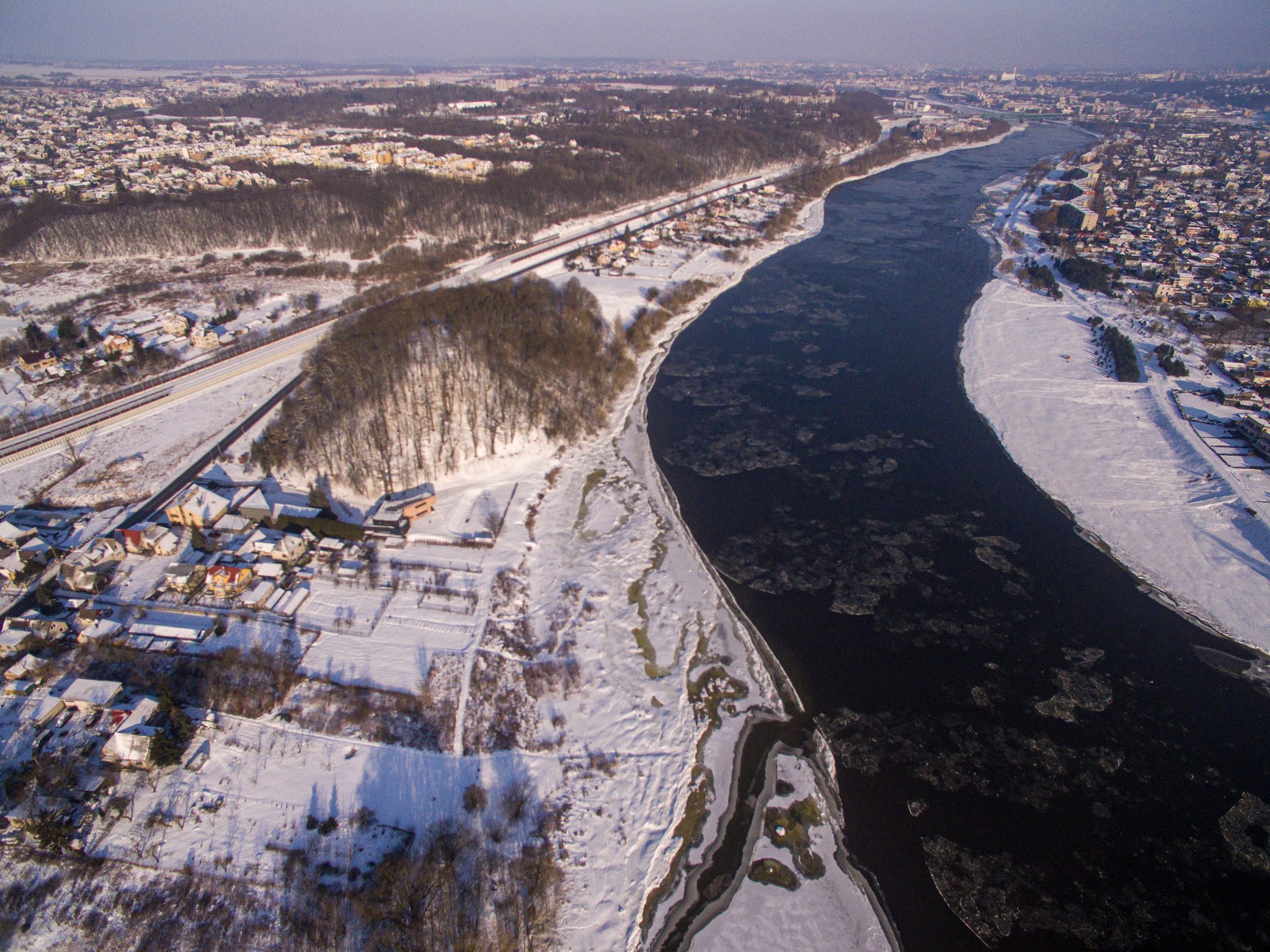
Napoleon’s Hill is the Jiesia Hillfort in Kaunas, Lithuania, a first-millennium defensive site formed by adapting a natural hill. Also known as Pajiesys Hillfort, it stands above the Nemunas and later became associated with Napoleon Bonaparte’s observation of the French army’s river crossing during the 1812 invasion of the Russian Empire.
Early settlement and the hillfort
The hillfort was created from a naturally elevated position whose steep slopes could be used for defense. An ancient settlement occupied the southern and northern foothills. Pottery made both by hand and on a wheel has been found there, together with a cultural layer, an accumulated archaeological deposit containing traces of past human activity, dating from the fourteenth to the seventeenth centuries.
Napoleon’s observation point
Since the nineteenth century, the hillfort has also been called Napoleon’s Hill. The name refers to Napoleon’s presence during the opening of his 1812 campaign against the Russian Empire. On 23 June, he arrived near the Nemunas at Panemunė, where the 6th Polish Cavalry Regiment, part of Józef Niemojewski’s brigade, was stationed. Wearing Colonel Mykolas Pongovskis’s surtout, an overcoat worn over a uniform, and hat, Napoleon reconnoitred the river from Panemunė to Aleksotas.
General Jean-Baptiste Éblé directed the bridge-building unit of the Grande Armée, Napoleon’s multinational imperial army. On Napoleon’s orders, the unit prepared three bridges across the Nemunas, with 300 metres between them. Two were planned between Panemunė and the Jiesia River, while the third was placed on the left side of the Jiesia, opposite the hill from which Napoleon chose to command the crossing. The operation began at 22:00 on 23 June, and Napoleon observed the army crossing on 24 and 25 June 1812.
Protection and commemoration
In 1913, marking the centenary of Napoleon’s campaign, Tsar Nicholas II visited the hill and intended to erect a commemorative monument. The plan was not completed because of subsequent historical circumstances. The hill became part of the Jiesia Landscape Reserve, established in 1960, and entered the Republic of Lithuania’s register of cultural monuments on 31 December 1997.
On 19 March 2019, the French ambassador to Lithuania, Claire Lignières-Counathe, and Kaunas mayor Visvaldas Matijošaitis unveiled an information panel in the upper observation area. The panel commemorates the 1812 river crossing. New stairs, 127 metres long, were also installed to the summit. Traditional Baltic festivals are held on the hill.
Remains
Hillfort and landscape setting
The Jiesia Hillfort occupies the left bank of the Nemunas in Kaunas, between the Panemunė Bridge and the Railway Bridge. The Jiesia River enters the Nemunas southeast of the hill. The hill rises about 63 metres, with stated measurements of 63.3 and 63.6 metres. Its steep slopes are covered with deciduous trees, while the upper area contains an observation platform and the information panel connected with the 1812 crossing.
Settlement remains
Archaeological remains extend through the southern and northern foothills, where the ancient settlement was located. Coarse and wheel-made pottery belongs among the finds from this area. The cultural layer dating from the fourteenth to the seventeenth centuries preserves accumulated traces of human activity associated with the settlement.
Napoleonic commemoration
Near the hillfort stands a reproduction of Emperor Napoleon Observing the Grande Armée Crossing the Nemunas, 12 (24) June 1812. The reproduction is 6 metres wide and 3 metres high. The original painting was made in 1814 by Ignaz Sebastian Klauber and Giuseppe Pietro Bagetti.