Historic Sites in Greece: Explore Ancient Cities, Castles and Monasteries
Explore more than 300 historic sites in Greece, including Bronze Age palaces, ancient cities, medieval fortifications, theatres and monasteries. Religious sites and defensive structures form the largest groups in the collection. Examples from Crete, the Peloponnese, Delos, Athens, Rhodes and Meteora show surviving walls, residential quarters, performance spaces and churches, with major reconstructions distinguished from earlier fabric.
Primary Function: All
Type: All
Civilization: All
Popularity: All
Rating: All
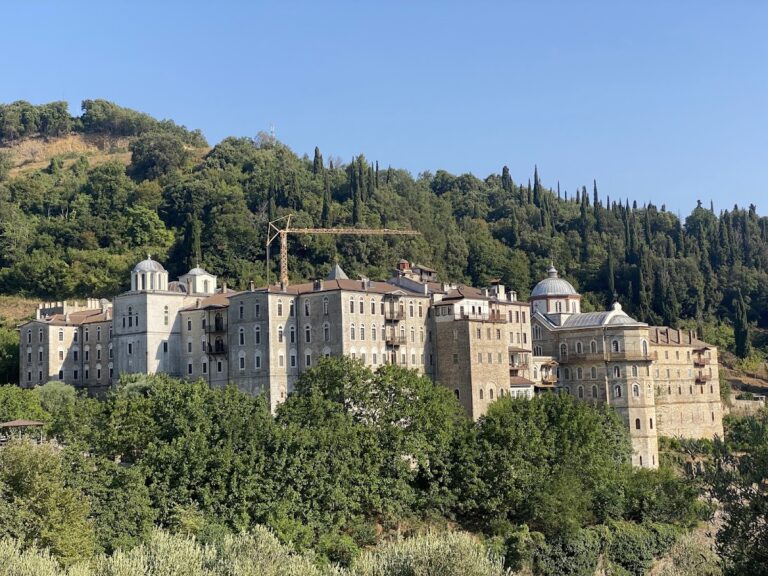
Zografou Monastery is a Bulgarian Orthodox foundation on Mount Athos, Greece, with traditions reaching back to 919. Its history includes medieval…
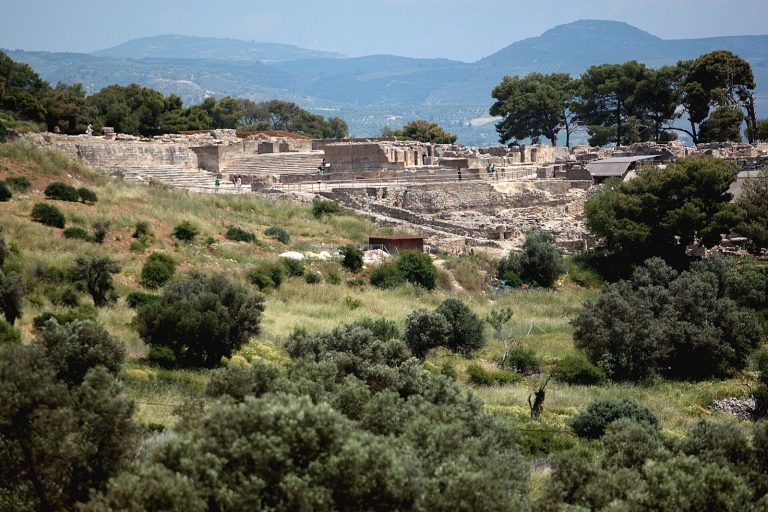
Phaistos is a major Bronze Age settlement in south-central Crete, shaped by Minoan palace culture and later Greek occupation. Its remains include a…
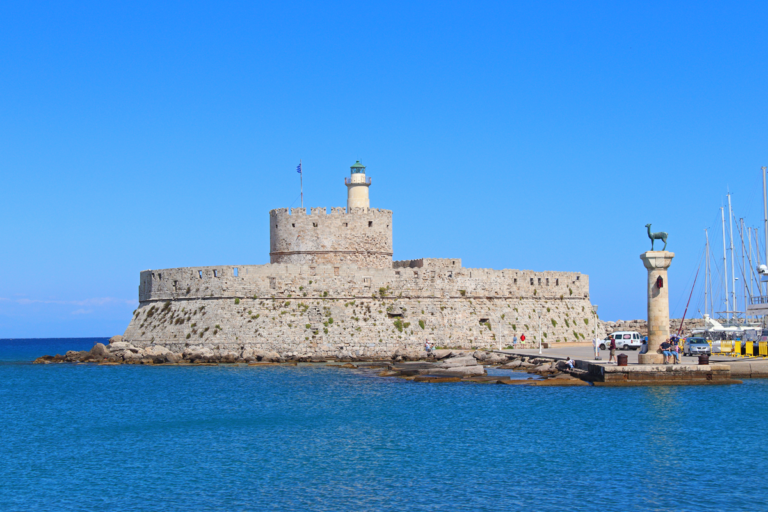
The Fort of Saint Nicholas is a medieval maritime fortress on Rhodes’s Mandraki pier, built by the Knights Hospitaller and later strengthened after…
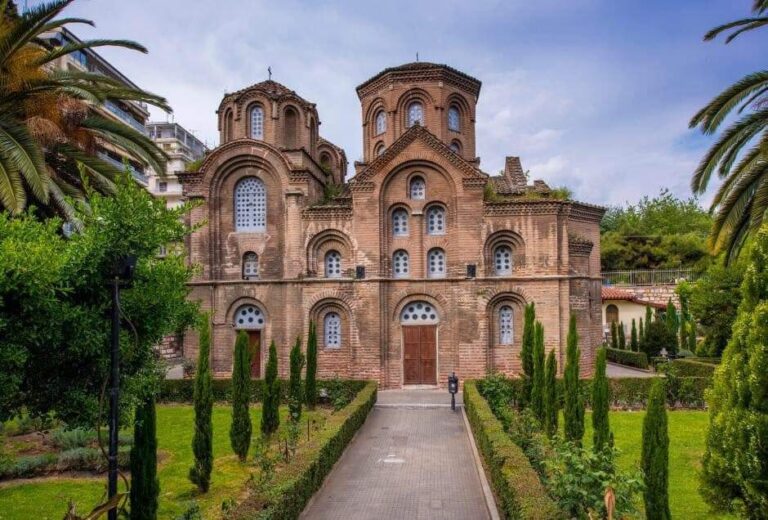
Built in 1028, the Church of Panagia Chalkeon is a Byzantine Greek Orthodox church known for its brick architecture, complex mural program, and long…
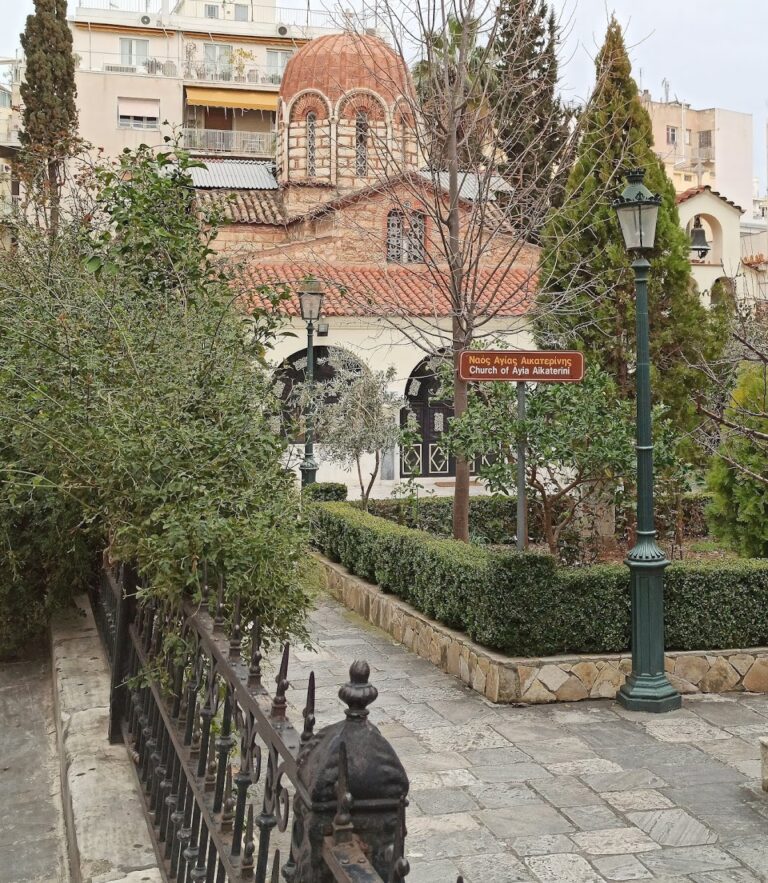
Agia Aikaterini is an Eastern Orthodox Byzantine church in southeastern Plaka, Athens. Built probably in the eleventh century, it preserves a…
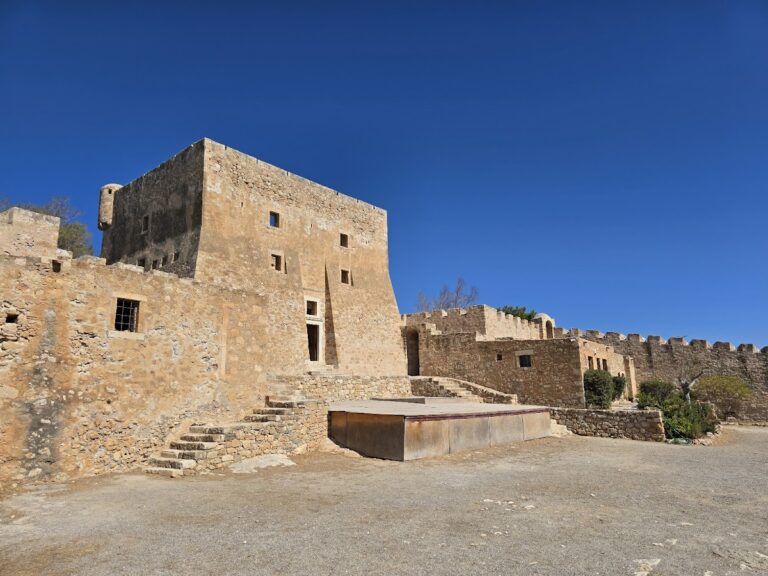
Kazarma Fortress above Sitia’s port reflects Byzantine origins, Venetian repairs and development, Ottoman reconstruction, and the military changes…
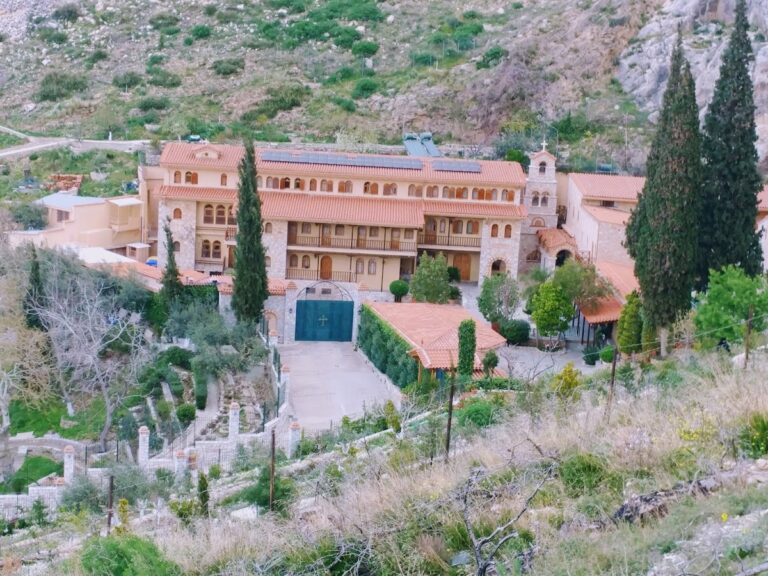
The Monastery of Agios Ioannis Kareas is a Byzantine monastery in Attica dedicated to Saint John the Baptist, with a proposed fourth-century…
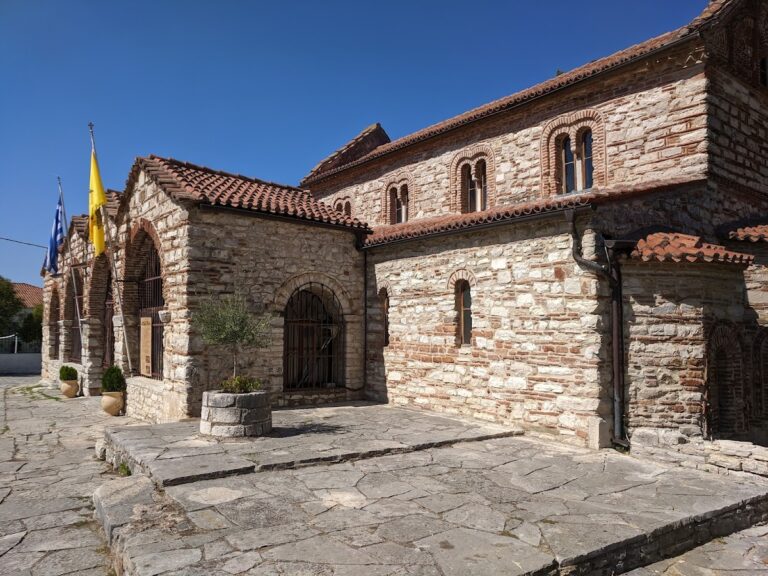
The Church of St. Theodora in Arta began as an eleventh-century basilica and women’s monastery. Renovated by Theodora of Epirus in 1270, it preserves…
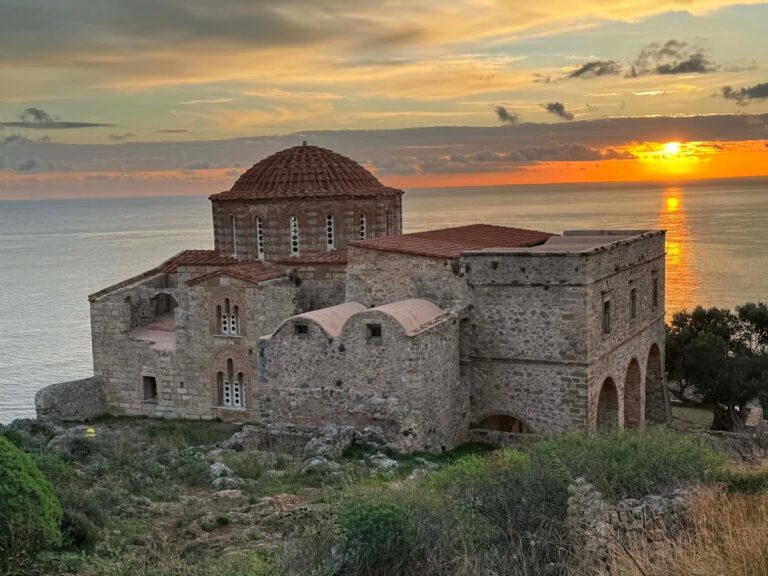
The Church of Agia Sofia is a Byzantine cross-in-square church in Monemvasia’s former upper town, shaped by successive Byzantine, Venetian, Ottoman,…
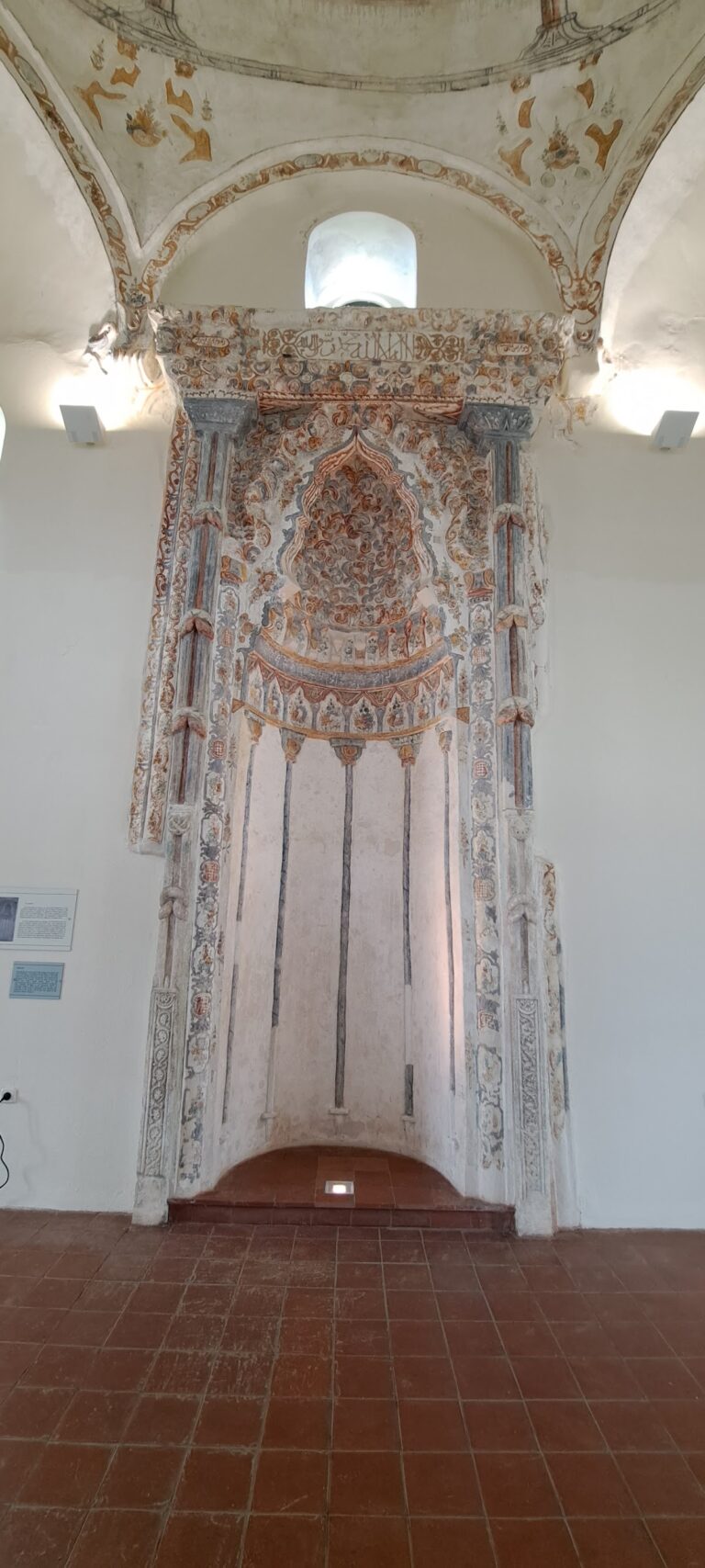
Fethiye Mosque in Ioannina Castle reflects the city’s transition from Byzantine to Ottoman rule and its later association with Ali Pasha Tepelena.
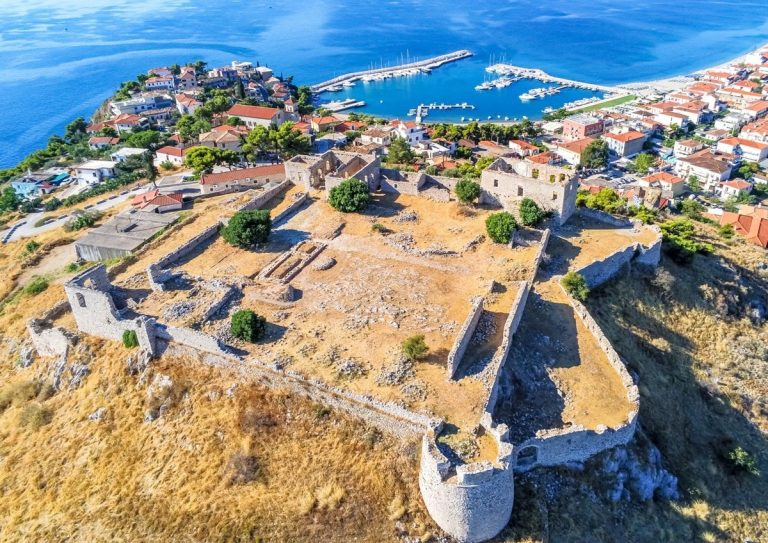
Paralio Astros Castle is a hilltop fortification in Greece, known for its role in the Greek War of Independence and its later association with the…
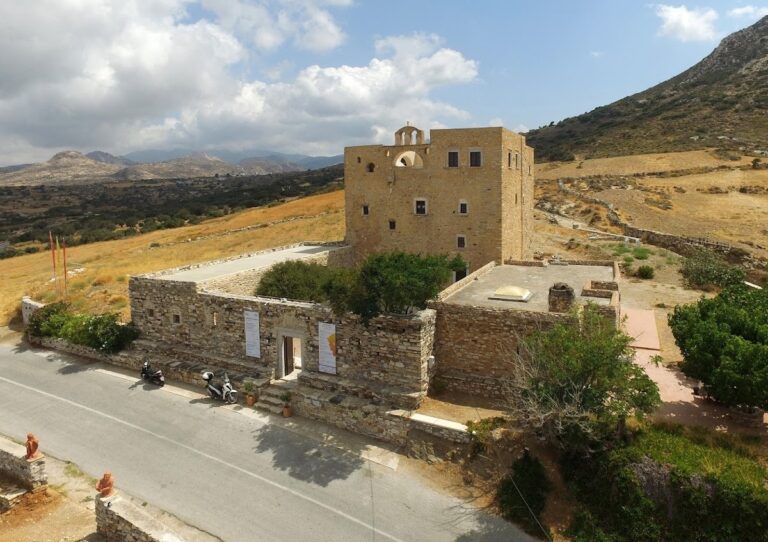
Bazeos Tower is a former Orthodox monastery on inland Naxos, built around 1600 and later transferred to the Greek state, sold to the Bazeos family,…
For details on how to use the maps, which sites are included, how popularity and ratings are determined, and how sites are classified, see the help page.
On this page5 sections
Palaces and fortified centres
At Knossos on Crete, the Minoan palace developed through repeated rebuilding and enlargement. Its rooms served administration, storage, craft production and ritual activity. Large storage vessels were found in parts of the western wing.
The extensive palace complex was not fortified. Its visible appearance also includes modern reconstructions by Arthur Evans, using reinforced concrete and colour to suggest upper structures and decorated interiors. These additions need to be distinguished from the ancient masonry when interpreting the site.
The Fortifications of Mycenae in the Peloponnese enclose a very different Bronze Age centre. Thick stone walls follow the citadel’s rocky summit for approximately 900 metres, with the Lion Gate forming the principal entrance.
The walls are several metres thick, and bastions protected the main gateways. The citadel overlooked the Argolid plain and routes leading towards the Corinthian Isthmus. Its perimeter makes defence a visible part of the settlement’s arrangement.
On Rhodes, the Palace of the Grand Master served as a fortified residence and headquarters for the Knights Hospitaller. It occupies the highest part of the medieval city on the site of an earlier Byzantine citadel.
The standing palace owes much of its present form to an extensive reconstruction of 1937–1940. The present building therefore includes substantial twentieth-century work on the Hospitaller site.
Ancient cities and medieval towns
Delos contains both a sanctuary associated with Apollo and extensive residential and commercial districts. A Sacred Way led from the harbour area towards the sanctuary, passing porticoes and gathering spaces.
In the houses, courtyards and mosaic floors preserve details of domestic architecture. The House of Dionysus contains a mosaic showing the god riding a tiger, made with small pieces of stone that allowed detailed figures and decoration. The excavated town extends well beyond its temples.
Mystras began with a Frankish fortress in 1249 and passed to Byzantine control in 1262. Houses and churches spread down the hillside below the castle, forming upper and lower districts connected by narrow streets and paths.
The steep terrain shaped the town: terraces accommodated buildings, and wheeled movement was impractical. The Palace of the Despots occupied a principal terrace, while the fortress remained above the settlement.
Roman theatres and odeons
The Odeon of Herodes Atticus in Athens belongs to the Roman period. Herodes financed it in memory of his wife Regilla during the second century AD. Its semicircular auditorium was built against the Acropolis slope and accommodated about 5,000 spectators.
Passages divided the marble seating into sections. Substantial twentieth-century work restored the seating, so the building combines ancient remains with the reconstruction of its auditorium.
Churches and monasteries
The Monastery of the Holy Trinity occupies the summit of a rock formation above the Thessalian plain. Its main church dates to the fifteenth century, and the complex also contains monastic cells and a chapel cut into the rock.
The chapel of Saint John the Baptist preserves seventeenth-century frescoes. Buildings and circulation routes occupy the limited space at the summit, with a stone stairway forming part of the approach. The monastery’s arrangement follows the available rock surface rather than a regular ground plan.
Explore the collection
Explore sites on the map or in the grid. Map icons indicate each site’s primary function, helping you identify different kinds of places at a glance. Narrow the results by primary function, site type, civilization or era, with additional filters for popularity and rating. Select a map marker to view the site’s details and open its article, or open the article from its grid entry.