Monastery of Agios Ioannis Kareas: A Byzantine Monastic Community in Greece


Site at a Glance
- Rating
- 4.7
- Popularity
- Low
- Country
- Greece
- Primary era
- Medieval
- External website
- Open
- Eras represented
- Medieval
- Civilizations
- Byzantine
- Site type
- Religious
- Remains
- Monastery
On this page7 sections
History
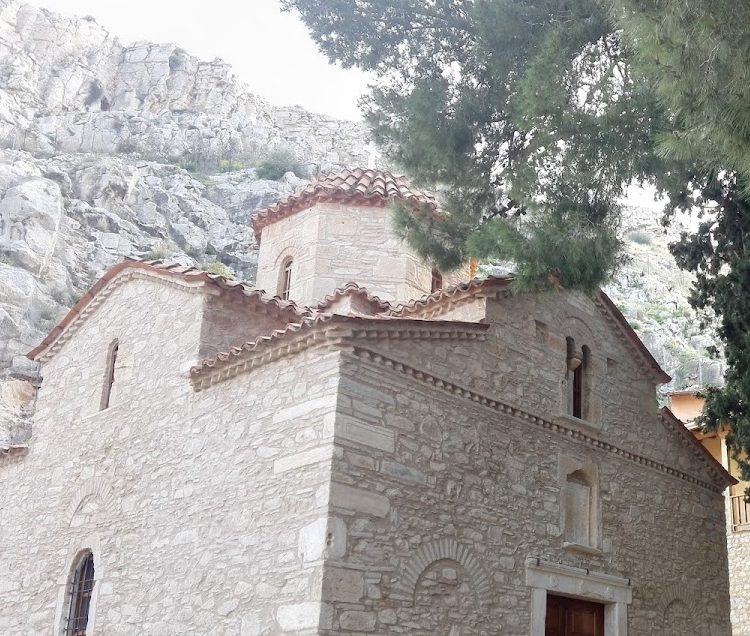
The Monastery of Agios Ioannis Kareas is a Byzantine monastery in Greece, probably founded in the fourth century and dedicated to Saint John the Baptist, the Christian prophet and ascetic regarded in the Gospels as the forerunner of Jesus. It stands in the municipality of Vyronas, on the western slope of Mount Hymettus near the Kareas quarries, at an elevation of approximately 490 metres.
Early Foundation and Byzantine Development
The proposed fourth-century foundation is linked to a surviving funerary stone inscribed “Nikagoris Diakonissis.” The inscription refers to a deaconess, a woman serving in an early Christian ecclesiastical ministry. An older inscription set into the church floor may also point to an early Christian prayer house at the site.
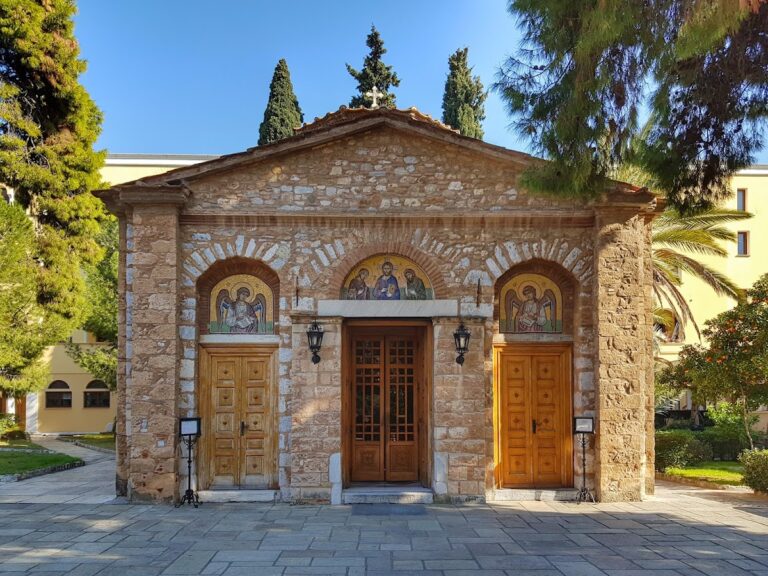
The monastery’s old principal church, or katholikon, was probably built during the last quarter of the eleventh century. A katholikon is the main church of an Orthodox monastery, and the existing monastic buildings are associated with this period.
Later Administration and Religious Life
The monastery was originally a patriarchal stauropegion, meaning that it stood directly under the authority of the patriarchate rather than a local bishop. Its first known date is 1575, when it was probably renovated. It later functioned as a metochion, a dependent monastic establishment or estate attached to the Petraki Monastery in Athens.
Agios Ioannis Kareas was abandoned around 1673. Since 1972, it has been a sovereign and independent women’s monastic community within the Church of Greece. The monastery also holds archaeological-site and protected-building status in Greece.
Remains
The surviving complex is centered on an eleventh-century cross-in-square church, whose dome is carried by four columns. Its remains preserve evidence of several periods of religious use, including the later form of the principal monastic church and indications of an earlier Christian place of prayer.
Principal Church and Earlier Evidence
Old Katholikon
The old katholikon follows the cross-in-square plan, with a central dome supported by four columns. It probably dates from the last quarter of the eleventh century, the period associated with the present buildings. Wall paintings survive only in the Prothesis, the sanctuary chamber where the Eucharistic offerings are prepared; the other paintings have been lost.
Inscriptions and Funerary Stone
An old inscription remains set into the floor on the right side of the church. It may indicate that an early Christian prayer house existed at the site before the present church. The funerary stone bearing the inscription “Nikagoris Diakonissis” provides the material association for the proposed fourth-century foundation and preserves the memory of a deaconess connected with the early Christian community.