Historic Sites in Albania: Explore Ancient Cities, Castles and Byzantine Churches
Explore historic sites in Albania, including Greek and Roman towns, hilltop castles, Byzantine churches and Ottoman houses. The collection ranges from excavated streets and performance buildings to inhabited castle quarters, where homes and churches remain within defensive walls. The examples below range from the southern coast and lagoons to Shkodër and the Roman port of Durrës.
Primary Function: All
Type: All
Civilization: All
Popularity: All
Rating: All
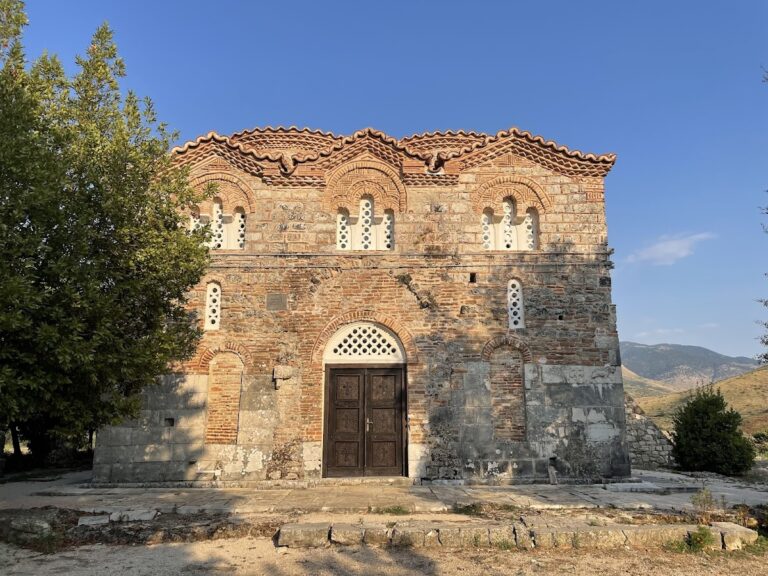
St. Nicholas' Monastery Church is the principal church of a former Orthodox monastery in southern Albania, built in the early thirteenth century over…
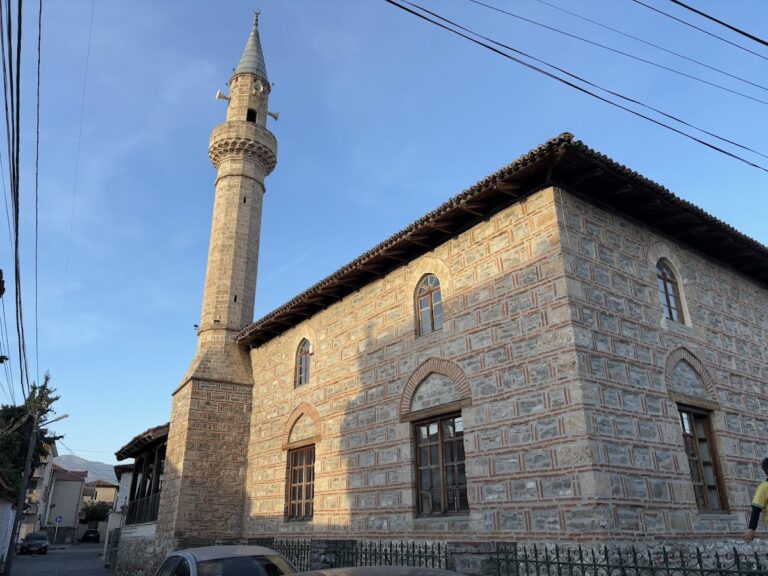
King Mosque, also known as Sultan Bayezid Mosque, is a historic Ottoman mosque within Elbasan Castle. Generally dated to 1492–1502, it preserves a…
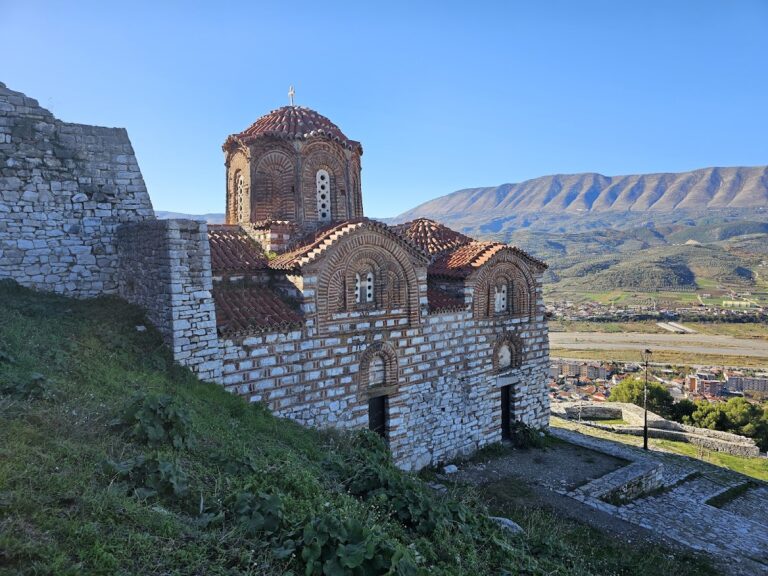
Holy Trinity Church is a medieval Byzantine Orthodox church in Berat, Albania, associated with the Palaiologos dynasty and preserved within the…
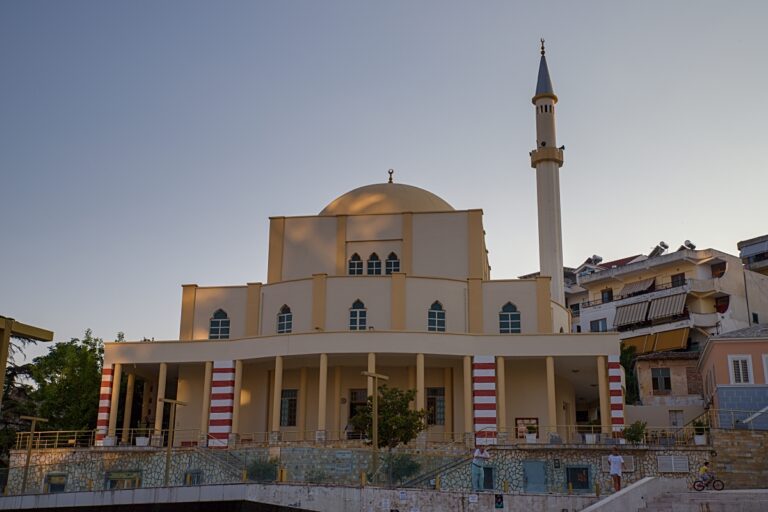
Fatih Mosque, built in Durrës in 1502–1503 after the Ottoman conquest, is one of Albania’s oldest Muslim places of worship and a Cultural Monument of…
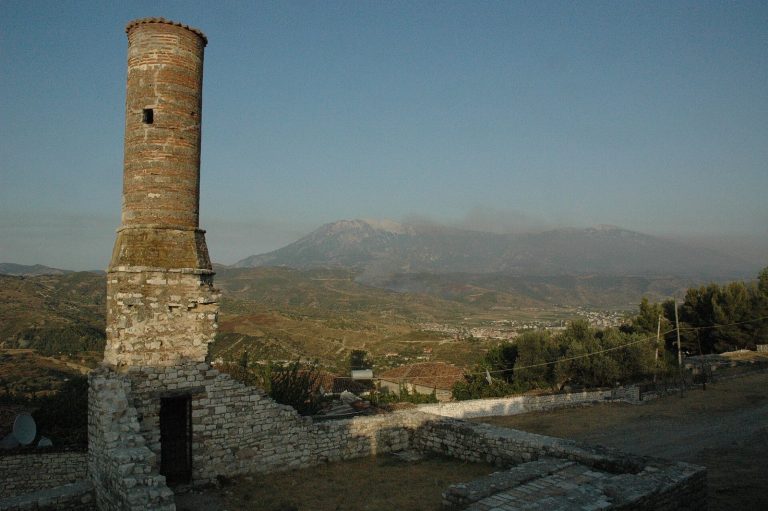
The Red Mosque in Berat Castle is a fifteenth-century Ottoman religious and military site, known for its red-brick construction and unusual minaret.…
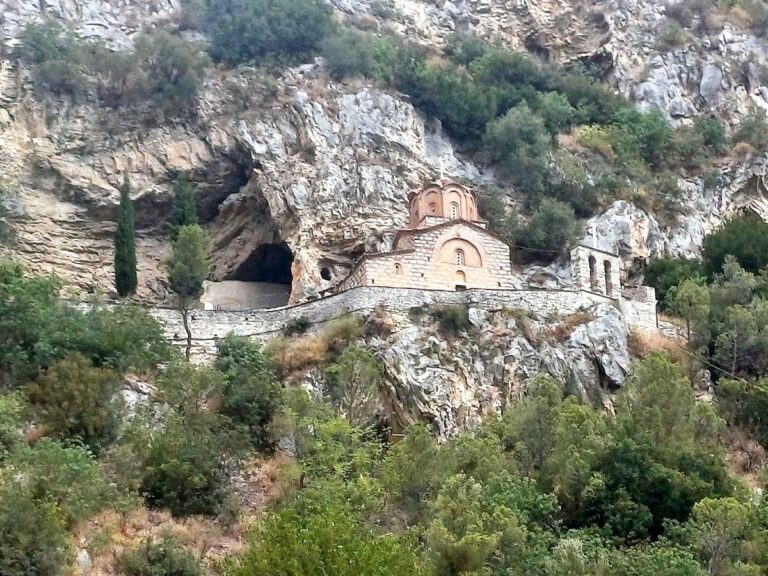
St. Michael's Church is a medieval Byzantine church on the southern slope of Berat Castle in Albania. Built probably in the fourteenth century, it is…
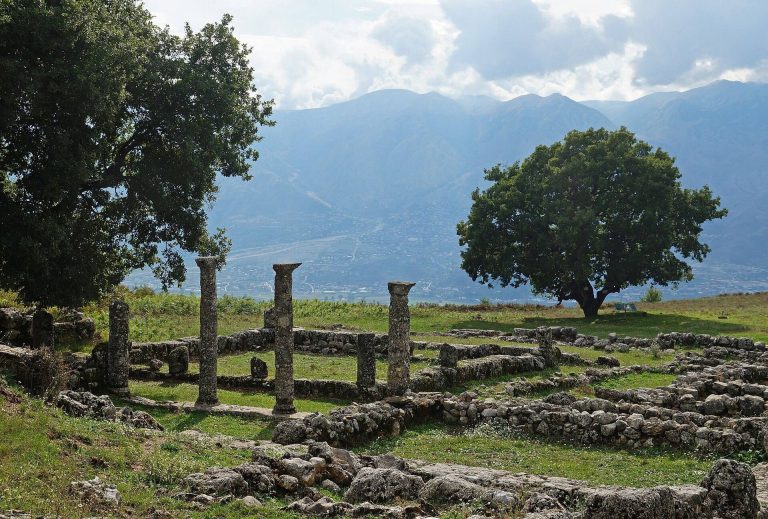
The Archaeological Park of Antigona preserves the remains of an ancient Greek city founded in the 3rd century BC in Epirus, later destroyed by Rome…
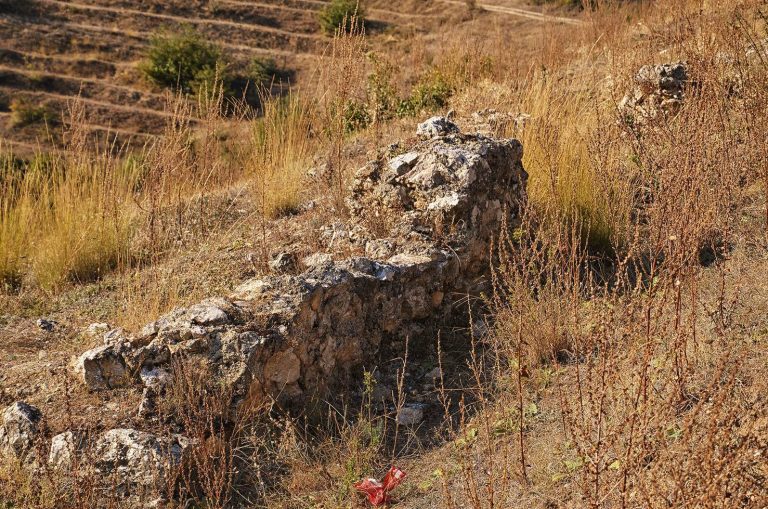
Pogradec Fortress is an ancient-origin fortified settlement on Castle Hill above Lake Ohrid, associated with the Illyrian Enchelei and rebuilt for…
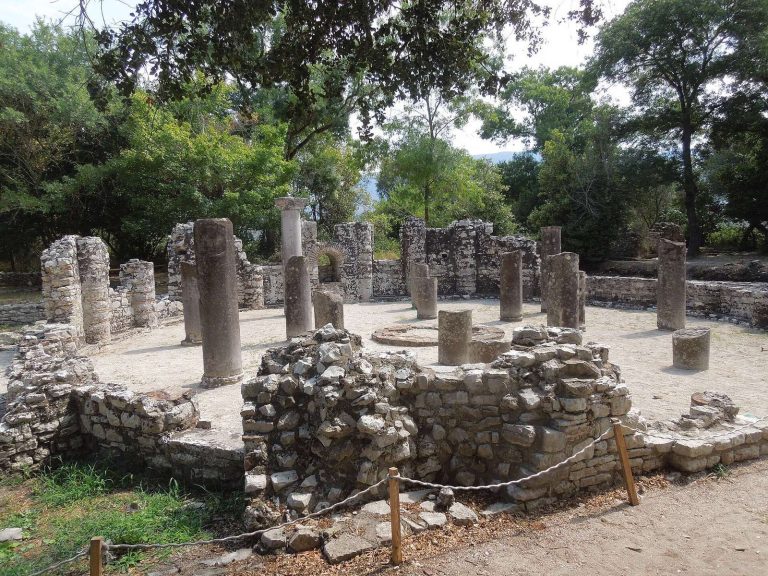
The Baptistery of Butrint is a sixth-century Christian building adapted from a Roman bathing complex, known for its unusual circular plan and…
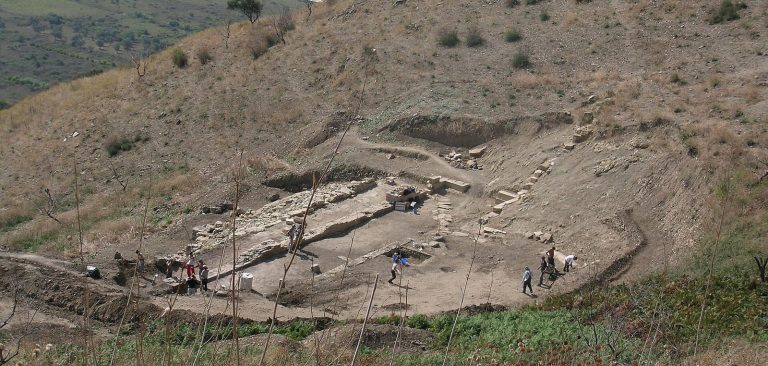
Phoenice was a major political center of ancient Epirus, later an important Christian settlement. Its remains include fortified hilltop districts, a…
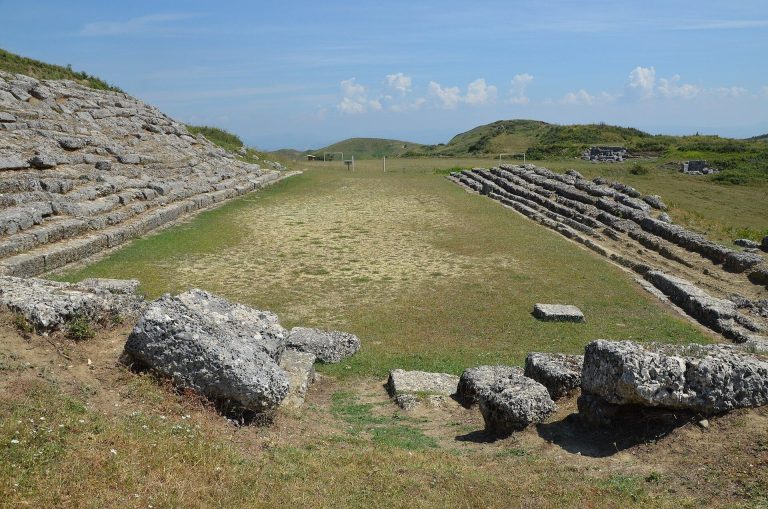
Amantia Archaeological Park preserves the remains of an ancient city associated with the Amantes, including fortifications, sanctuaries, a stadium,…
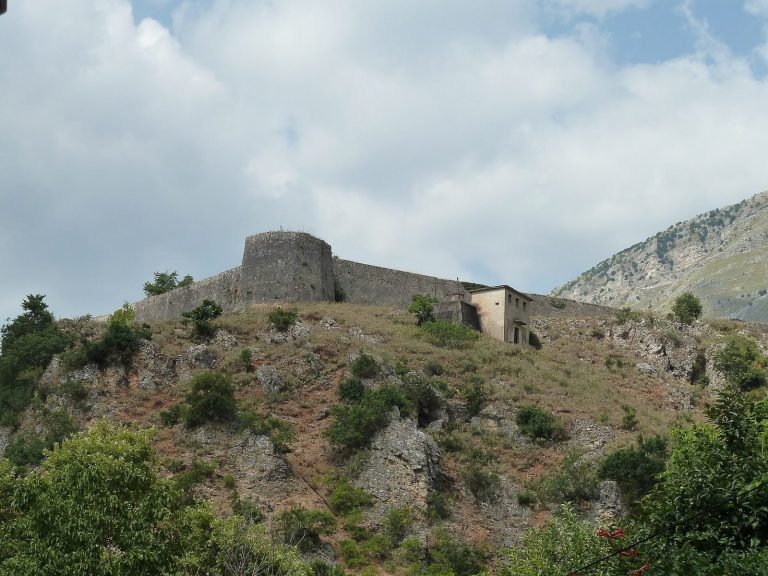
Libohovë Fortress was built between 1796 and 1798 on the orders of Ali Pasha of Tepelena. Rising above Libohovë, it protected the settlement and…
For details on how to use the maps, which sites are included, how popularity and ratings are determined, and how sites are classified, see the help page.
On this page5 sections
Ancient cities and historic towns
Butrint occupies a peninsula beside Lake Butrint and the Vivari Channel. Below its acropolis, the Greek theatre was enlarged and remodelled under Roman rule. The semicircular seating faces a stage building whose Roman arrangement included three arched doorways for performers. Inscriptions carved into the theatre stones record the freeing of enslaved people. Nearby, the sanctuary of Asclepius developed around a water source associated with healing, bringing religious buildings and the theatre into the same district.
Berat has a castle quarter above the Osum and tiered houses on the slopes below. Most surviving fortifications belong to the thirteenth-century rebuilding, although the site was defended much earlier. Inside the walls, narrow streets pass houses and Orthodox churches, preserving the layout of a residential neighbourhood within the enclosure.
St Mary of Blachernae contains sixteenth-century mural paintings, while the Church of the Holy Trinity has a cruciform plan and Byzantine murals. Below the castle, houses in the Mangalem and Gorica quarters stand on terraces arranged to bring daylight into their rooms.
Castles and fortresses
Rozafa Fortress stands on a rocky hill beside the Buna and Drin rivers. The hill was fortified in antiquity, but the visible walls are predominantly Venetian, built in limestone and brick. Within them are the remains of a medieval church later converted into a mosque, together with its associated minaret. The enclosure therefore contains both military architecture and a religious building adapted after a change of rule.
At Gjirokastra, a long, narrow castle follows the ridge above the Drino valley. High walls, towers, vaulted passages and large cisterns occupy different sections of the complex. The surrounding Ottoman town includes tower houses with living spaces arranged for different seasons and decorated guest rooms. Castle and houses form separate parts of the same hillside settlement: the former held military and administrative spaces, while the latter accommodated prominent local households.
Roman amphitheatres
The Durrës Amphitheatre accommodated arena spectacles within a large elliptical building. Part of its seating rested on the hillside and part on freestanding vaulted supports. Although the stone seats were removed, the exposed substructures and circulation galleries still define the building’s scale. Later communities reused some galleries for burials and chapels. A small chapel beneath the former imperial viewing box has an apse projecting towards the arena, inserting a place of worship into the older entertainment building.
Churches and monasteries
St Mary’s Monastery at Zvërnec stands on an island in the Narta Lagoon. Its medieval church has a free-cross plan, with the dome covering much of the central space. Stone and brick fragments were used together in the drum and dome. A later entrance porch presents seven arches on six columns, and a small bell tower belongs to the expanded western section. The surrounding buildings included accommodation for clergy and guests, together with storage space and a cemetery.
Explore the collection
Explore sites on the map or in the grid. Map icons indicate each site’s primary function, helping you identify different kinds of places at a glance. Narrow the results by primary function, site type, civilization or era, with additional filters for popularity and rating. Select a map marker to view the site’s details and open its article, or open the article from its grid entry.