Libohovë Fortress: An Ottoman-Era Stronghold in Albania

Site at a Glance
- Rating
- 4.4
- Popularity
- Very Low
- Country
- Albania
- Primary era
- Early Modern
- Eras represented
- Early Modern
- Civilizations
- Ottoman
- Site type
- Military
- Remains
- Fort
On this page6 sections
History
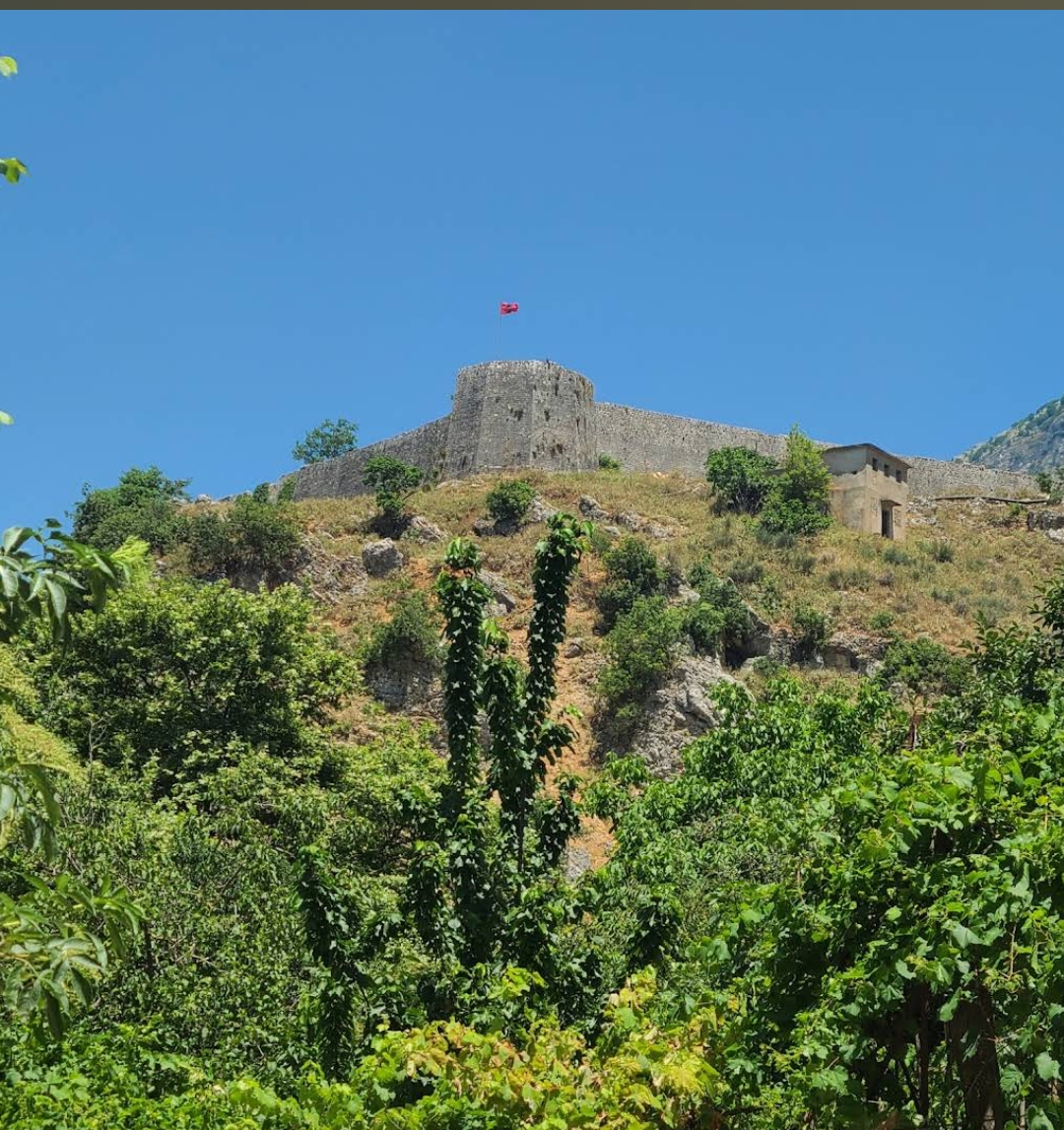
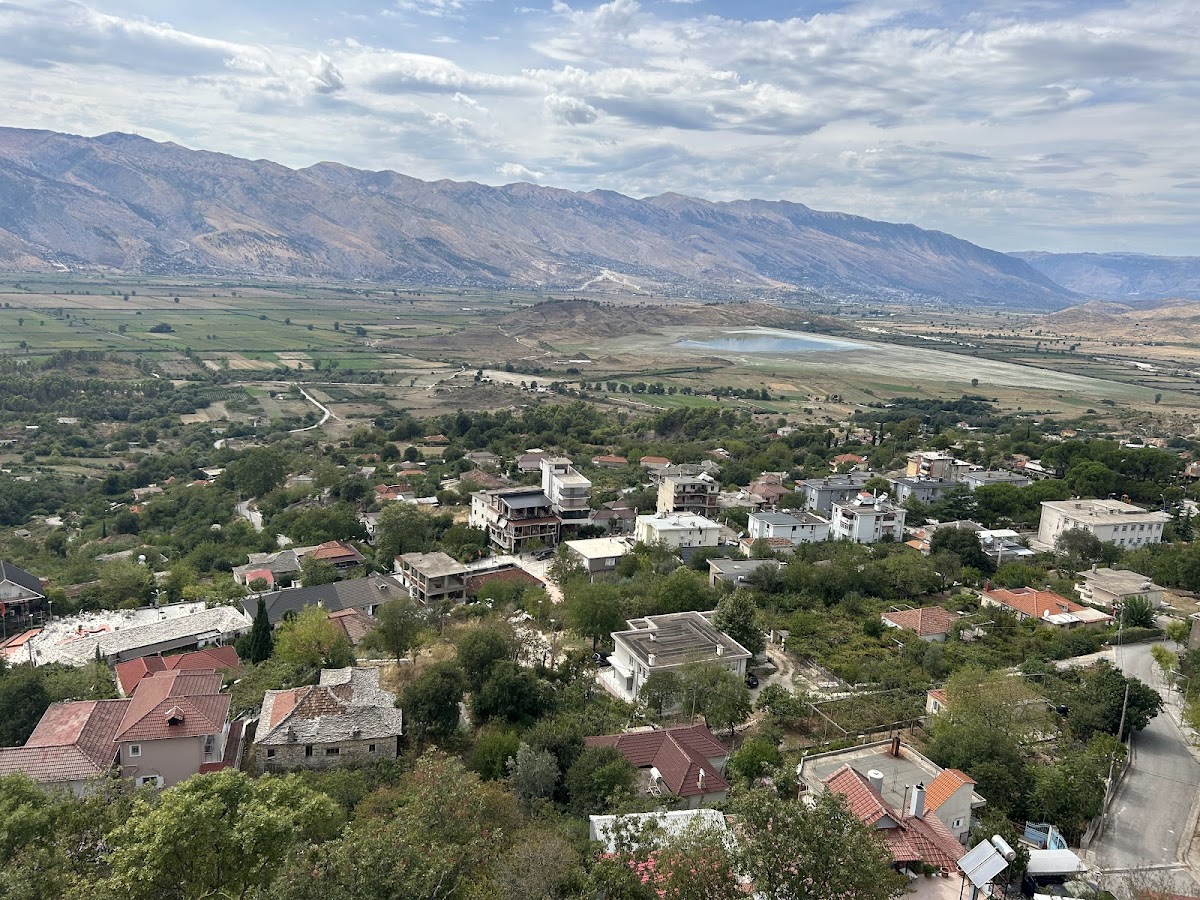
Libohovë Fortress is an Ottoman-era stronghold in Albania, built between 1796 and 1798 on the orders of Ali Pasha of Tepelena for his sister Shanisha. Ali Pasha was a powerful regional ruler and military leader who governed much of southern Albania and Epirus while challenging aspects of Ottoman authority. The fortress protected Libohovë and helped control the Drino Valley, the valley overlooked by its strategic position in the Gjirokastër region.
Ali Pasha’s Construction
During the Ottoman period, Libohova was the center of a landowning family that bore the same name. After 1789, Ali Pasha captured Libohova along with several other settlements in southern Albania. Local tradition presents the fortress as part of Shanisha’s dowry after her marriage into the Libohova family. Its military purpose is generally regarded as more likely, although the complex also included a luxurious residence. The fortress was probably built on the ruins of an earlier castle.
Protection and Recent Conservation
Libohovë Fortress received legal protection as an Albanian cultural monument on 10 June 1973, under designation number 1886, and is also listed under reference GJ075. In recent decades, the ruins deteriorated, while local residents removed stone for house construction. Renovation work began in 2013.
Remains
Fortified Enclosure
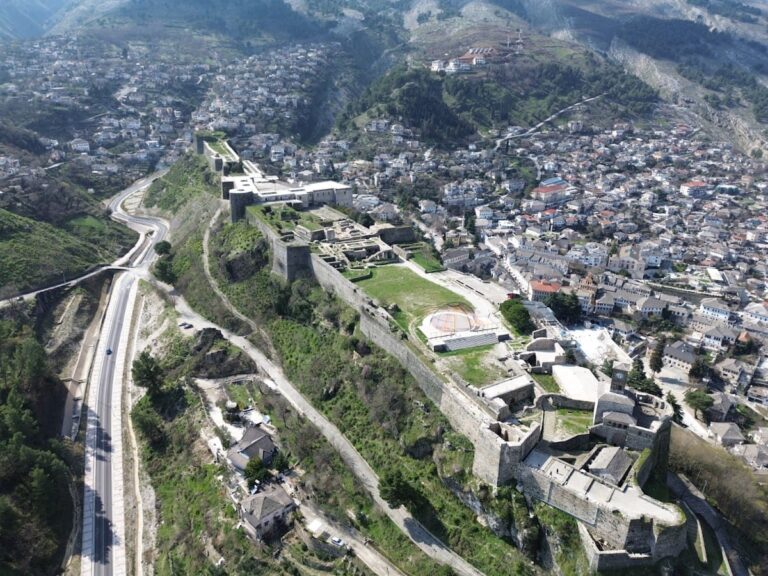
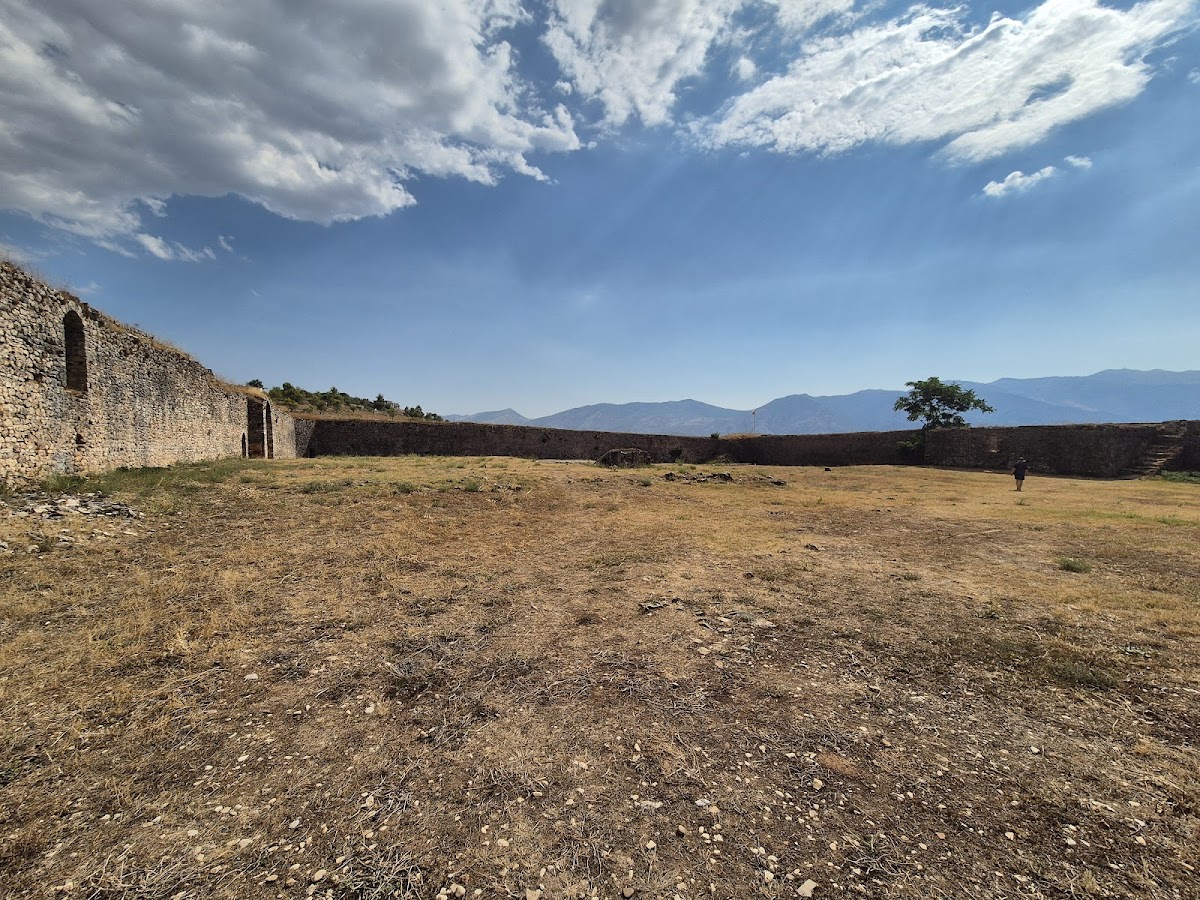
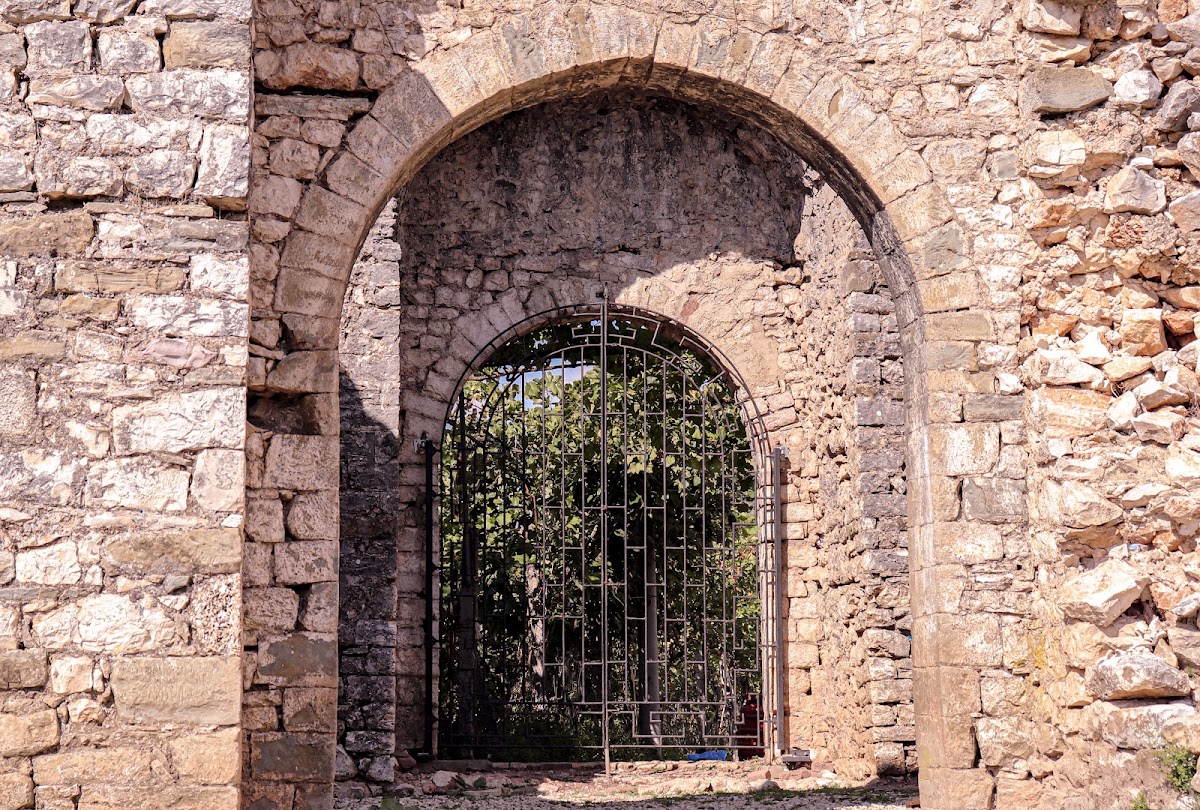
The fortress stands above the modern town on a rocky outcrop. Built from gray limestone, it has a square or nearly rectangular plan measuring approximately 70 by 50 metres. Four polygonal towers occupy the corners of the enclosure, while gates were placed in the middle of the eastern wall and beside the southwestern and northeastern towers. The walls were more than 1.40 metres thick and locally survive at about 2 metres. Sections of the walls and gates remain relatively intact, but the complex is generally ruinous.
Internal Buildings
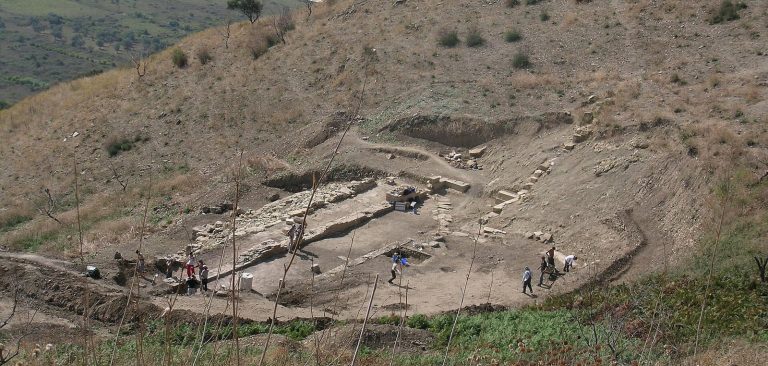
The enclosing walls surrounded a broad internal area, creating a substantial fortified complex. Excavated remains of a palace and another building show that the enclosure was also designed for residence. These remains indicate that Libohovë Fortress combined defensive construction with the amenities of a luxurious household.