Gjirokastra Old Town and Castle: A Fortified Ottoman-Period Historic Centre in Albania

Site at a Glance
- Rating
- 4.6
- Popularity
- Medium
- Country
- Albania
- Primary era
- Medieval
- External website
- Open
- Eras represented
- Iron Age, Classical, Medieval, Early Modern, Modern
- Civilizations
- Ancient Greek, Ottoman
- Site type
- Military
- Remains
- Castle
On this page14 sections
History
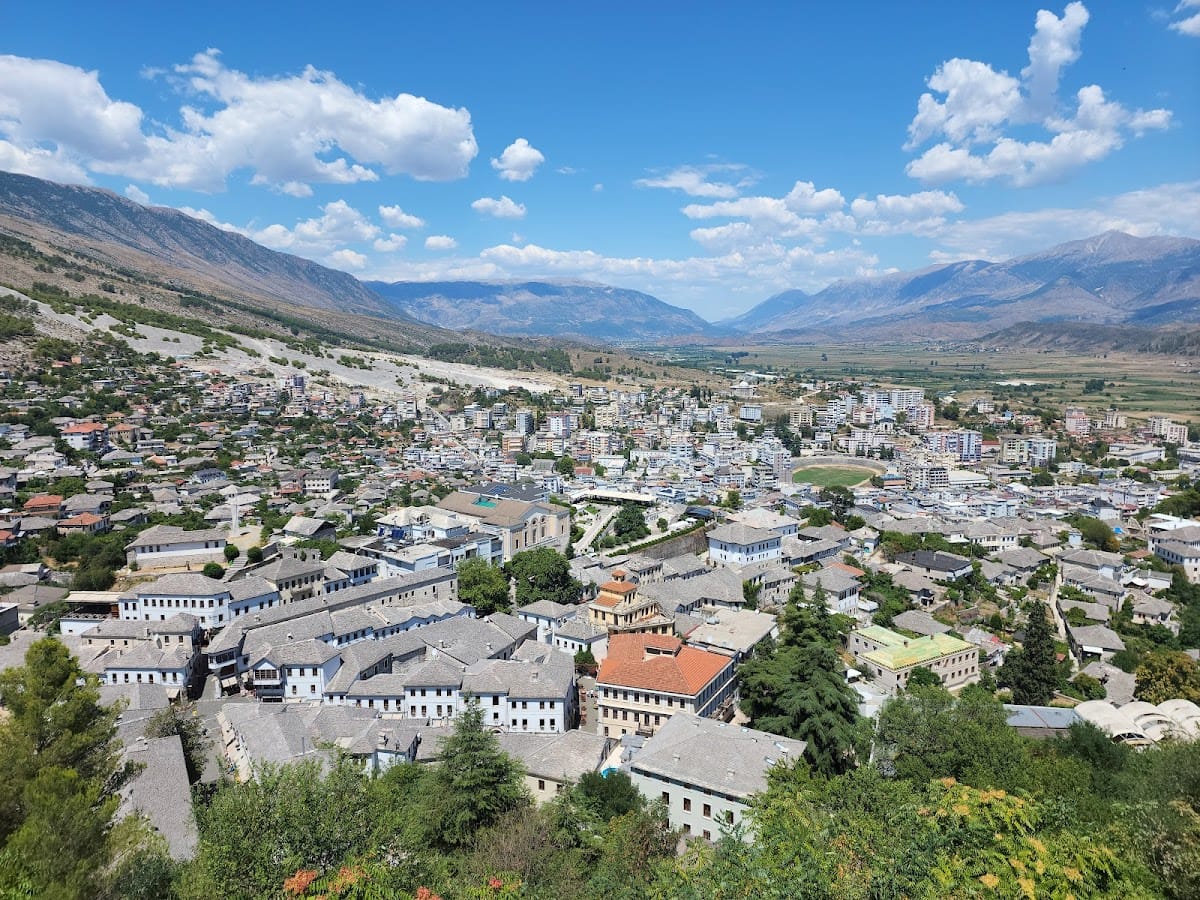
Gjirokastra Old Town and castle is a fortified historic centre in Gjirokastër, Albania, developed around an ancient citadel on the eastern slope of Mali i Gjerë. The town preserves an unusually complete Ottoman-period urban and architectural character, while its continuous habitation links the present settlement with a much older history.
Early settlement and the medieval citadel
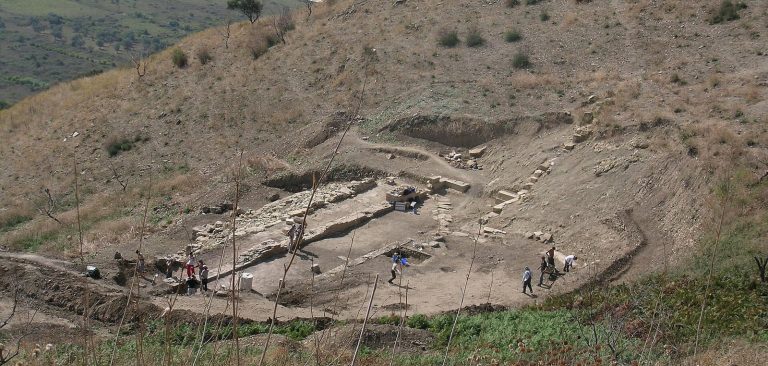
The hill was inhabited during the Stone Age and again in the eighth or seventh century BC. Its first fortification belongs either to the fifth century BC or to the Hellenistic period, although the precise date remains uncertain. Excavations in 2025 uncovered the remains of a tower associated with this early fortified phase.
A fortress with several towers stood here in the 12th or 13th century, when the region was ruled by the Zenebisi. The Zenebisi held the castle against the Ottoman army for one summer in 1417, but surrendered it to the Ottomans the following year. The originally inhabited fortress became the starting point for the later town and gave Gjirokastra its name.
Ottoman expansion and urban development
After the Ottoman conquest of Albania, the fortress was renewed and enlarged under Bayezid II, the Ottoman sultan who ruled from 1481 to 1512. He also commissioned an early mosque. The castle continued to expand over the following centuries, while major landowners developed the town around the 13th-century citadel.
Gjirokastra’s urban form reflected Ottoman Islamic traditions while incorporating older influences and allowing Orthodox Christian traditions to continue. In the 15th century, settlement spread into the eastern suburb known as Varosh. In 1670, Çelebi described 200 multi-storey stone houses and a mosque within the castle.
Rebuilding under Ali Pasha
Ali Pasha of Janina, a powerful Ottoman-era ruler based in Janina, also known as Ioannina, carried out a major rebuilding of the castle in 1811 and 1812. The work extended the fortress to the west and east. He commissioned a water-supply line roughly 10 kilometres long, bringing water to the castle cisterns through an aqueduct.
Prison, cultural use, and heritage protection
Under King Zogu, a prison was established in the castle in 1932. Italian and German occupying forces used it during the Second World War, and the communist regime later held political prisoners there. The prison closed in 1968.
Since 1968, the castle has hosted the National Folklore Festival every four or five years, continuing its cultural role. The National Weapons Museum has occupied chambers in the fortress since 1971, and the Gjirokastra Museum, devoted to the history of the town and region, has been housed there since 2012.
Gjirokastra forms part of the UNESCO World Heritage property Historic Centres of Berat and Gjirokastra, inscribed in 2005 and modified in 2008. The property is recognized under criteria (iii), concerning exceptional testimony to a cultural tradition or civilization, and (iv), concerning an outstanding architectural or urban ensemble. It covers 58.9 hectares and has a 136.2-hectare buffer zone. Illegal construction in the late 1990s adversely affected the integrity of the historic centres, making coordinated management and control of urban construction important to their preservation.
Remains
Fortress layout and defensive works
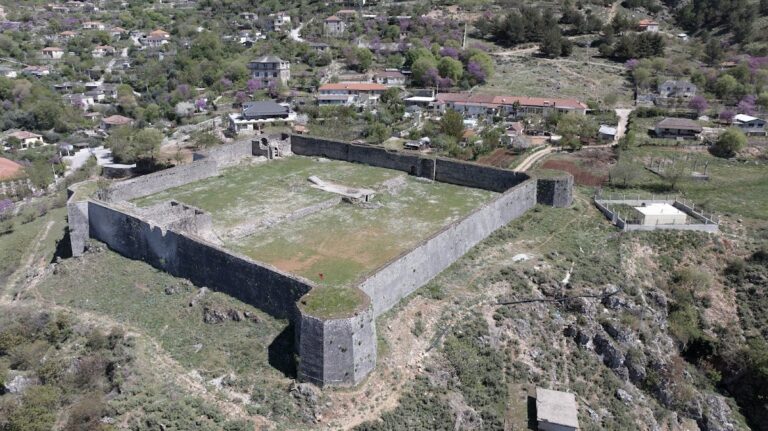
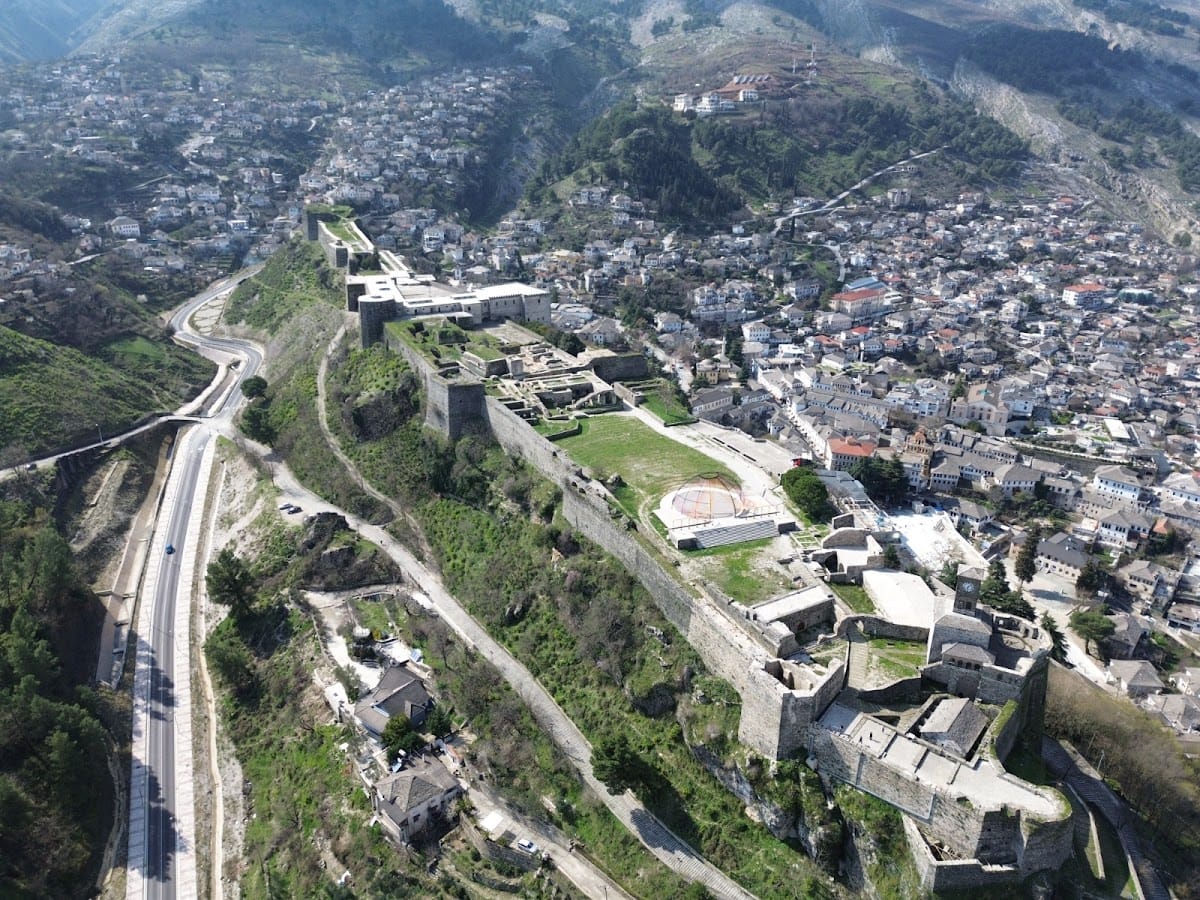
The castle is a hilltop fortress occupying the upper part of a narrow ridge about one kilometre long. The ridge rises roughly 200 metres above the flat Drino valley and reaches at least 360 metres above sea level. Its northern and southern sides fall steeply, but the ground is not rocky, so the fortress relied on high defensive walls. The complex extends about 500 metres in length and reaches up to 90 metres in width, narrowing to scarcely more than 10 metres at one point.
Western quarter and Bektashi tomb
The western quarter contains narrow vaulted spaces constructed after 1811 and a small garden with a Bektashi türbe, a tomb or mausoleum. The tomb contains the graves of two Babas, spiritual figures in the Bektashi tradition, who lived in the 16th and 17th centuries.
Central buildings and former prison
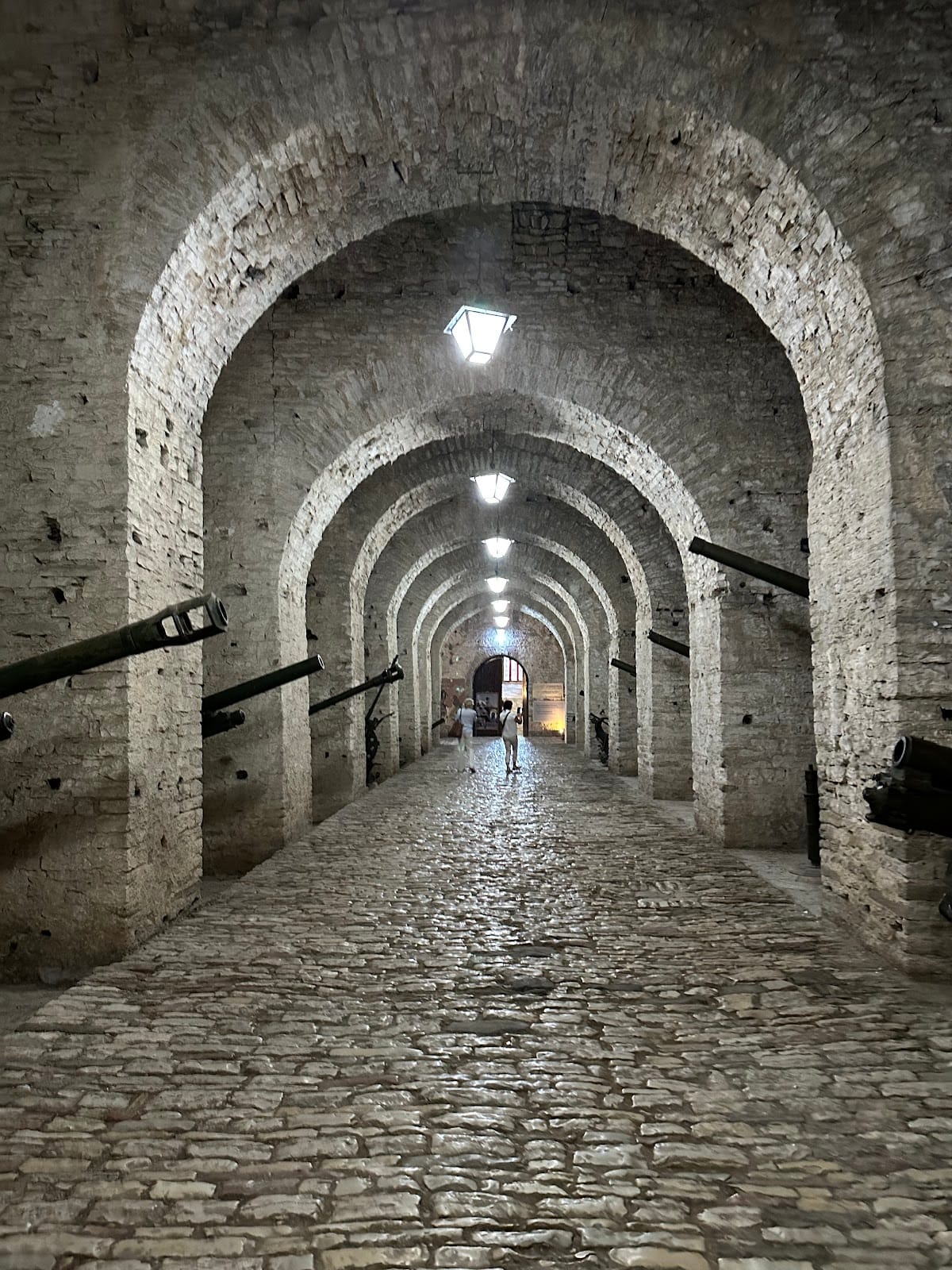
The next section holds the central buildings, the main entrance, and the former prison. Vaulted passages once allowed movement along the entire length of the fortress. A third gate stood on the southern side opposite the main entrance.
Festival ground and cisterns
Broad open areas form another section of the complex. They are now used as a festival stage and audience space, with large cisterns beneath them. Their position reflects the continuing adaptation of the fortified site to cultural use.
Eastern bastion and clock tower
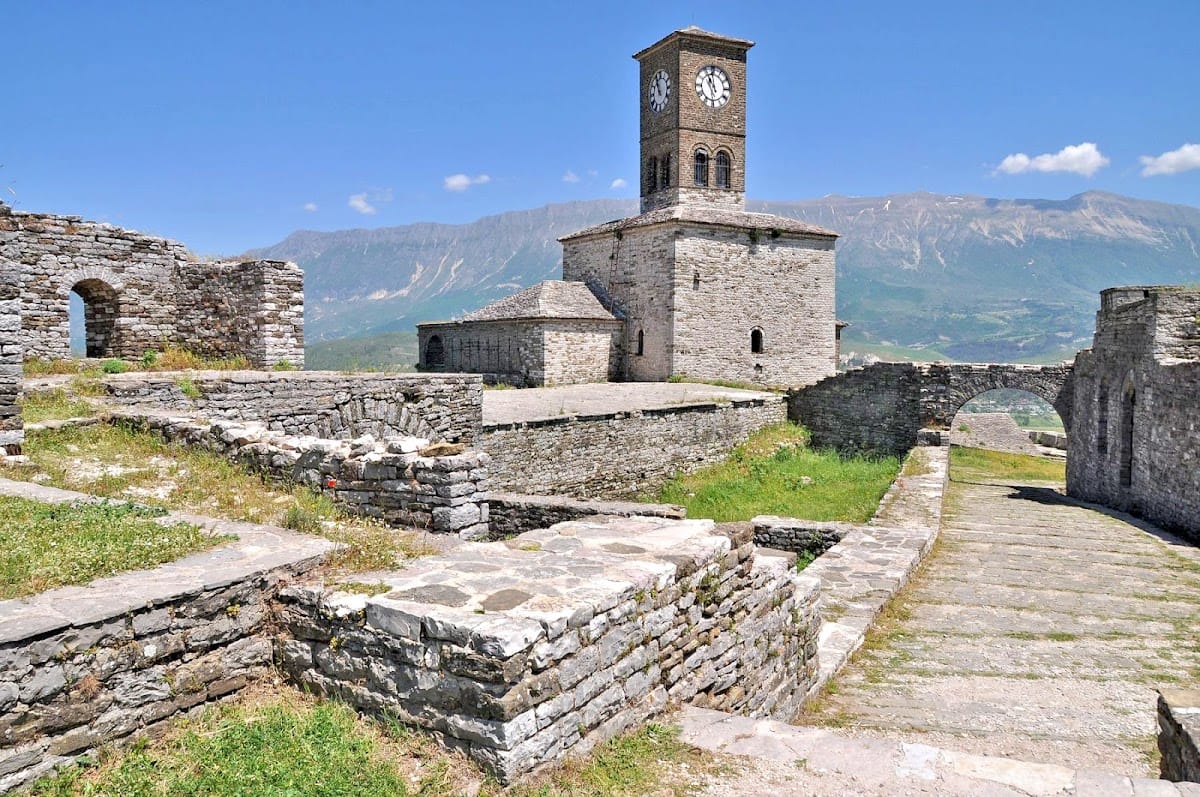
At the eastern end, a bastion, a projecting defensive platform, stands beside another entrance. Above this area is the town’s 19th-century clock tower, whose clock-bearing upper structure was constructed in 1966 and 1967. The fortress as a whole has seven towers.
Water system
Ali Pasha’s water system included a pipeline roughly 10 kilometres long, ending at the castle cisterns through an aqueduct. The aqueduct was completely demolished in the 1930s, while a bridge belonging to the system survives above the town.
Historic town and tower houses
The historic town retains a bazaar, an 18th-century mosque, and two churches dating from the same period. Its domestic architecture includes notable two-storey tower houses known as kule, a Balkan form that combines living spaces with a vertically organized, defensible design. These houses developed mainly in the 17th century, while more elaborate examples date from the early 19th century.
A typical kule has a raised ground floor, a first floor used for winter living, and a second floor intended for summer use. The interiors are richly decorated, including floral paintings in guest rooms.
Museum collections
The National Weapons Museum displays old cannon, armoured vehicles, captured artillery, and memorabilia connected with communist resistance to the German occupation during the Second World War. Its holdings also include remains of a United States Air Force Lockheed T-33 that made a forced landing at Kuçova in 1957.