Castles in France: Explore Medieval Strongholds, Royal Châteaux and Artillery Forts
Castles in France include fortified residences with massive towers, ridge-top strongholds, royal châteaux and palaces built for elaborate court life. This collection also covers town walls, citadels, artillery forts and other historic residences. Its scope therefore includes both defensive structures and buildings whose principal surviving features are apartments, galleries and formal courtyards.
The map and grid link each site to an article on its layout and surviving fabric. The examples below show how a castle’s setting shaped its defences, how royal residences expanded around older buildings, and how artillery changed the thickness and height of fortress walls.
Primary Function: All
Type: All
Civilization: All
Popularity: All
Rating: All
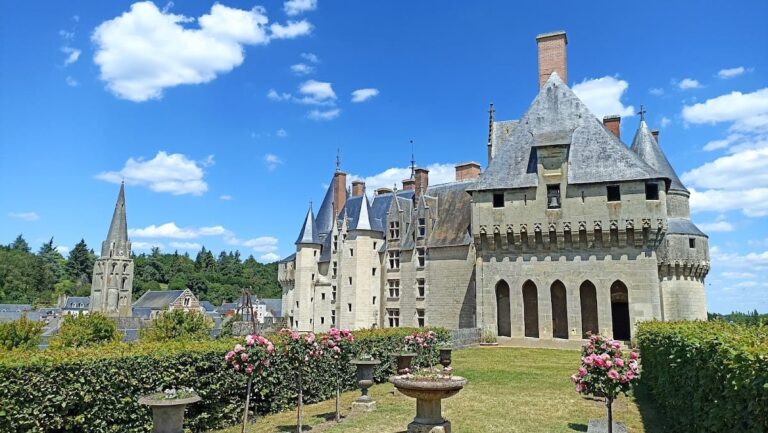
Castle of Langeais developed from a tenth-century Angevin fortress into a late-medieval royal castle. Its history includes the 1491 marriage of…
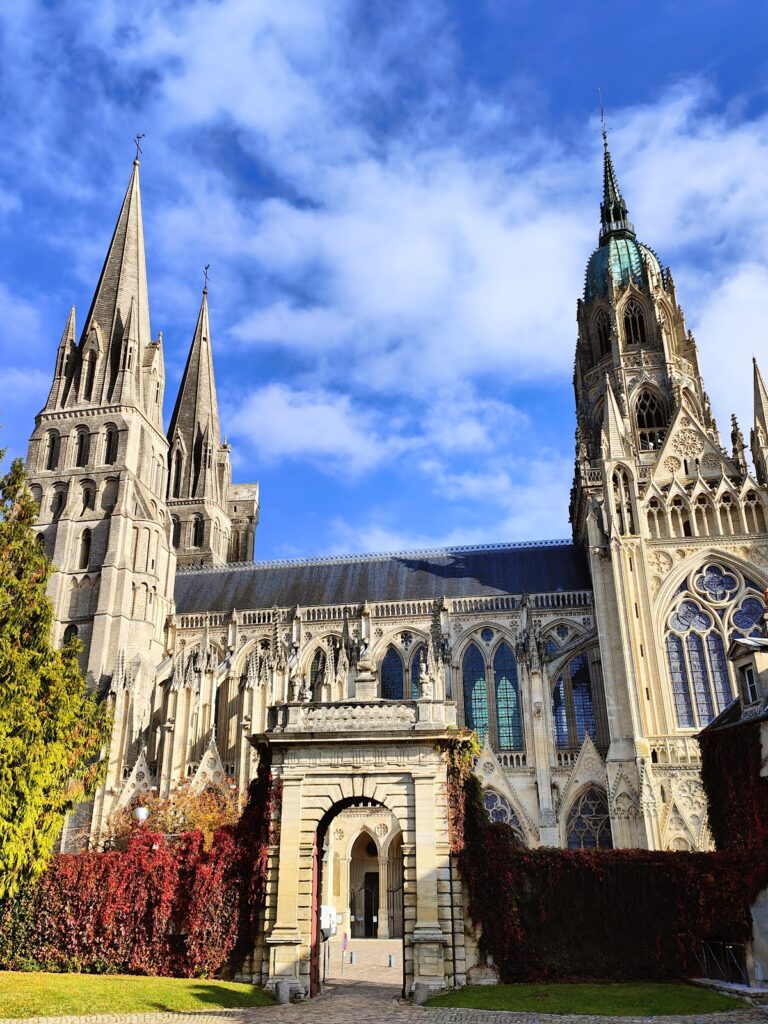
Bayeux Episcopal Palace formed part of the cathedral complex and served the bishops of Bayeux until 1793. Its Renaissance chapel, later wings,…
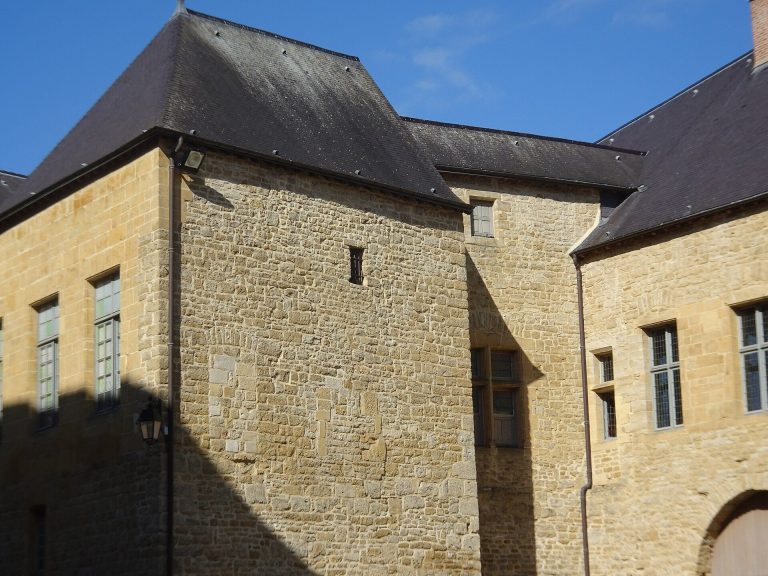
The Castle of Sedan developed from a Benedictine priory into a major fortified residence, later becoming a French garrison, a military hospital, and…
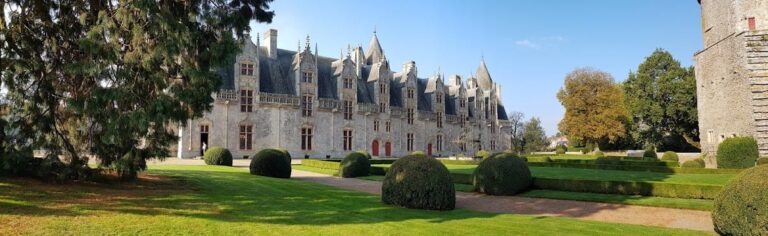
Josselin Castle developed from an early medieval fortress into the dynastic residence of the Rohans. Its surviving towers, military river façade,…
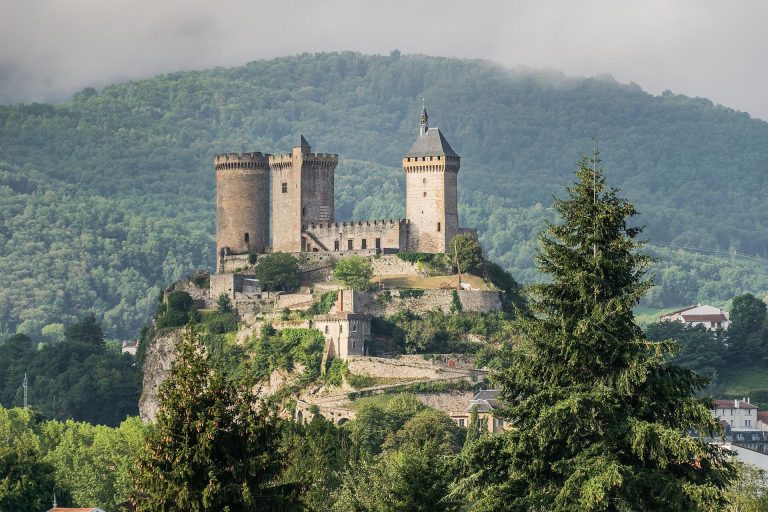
Castle of Foix overlooks the Ariège valley and traces its history from a medieval comital stronghold to a prison and departmental museum. Its towers,…
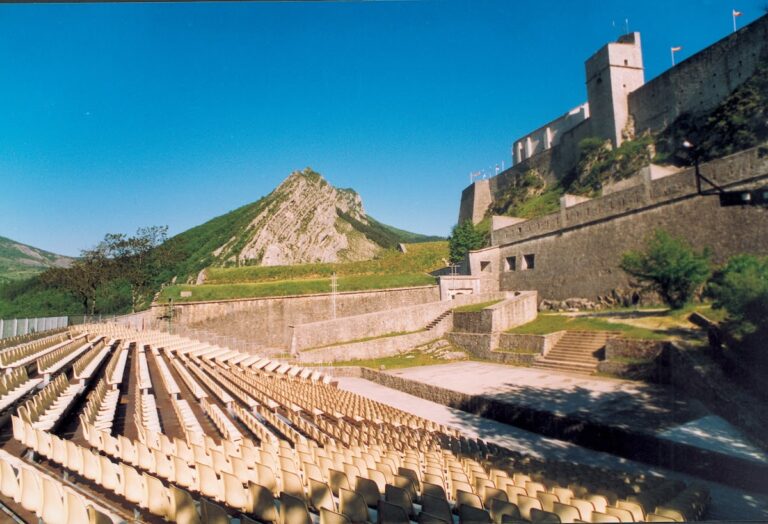
Citadelle de Sisteron developed from an ancient fortified height into a strategic fortress controlling the route between Dauphiné and Provence. Its…
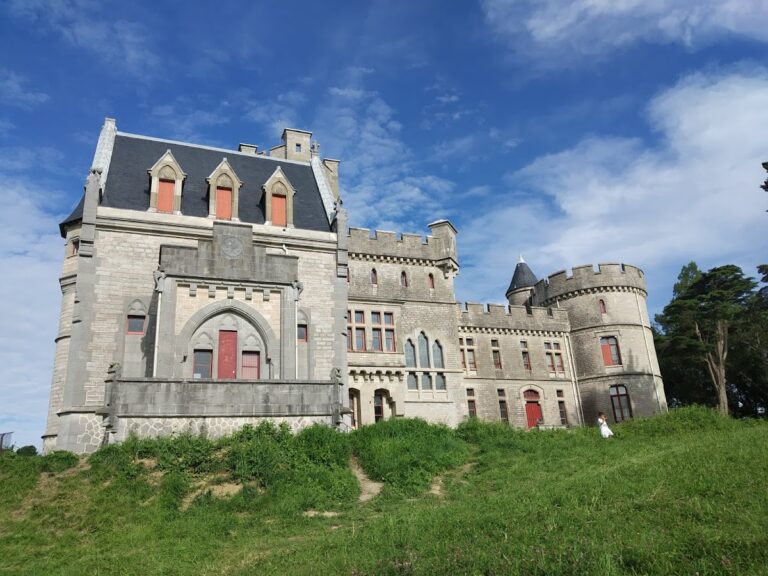
Abbadia Castle at Hendaye was built between 1864 and 1879 for the astronomer and explorer Antoine d’Abbadie. Its architecture, interiors,…
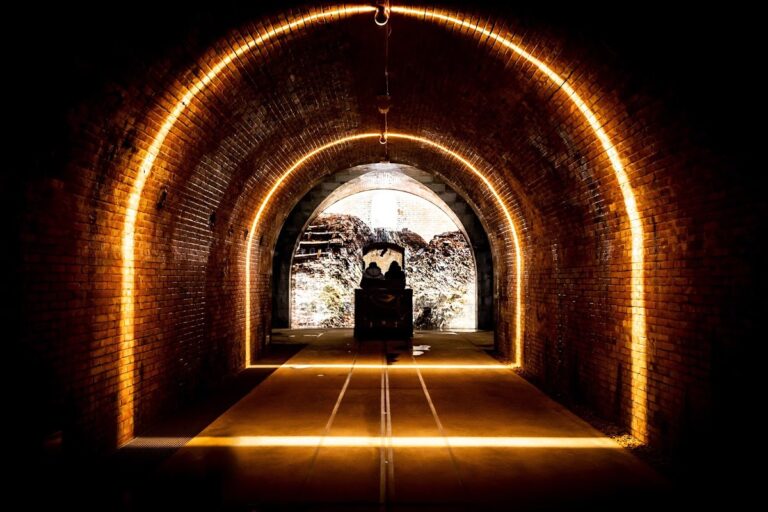
Verdun Citadel in France developed from a sixteenth-century fortified enclosure into a major defensive and logistical complex. Its underground…
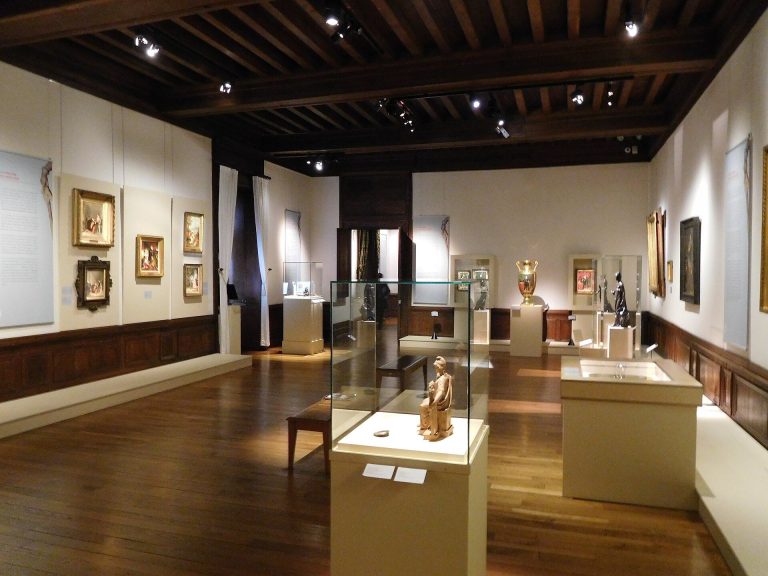
The Castle of Pau developed from a twelfth-century fortress into a residence of the viscounts of Béarn and the kings of Navarre. Associated with…
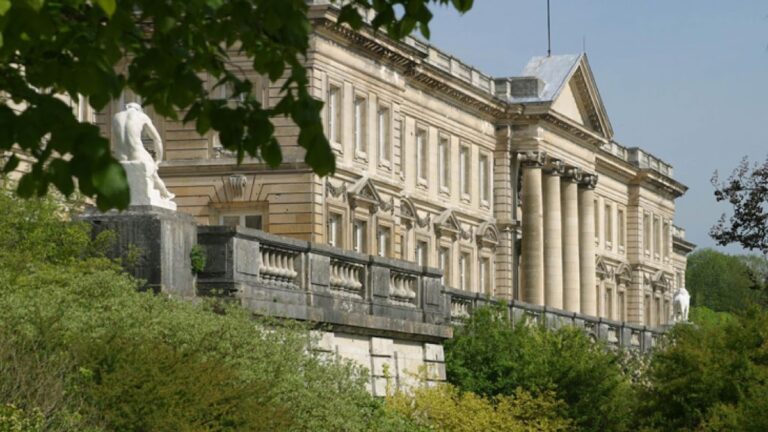
Château de Compiègne in France developed from a Merovingian royal residence into a medieval castle and, later, a neoclassical palace used by French…
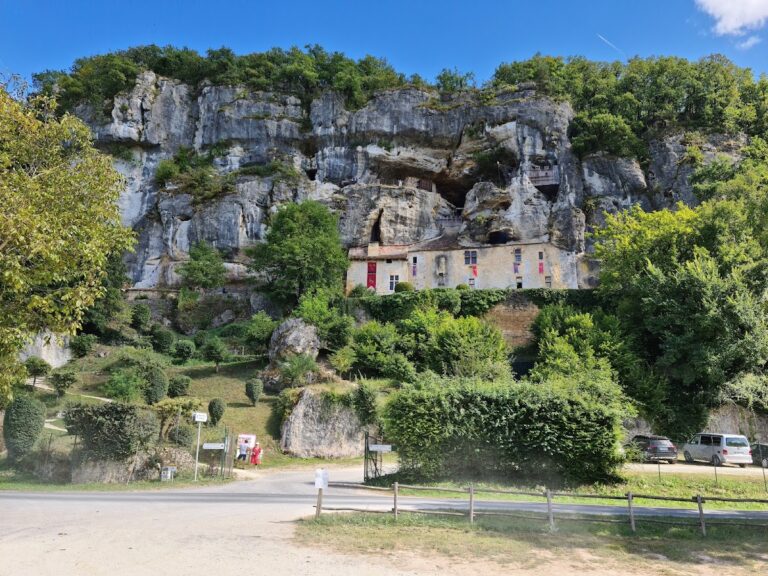
Maison forte de Reignac is a medieval fortified residence built into a cliff above the Vézère in Tursac, with prehistoric occupation, defensive…
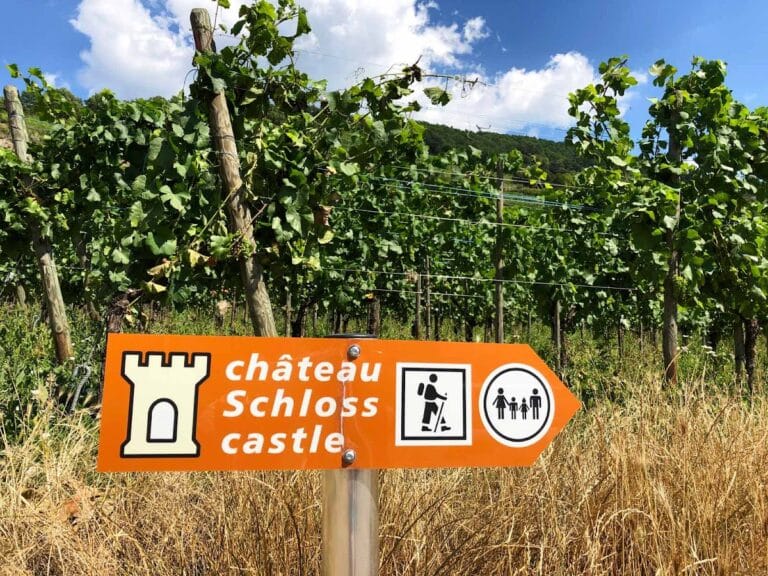
Château de Kaysersberg is a medieval fortress above Kaysersberg in France, founded around 1220 to control a major route across the Vosges. Its…
For details on how to use the maps, which sites are included, how popularity and ratings are determined, and how sites are classified, see the help page.
On this page5 sections
Medieval enclosures and ridge-top castles
Angers Castle has a broad fortified enclosure above the Maine, with round towers linked by walls of alternating dark schist and pale tuffeau. The thirteenth-century exterior surrounds residential buildings developed for the later court of Anjou. A deep dry moat protects the more exposed sides, while the river-facing escarpment supplied a natural obstacle. Its wide enclosure provided room for a court behind a particularly heavy defensive perimeter.
Haut-Koenigsbourg follows a long sandstone ridge in the Vosges. Its sequence of service courts, residential buildings and bastions occupies a much narrower setting. The western artillery works defend the approach along the ridge, while an eastern bastion addresses positions below. The castle was extensively reconstructed in the early twentieth century: roofed rooms, galleries and defensive features combine surviving masonry with later work intended to recover a medieval appearance.
Royal palaces and successive extensions
At Versailles, the red-brick and pale-stone building associated with Louis XIII remains within the vastly enlarged palace. Successive courtyards lead towards the royal apartments, with access historically becoming more restricted as visitors approached the monarch. Later wings and galleries expanded the residence to accommodate the court, including the Hall of Mirrors and adjoining ceremonial rooms.
Fontainebleau preserves a more irregular accumulation of buildings around several courts. Its medieval keep survives in the Oval Court, where later residential wings followed the earlier enclosure. The Francis I Gallery linked the king’s apartments with the Trinity Chapel. Frescoes, stucco and carved panelling transformed that connecting passage into an elaborate interior. Subsequent rulers altered apartments and furnishings without replacing the whole palace, leaving distinct Renaissance and later residential spaces within one complex.
Aigues-Mortes: town walls and gates
The Ramparts of Aigues-Mortes form a quadrangular enclosure around the historic town. Towers reinforce the walls, while numerous gates connect the streets with the surrounding marshland. The Tour de Constance is part of the wider fortified complex, and the long wall circuit preserves the scale of the medieval urban enclosure.
The town developed as a royal port under Louis IX, with causeways and access routes needed in its wet setting. Its walls protected a settlement and its approaches rather than enclosing only a ruler’s household. Gates spaced around the perimeter allowed the defended town to remain connected to the surrounding routes.
Salses: low walls and deep defensive ditches
The Fort of Salses was built around the turn of the sixteenth century to defend the former frontier between Catalonia and France. Much of its mass sits below the surrounding ground in deep dry ditches. Thick masonry and low firing positions address artillery warfare, giving it a very different profile from a tall medieval castle.
Inside, an additional ditch separates the parade ground, troop quarters and stables from an independently defended inner core. Narrow passages and controlled entrances create successive obstacles. The walls protect both against fire from outside and against movement through the fort itself, with defenders able to fall back behind another line if the outer area was entered.
Explore the collection
Explore sites on the map or in the grid. Map icons reflect each site’s primary function, helping you identify different kinds of places at a glance. Narrow this collection by primary function, by a site type within the castle and residence group, or by civilization and era. Additional filters cover popularity and rating. Select a map marker to view the site’s details and open its article, or open the article from its grid entry.