Byzantine Sites in Italy: Explore Mosaic Basilicas, Painted Churches and Calabrian Fortresses
Byzantine sites in Italy include Ravenna’s mosaic-covered basilicas, painted churches in Rome, small multi-domed sanctuaries in Calabria and fortifications above the southern coast. Some buildings were constructed during Byzantine rule; others preserve changes made after an older Roman or Ostrogothic structure was taken into new religious or political use.
The surviving remains range from complete church interiors to defensive enclosures and ancient columns embedded within later walls. Mosaics, frescoes and masonry often preserve several phases within the same building.
Primary Function: All
Type: All
Popularity: All
Rating: All
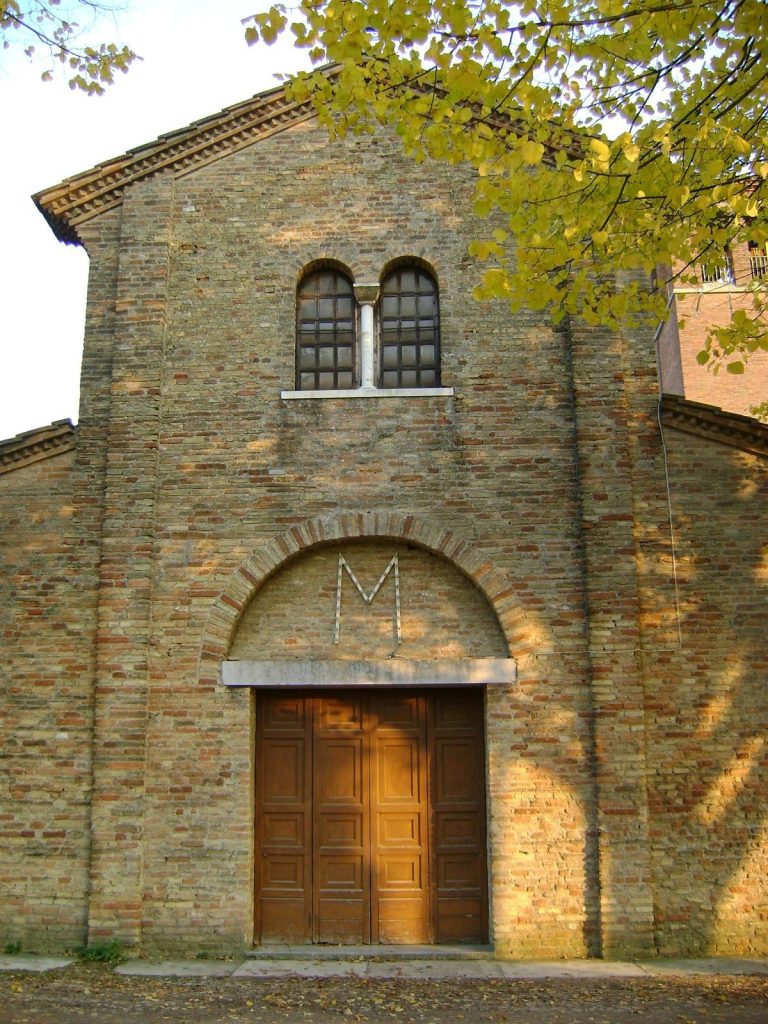
Pieve di San Pietro in Trento is a historic Catholic church near Ravenna, first recorded in 977 and shaped by medieval construction, Baroque…
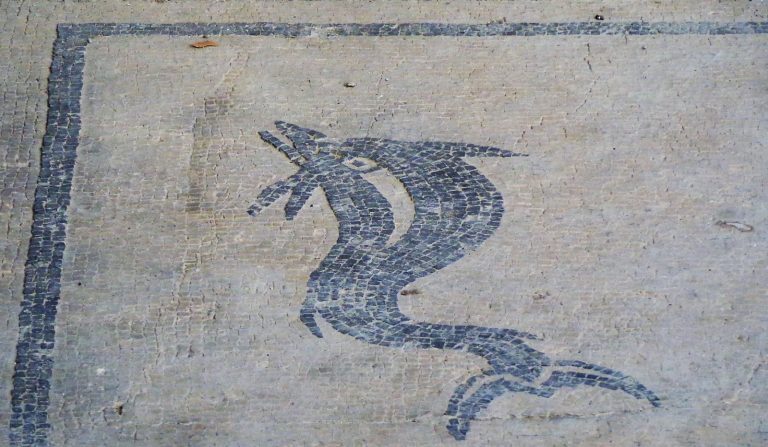
Roman Villa San Biagio was a luxury residence near the ancient Via Consolare Valeria in Sicily, occupied from the Hellenistic period into Late…
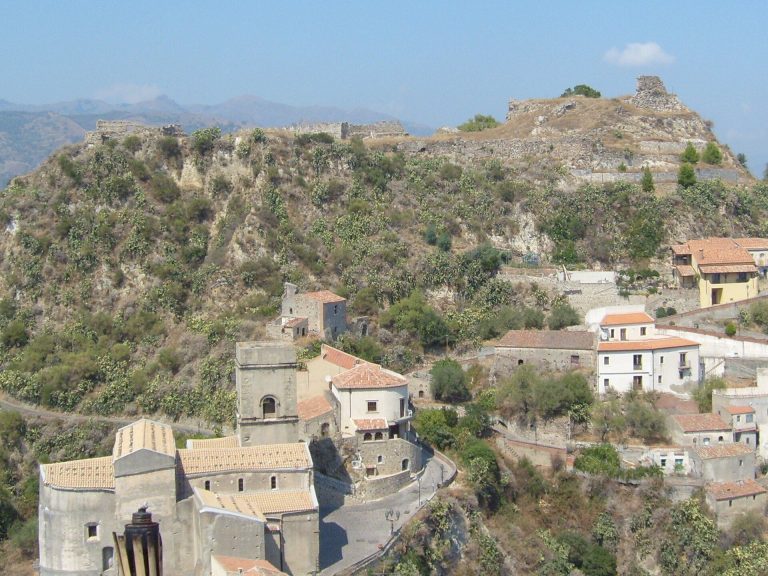
Castello di Pentefur was a medieval fortress and summer residence of the archimandrites of Messina, later becoming a royal castle before falling into…
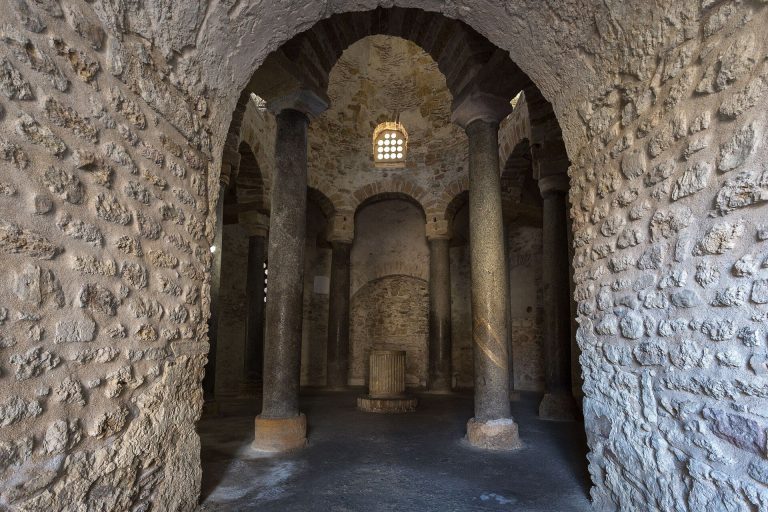
The Co-cathedral of St. Anastasia in Santa Severina, Calabria, was built between 1274 and 1295 and served as the seat of the local archdiocese until…
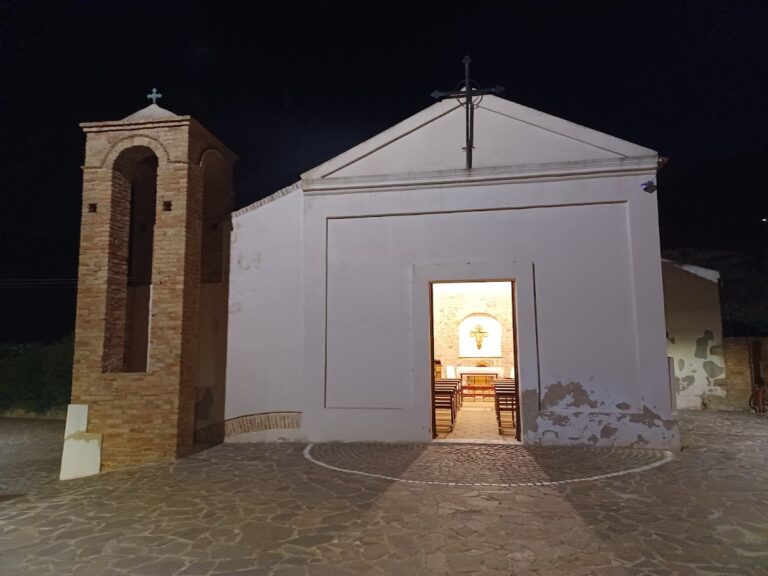
The Church of Saint Anthony the Abbot in Reggio Calabria preserves the remains of a medieval monastic complex shaped by Byzantine religious…
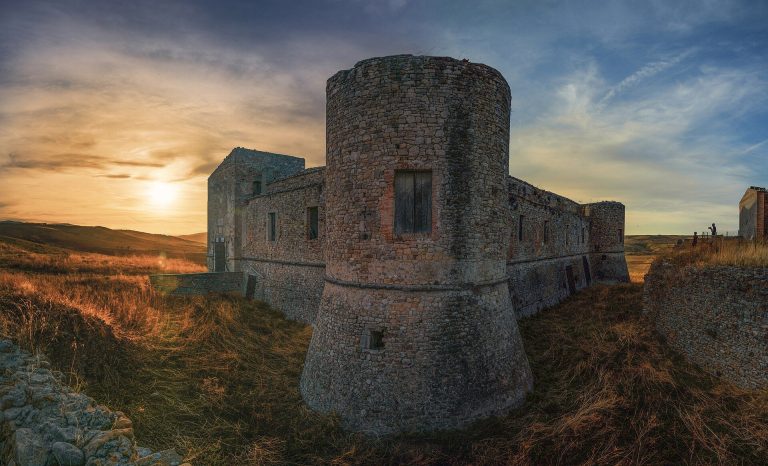
Castello di Dragonara is the principal surviving evidence of the medieval fortified settlement of Dragonara in Puglia. Founded around 1000, it was…
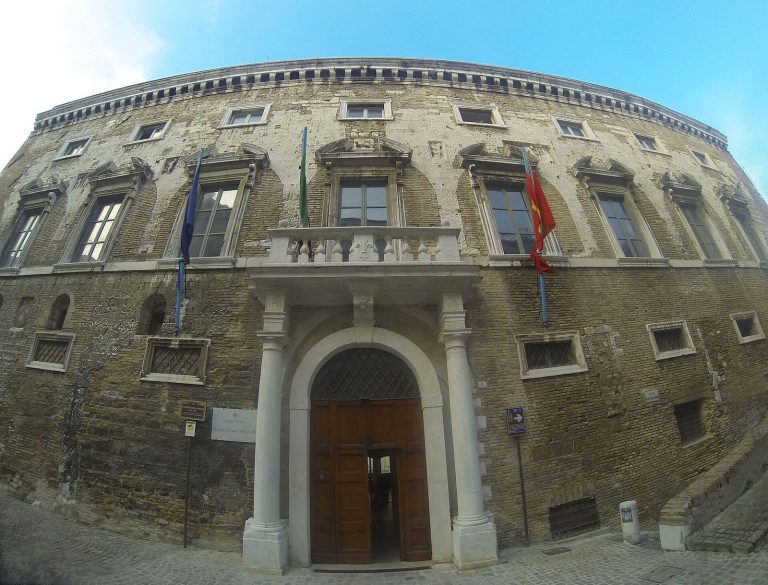
Palazzo degli Anziani in Ancona, Italy, served as the city’s municipal seat from the thirteenth century until 1947 and now again houses the municipal…
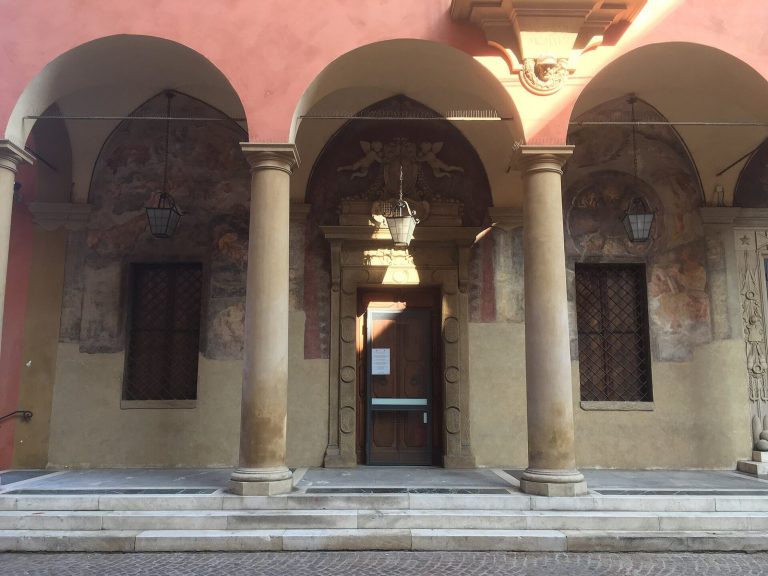
San Colombano is a historic monastic complex in Bologna founded around 616 and later transformed into a centre for devotion, painting, music, and…
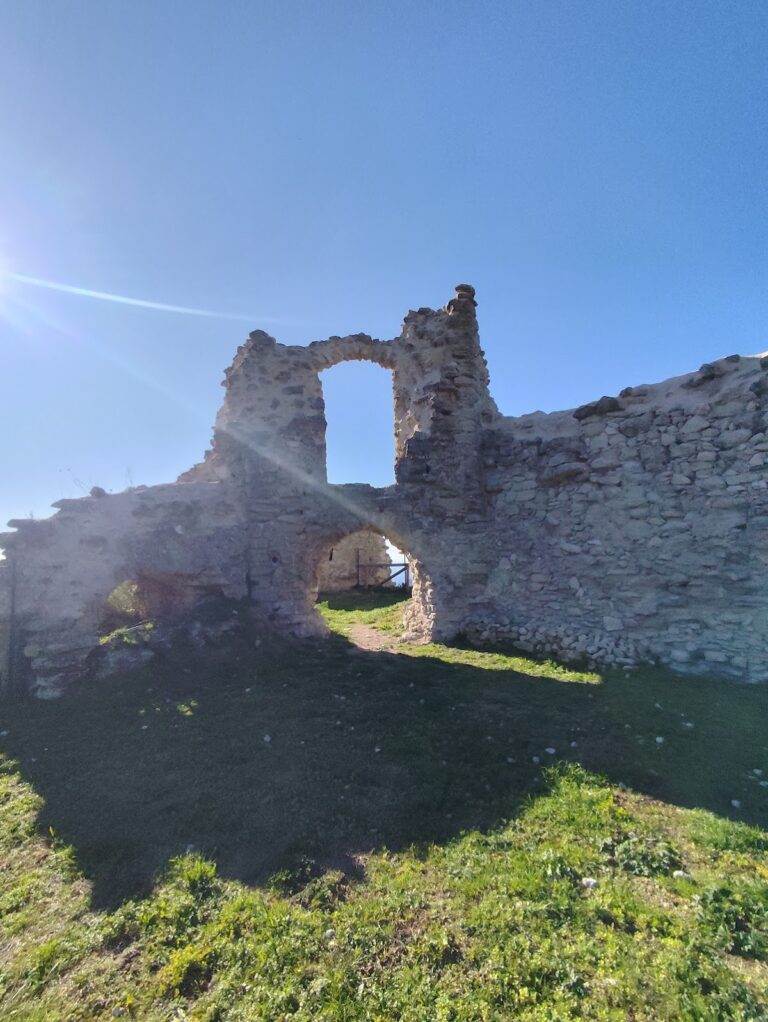
Aiello Calabro Castle is an eleventh-century fortress ruin in Calabria that guarded routes toward Cosenza and the Sabbutum River. Its history…
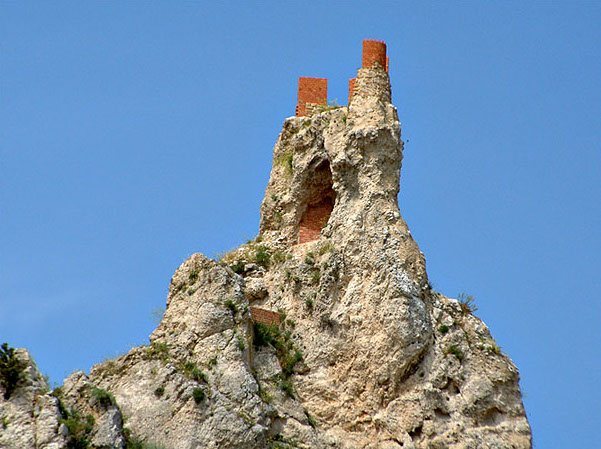
The Castle of Pietrarossa is a ruined medieval fortress associated with Norman, Angevin, and Aragonese rule in Sicily, including three parliamentary…
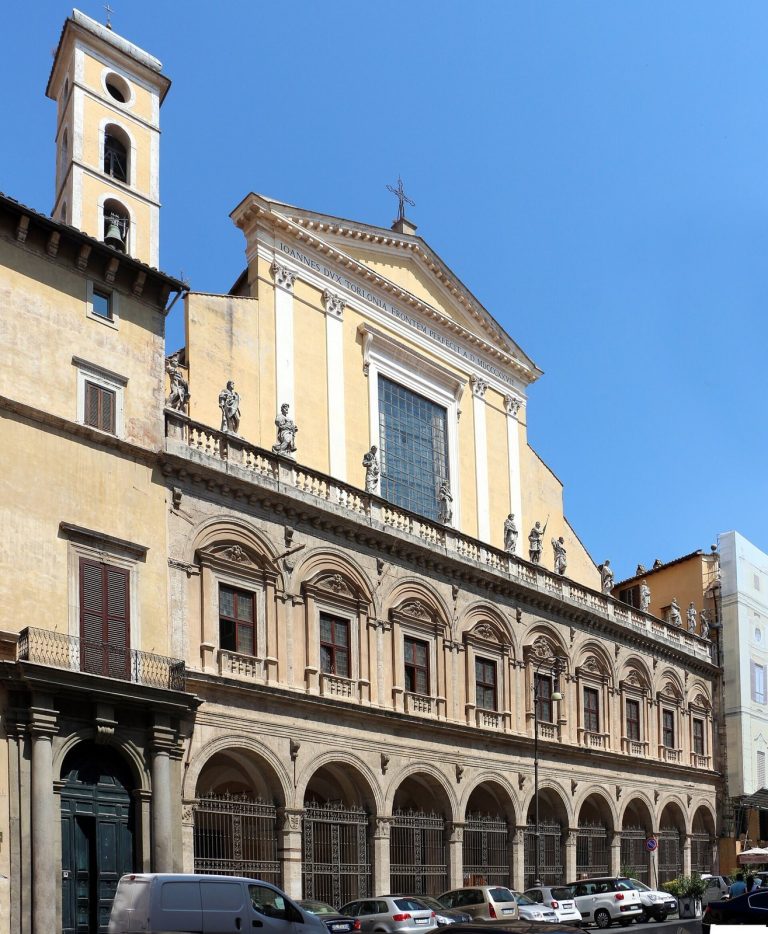
Santi Apostoli is a Roman basilica in Rome whose history reaches from a sixth-century foundation through Renaissance and Baroque rebuilding. It…
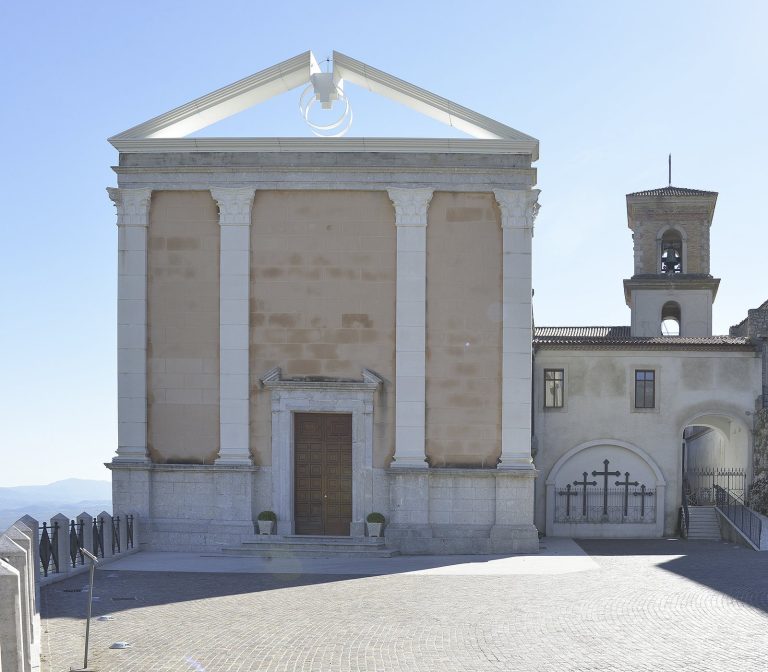
The Concattedrale di San Nicola is Muro Lucano’s principal church, erected around 1009 and consecrated in 1169. It became a co-cathedral in 1986…
For details on how to use the maps, which sites are included, how popularity and ratings are determined, and how sites are classified, see the help page.
On this page6 sections
Sant’Apollinare Nuovo: a mosaic programme altered after conquest
At Sant’Apollinare Nuovo in Ravenna, long mosaic bands extend above the nave arcades. Gospel scenes occupy an upper register, while processions of male and female saints move along the lower walls. The church was founded under the Ostrogothic king Theodoric and its decoration was partly changed after the Byzantine conquest.
The palace image provides particularly clear evidence of that intervention. Figures associated with the earlier court were removed or covered, and curtains were inserted between the depicted columns. Traces of hands remain on some columns, preserving fragments of the composition that the later work attempted to conceal.
Marble columns and the arcades define the aisled interior below the mosaics. The later entrance porch, bell tower and rebuilt sanctuary belong to the building’s subsequent history, rather than the original decorative campaign.
Santa Maria Antiqua: paintings layered inside a Roman hall
Santa Maria Antiqua, in the Roman Forum, occupies a hall adapted into a church below the Palatine. Its walls preserve successive layers of painted decoration, including fragments of the Virgin enthroned like an empress and an angel. The overlapping plaster surfaces make the sequence of repainting visible within the surviving interior.
The Chapel of Theodotus preserves an extensive eighth-century cycle with a Crucifixion and scenes from the lives of Saints Quiricus and Julitta. These paintings belong to a particular patron’s chapel within the larger church. Other rooms contain images of medical saints and martyrs, giving different parts of the building their own decorative subjects.
The Roman structural shell and the later Christian paintings remain closely connected. The church’s history is expressed through the reuse of the hall and the repeated decoration of its surfaces, rather than a freestanding Byzantine building on an empty site.
Five-domed churches in Calabria
The Cattolica di Stilo has a small square plan divided into nine compartments by four columns. Five domes cover the centre and the corner spaces, while three apses project from the eastern side. Brick walls and closely grouped domes give the exterior a compact, almost cubic form.
Inside, the columns include reused ancient material, and fragments of wall painting survive from successive phases. The building belongs to Calabria’s Byzantine period before Norman conquest, although its precise construction date is debated within the ninth and tenth centuries.
At San Marco’s Oratory in Rossano, five domes also rise above a square church with three eastern apses. The building occupies a rocky spur at the edge of the old town. A fragmentary image of the Virgin Hodegetria survives inside, while the domes and apses preserve the main outline of its Byzantine design. Modern restoration has affected some internal elements, so its present fittings should not all be assigned to the original church.
Syracuse: a temple reshaped for Christian worship
The Temple of Athena at Syracuse survives within the cathedral on Ortigia. During its seventh-century conversion, the spaces between the external columns were filled with masonry, while openings cut through the inner temple walls connected the new church’s central space with its aisles.
Ancient Doric columns remain visible along the cathedral’s side and within the interior. Their relationship with the inserted walls explains the conversion directly: the Greek temple supplied the structural frame for the Christian basilica. The cathedral’s later façade and furnishings belong to further phases of rebuilding.
Sant’Aniceto: a fortified enclosure above the coast
The Castle of Sant’Aniceto, near Reggio Calabria, occupies a narrow rocky hill with an irregular enclosure following the summit. Its walls preserve the outline of a Byzantine stronghold established in the eleventh century. The position controlled approaches between the coast and the inland slopes.
Later rulers enlarged and altered the fortress. The square towers beside the entrance belong to Norman work, while the enclosure incorporates the earlier defensive site. The remaining circuit adds a military building to a collection otherwise particularly rich in church interiors.
Explore the collection
Explore sites on the map or in the grid. Map icons reflect each site’s primary function, helping you identify different kinds of places at a glance. Narrow the results by primary function, site type or era, with additional filters for popularity and rating. Select a map marker to view the site’s details and open its article, or open the article from its grid entry.