Venetian Sites: Explore Palaces, Churches and Coastal Fortifications
Explore more than 400 Venetian sites, including government palaces, churches, historic residences and coastal fortifications. The collection follows the buildings of Venice and places constructed or adapted under Venetian rule across the Adriatic and eastern Mediterranean. Examples in Italy, Greece, Croatia and Albania preserve council chambers, marble façades, mosaic-covered domes and artillery bastions.
Primary Function: All
Type: All
Country: All
Popularity: All
Rating: All
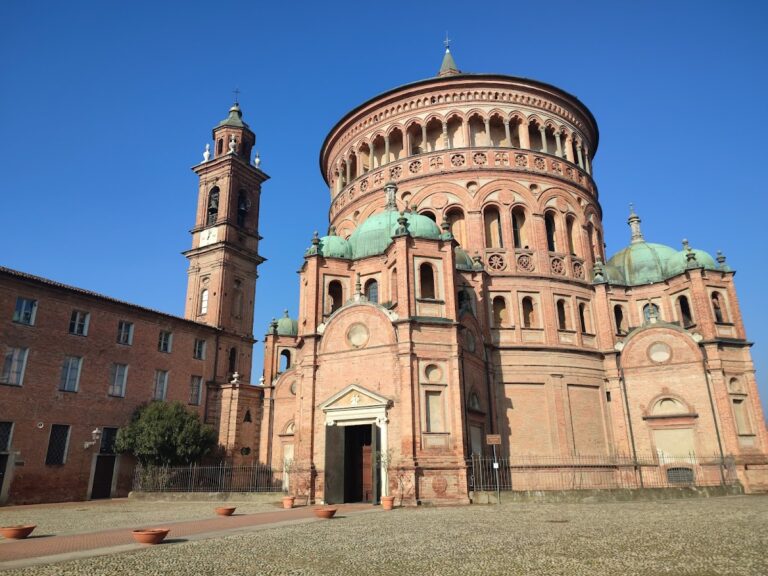
Santa Maria della Croce Sanctuary in Crema, Italy, was built around the reported 1490 apparition of the Virgin Mary to Caterina degli Uberti. Its…
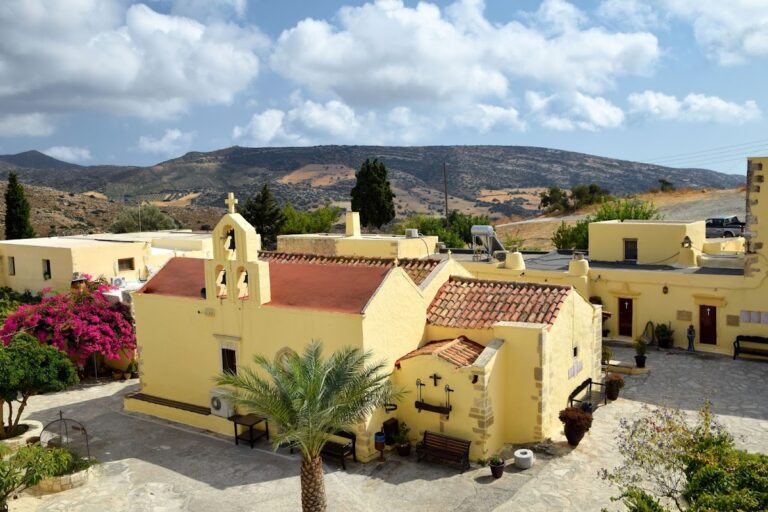
Hodegetria Monastery in Crete developed from a fourteenth-century foundation into a fortified refuge associated with Cretan resistance, especially…
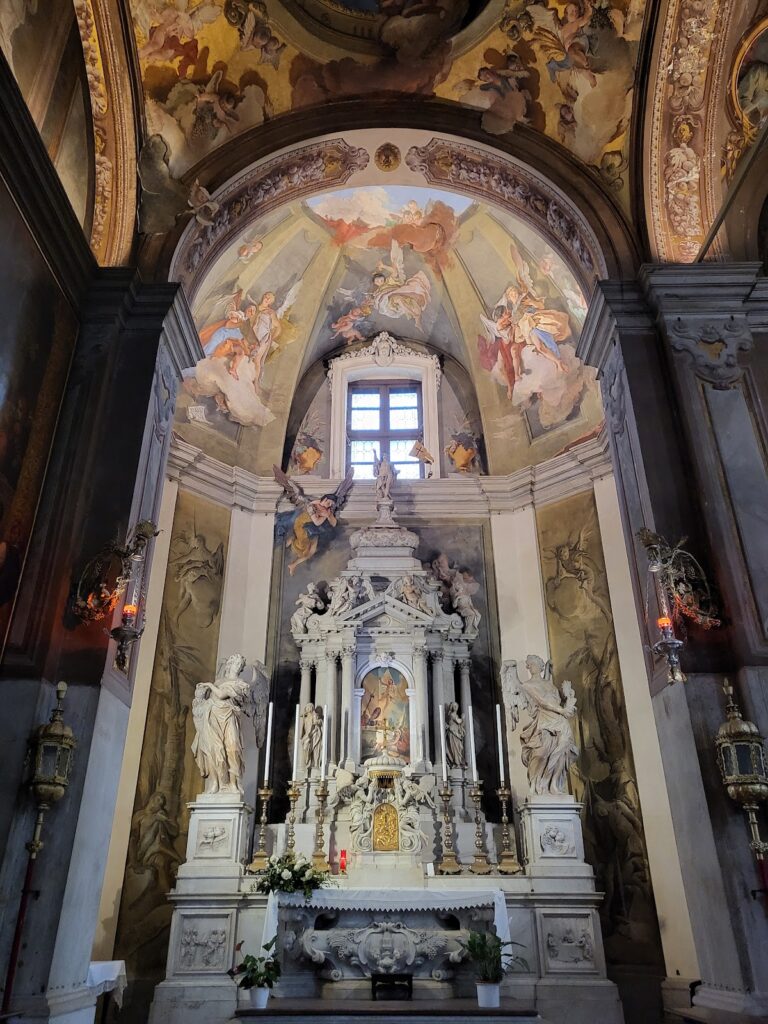
Udine Cathedral, formally the Metropolitan Cathedral of Santa Maria Annunziata, developed from a thirteenth-century church into a monument combining…
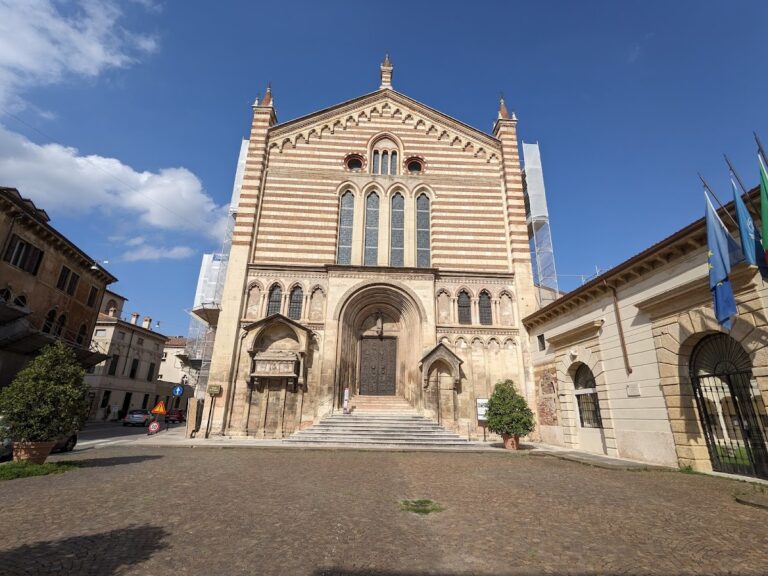
San Fermo Maggiore in Verona developed from an early Christian cemetery basilica into a Benedictine double church and later a Franciscan Gothic…
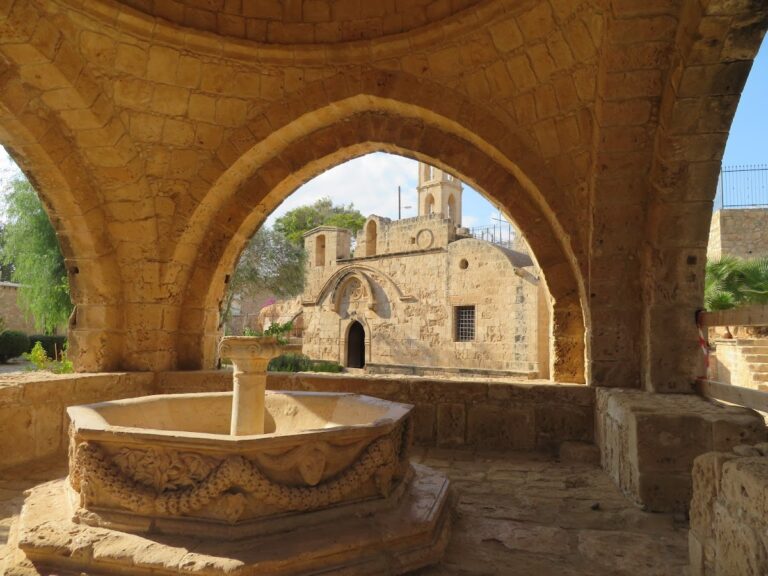
Agia Napa Monastery in Ayia Napa developed around a Byzantine-period sacred cave, took its present form during Venetian rule, and later became an…
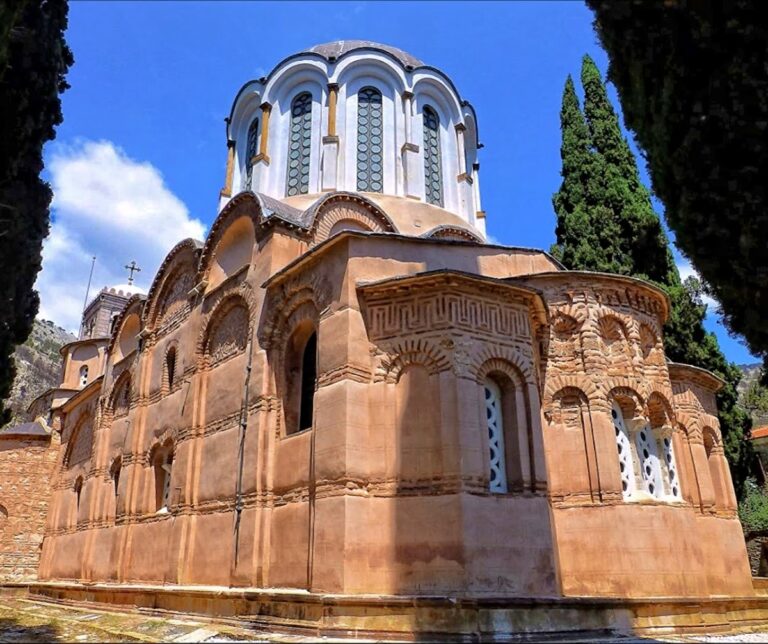
Nea Moni of Chios is an eleventh-century Byzantine monastery known for its imperial foundation, distinctive katholikon, surviving mosaics, and…
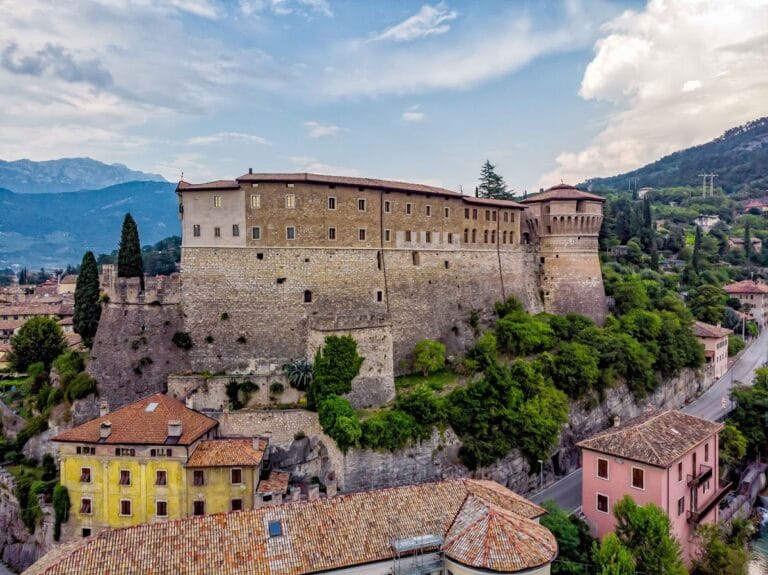
The Castle of Rovereto developed from a medieval stronghold into a Venetian artillery fortress and later housed military, charitable, and museum…
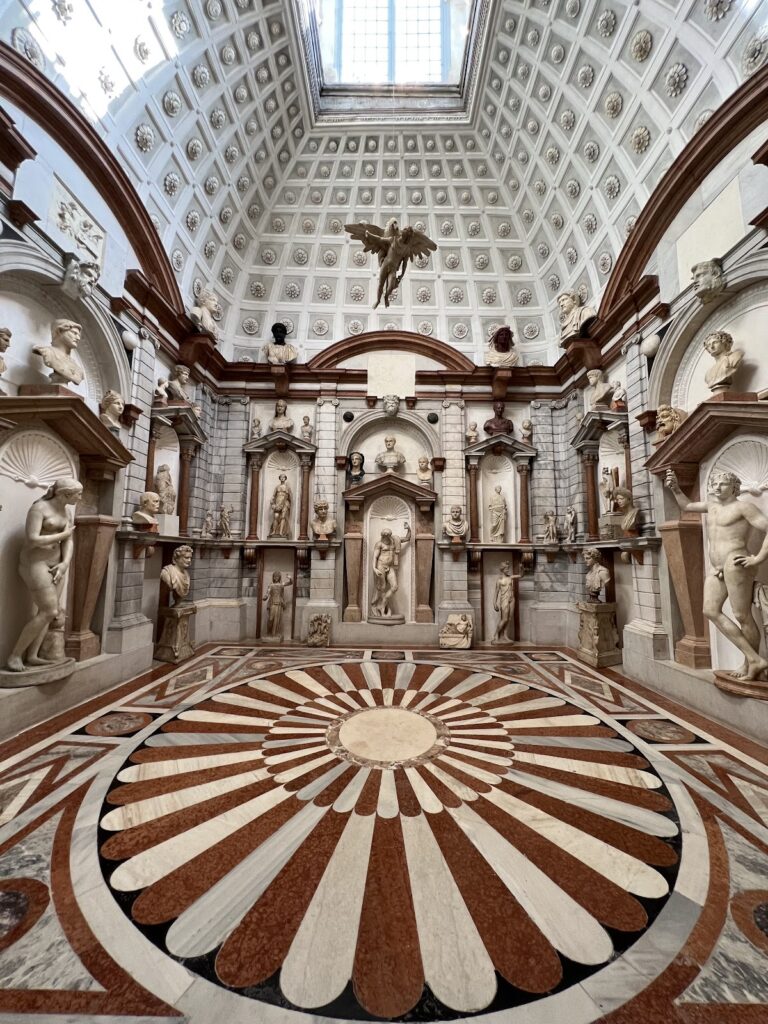
Palazzo Grimani di Santa Maria Formosa developed from a medieval Venetian residence into a richly decorated Renaissance palace and museum shaped by…
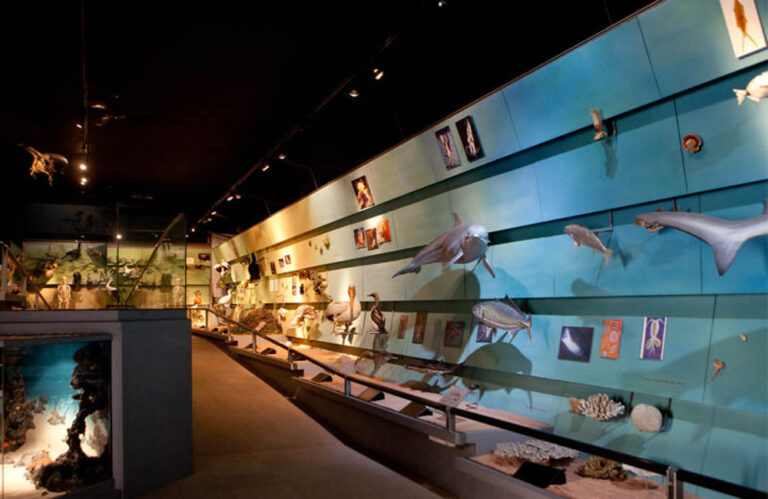
Palazzo Pompei is a Renaissance palace in Verona designed by Michele Sanmicheli. Acquired by the Pompei family in 1579, it later became Verona’s…
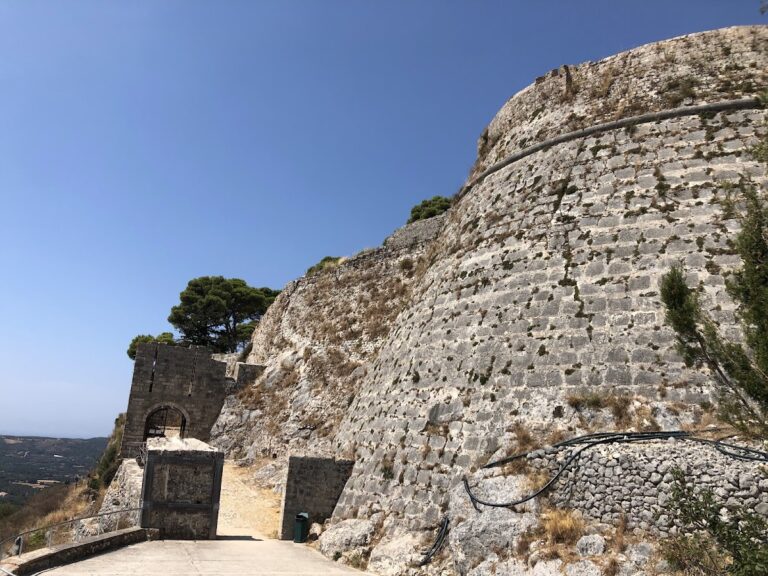
Fortress St. George was Kefalonia’s principal fortified settlement and administrative capital from the Middle Ages until 1757. Its Byzantine…
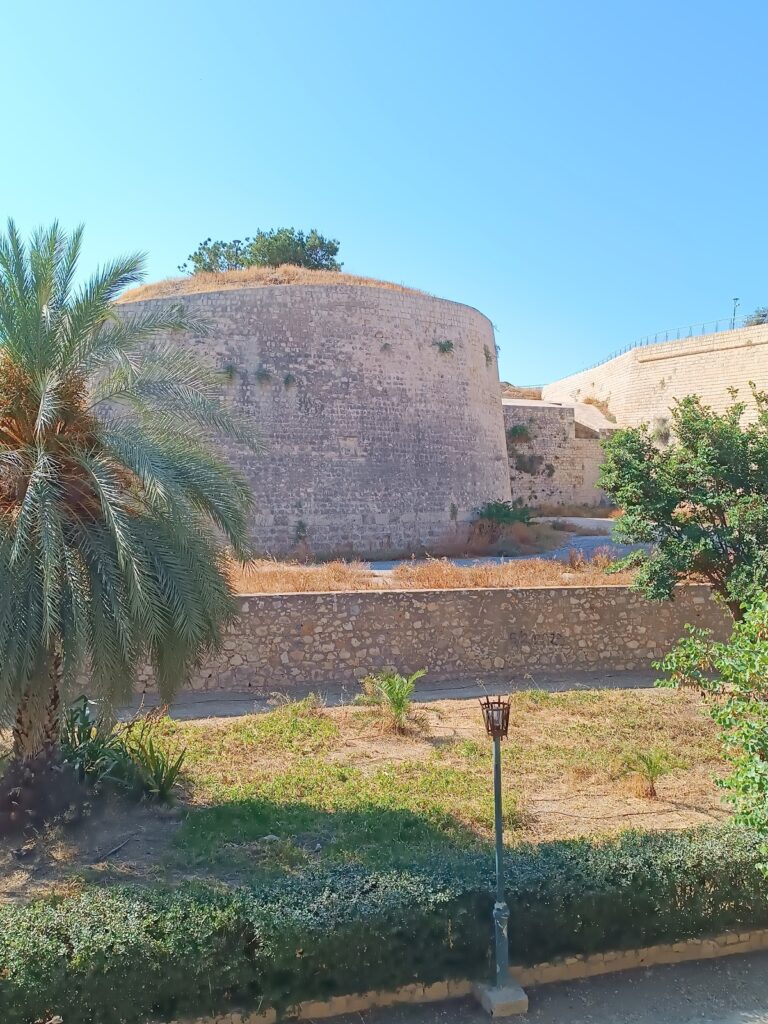
The Fortifications of Heraklion preserve the layered history of Byzantine, Arab, Venetian, and Ottoman defenses, including a largely intact Venetian…
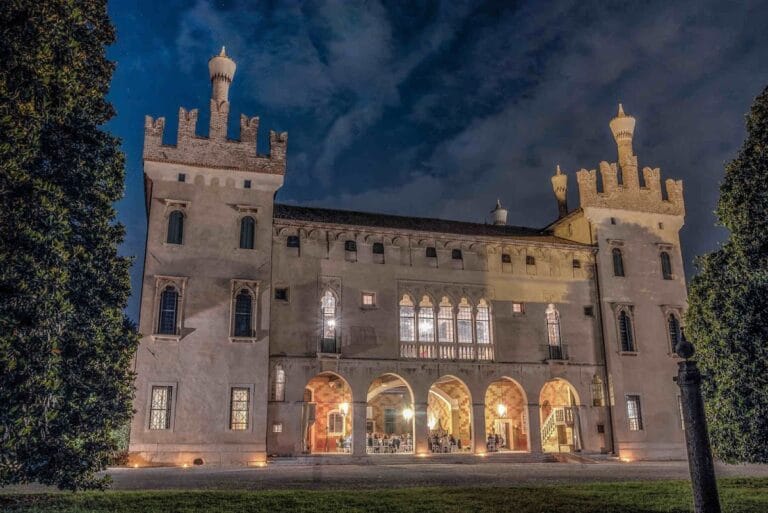
Palazzo Porto Colleoni Thiene is a fifteenth-century palace in Thiene that combines Venetian Gothic architecture, commercial storage functions,…
For details on how to use the maps, which sites are included, how popularity and ratings are determined, and how sites are classified, see the help page.
On this page6 sections
Government palaces and council chambers
The Doge’s Palace in Venice housed the institutions of the republic as well as the doge’s residence. The Great Council Chamber occupies a large part of the waterfront wing. Its broad interior has no central columns: a timber roof structure spans the hall above the space formerly occupied by rows of benches.
Large pointed windows light the chamber, while paintings and a frieze of doges line its walls. Much of the decoration followed the fire of 1577. The surrounding sequence of council and magistrates’ rooms preserves the division of government into separate offices, with interiors arranged for assemblies, deliberation and record keeping.
Basilicas, domes and mosaic interiors
Saint Mark’s Basilica stands beside the palace and served as the doge’s chapel and the republic’s state sanctuary. Its five domes rise over a cross-shaped plan derived from Byzantine models. Barrel vaults and major piers carry the roof, while marble covers the lower walls and mosaics extend across the upper surfaces.
The decoration accumulated over centuries. Columns, carved panels and stonework brought from elsewhere were incorporated into the building, including material taken from Byzantine monuments. The result belongs to Venetian patronage and ceremonial use, while its structure and decoration retain strong connections with the eastern Mediterranean.
Confraternity halls and marble façades
The Scuola Grande di San Marco was built for a lay religious and charitable confraternity. Its façade faces Campo Santi Giovanni e Paolo and is divided into two parts corresponding to the rooms behind it. White and coloured marble frame doorways, windows and sculpted panels.
Some of the lower reliefs use carefully carved perspective to suggest deep architectural passages in a shallow stone surface. Winged lions and scenes from the life of Saint Mark connect the decoration with the confraternity’s patron. Rebuilt after a fifteenth-century fire, the complex was later adapted as a hospital, altering the interiors while retaining the distinctive exterior.
Fortified cities and artillery bastions
The Old Fortress of Corfu occupies a rocky peninsula with two fortified peaks. Venetian engineers separated it from the town by a sea-filled channel, the Contrafossa, and strengthened the approaches with bastions and further ditches. The open ground of the Spianada provided space in front of the defences. Buildings inside include later British additions, which belong to the fortress’s subsequent occupation.
At Heraklion, formerly Venetian Candia, a long landward wall links seven projecting bastions around the city. Broad ditches and angled defensive faces were designed for artillery warfare. Gates controlled passage through this perimeter, while separate works protected the harbour. Much of the land front survives even though several outlying fortifications have disappeared.
Harbour forts and coastal enclosures
Saint Nicholas Fortress, near Šibenik in Croatia, guards the narrow channel leading to the city’s harbour. Its compact island plan concentrates gun positions around the maritime approach. Stone forms the lower structure near sea level, with brick used extensively above. The broad defensive mass and gun platforms belong to the sixteenth-century development of Venetian artillery fortification.
Bashtovë Fortress, on Albania’s coastal plain, has a rectangular enclosure with standing walls and round corner towers beside the Shkumbin River. Much of its masonry is attributed to the Venetian phase, although the site’s initial construction date is disputed. The western wall was rebuilt under Ottoman rule. Its river setting and open interior provide a different arrangement from the tightly packed gun platforms at Saint Nicholas, with a walled compound serving a coastal trading route.
Explore the collection
Explore sites on the map or in the grid. Map icons reflect each site’s primary function, helping you identify different kinds of places at a glance. Narrow the results by country, primary function, site type or era, with additional filters for popularity and rating. Select a map marker to view the site’s details and open its article, or open the article from its grid entry.