Venetian Sites: Explore Palaces, Churches and Coastal Fortifications
Explore more than 400 Venetian sites, including government palaces, churches, historic residences and coastal fortifications. The collection follows the buildings of Venice and places constructed or adapted under Venetian rule across the Adriatic and eastern Mediterranean. Examples in Italy, Greece, Croatia and Albania preserve council chambers, marble façades, mosaic-covered domes and artillery bastions.
Primary Function: All
Type: All
Country: All
Popularity: All
Rating: All
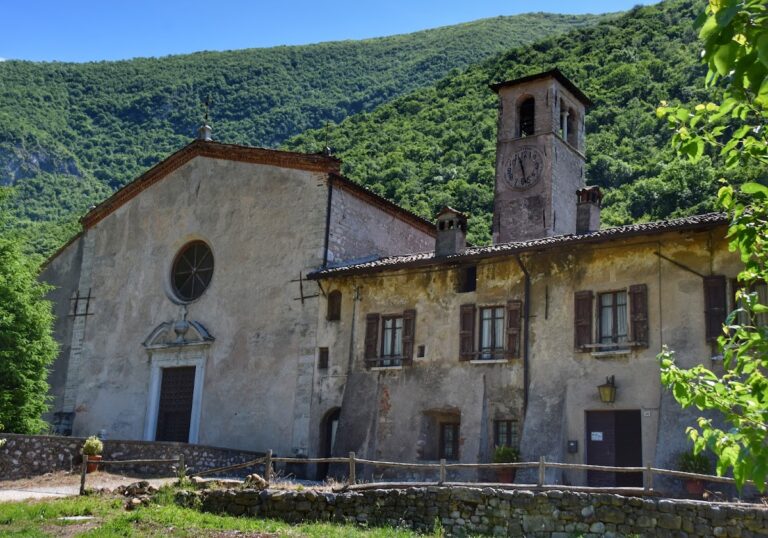
Pieve della Mitria at Nave preserves the development of a Lombard parish church from Late Antiquity through the Renaissance, together with its…
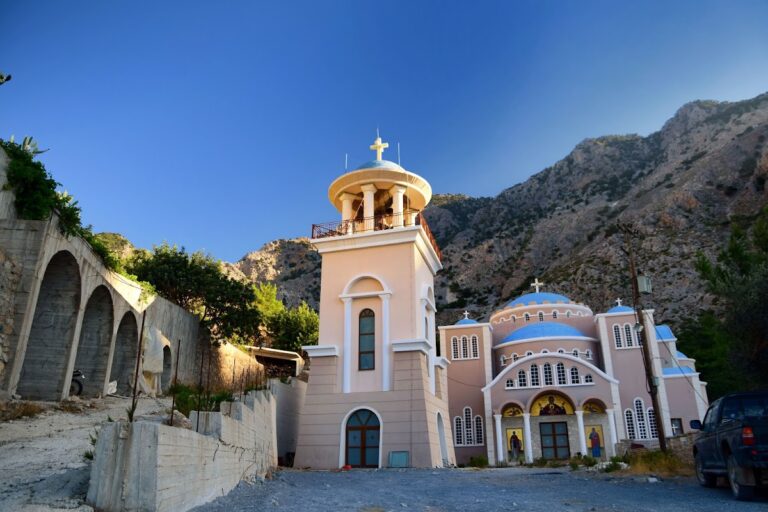
Agios Nikolaos Monastery near Zaros preserves Venetian-period churches, fourteenth-century wall paintings, and the history of a former…
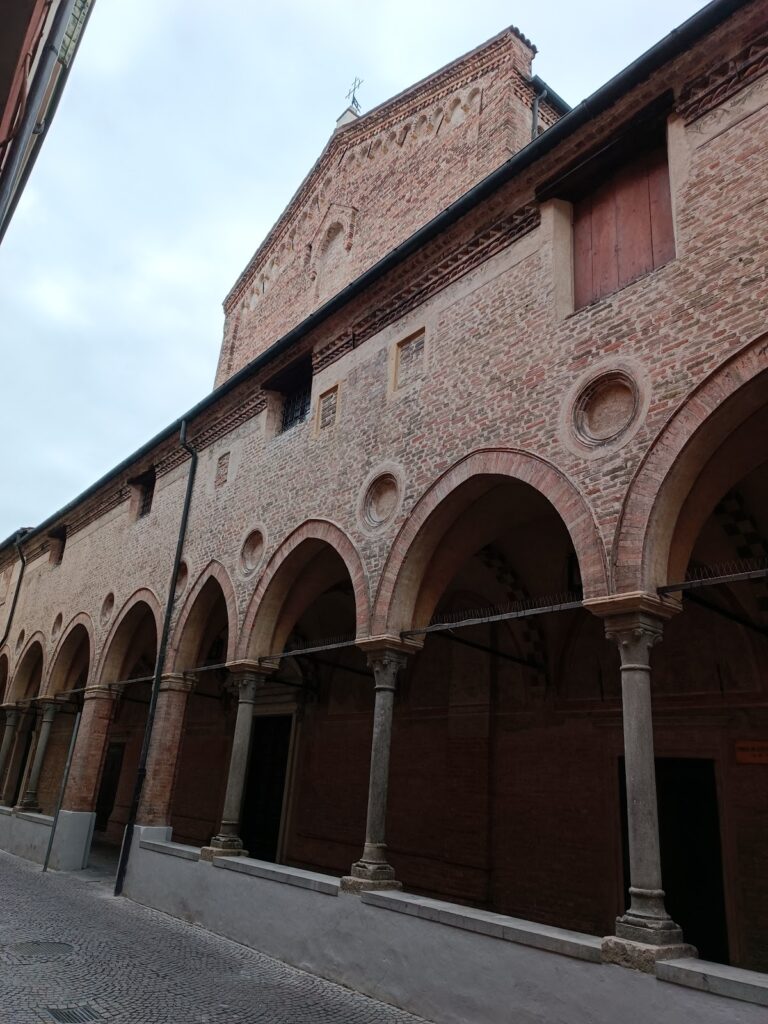
Founded in the early fifteenth century by Baldo de Bonafarii and Sibilla de Cetto, the Church of Saint Francis the Greater in Padua developed as part…
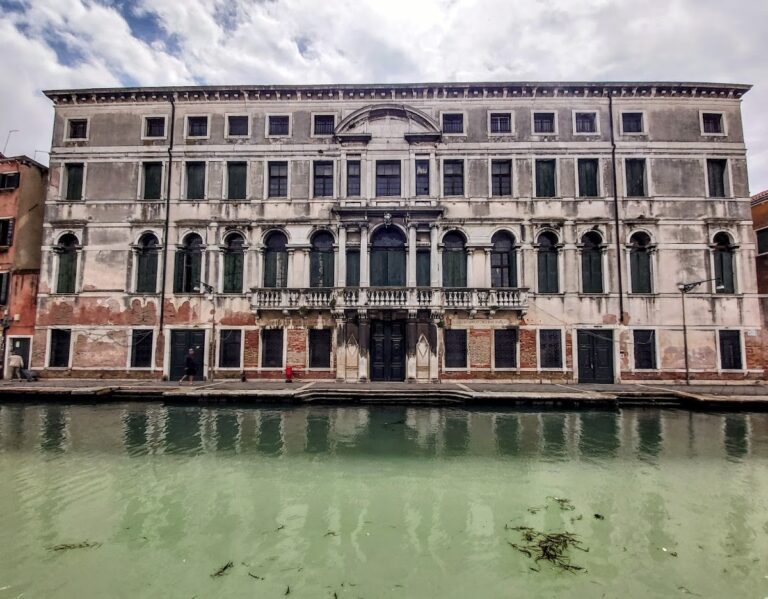
Ca' Zenobio degli Armeni is a Baroque palace in Venice whose history spans the Zenobio family, Armenian Mekhitarist ownership, and the Moorat-Raphael…
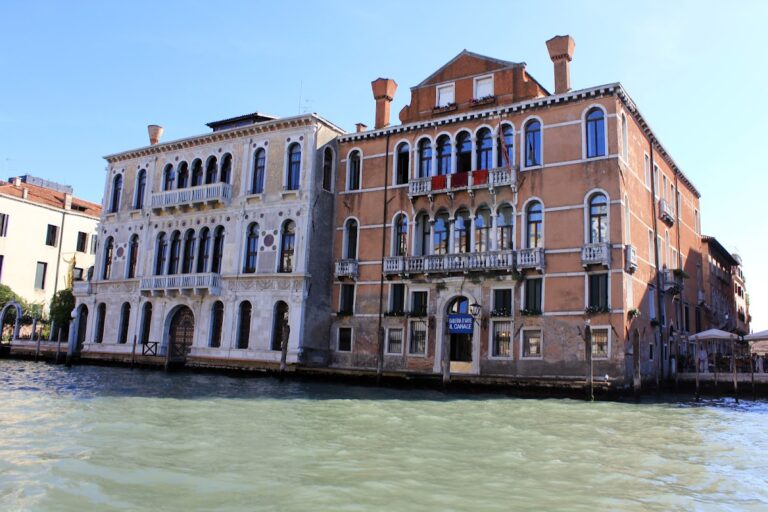
Palazzo Contarini Polignac is a marble-faced Venetian palace whose Renaissance facade, Contarini family history, and musical and intellectual…
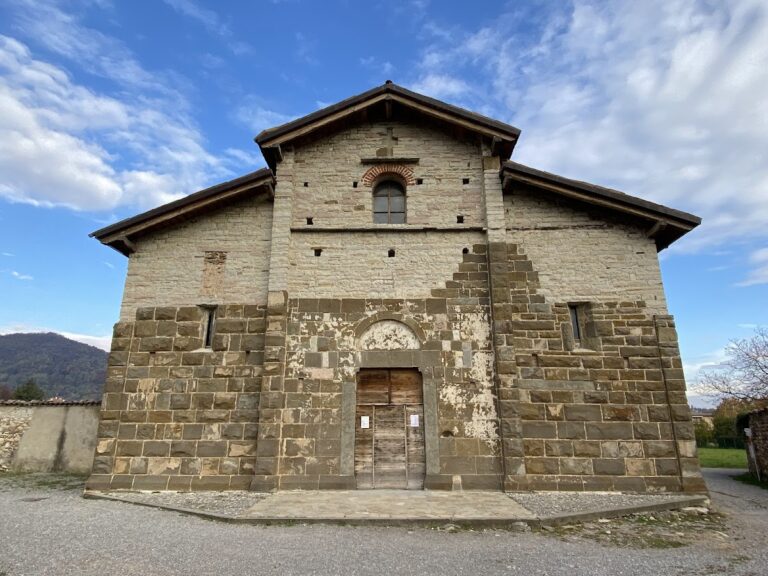
San Giorgio in Lemine is a medieval Romanesque church in northern Italy, known for its layered fresco cycle, changing religious functions, and…
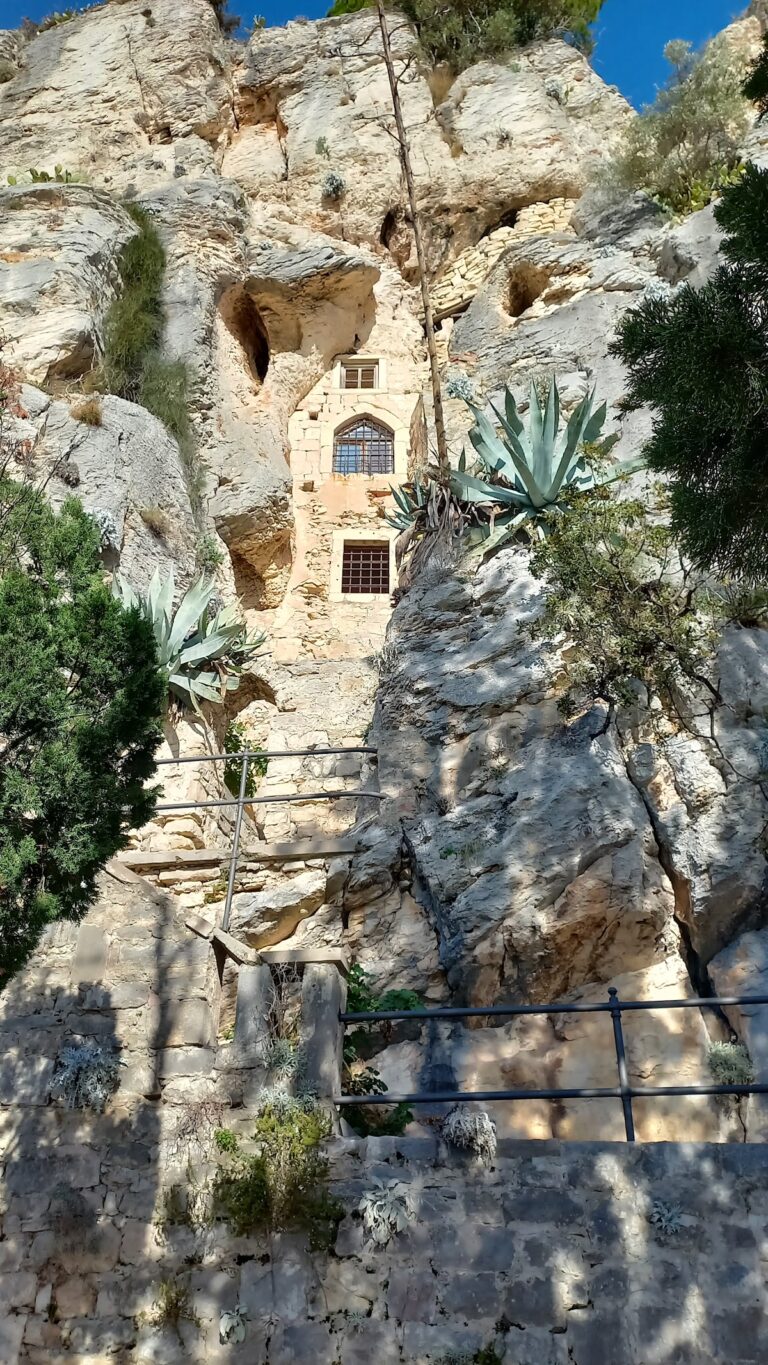
The Church of St. Jerome in Split is a fifteenth-century Gothic-Renaissance church beside a cliff on Marjan, with a historic hermit’s oratory,…
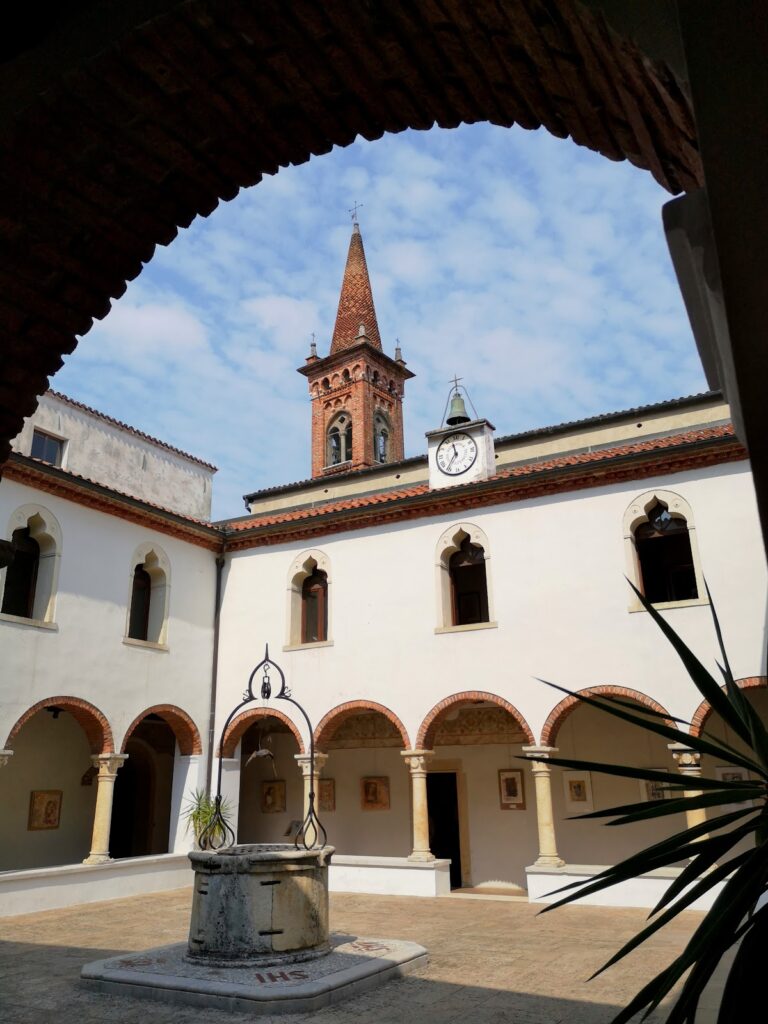
Santa Maria del Cengio in Isola Vicentina is a medieval Marian church whose conventual history spans the Bridgettines, the canons of San Salvatore,…
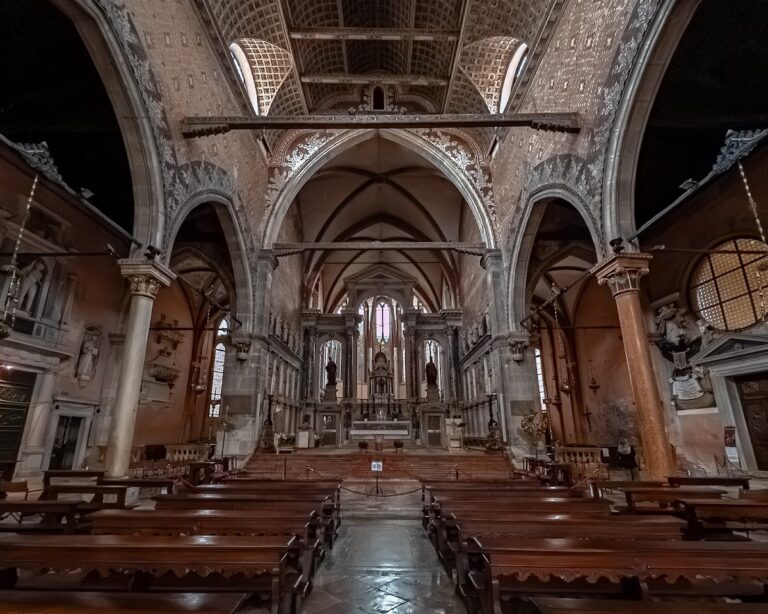
Santo Stefano is a major Gothic church in Venice, founded by Augustinian hermits in 1294 and shaped by centuries of rebuilding, religious use,…
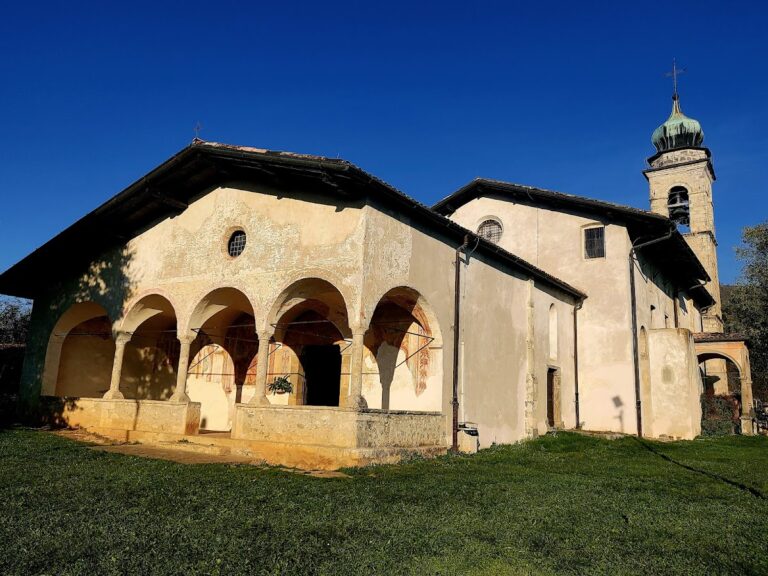
Santissima Trinità is a Catholic sanctuary at Ronco Trinità in Casnigo, whose medieval origins, Renaissance enlargement, confraternity history, and…
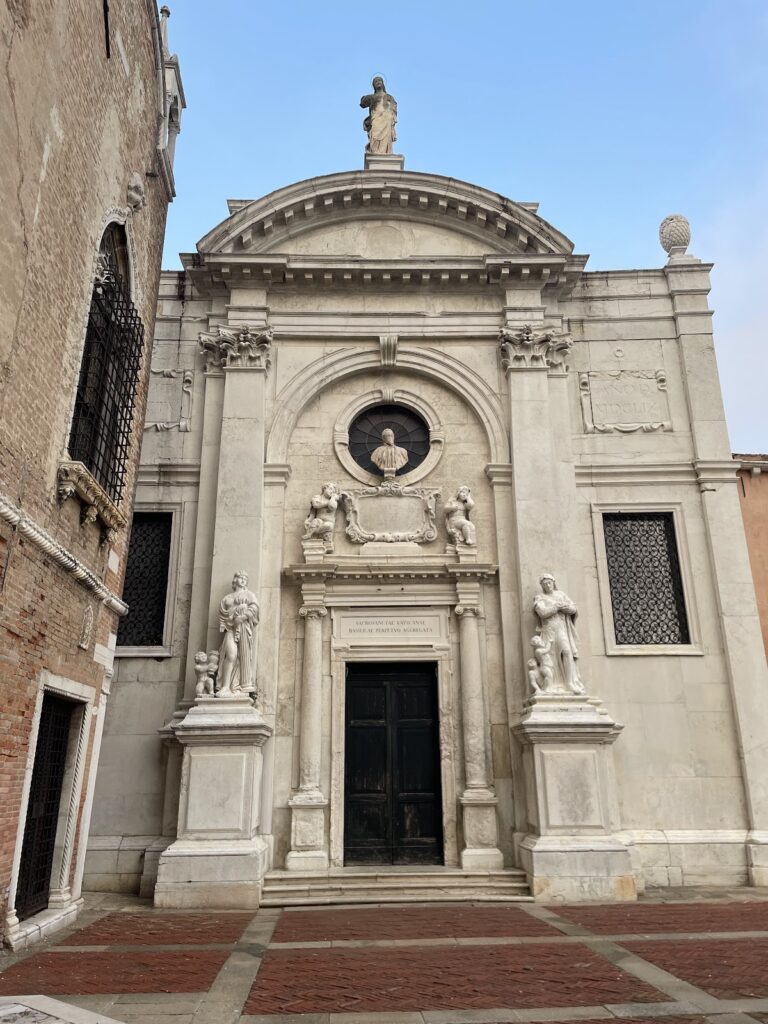
Abbazia della Misericordia is a former church in Venice’s Cannaregio district, with medieval origins, a Baroque facade, and a long association with…
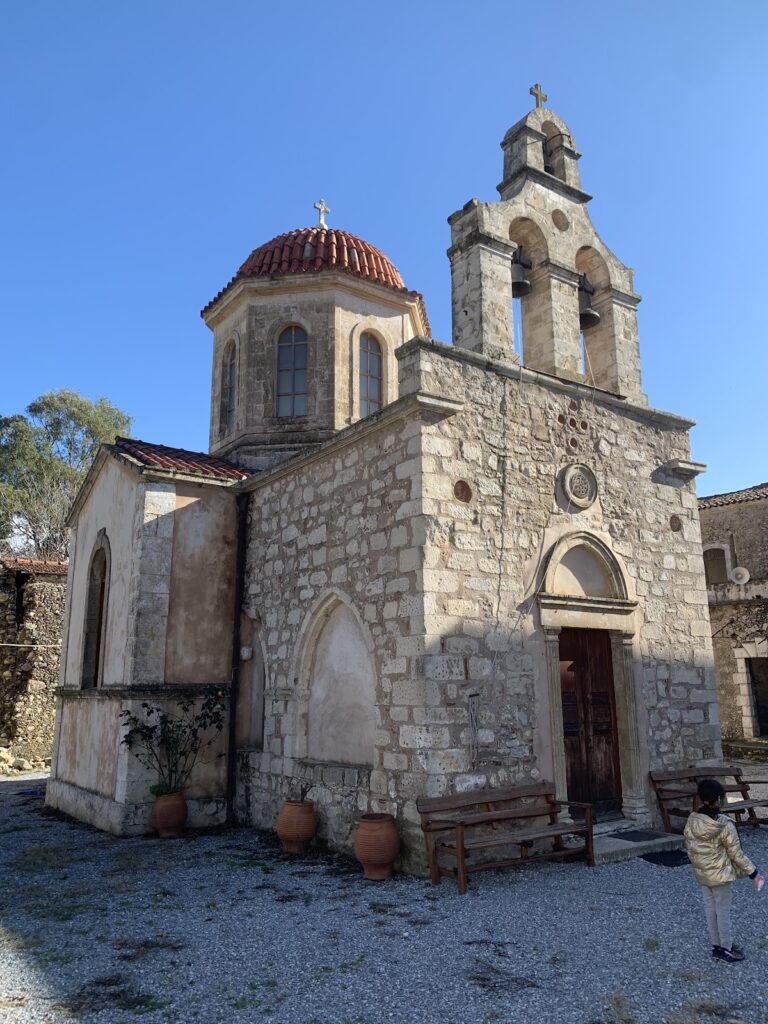
Moni Asomaton is a monastery in Crete’s Amari Valley whose history spans the Byzantine, Venetian, Ottoman, and modern periods. Its church,…
For details on how to use the maps, which sites are included, how popularity and ratings are determined, and how sites are classified, see the help page.
On this page6 sections
Government palaces and council chambers
The Doge’s Palace in Venice housed the institutions of the republic as well as the doge’s residence. The Great Council Chamber occupies a large part of the waterfront wing. Its broad interior has no central columns: a timber roof structure spans the hall above the space formerly occupied by rows of benches.
Large pointed windows light the chamber, while paintings and a frieze of doges line its walls. Much of the decoration followed the fire of 1577. The surrounding sequence of council and magistrates’ rooms preserves the division of government into separate offices, with interiors arranged for assemblies, deliberation and record keeping.
Basilicas, domes and mosaic interiors
Saint Mark’s Basilica stands beside the palace and served as the doge’s chapel and the republic’s state sanctuary. Its five domes rise over a cross-shaped plan derived from Byzantine models. Barrel vaults and major piers carry the roof, while marble covers the lower walls and mosaics extend across the upper surfaces.
The decoration accumulated over centuries. Columns, carved panels and stonework brought from elsewhere were incorporated into the building, including material taken from Byzantine monuments. The result belongs to Venetian patronage and ceremonial use, while its structure and decoration retain strong connections with the eastern Mediterranean.
Confraternity halls and marble façades
The Scuola Grande di San Marco was built for a lay religious and charitable confraternity. Its façade faces Campo Santi Giovanni e Paolo and is divided into two parts corresponding to the rooms behind it. White and coloured marble frame doorways, windows and sculpted panels.
Some of the lower reliefs use carefully carved perspective to suggest deep architectural passages in a shallow stone surface. Winged lions and scenes from the life of Saint Mark connect the decoration with the confraternity’s patron. Rebuilt after a fifteenth-century fire, the complex was later adapted as a hospital, altering the interiors while retaining the distinctive exterior.
Fortified cities and artillery bastions
The Old Fortress of Corfu occupies a rocky peninsula with two fortified peaks. Venetian engineers separated it from the town by a sea-filled channel, the Contrafossa, and strengthened the approaches with bastions and further ditches. The open ground of the Spianada provided space in front of the defences. Buildings inside include later British additions, which belong to the fortress’s subsequent occupation.
At Heraklion, formerly Venetian Candia, a long landward wall links seven projecting bastions around the city. Broad ditches and angled defensive faces were designed for artillery warfare. Gates controlled passage through this perimeter, while separate works protected the harbour. Much of the land front survives even though several outlying fortifications have disappeared.
Harbour forts and coastal enclosures
Saint Nicholas Fortress, near Šibenik in Croatia, guards the narrow channel leading to the city’s harbour. Its compact island plan concentrates gun positions around the maritime approach. Stone forms the lower structure near sea level, with brick used extensively above. The broad defensive mass and gun platforms belong to the sixteenth-century development of Venetian artillery fortification.
Bashtovë Fortress, on Albania’s coastal plain, has a rectangular enclosure with standing walls and round corner towers beside the Shkumbin River. Much of its masonry is attributed to the Venetian phase, although the site’s initial construction date is disputed. The western wall was rebuilt under Ottoman rule. Its river setting and open interior provide a different arrangement from the tightly packed gun platforms at Saint Nicholas, with a walled compound serving a coastal trading route.
Explore the collection
Explore sites on the map or in the grid. Map icons reflect each site’s primary function, helping you identify different kinds of places at a glance. Narrow the results by country, primary function, site type or era, with additional filters for popularity and rating. Select a map marker to view the site’s details and open its article, or open the article from its grid entry.