Wellenberg Castle: A Medieval Fortress near Frauenfeld, Switzerland
Visitor Information
Google Rating: 4.6
Popularity: Low
Official Website: www.schlosswellenberg.ch
Country: Switzerland
Civilization: Early Modern, Medieval European
Site type: Military
Remains: Castle
History
Wellenberg Castle is located near Frauenfeld in Switzerland and was originally constructed by medieval European nobility. The fortress first appears in historical records in 1204, linked to Walter von Wellenberg. During the turbulent period at the end of the Interregnum—a time without a recognized emperor—the castle was used as a base for local raids. This led to its destruction by troops from Zürich in 1258. Following the attack, Ulrich von Wellenberg and his nephews were captured and imprisoned in Zürich, compelled to swear peace, yet they retained the right to live in Frauenfeld.
In the late 14th century, around 1370, the castle became part of the holdings of the Reichenau monastery as a fief. Soon after, it transitioned into the hands of the von Strass family and subsequently the von Hohenlandenberg family. The rulers of Wellenberg oversaw not only the castle but also the jurisdiction of nearby villages, including Wellhausen and Thundorf, as well as several surrounding farms and administrative regions such as Mettendorf, Eschikofen, and Lustorf. The von Hohenlandenberg family served the Habsburg dynasty and were notable participants in the Appenzeller Wars. They administered their territories from multiple sites, including Frauenfeld and Sonnenberg castles.
The year 1450 marks the establishment of a chapel within the castle, founded by Margarethe von Hohenlandenberg. This chapel was significant enough to form the foundation of the later parish of Felben, showing a religious role alongside the castle’s secular functions. Around 1513, ownership passed to Jakob Mötteli von Rappenstein. Beginning in 1537 and lasting for about 130 years, the castle belonged to the von Ulm family. Just before the outbreak of the Thirty Years’ War, which devastated much of Europe in the early 17th century, Gregor von Ulm strengthened the castle’s defenses to prepare for potential conflict.
By 1669, the castle was acquired on behalf of the city of Zürich by Johannes Escher. Under Zürich’s ownership, the property remained until it was sold in 1815 to Joachim Leonz Eder. In the 20th century, specifically 1900, the estate passed into the hands of the Schenkel family after being sold by the Bienz siblings. Recognizing its historical importance, the Swiss federal government placed Wellenberg Castle under official protection in 2002. Two years later, in 2004, the Stiftung Schloss Wellenberg foundation was established to commemorate eight centuries of the castle’s history.
Remains
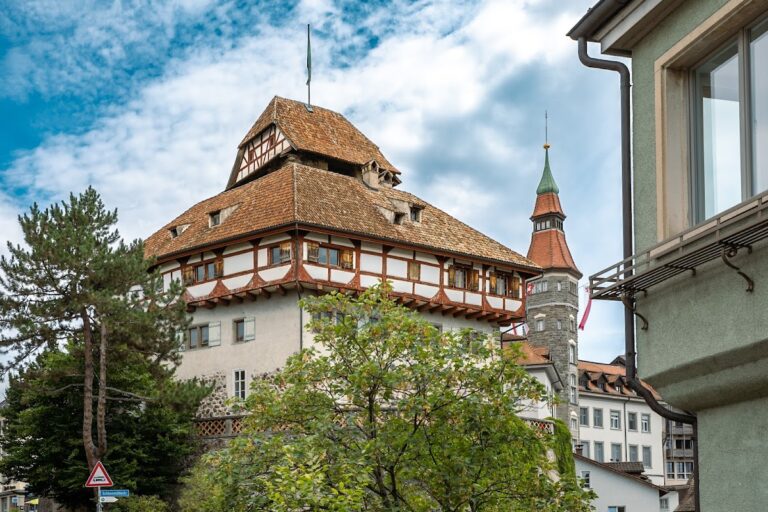
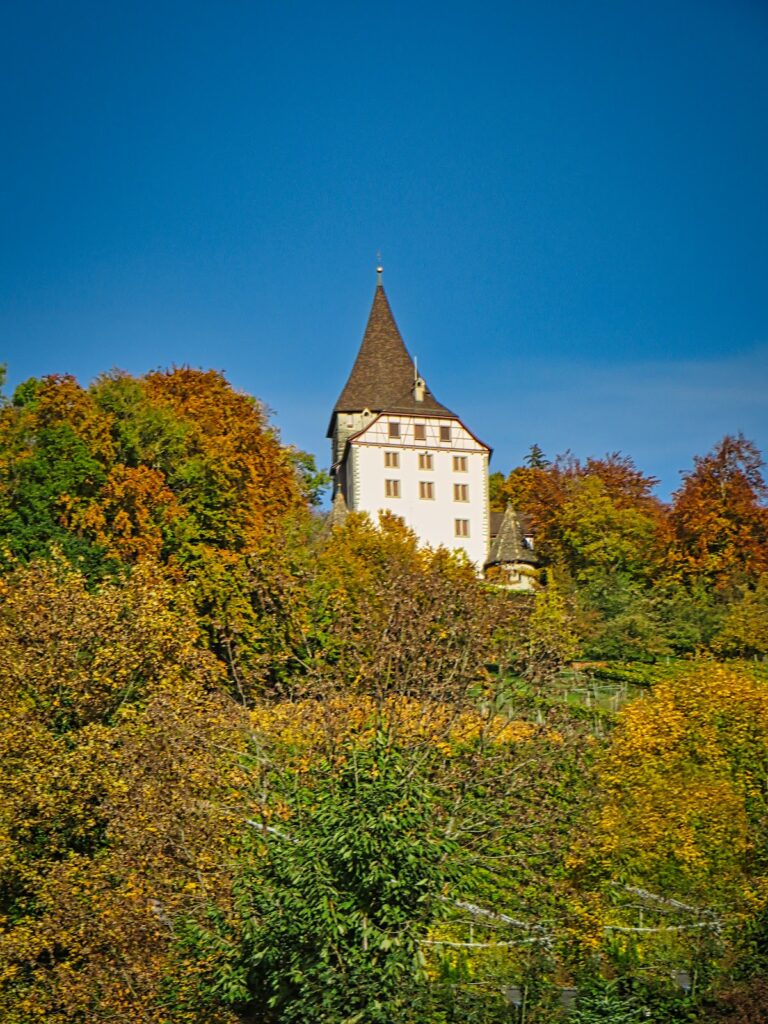
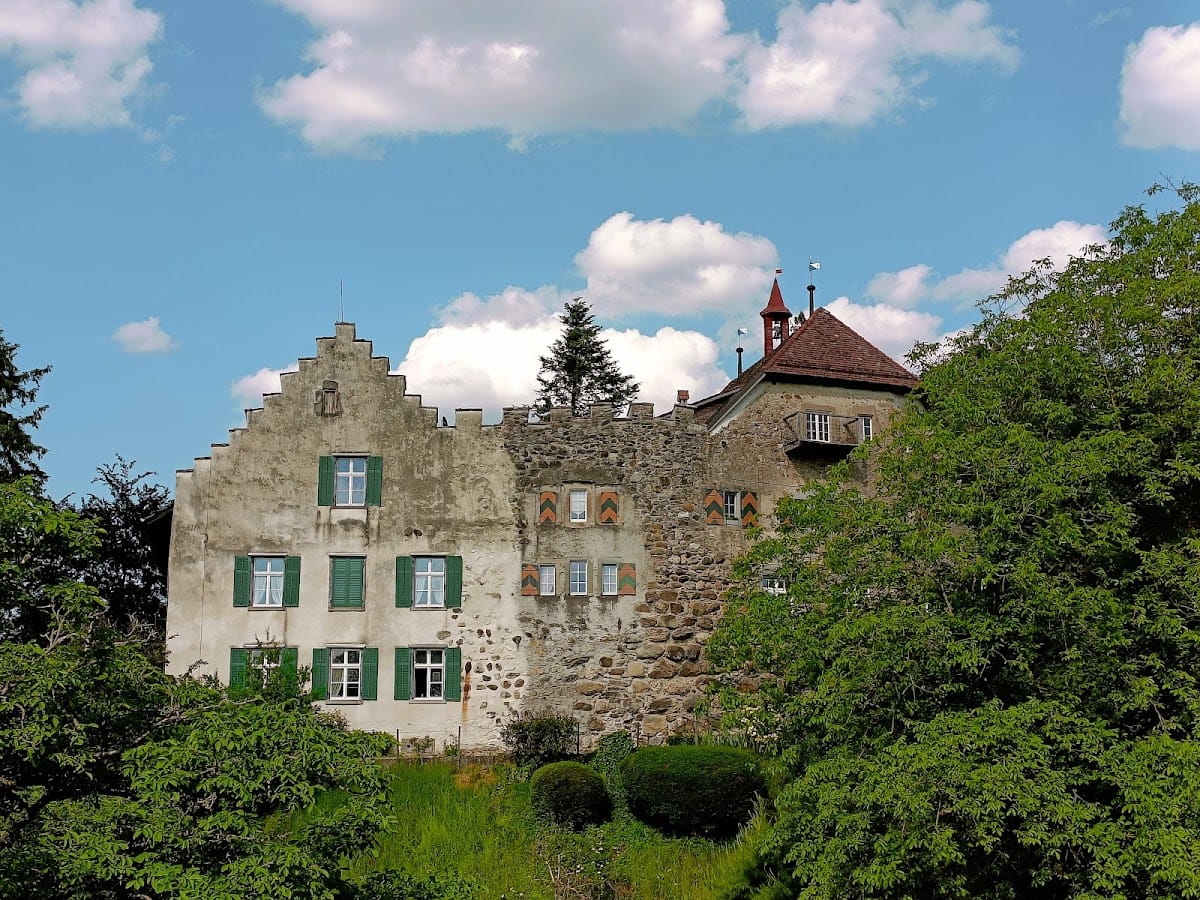
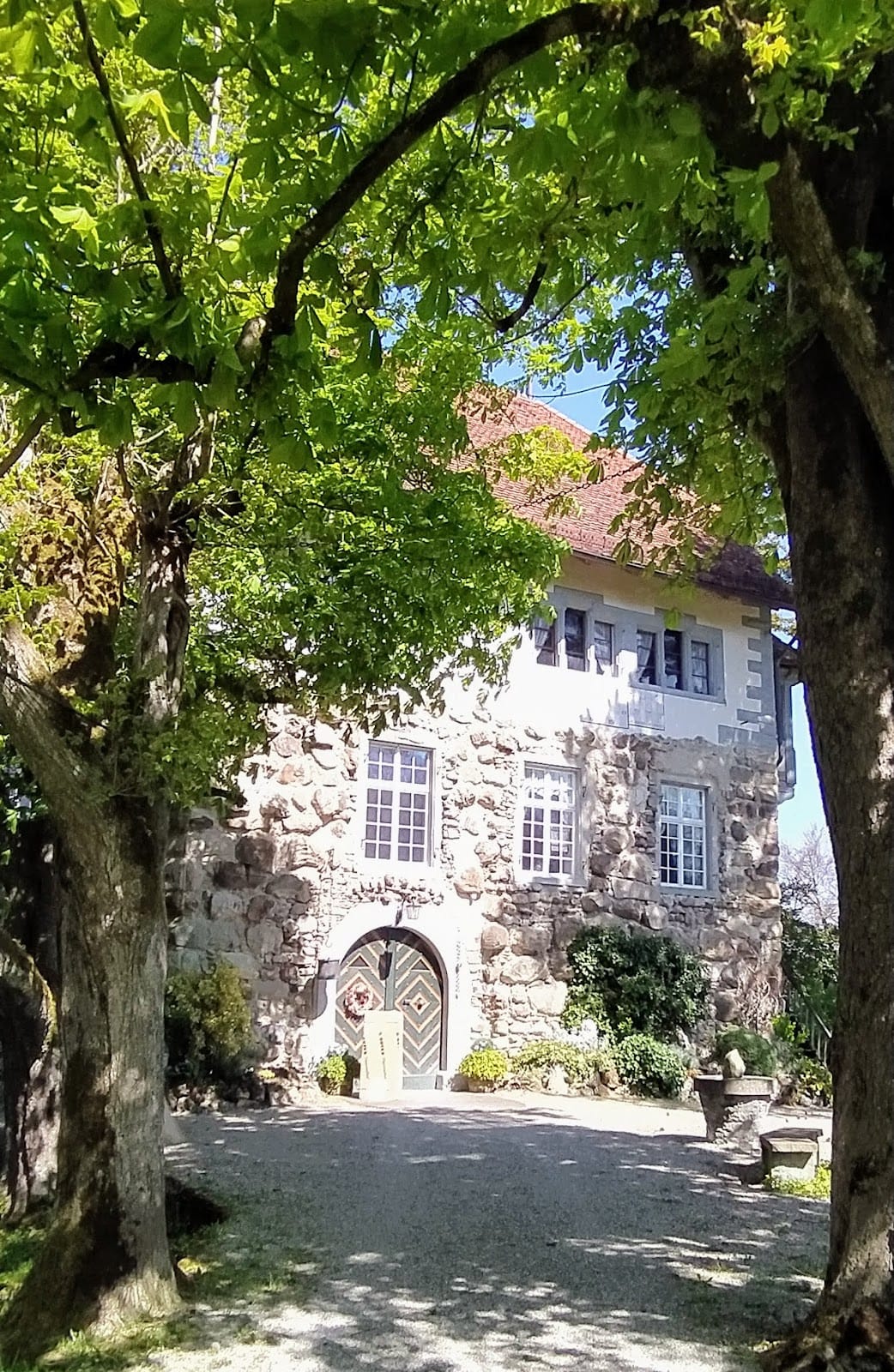
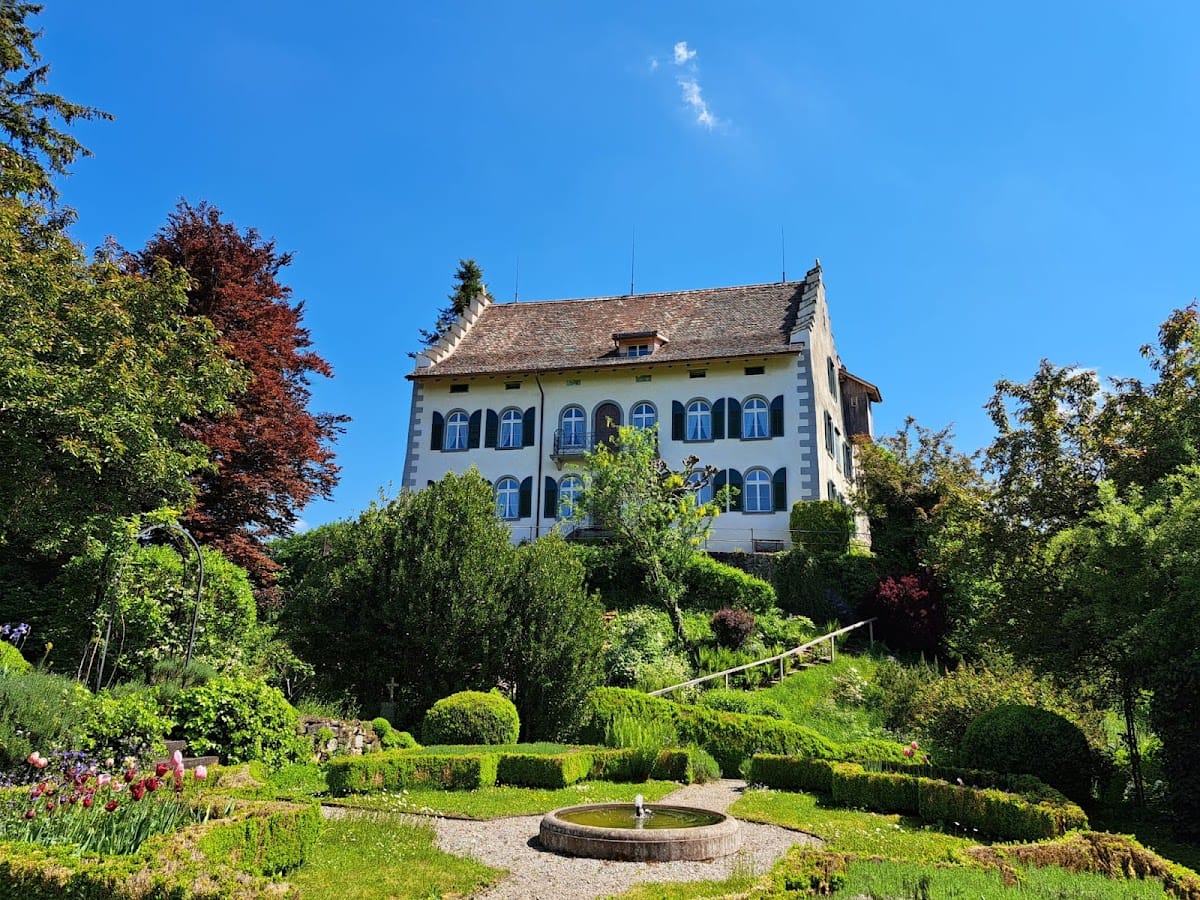
Wellenberg Castle is positioned on a prominent hill that overlooks the Thur valley, providing a commanding view of the surrounding area near Frauenfeld. This elevated site was chosen for strategic defense, forming the basis of the castle complex’s layout. Visual records and historical documents have preserved detailed representations of the castle’s ground floor and facade, indicating a carefully planned architectural structure typical of medieval fortifications.
The castle complex includes a chapel dating from 1450, founded by Margarethe von Hohenlandenberg. This chapel holds religious significance as the origin of the parish of Felben that developed later, showing that ecclesiastical architecture was integral to the castle’s design. While specific ornamental or liturgical details are not documented, the presence of the chapel adds a spiritual dimension to the site.
Prior to the Thirty Years’ War in the early 1600s, defensive improvements were made under the care of Gregor von Ulm. These enhancements suggest the addition or reinforcement of fortification elements such as stronger walls, battlements, or other military features, aiming to protect the estate during times of regional unrest. The exact nature of these defenses is not outlined, but their existence reflects the castle’s ongoing military relevance.
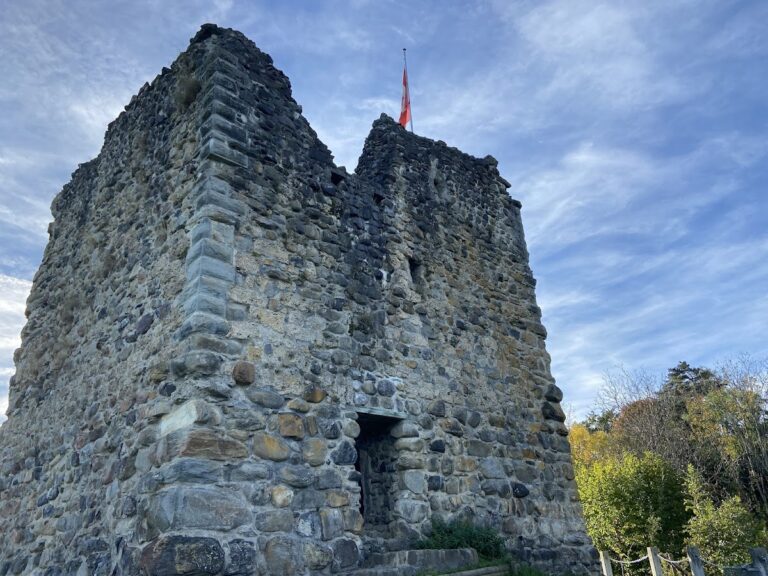
Today, Wellenberg Castle remains sufficiently preserved to merit federal protection since 2002. The estate’s structural integrity and historical features have been maintained, allowing the castle to stand as a significant cultural monument. The interplay of its residential, religious, and military roles over centuries can still be traced through the surviving fabric of the site.
Nearby sites