Château de Graves: A Renaissance Residence in Villefranche-de-Rouergue, France
Visitor Information
Google Rating: 4.2
Popularity: Low
Country: France
Civilization: Early Modern
Site type: Domestic
Remains: Palace
History
The Château de Graves is located in Villefranche-de-Rouergue, France. It was built during the Renaissance period by the French civilization. Construction began in 1543 and continued until 1555 under the direction of Jean Imbert Dardenne, a prosperous copper merchant who also served as a consul of Villefranche. Unlike fortified castles designed for defense, this château was conceived primarily as a pleasure residence, reflecting the social standing and lifestyle of its owner.
During the mid-16th century, the Château de Graves formed part of a cluster of three Renaissance-style castles in the Rouergue region. This architectural trend was introduced locally through the influence of Bishop Georges d’Armagnac of Rodez and Guillaume Philandrier, blending Italian classical elements with traditional French design. Documentation from 4 February 1554 reveals that Jean Imbert Dardenne entrusted master mason Guillaume Lissorgues with tasks including repairs and the construction of an imposing entrance portal crafted in an antique style. Lissorgues was a notable figure involved in significant regional projects such as the collegiate church of Villefranche, completed in 1590.
Following 1562, the château was occupied by Huguenot forces amid the religious conflicts of the time. This period came to a violent conclusion with a massacre of the occupants, an event possibly involving the complicity of Jean Imbert Dardenne. In the aftermath, the northeast tower’s chapel was adorned with tempera murals illustrating the Passion of Christ, likely serving as a reaffirmation of Catholic faith in response to the recent turmoil.
For approximately two hundred years, the property was held by the Congregation of the Priests of the Sacred Heart. During this phase, the château’s role evolved to accommodate religious and educational functions, including use as a minor seminary, a boarding school, and later as a center for youth activities. By the early 21st century, declining numbers within the religious community led to the sale of the estate despite efforts to sustain its upkeep through visits and hosting events. The château occupies an estate covering seven hectares and was officially recognized as a historic monument on 28 November 1991.
Remains
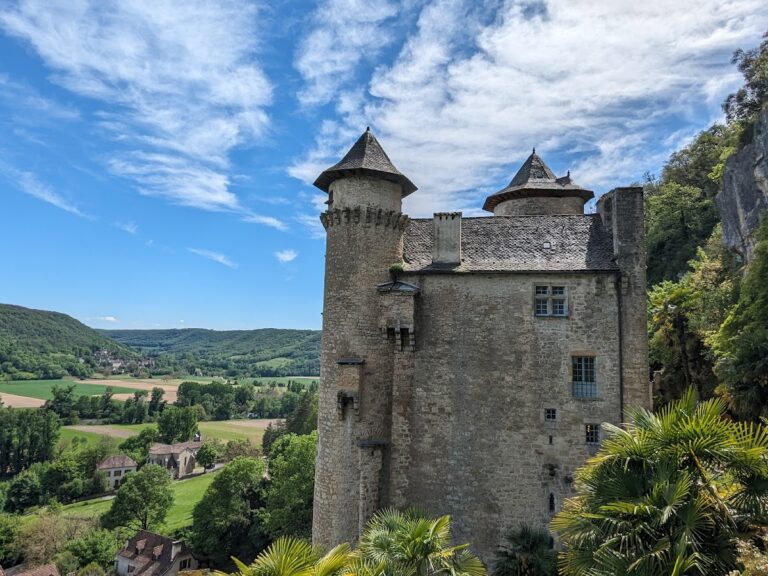
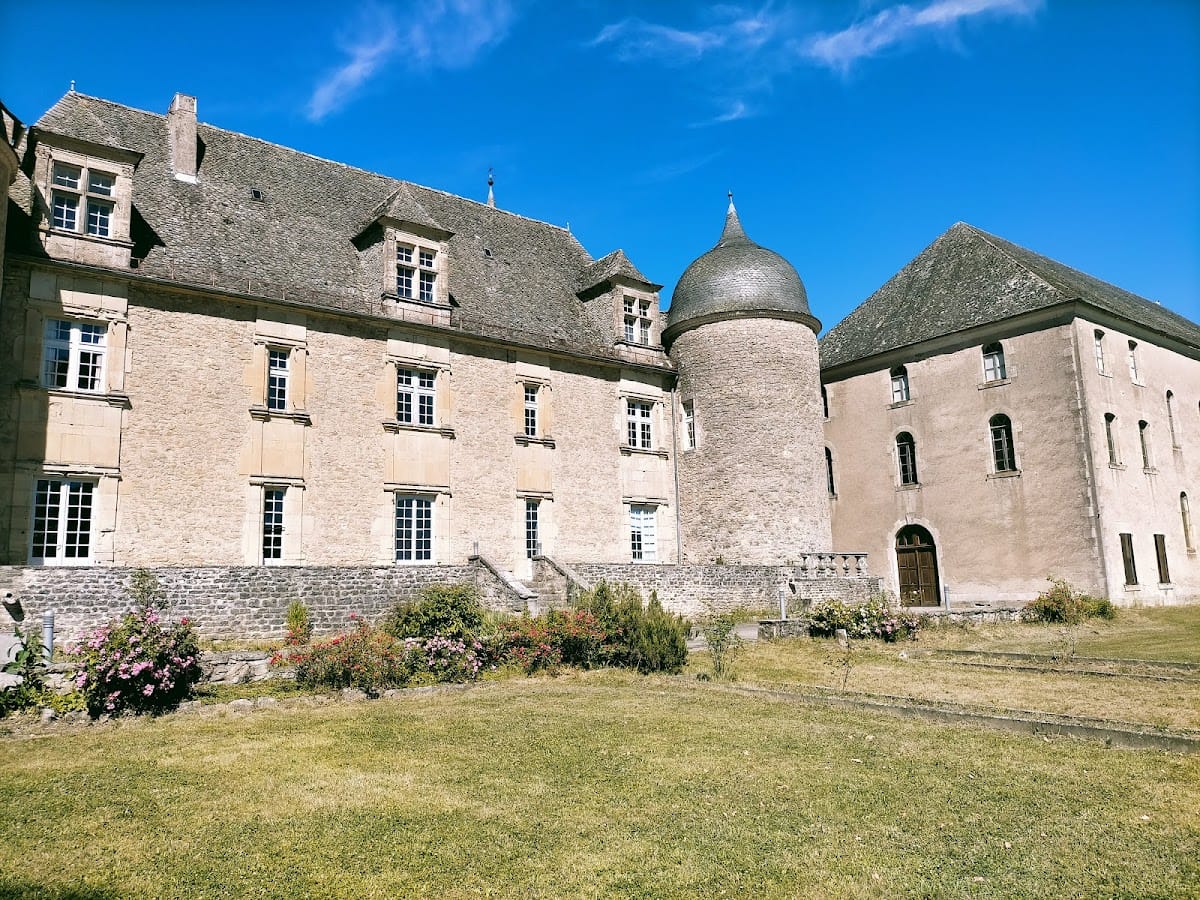
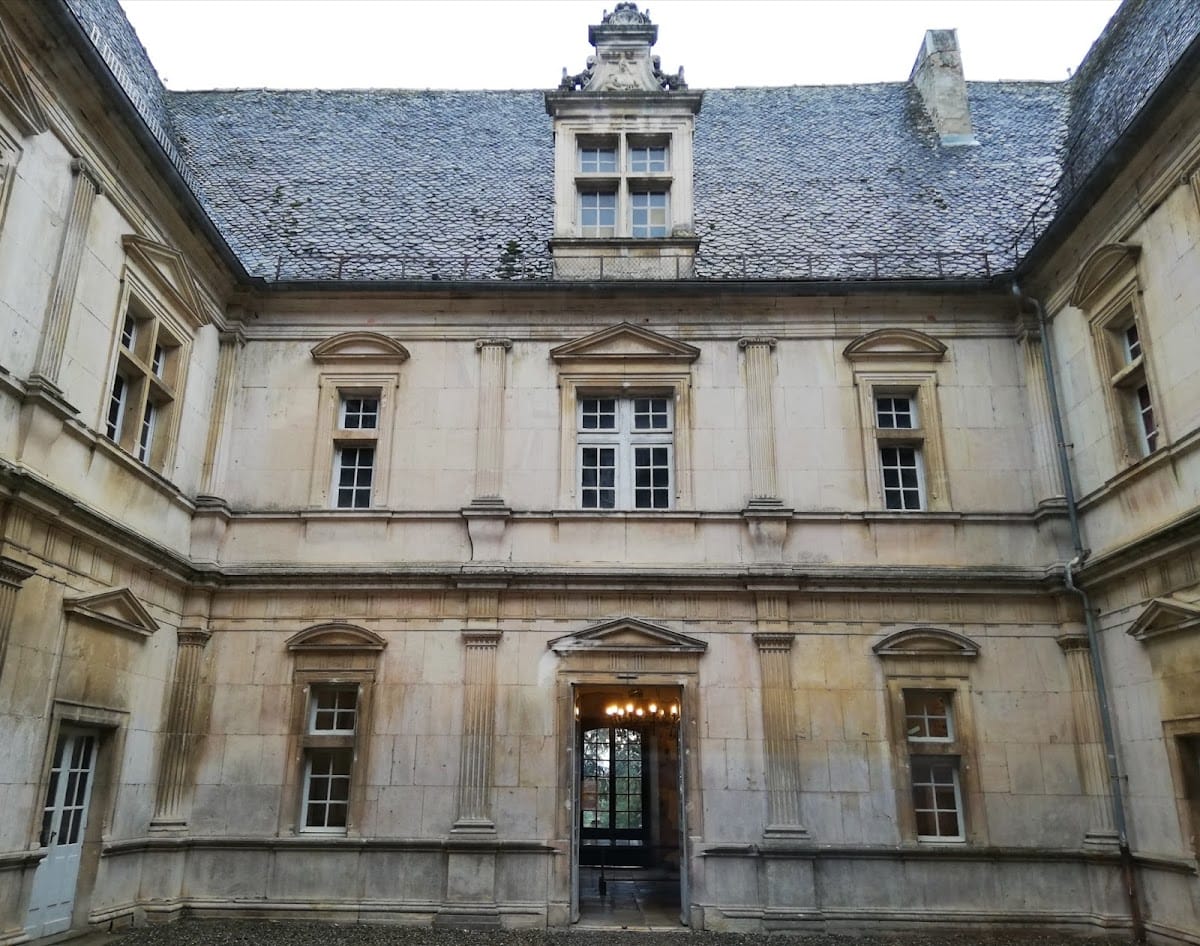
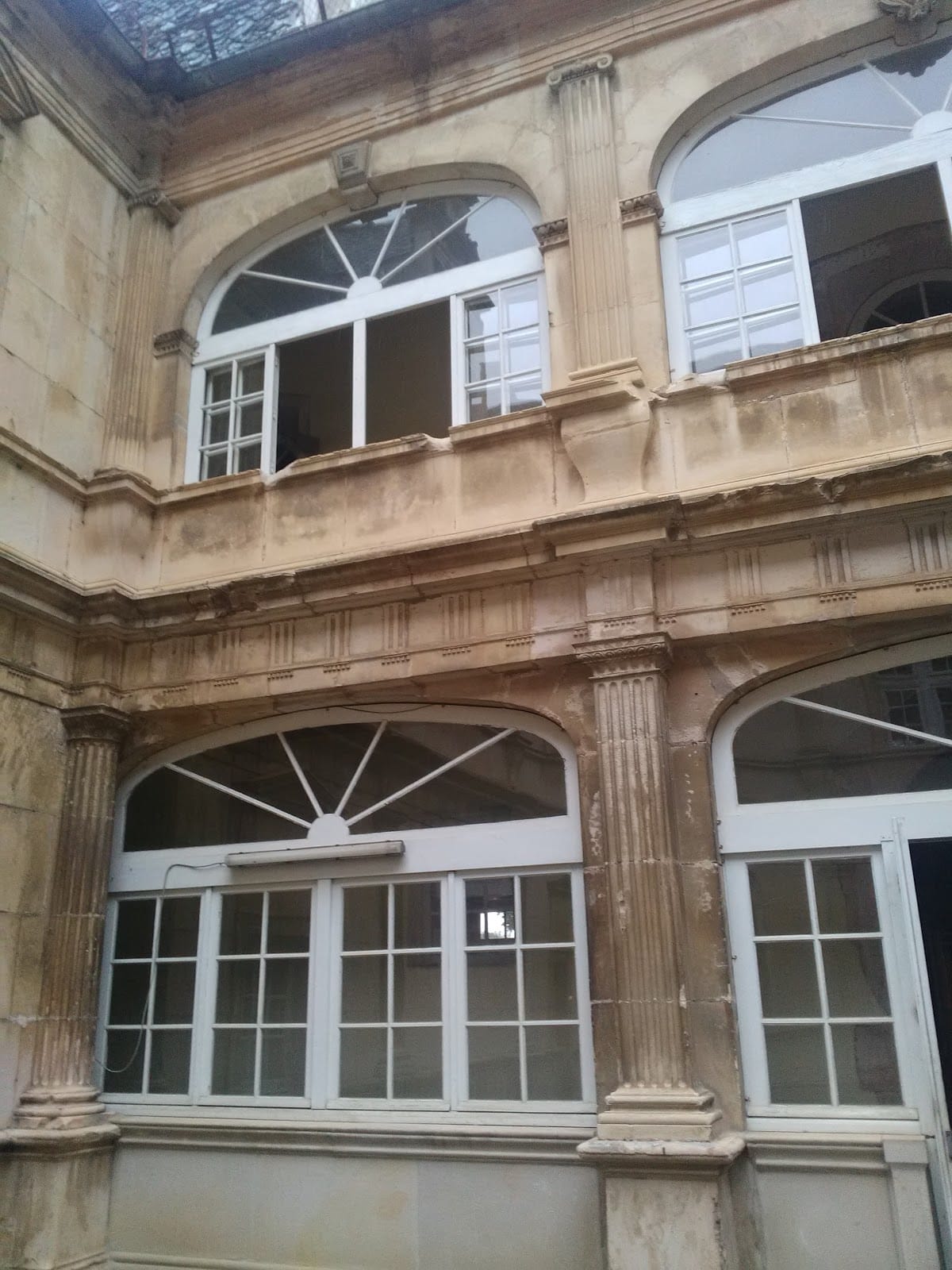
The Château de Graves is arranged around a perfectly square courtyard, measuring twelve meters on each side, giving the building a quadrangular footprint. Each corner of this layout is marked by a round tower seven meters in diameter, which contributes to the château’s balanced and harmonious appearance. The design reflects Renaissance principles, especially through its decorative adherence to the Tuscan order, an architectural style characterized by simplicity, proportion, and classical elegance.
Unlike medieval fortresses, the Château de Graves is notably open and lacks the fortified elements typical of defensive structures. This openness emphasizes its residential and leisure functions. A distinctive feature of the château is the large entrance portal fashioned in an antique style, which was constructed under the guidance of Guillaume Lissorgues following plans commissioned in the 1550s.
Within the northeast tower on the ground floor lies a small square chapel or oratory. This space is adorned with tempera wall paintings depicting scenes from the Passion of Christ, a series of events narrating the suffering and crucifixion of Jesus. These murals date from the period immediately after the Huguenot occupation and massacre, indicating a religious and symbolic renewal of Catholic faith expressed through decoration. Today, the chapel’s artwork remains an important part of the château’s historical and artistic heritage.
Overall, the Château de Graves stands as a well-preserved example of Renaissance architecture adapted for residential use. Its layout, decoration, and surviving features provide insight into the cultural and religious history of the region during the 16th century and beyond.
Nearby sites