Castillo de Jévar: A Medieval Islamic Fortress in Antequera, Spain
Visitor Information
Google Rating: 3.6
Popularity: Very Low
Country: Spain
Civilization: Medieval Islamic
Site type: Military
Remains: Castle
History
The Castillo de Jévar is located in Antequera, Spain, and was constructed during the Islamic period in the region. It served as a small fortress playing a key defensive role in the medieval Muslim community of Antequera.
In the early 15th century, Castillo de Jévar formed part of a defensive network alongside the castles of Aznalmara and Cauche, all of which protected the Islamic city of Antequera. Historical chronicles recount that when the outer defenses fell in 1410 during Christian conquest efforts, the Muslim defenders withdrew into the castle’s keep. There, they mounted a fierce resistance, inflicting numerous casualties on the attackers before managing a nighttime escape.
Following the city’s surrender, governance of the fortress was transferred to Pero Sánchez Escobar under the authority of Infante Fernando. The garrison at this time numbered six knights and thirty infantry soldiers. The Nasrid dynasty later regained control of the castle, but they abandoned it after partially demolishing the structure. Subsequently, Rodrigo de Narváez, mayor of Antequera, undertook repairs to restore the fortress and stationed a larger force comprising 100 knights and 100 foot soldiers.
From this period onward, Castillo de Jévar operated as a frontier outpost linked to Antequera’s mayoralty. In 1442, King Juan II officially granted the castles of Cauche, Jévar, and Aznalmara to the jurisdiction of Antequera. Despite these efforts, the fortress endured a prolonged siege between 1443 and 1446, during which it likely fell briefly under Granada’s control. After the conclusion of the Granada War, the castle’s military importance declined, leading to its gradual deterioration.
The origins of Castillo de Jévar may lie either in state initiatives or as part of a network of rural fortifications connected to Muslim village settlements known as alquerías. Between the 11th and 15th centuries, it appears to have served both as a refuge and a permanent home for rural communities. This dual function reflected the complex social and political interactions between urban authorities and countryside populations during the Islamic presence in Andalusia.
Remains
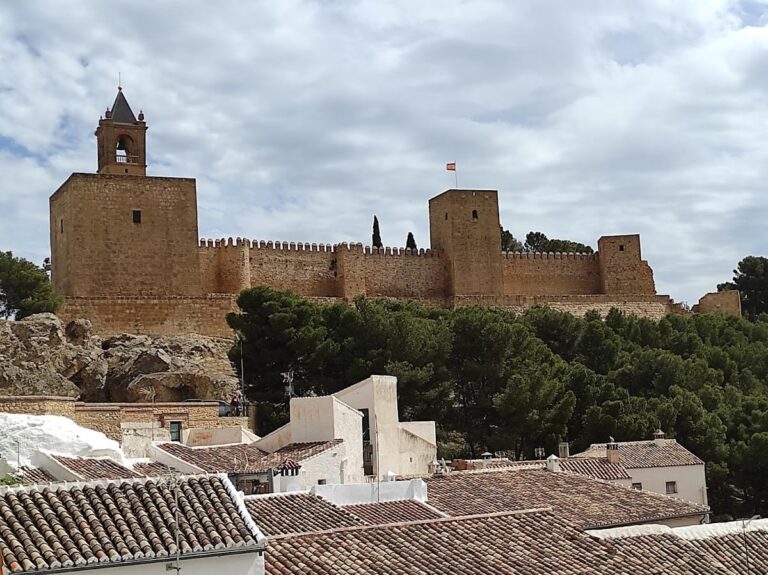
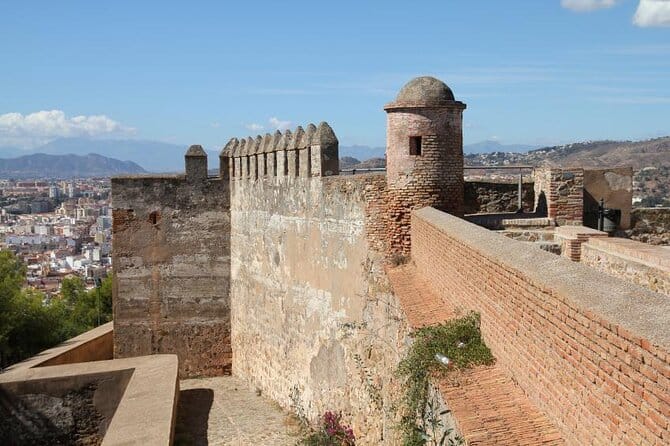
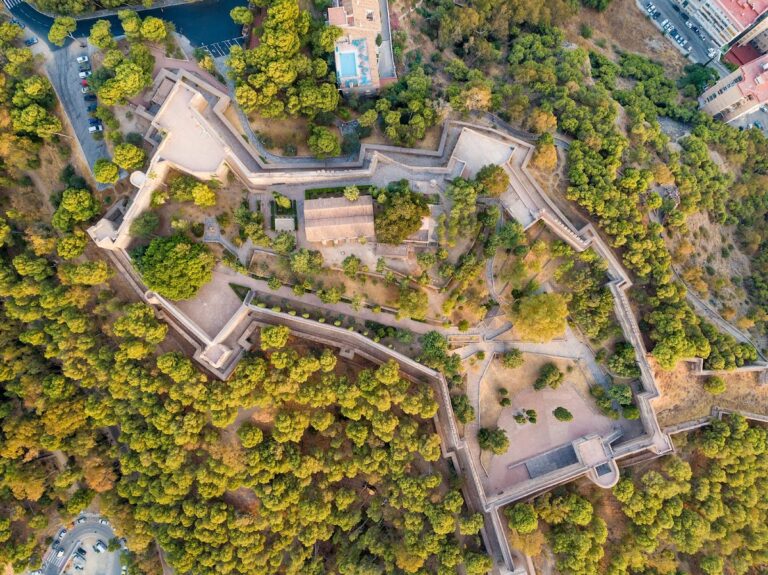
Castillo de Jévar occupies a modest hilltop setting within a rural landscape, featuring a double enclosure with an irregular shape. The fortress’s walls are built using well-arranged layers of limestone blocks, reflecting careful masonry work. The foundation employs large, roughly fitted cyclopean stones that become smaller and more regular toward the upper portions of the walls. Traces of a pale plaster coating still remain in some sections, although they have mostly faded over time.
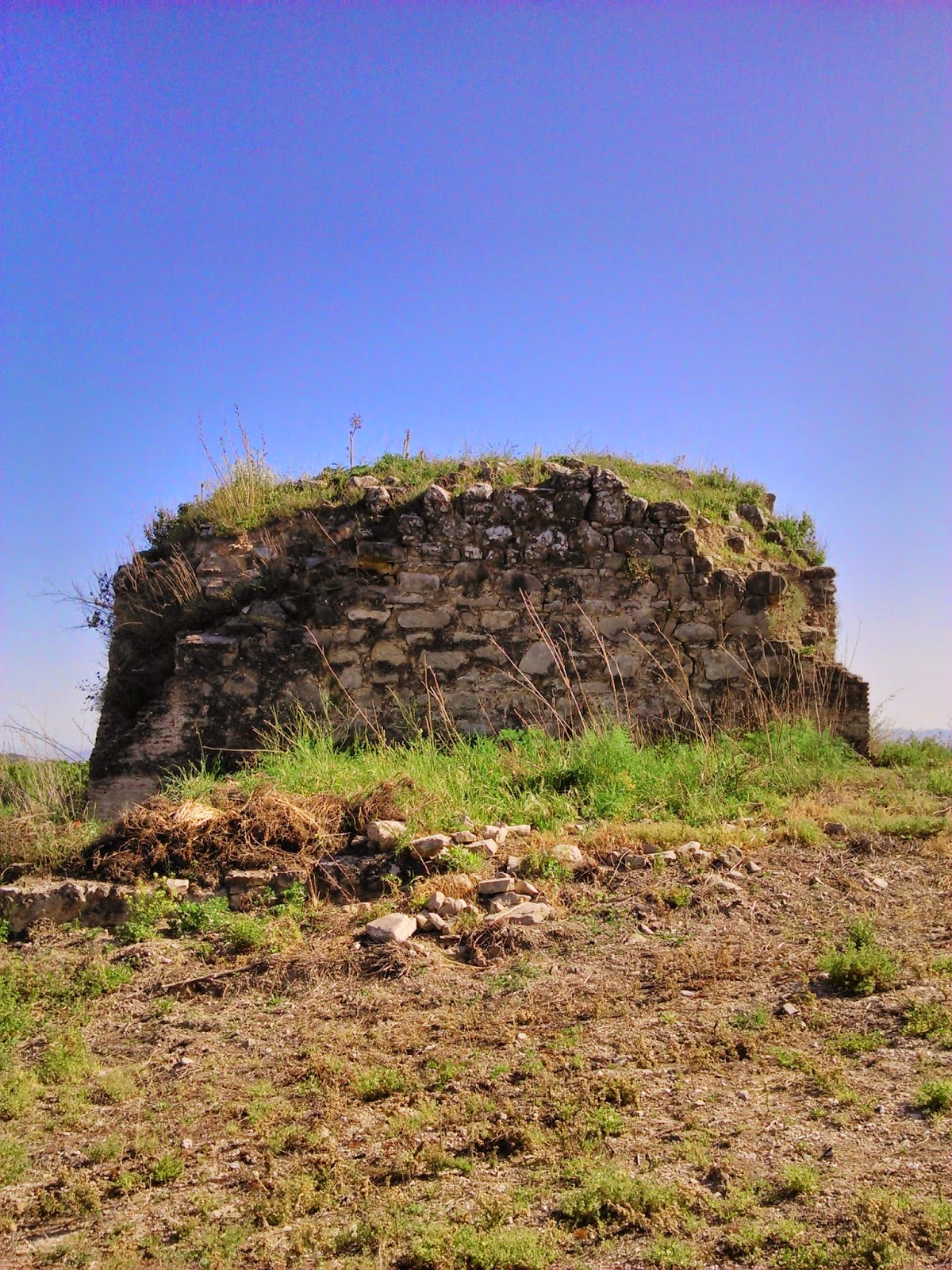
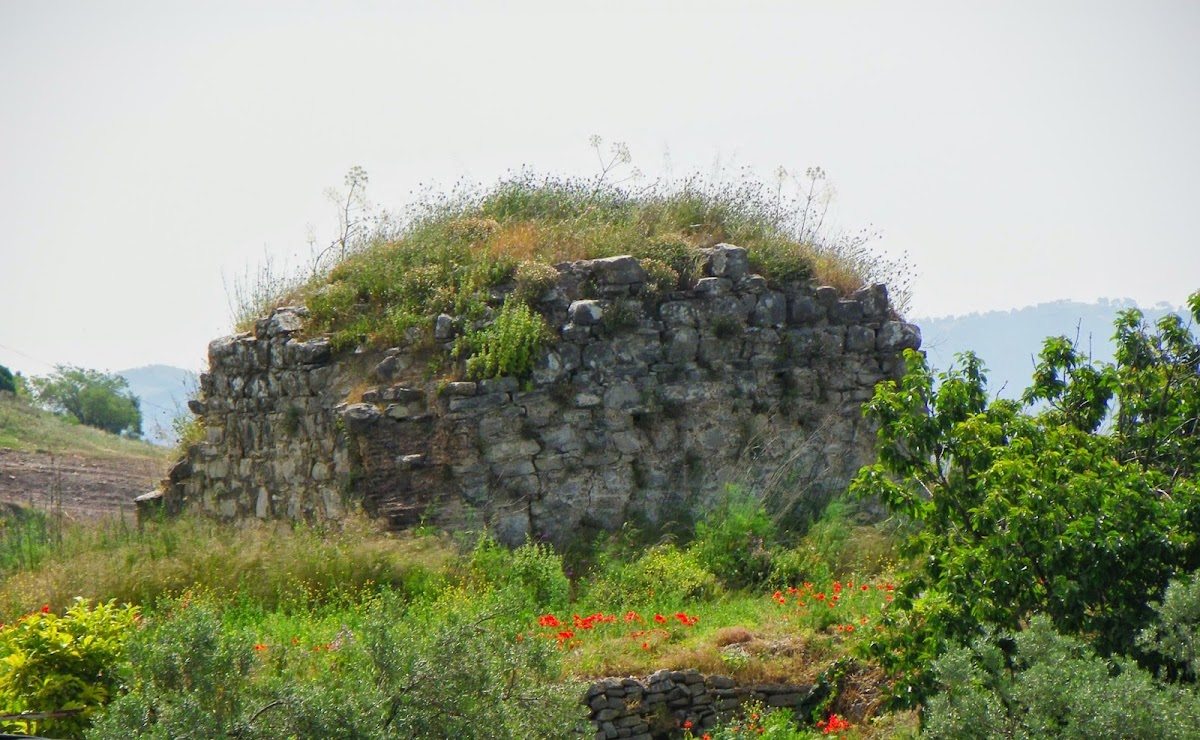
The central tower anchors the defensive system with a solid base supporting an upper chamber, connected to the surrounding wall walk, called an adarve. A notable defensive characteristic of this tower is its battered outer wall—a sloping design placed on the side containing the entrance—to reinforce protection against attackers.
The main gate follows a bent or angled layout known as a “puerta de codo,” a common feature adopted during the Almohad era intended to disrupt the momentum of cavalry charges. In addition to this larger entryway, the fortress likely included at least one smaller gate and a lintelled postern gate used for emergencies or quick escapes.
The fortress design incorporates a primary enclosure, sometimes called an alcázar, featuring battlements or solid towers spaced regularly along its walls. A secondary enclosure provided shelter for servants and, in times of conflict, the nearby civilian population, forming a protective community space called a qasba. At the heart of the castle lies the plaza de armas, an open area that would have served as a gathering point within the fortification.
Together, these architectural elements demonstrate that Castillo de Jévar was a well-constructed rural fortress. Its combination of strong masonry, thoughtful gate design, and multi-layered enclosures illustrates its role not only as a military fortress but also as a center accommodating the needs of local populations during the Islamic period in Andalusia.
Nearby sites