Château de Curton: Medieval Castle and Wine Estate in France

Site at a Glance
- Rating
- 4.6
- Popularity
- Very Low
- Country
- France
- Primary era
- Medieval
- Eras represented
- Medieval
- Civilizations
- English
- Site type
- Military
- Remains
- Castle
On this page8 sections
History
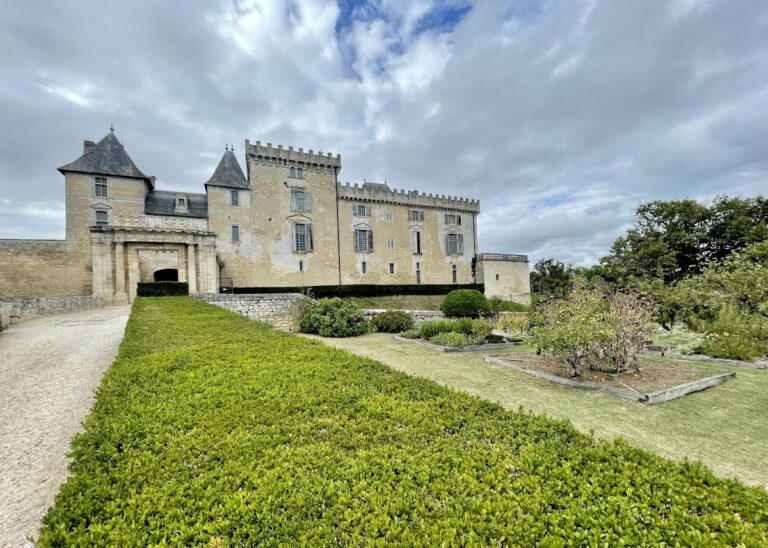
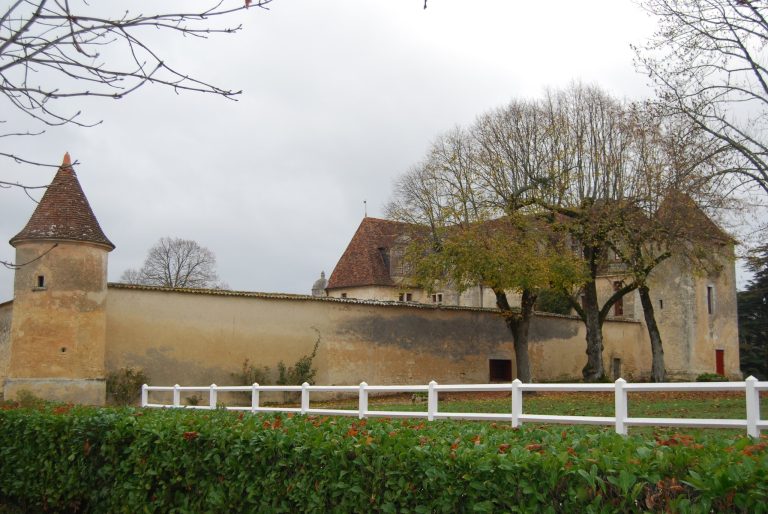
Château de Curton is a medieval castle and wine estate in Daignac, France, in the Entre-deux-Mers region of Gironde, about 30 kilometres east of Bordeaux. Its surviving keep was built in 1322, and the site is associated with the medieval lords of Curton and the political and military history of Guyenne. The castle has been protected as a French historic monument since 7 January 1926 and remains privately owned.
The Curton lords
The castle stands north of Daignac, near the boundary with Tizac-de-Curton. The place-name of Tizac-de-Curton derives from the first lords of Curton. Raimond de Curton is the earliest member of the family to appear in official texts, in the eleventh century, and he was identified as a lord from the beginning of the twelfth century. By the late twelfth century, Régin de Curton was connected with the English crown and signed a treaty in London. The castle and Amanieu de Curton, its lord, are mentioned in thirteenth-century records.
Curton and the Hundred Years’ War
At the beginning of the Hundred Years’ War, a prolonged series of conflicts between the English and French crowns over succession and territorial control, Edward III of England asked Arnaud de Curton to remain loyal to him and defend Guyenne against French attacks. Edward III ruled England from 1327 to 1377. In return for Arnaud’s service, he granted him jurisdiction over the four parishes around the castle: Daignac, Espiet, Grézillac, and Tizac-de-Curton.
Two later members of the Curton family also became prominent during the conflict. Petiton de Curton was described as a knight and celebrated fighting figure. Sénebrun de Curton, Arnaud’s son and lord of Curton, fought alongside Edward, the Black Prince, Edward III’s eldest son and a major English commander during the war.
From Beaumont to Chabannes de La Palice
At the beginning of the fifteenth century, the lordship passed to the Navarrese house of Beaumont through the marriage of Charles de Beaumont and Anne de Curton. Their son Louis de Beaumont inherited the castle. French forces later captured it and granted it to Jacques I de Chabannes de La Palice, lord of La Palice and Madic. Jacques died at the castle after being wounded at the Battle of Castillon.
The lordship remained with the Chabannes de La Palice family. In 1563, François de Chabannes had the barony of Curton raised to a marquisate, a territorial lordship ranked as a marquis’s domain. During the French Revolution, the castle was confiscated and sold as national property to a citizen named Rabeau. It subsequently passed through a succession of sales and marriages.
A protected wine estate
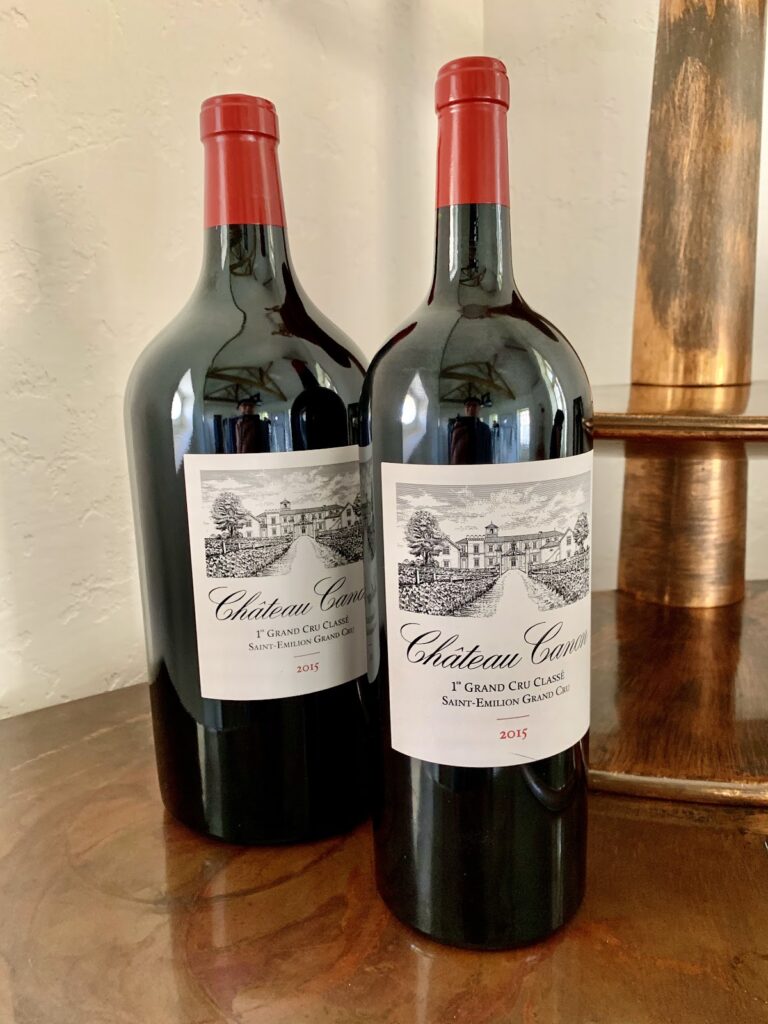
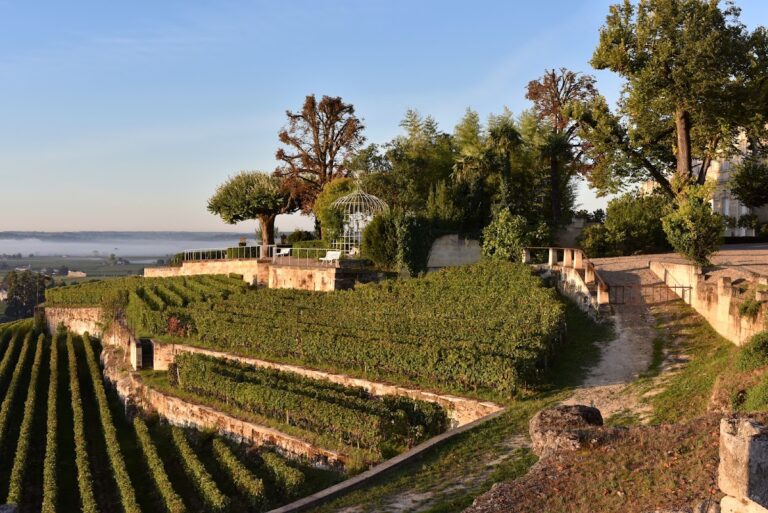
Château de Curton continues to operate as a winery in the Entre-deux-Mers vineyard. Its production includes Bordeaux appellation wines, a French designation that regulates geographical origin and production standards, in red and rosé varieties. The range also includes an oak-matured Bordeaux red, Bordeaux Clairet, and white wine. The vineyards cover 42 hectares across Daignac, Grézillac, Guillac, and Lugaignac, with 33 hectares devoted to red-wine production and 9 hectares to white wine.
Remains
The medieval keep
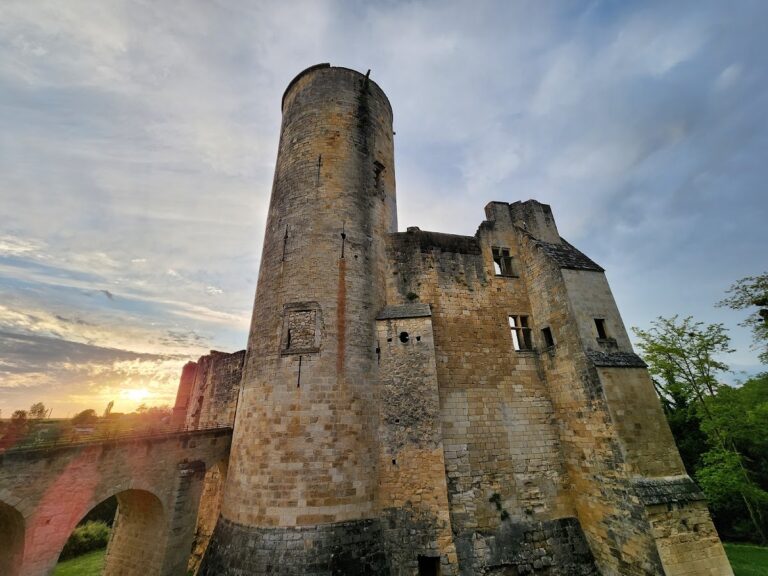
The preserved castle remains include a square keep built in 1322 at the eastern corner of the medieval complex. The tower formerly rose to 35 metres and contained three storeys above ground, a cellar below ground, and a platform at the top. Its walls averaged 1.40 metres in thickness, giving the structure both a fortified character and substantial internal mass.
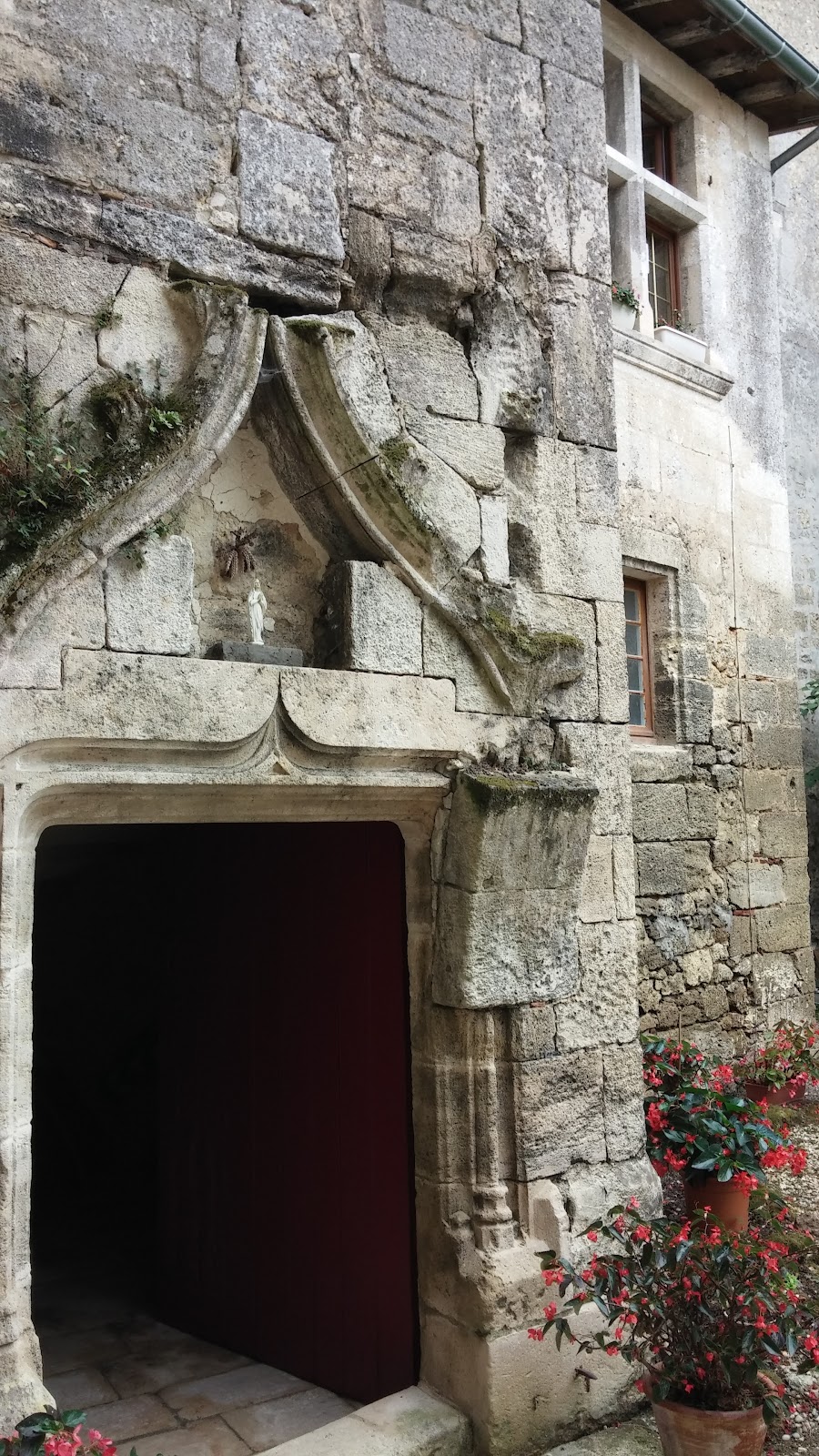
Diagonal buttresses supported the keep, with one incorporating the tower staircase. The staircase shaft was octagonal. Each storey received light through a single twin window measuring 2 metres high and 1.2 metres wide. These surviving features define the form of the principal medieval structure associated with Château de Curton.
The Curton effigy
The Curton lordship is also linked to a medieval effigy, a sculpted representation of a person often associated with a tomb. The armed figure holds a sword and shield and wears combat equipment. A crowned lion decorates the shield, supporting the possible identification of the figure as a lord of Curton. A headless animal at the feet was probably also a lion.
The sculpture stood for many years in the park of Château de Tustal at Sadirac. In 2000 it was deposited at the Musée d’Aquitaine in Bordeaux for study and restoration. The represented figure is probably a thirteenth-century lord of Curton.