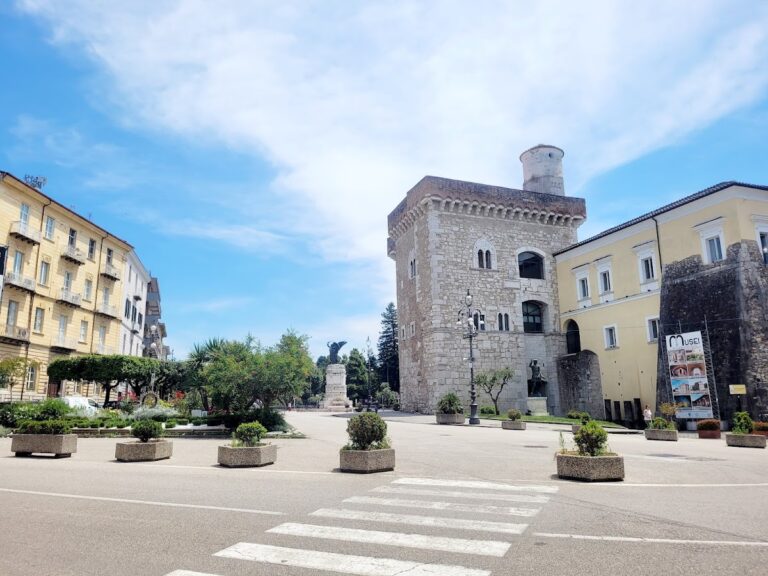
Castello di Montesarchio: A Historic Fortress and Museum in Italy

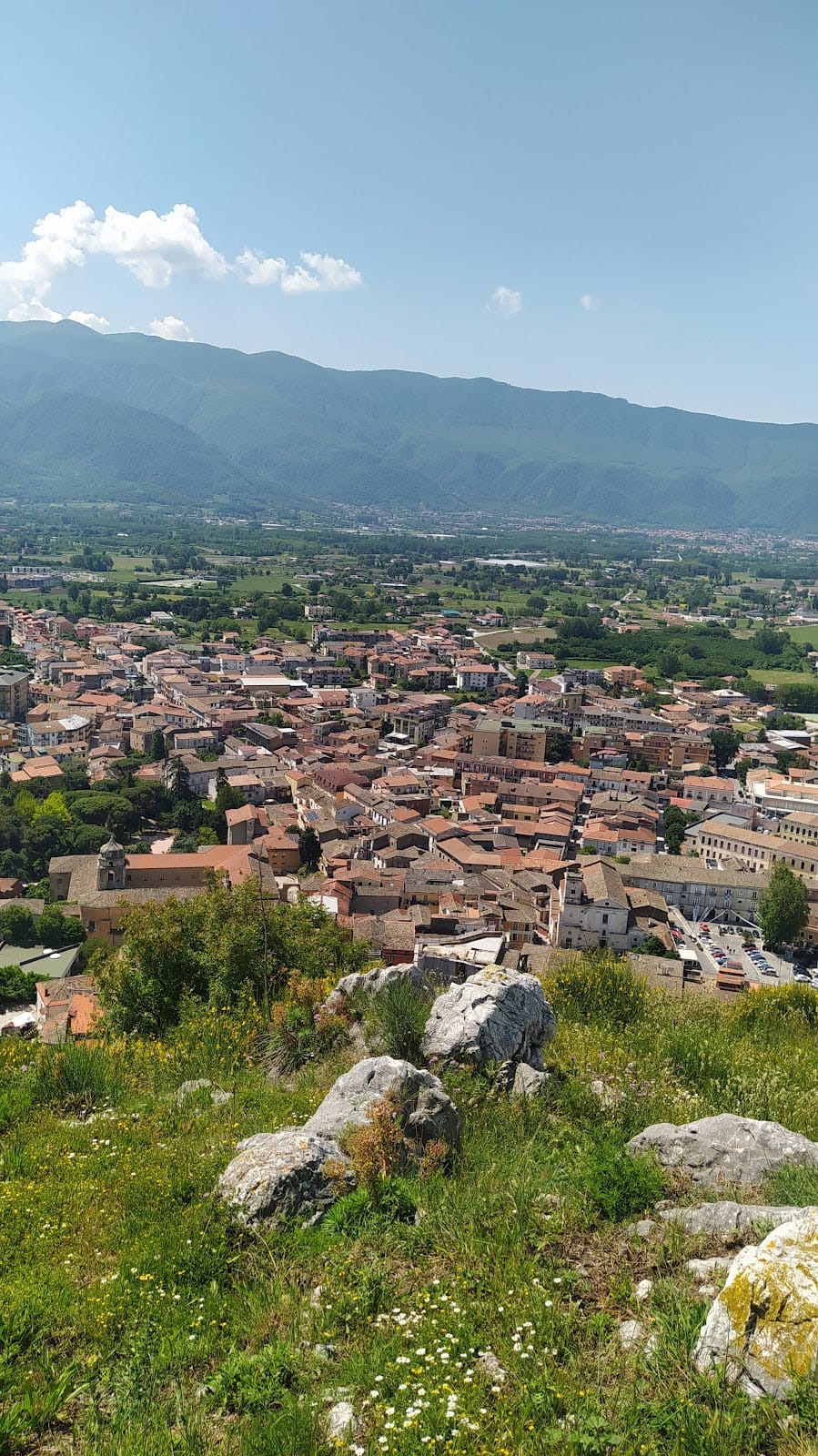
Visitor Information
Google Rating: 4.6
Popularity: Low
Official Website: cultura.gov.it
Country: Italy
Civilization: Medieval European
Site type: Military
Remains: Castle
History
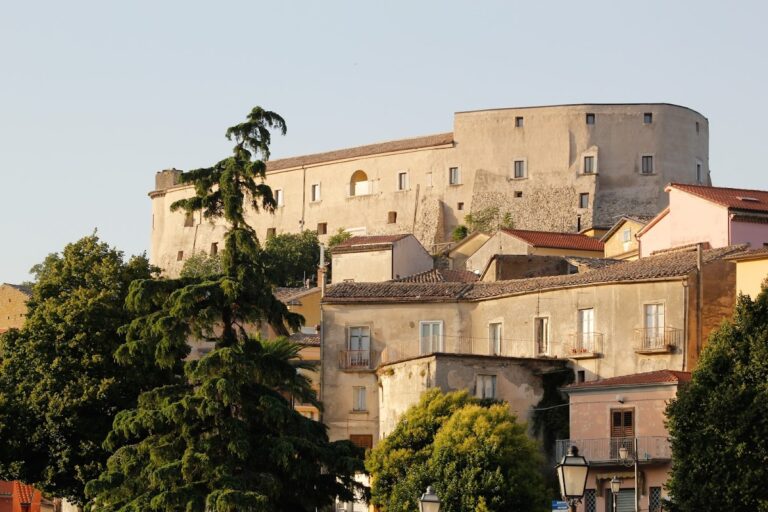
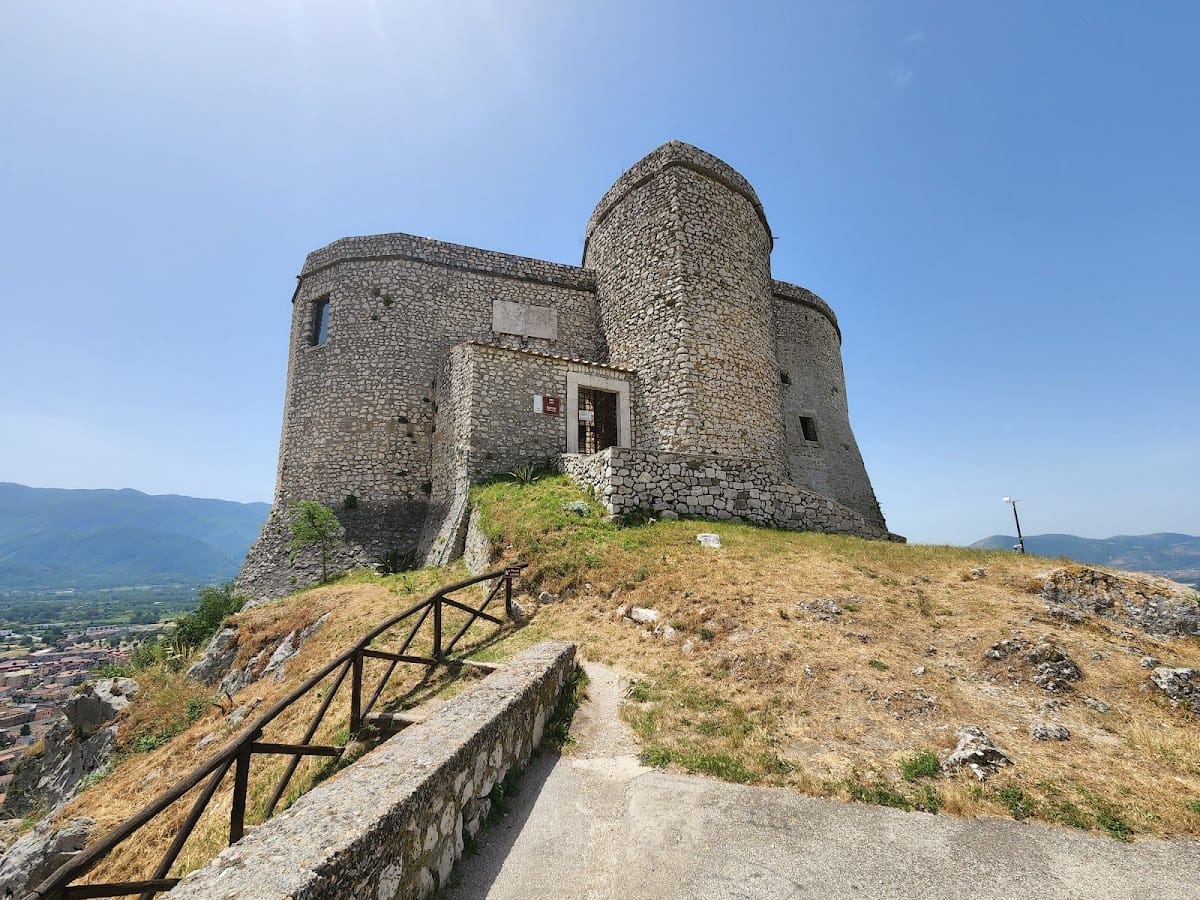
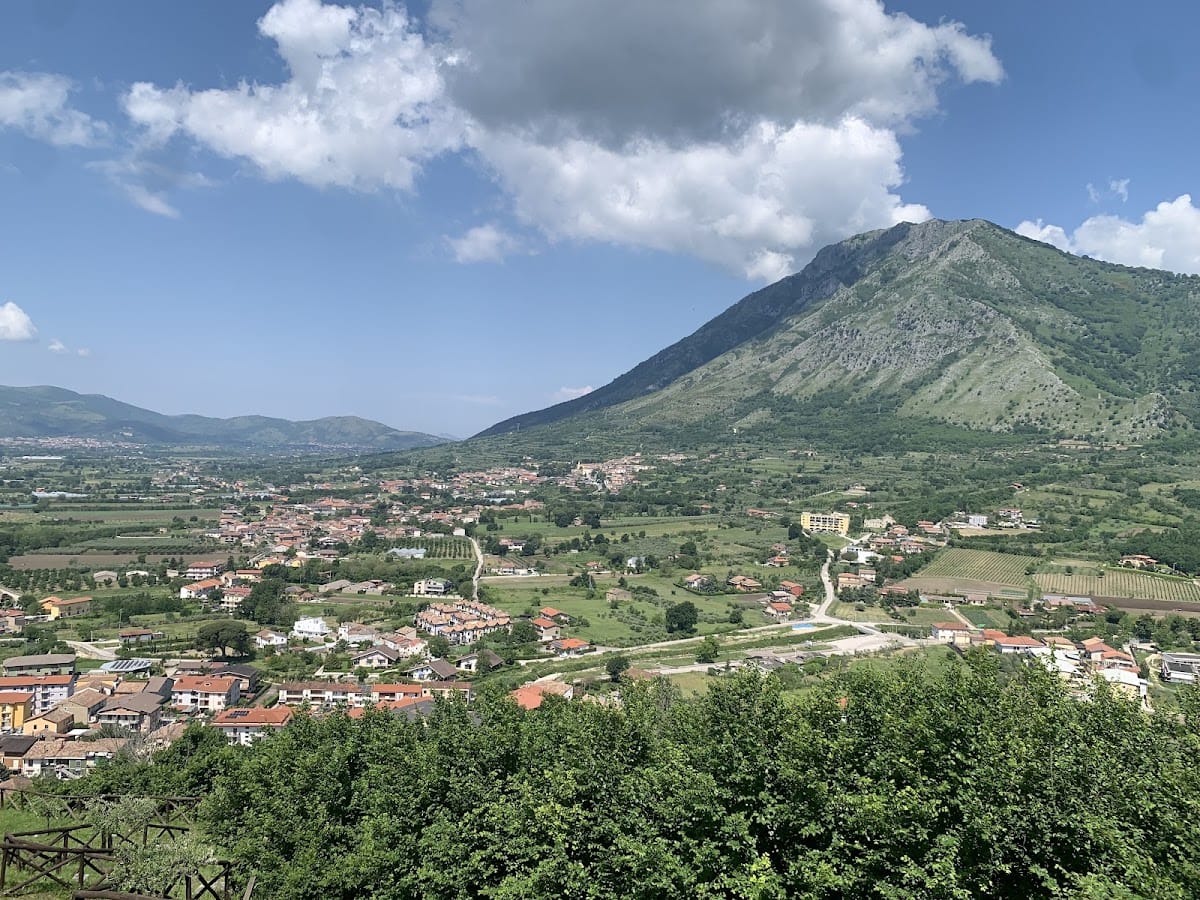
The Castello di Montesarchio stands above the town of Montesarchio in Italy, originally established by early medieval builders in the 8th century. Its position at the eastern boundary of the Valle Caudina allowed it to oversee and control this strategic corridor, which was significant for military and territorial dominance.
Before the current fortress took its form, the site hosted earlier fortifications and saw control pass through various groups. The Lombards, under Arigis II of Benevento, established a presence here, followed by Norman occupation. These early phases laid the groundwork for the castle as a military bulwark. The primary structure visible today largely reflects building campaigns carried out during the rule of the Aragonese dynasty, who governed the Kingdom of Naples.
In the early 16th century, following the Italian War from 1542 to 1546, the castle’s ownership changed hands. In 1532 it was confiscated from previous holders and granted to Alfonso II d’Avalos, Marquis of Vasto. Later, in 1830, the Kingdom took control of the fortress, converting it into a state prison. During this period, the castle housed several important 19th-century patriots involved in Italy’s struggles for independence and reform, including figures like Carlo Poerio, Sigismondo Castromediano, Michele Pironti, and Nicola Nisco. Evidence of these prisoners’ presence survives in the form of inscriptions carved into the castle walls.
The prison function continued through both World Wars and only ceased after 1945. In the 1960s, the fortress found a new purpose as the Istituto Mater Orphanorum, serving as an orphanage. More recently, since 2007, the castle has been home to the National Archaeological Museum of the Sannio Caudino, which displays artifacts coming from ancient Samnite settlements of the Caudini tribe, such as Caudium, Saticula, and Telesia.
Remains
The castle occupies a commanding hilltop position with a design that reflects its military origins and successive adaptations across the centuries. The fortress is situated opposite the Torre di Montesarchio, a watchtower connected to the castle through an underground passage, indicating an integrated defensive system. Around the fortress, a moat once provided an additional protective barrier.
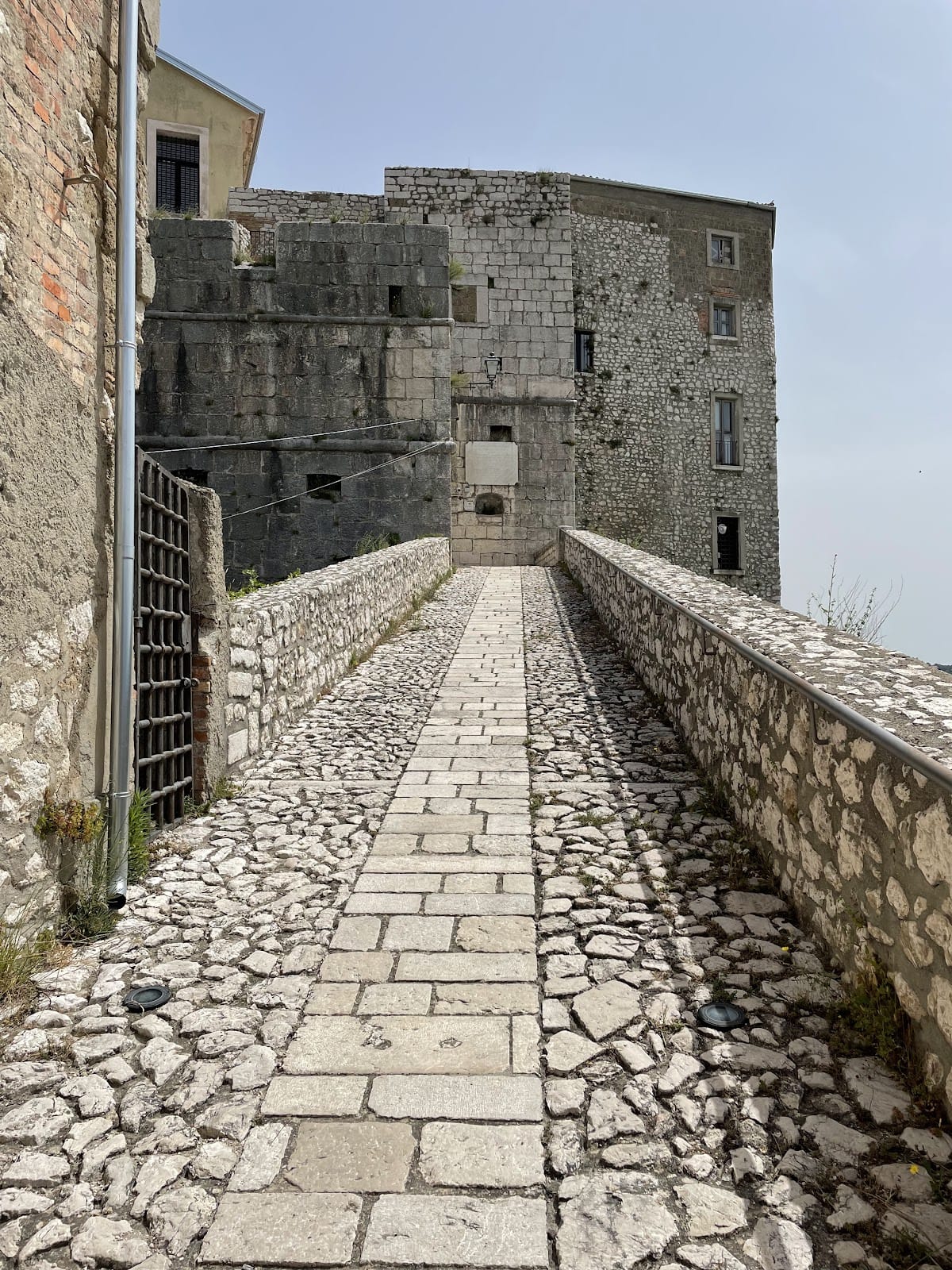
Among the surviving architectural features are niches incorporated into the masonry that once secured the drawbridge mechanisms, highlighting defensive strategies to control access. The castle’s layout includes courtyard spaces that were historically adapted to detain prisoners, integrating penal functions into the fortress design.
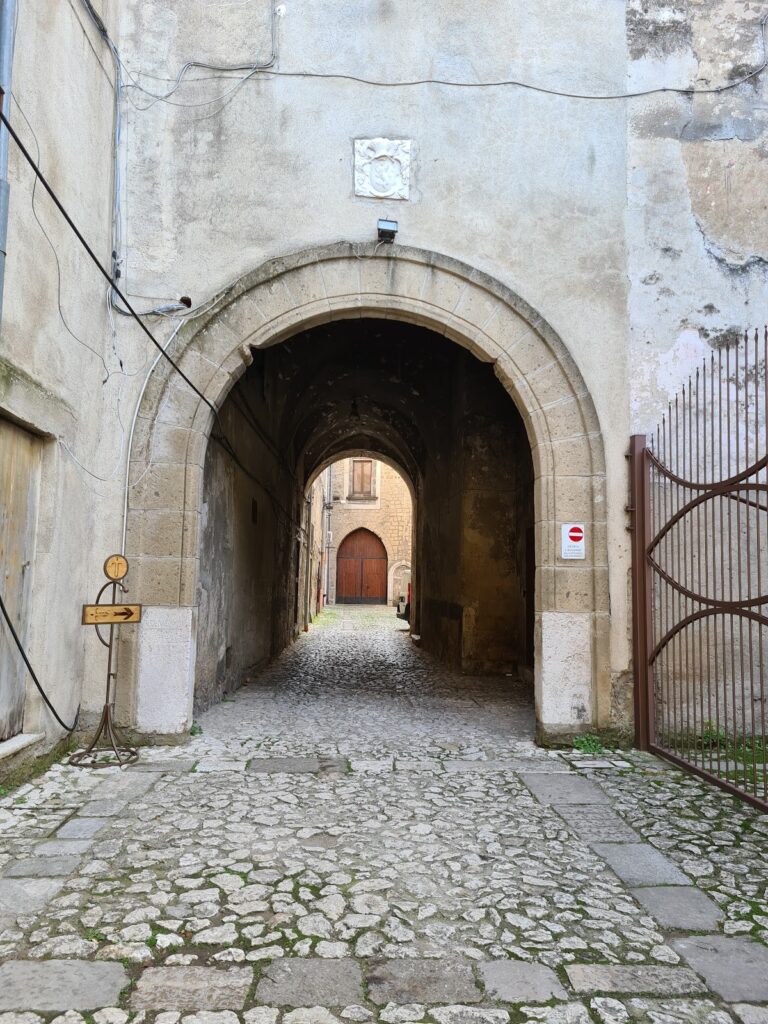
Inside, walls bear inscriptions etched by political detainees, providing direct testimony to the castle’s long role as a prison. Near the entrance, a stone plaque commemorates the passage of Gustaf Mauritz Armfelt in 1792, linking the site to wider European historical figures.
Over time, the structure underwent numerous renovations and alterations reflecting the changing needs of its occupants and prevailing architectural styles, resulting in a complex layering of construction phases. Many elements remain visible in situ, offering a tangible record of the fortress’s evolving role in regional defense and incarceration.
Nearby sites