Roman Religious Sites: Explore Temples, Sanctuaries and Early Churches
Explore more than 300 religious sites associated with the Roman world, including columned temples, terraced sanctuaries, small cult rooms and early Christian churches. The collection reaches across Europe, North Africa and the Near East. It includes ancient sacred buildings as well as later religious complexes that preserve Roman remains.
The examples below show several forms of worship through their buildings: a circular temple beside the Tiber, an Egyptian shrine with imperial names in hieroglyphs, and churches whose late Roman walls survive beneath medieval alterations. Their surviving chambers, colonnades, ramps and baptismal pools give the collection a wider scope than Roman temples alone.
Type: All
Country: All
Popularity: All
Rating: All
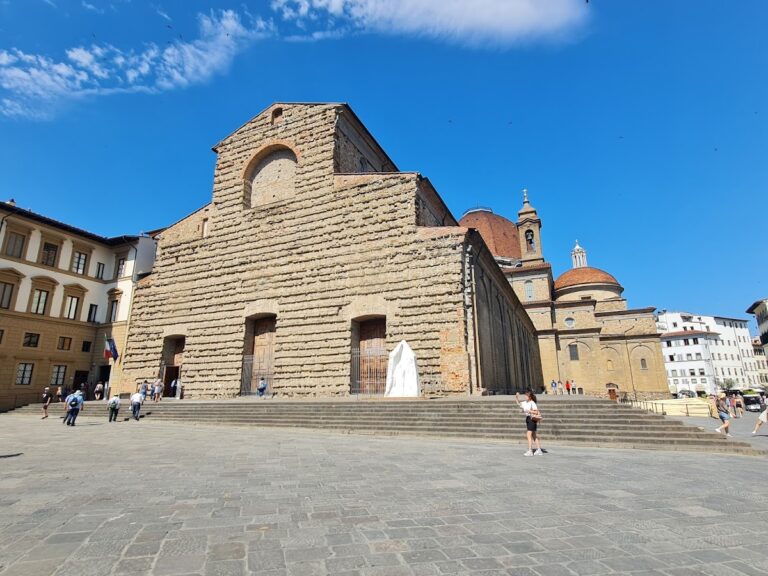
The Basilica of San Lorenzo in Florence began as a fourth-century Christian church and later became the Medici family’s parish and funerary church.…
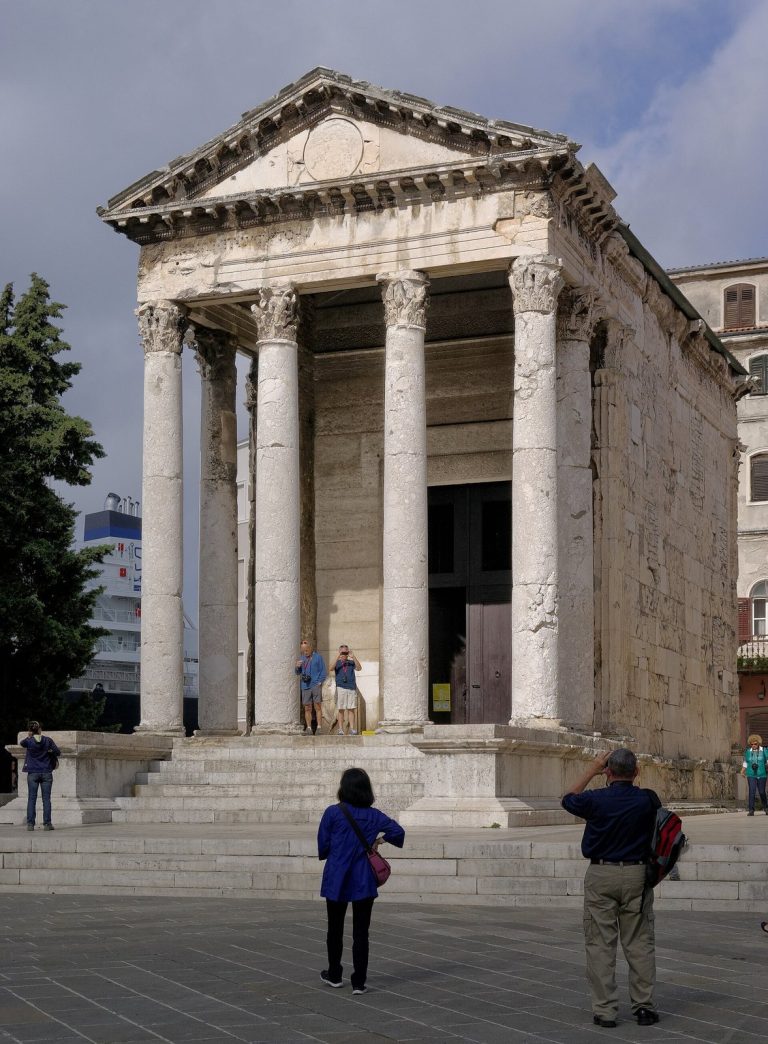
The Temple of Augustus in Pula preserves a late Augustan temple dedicated to Roma and Augustus. Converted to a church and later rebuilt after wartime…
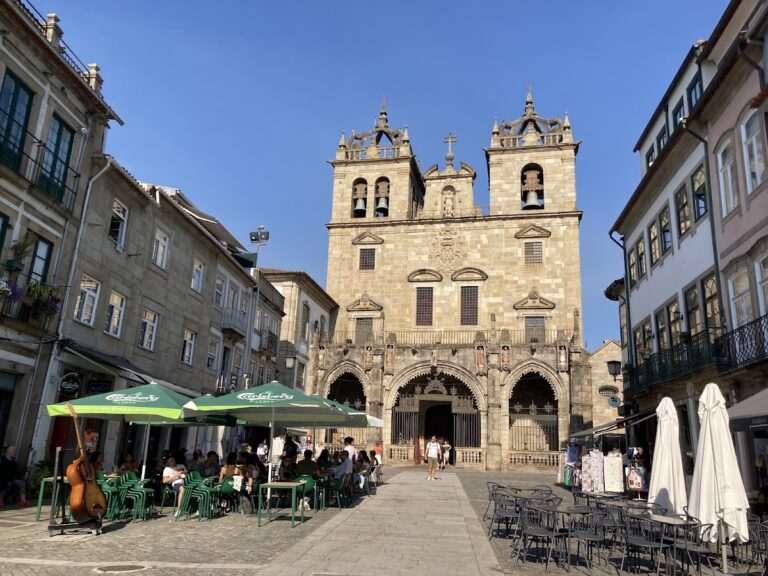
Braga Cathedral in Portugal developed from an early Christian center into the seat of the Archdiocese of Braga. Its Romanesque core incorporates…
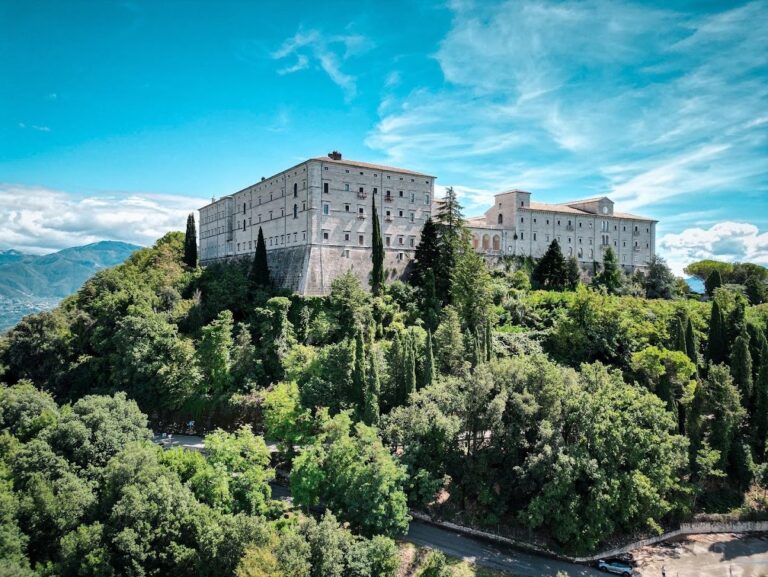
Founded around AD 529–530 by Benedict of Nursia, the Abbey of Monte Cassino became the principal house of Benedictine monasticism and a major centre…
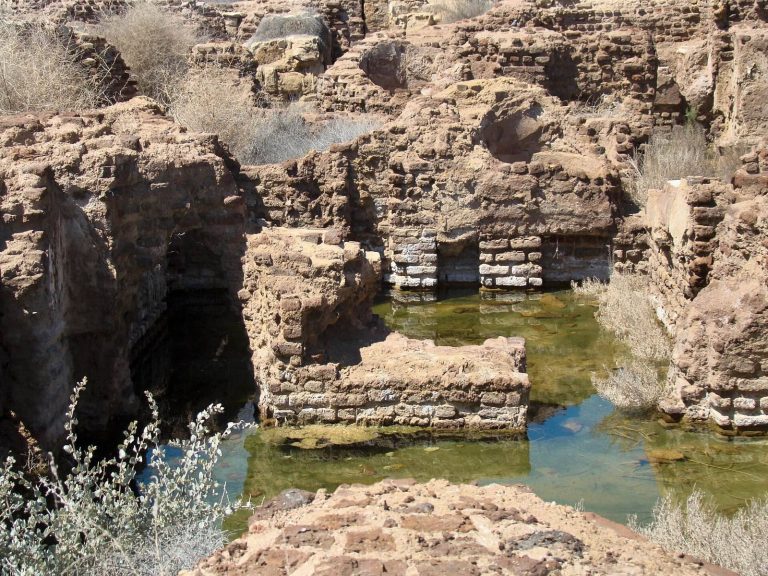
Founded in Late Antiquity, Abu Mena became Egypt’s leading Christian pilgrimage center. Its excavated remains include churches, pilgrim facilities,…
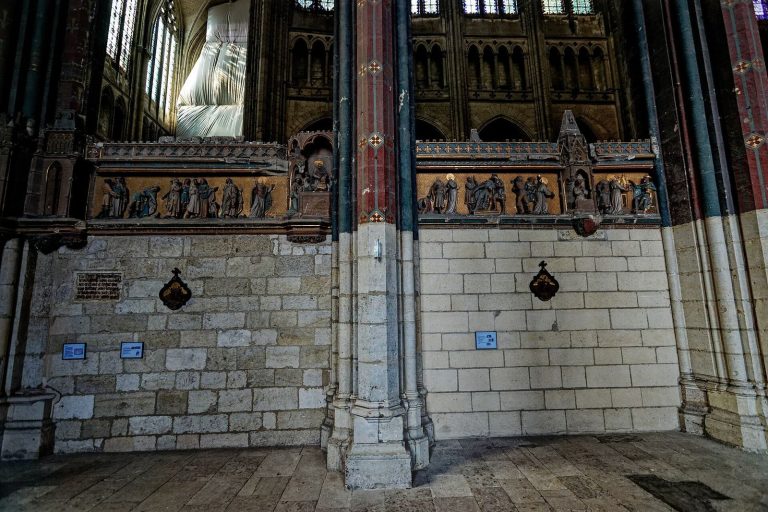
Built over an early Christian shrine, the Basilica of Saint-Quentin developed into a major medieval pilgrimage church. Its long construction history,…
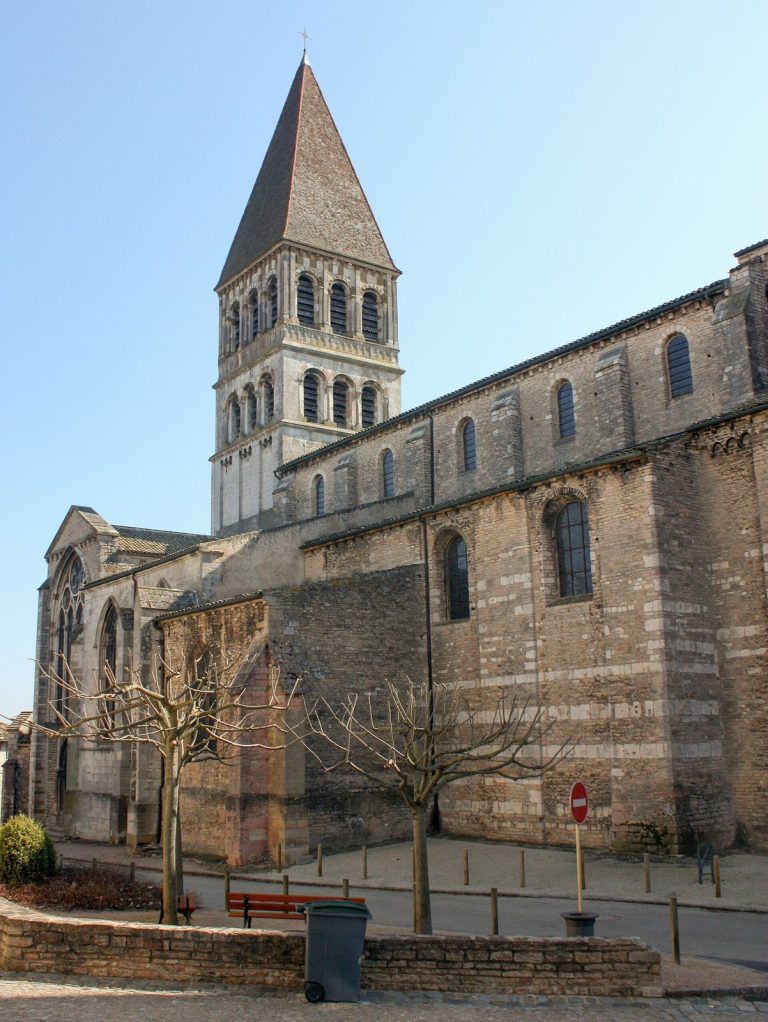
The Church of St Philibert grew from an early Christian sanctuary into a major Benedictine abbey. Its Romanesque church and surviving monastic…
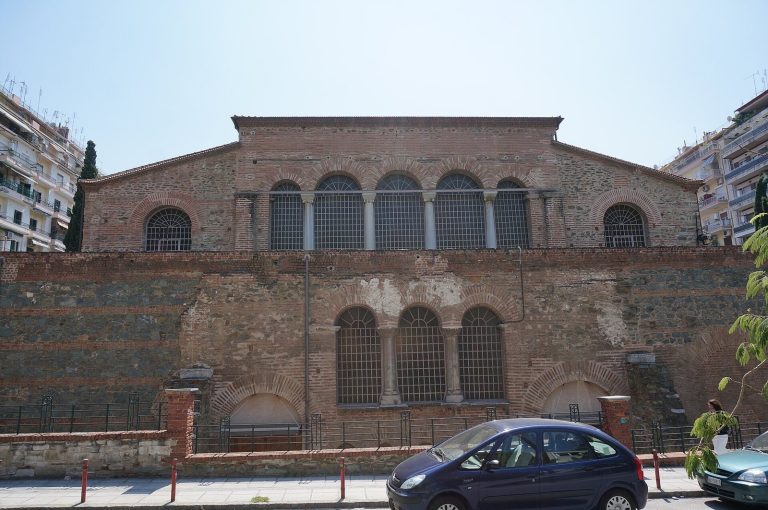
The Church of the Acheiropoietos preserves a fifth-century basilica in Thessaloniki, later used as the city’s principal Ottoman mosque, with mosaics,…
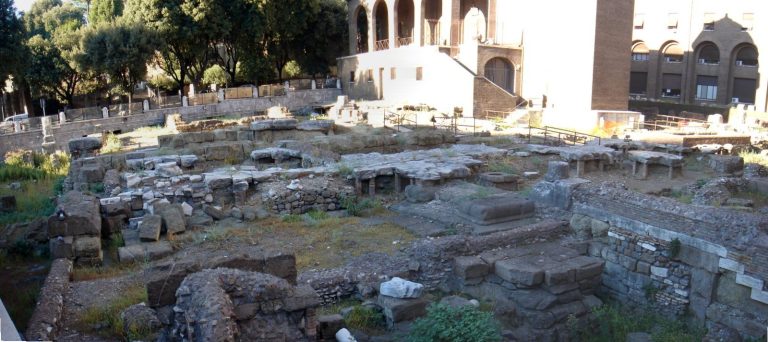
The Sacred Area of Sant'Omobono preserves evidence of early Roman ritual, Republican temples associated with Fortuna and Mater Matuta, and a later…
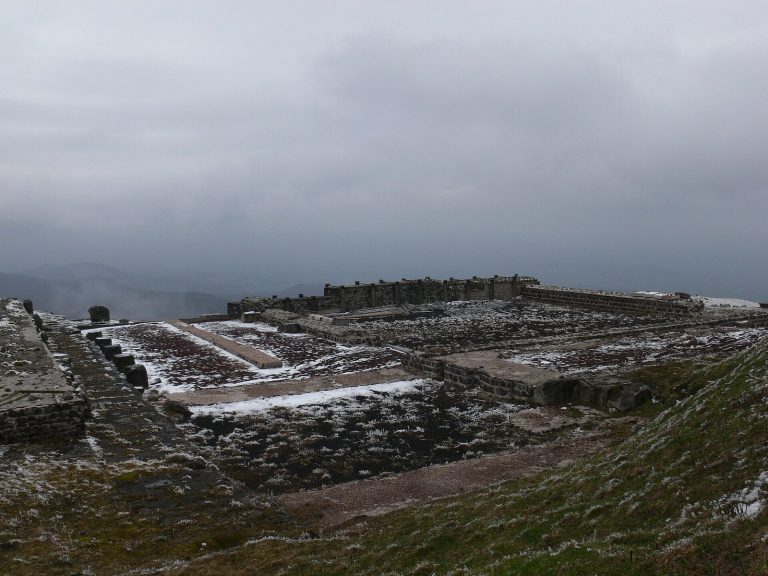
Built in stages from around AD 50, the Temple of Mercury was a Gallo-Roman sanctuary used by pilgrims and later rebuilt on a broad terraced platform.…
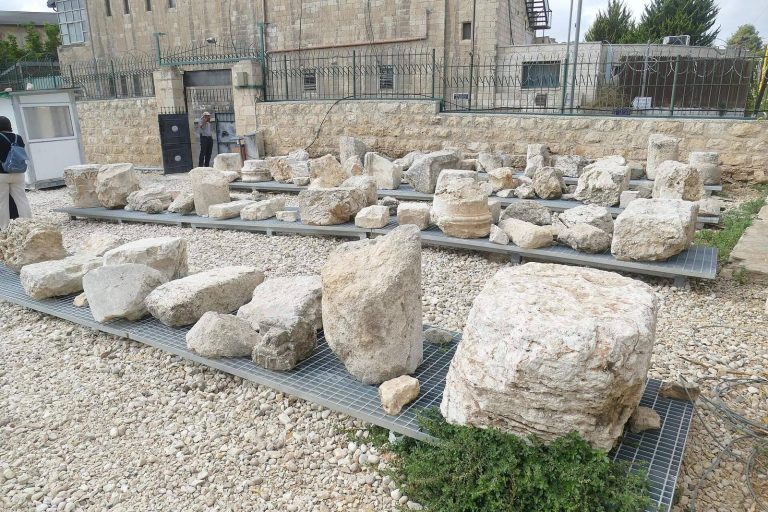
The Tombs of the Kings is a monumental Jewish funerary complex in Jerusalem, commonly associated with Queen Helena of Adiabene. Its unfinished state,…
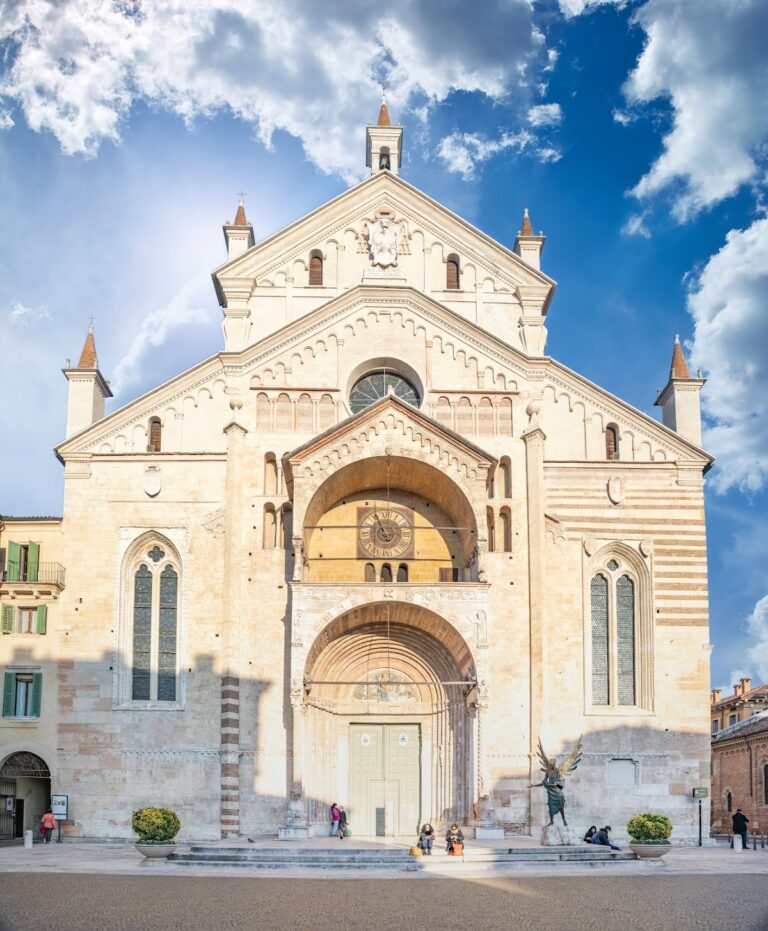
Verona Cathedral is a national monument and the principal Catholic church of Verona. Its complex preserves evidence from early Christian, Romanesque,…
For details on how to use the maps, which sites are included, how popularity and ratings are determined, and how sites are classified, see the help page.
On this page5 sections
Circular temples and temples with separate shrines
The Temple of Hercules Victor in Rome has a circular shrine surrounded by Corinthian columns. Nineteen of the twenty column positions retain their columns, enclosing the small central chamber in a ring of marble. The building stands on a stepped base rather than the high, front-facing podium familiar from many rectangular Roman temples. Its upper brickwork and tiled roof belong to later alterations and repairs, including its conversion into a church.
At the Capitolium of Brixia, in modern Brescia, the arrangement is quite different. Three shrine rooms stand side by side behind the entrance colonnade, associated with Jupiter, Juno and Minerva. Original coloured stone floors survive in two of the rooms. The façade combines ancient stone with modern reconstruction, while beneath the imperial temple an earlier Republican sanctuary preserves painted columns, imitation marble panels and hanging curtains on its walls.
Ramps and terraces at Palestrina’s sanctuary
The Sanctuary of Fortuna Primigenia at Palestrina occupies a succession of artificial terraces rising up the hillside. Paired ramps, stairways, vaulted passages and retaining walls organised the approach through the complex. The surviving architecture extends well beyond a single temple chamber: it includes the structures that supported the hillside and directed movement between levels.
The Terrace of the Hemicycles contained curved, porticoed recesses with coffered vaults and seating. One of its sacred spaces was associated with the sanctuary’s oracle, where inscribed lots were drawn to obtain divine responses. These identifiable settings connect the great terraces with specific religious practices, rather than treating the whole complex simply as an elevated viewpoint.
Egyptian shrines and small Mithraic rooms
Deir el-Shelwit, near Luxor, preserves a temple dedicated to Isis. A corridor surrounds the central shrine and gives access to side chapels and a stair to the roof. The interior reliefs include royal cartouches naming Roman rulers such as Hadrian and Antoninus Pius. The building therefore represents Egyptian sacred architecture under Roman rule, with the emperors recorded in the established language and imagery of Egyptian kingship.
The Mithraeum of Septeuil in France occupies a much smaller, partly sunken space. A central aisle lies between two broad benches used by the worshippers. In the later fourth century, an earlier spring sanctuary was remodelled for the cult of Mithras. Its excavated plan preserves the communal room; the recovered religious sculptures are held separately at the National Archaeology Museum in Saint-Germain-en-Laye.
Early Christian walls and baptismal buildings
At San Simpliciano in Milan, the original late Roman basilica walls survive to about twenty-two metres. Medieval builders replaced the timber roof with vaults and blocked large early windows to strengthen the masonry. The church’s present appearance brings those phases together: its Romanesque vaulting belongs to a later transformation of an unusually extensive early Christian shell.
The Baptistère Saint-Jean in Poitiers preserves an octagonal baptismal pool within a building repeatedly altered after late antiquity. Its early chronology remains debated, and the decorated upper walls and medieval paintings should be distinguished from the earliest fabric. Water entered through a lead pipe and drained through a terracotta outlet, connecting the baptismal installation with a surviving Roman water system.
Explore the collection
Use the map markers or grid entries to open individual site articles. Narrow the collection by country or building type, and use the popularity and rating filters to refine the results. The linked articles distinguish the ancient religious structures from later churches, additions and restoration work.